
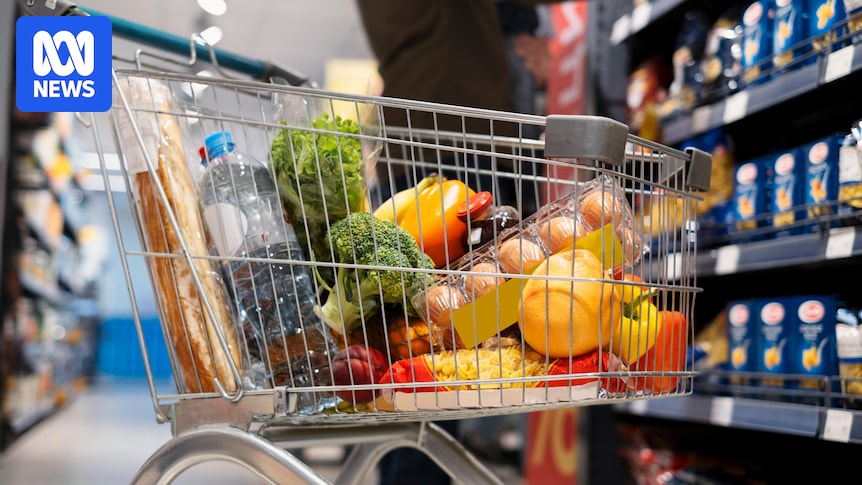
The price of fresh food is set to rise as the war in the Middle East continues to disrupt Australia’s supply of fuel and fertiliser.
The effects of the shortages are being felt across the supply chain, with farmers paying significantly more to grow food. It is also costing more to get perishable goods to the supermarket via refrigerated freight.
Iran war live updates: For the latest news on the Middle East crisis, read our blog
Ritchies IGA chief executive Fred Harrison said food prices would rise across the board in all supermarkets, with milk likely to increase by about 15 cents per litre.
“In the next four to six weeks, we will see products such as milk and bread have price increases,” he said.
“The farmers will directly benefit, some of the increases that are coming through will be paid directly to the farmers to help with things like fertiliser and transport.”
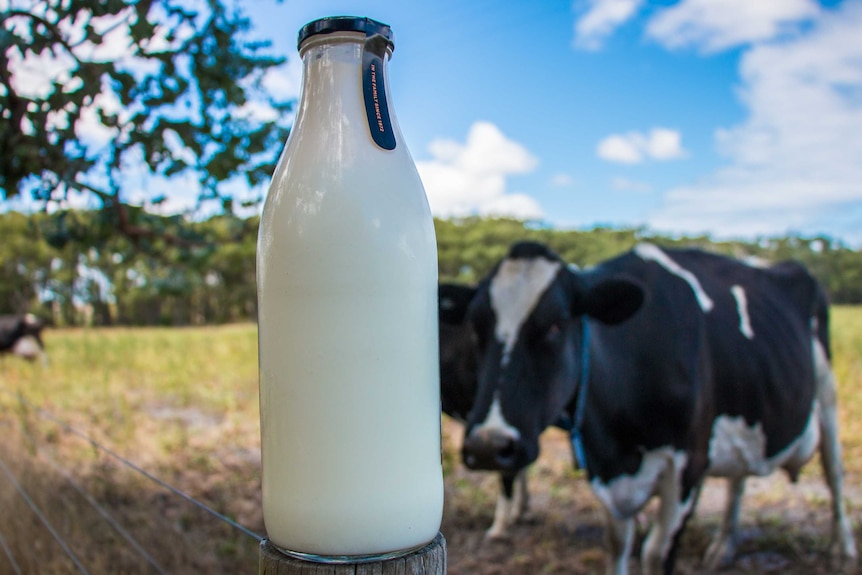
Dairy, meat, fruit and vegetable production costs are affected by the Iran conflict. (ABC Rural: Jess Davis)
Dairy dilemma
The price of dairy items is likely to increase the most, as farmers deal with high fertiliser, fuel and energy costs.
“Fertiliser in the last six weeks has moved from $800 a tonne to $1,800, and the availability ongoing is quite questionable,” south-west Victorian farmer Ben Bennett said.
“The price of dairy goods has to go up; if it doesn’t, the viability of the dairy industry is going to be in question.
“Our concern is if [Coles and Woolworths] put up the prices, will those prices come back to grassroots farmers, because if we look at COVID, they sort of looked after themselves as number one.”
Mr Bennett, who is also president of Australian Dairy Farmers, said the price of milk in supermarkets needed to rise by 30 cents per litre to support farmers and freight operators.
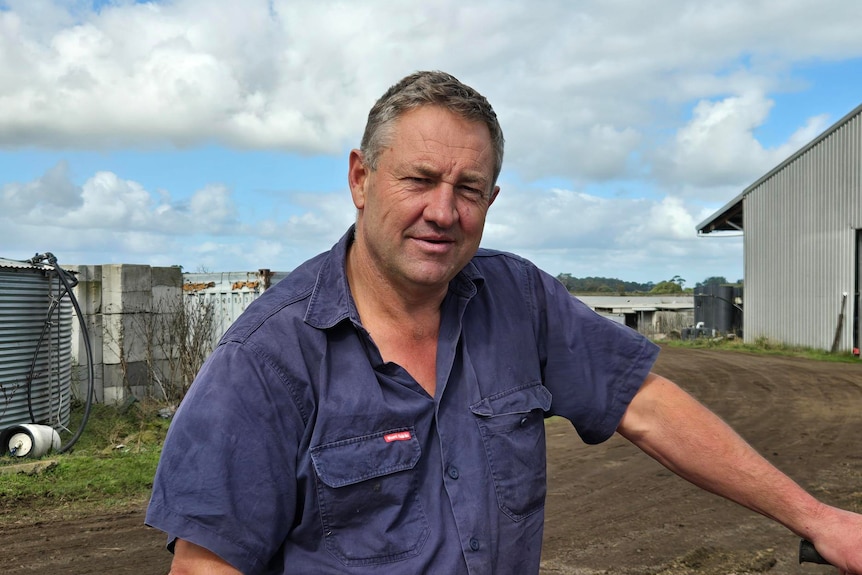
Ben Bennett says the price of all dairy products needs to increase by 20 per cent. (ABC Rural: Jane McNaughton)
“Home brand milk is sitting at about $1.65, so if we kept it under two bucks, at say $1.95, everyone will get [a benefit],” he said.
He said Australian consumers had some of the cheapest milk in the world, and farmers had First World costs.
“A little bit of balancing wouldn’t go amiss, and we’re only talking 30 cents per litre,” he said.
He said other dairy items such as cheese, butter and yoghurt also needed to rise in price.
“A 20 per cent increase needs to go right across the board; it needs to be consistent as a majority of milk does go into cheese.”
Some processors, such as Bega and Lactalis, have already announced to their suppliers that from May 1, farmers will receive an extra five cents per litre for milk.
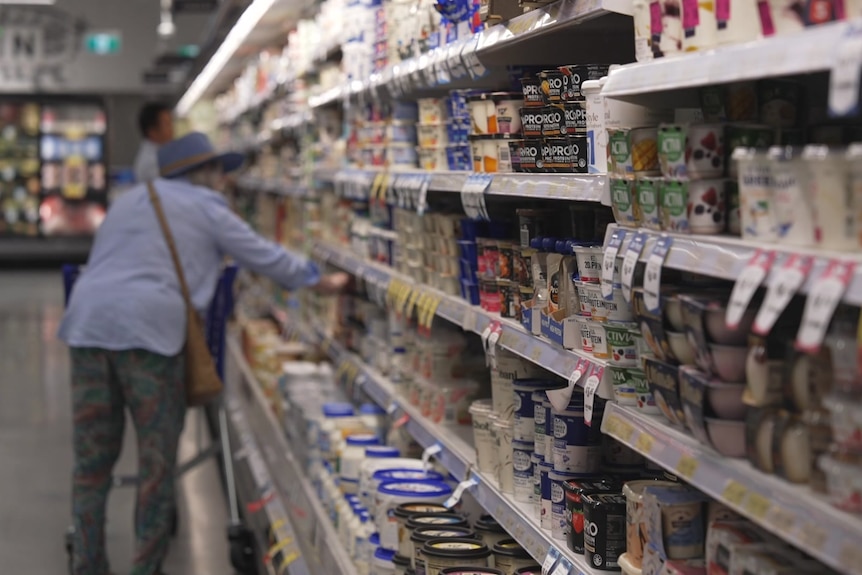
Customers can expect to pay more for dairy products in the coming weeks. (ABC News)
Regional disparity
Regional areas will be hit hardest by the price rises, as more fuel is required to transport goods further distances from metropolitan distribution centres.
“The cost of fuel and fertiliser is flowing through the supply chain, and we’re going to see in metro areas probably a 2 or 3 per cent increase across the board,” market analyst and director of Episode 3, Matt Dalgleish, said.
“We’re seeing record prices for diesel, and that’s what most of Australia’s freight runs on.
“In regional areas it could get higher, maybe 10 per cent, depending on how remote the area is and how stretched the supply chain is.”
Mr Dalgleish said even if the war were to conclude this week, food prices would still spike.
“Because of the delays in the supply chain, we’re still going to see high prices for at least a month after that, possibly longer,” he said.
“Any products that rely on fuel, fertiliser and energy will be affected — so perishable items like red meats, dairy, fruit and vegetables.
“Dairy in particular is energy intensive; a lot of power is used to store the milk because it is such a perishable item.”
Fruit and vegetable production down
Executive officer of the Horticulture Council of the National Farmers Federation, Richard Shannon, said households should expect to pay more at the check-out, as farmers asked supermarkets for price increases to bolster confidence in the sector.
“Between the grower and the consumer, there are huge corporates, supermarkets, who are posting billion-dollar profits — we all need to wear the fair share of the burden,” he said.
“The current environment for fruit and vegetable growers is really tough; it’s been tough for a very long time.
“Input costs are up, and there has been an inability for growers to pass those costs through the supply chain.”
Mr Shannon said supermarkets needed to pay growers more to maintain a strong fresh food supply and confidence in the sector.
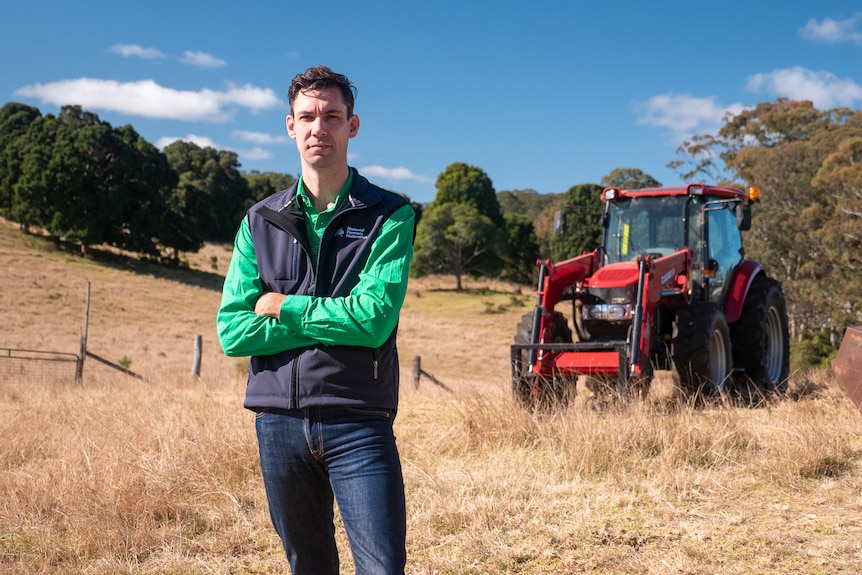
Richard Shannon is the executive officer of the National Farmers’ Federation horticulture council. (ABC News: Nathan Morris)
A recent Victorian Farmers Federation survey reported production declines of 30 per cent, as farmers reduced how much they were planting due to fuel and fertiliser costs.
“Farmers are struggling to get a fair return, and they’re experiencing dramatic increases to their production costs as a result of the Middle East war.”
A Woolworths spokesperson said the supermarket knew households were feeling pressure when it came to rising costs and fuel prices.
“We’re committed to doing what we can to buffer customers at the check-out and absorbing some of those extra costs in our supply chains.
“We also recognise suppliers, Aussie farmers and transport partners are navigating difficult cost increases like the rise in fuel prices, and we are working to find the right path through.”
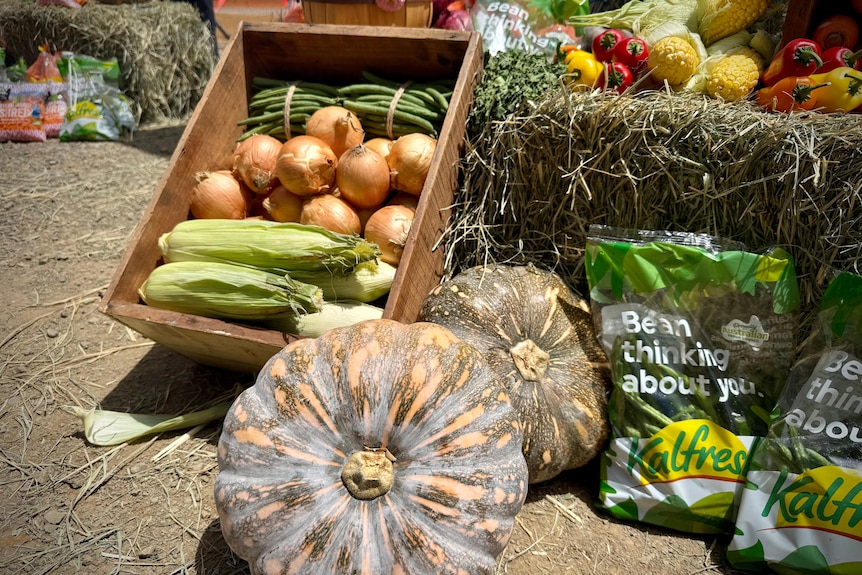
Fruit and vegetable growers are delaying planting due to high fertiliser prices. (ABC News: Tobi Loftus)
Buying patterns
The effect of higher interest rates and fuel at the bowser already has many shoppers changing their purchase habits.
“We’ve seen some changes in consumer behaviour, we’re certainly selling more of the specials,” Mr Harrison from Ritchies IGA said.
“People have done a little bit of stocking up on long-life lines, such as long-life milk, cans of baked beans and canned veggies.
“Toilet paper has also had a 10 to 15 per cent increase.”
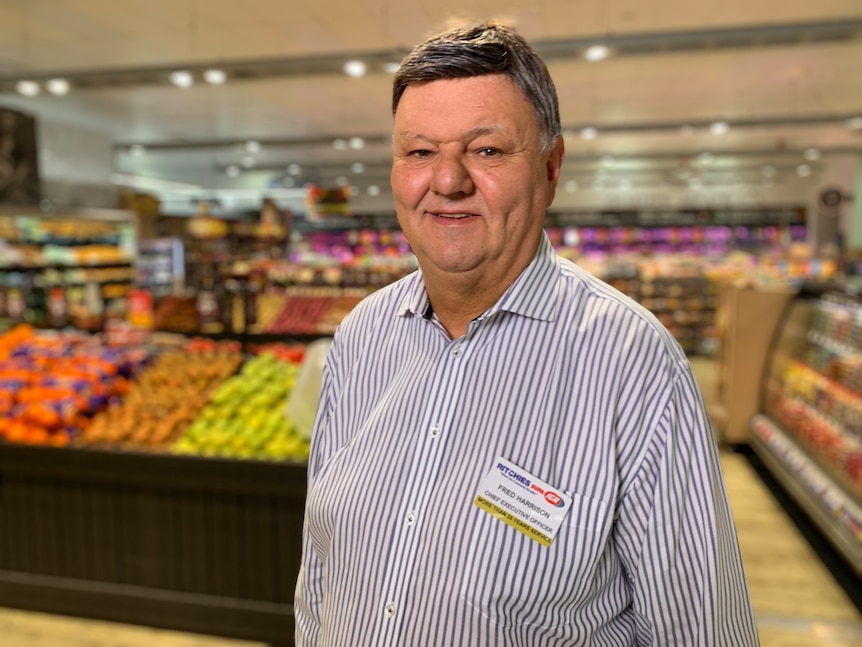
Fred Harrison says the price of produce will increase in the next four to six weeks. (ABC News: Kyle Harley)
Mr Dalgleish said inflationary pressures would result in everything becoming more expensive until after the war in Iran was resolved.
“Increases to prices at the food level will cause an inflationary spiral, and that could lead the Reserve Bank to increase interest rates too,” he said.
“So we are potentially in for maybe six months of price pain.”
Loading…