
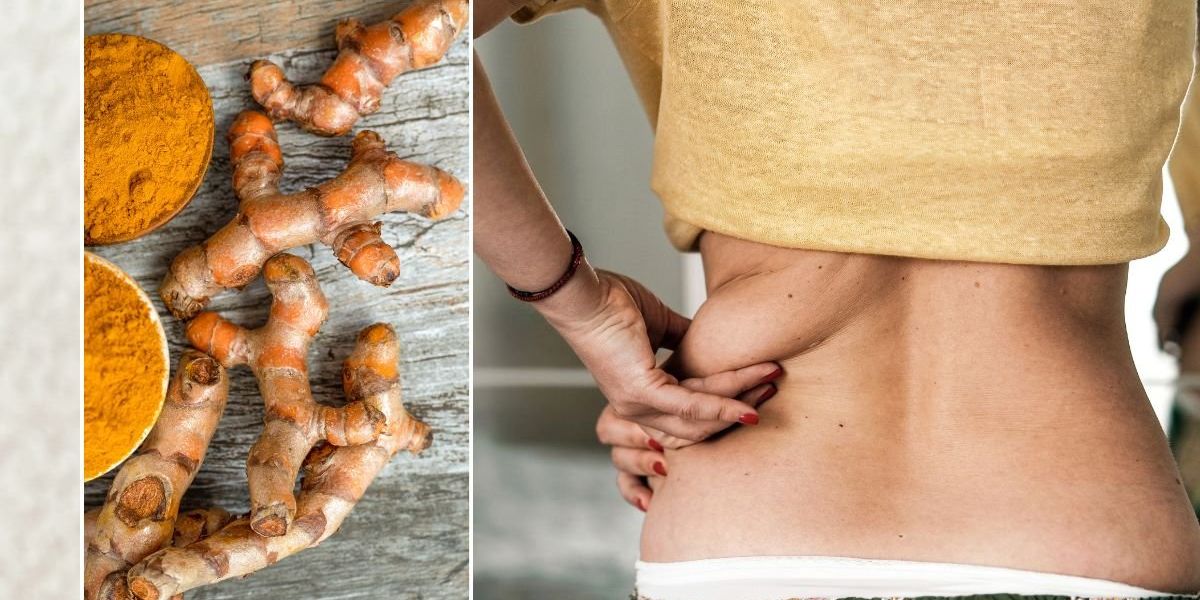
Spare tyres are often seen as a cosmetic concern, but fat that’s lodged deep within the abdominal wall may also be accelerating biological ageing in women, new findings suggest.
A study published in the journal Obesity found that higher levels of visceral fat tissue, measured with scans, were linked to faster ageing in both men and women.
In women specifically, however, it was linked to a shorter telomere length, referring to the protective caps on the ends of chromosomes that shrink. This link was not observed in men.
Researchers led by Riorden O’Shea, of the WA Country Health Service in Perth, looked at data from nearly 4,800 middle-aged adults, alongside a smaller subset who had their telomere length measured directly.
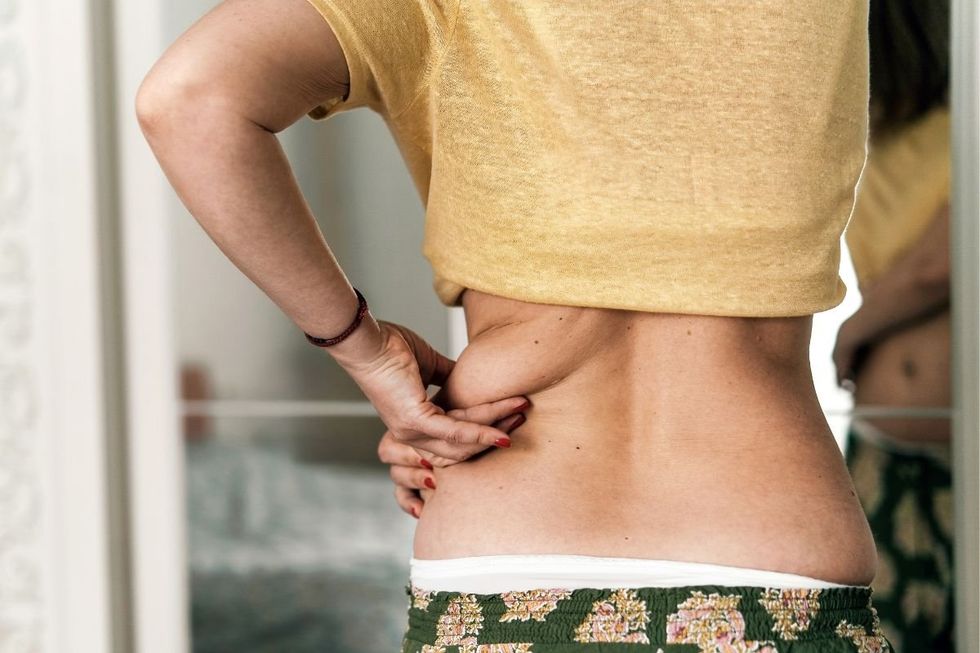
Belly fat may accelerate ageing in women
|
GETTY
Their findings suggest visceral fat may be a potential marker of ageing in its own right, independent of other weight measures.
Founding physician at Misra Wellness, Dr Saluga Misra, noted that the tendency to gain visceral fat during menopause is driven largely by hormonal shifts rather than diet or lifestyle alone.
“Belly fat during menopause is multifactorial, but largely hormonal,” she told GB News, adding that declining oestrogen and testosterone have a lot to answer for.
Fat distribution shifts driven by hormones cause more fat to accumulate around the midsection rather than the hips and thighs.
Happening parallel to this is an imbalance in androgens, which Dr Misra noted drives an even greater build-up of abdominal fat.
With so many changes to the way fat is stored and broken down, the body can eventually become insulin resistant.
“We have found circulating insulin to be correlated with increased central adiposity,” she explained, referring to the build-up of abdominal fat specifically.
What actually helps?
Diet and exercise remain the foundation of any weight management plan, Dr Misra explained.
She acknowledged this advice can be frustrating to hear, noting: “It can be frustrating for some patients, but they work much of the time – not all of the time – when you actually identify the changes that need to be made.”
Dietary changes have a greater impact on visceral fat than exercise alone, she explained.
However, both are important – not just for managing weight but for maintaining healthy insulin levels and preserving muscle and bone density.
Dr Misra warns against assuming there’s a single dietary fix, noting that any changes need to be realistic for the individual.
Someone who eats meat and potatoes should not be advised to go vegan overnight, as such drastic shifts are rarely sustainable long-term.
Co-founder and director of cellular health at MORPH Health Optimization Center, Heddy Wingington, agrees that no single diet suits everyone.
But she points to several principles that tend to help, recommending prioritising protein and fibre-rich foods, cutting back on simple carbohydrates and incorporating anti-inflammatory foods like turmeric and green tea.
Adequate hydration and reduced alcohol intake are also worth focusing on, according to the expert.
“The best diet for menopausal belly fat loss isn’t about restriction; it’s about nourishing your body with foods that support changing physiology.”
Focusing on whole, nutrient-dense foods and balanced macronutrients, she added, can support meaningful fat loss over time.
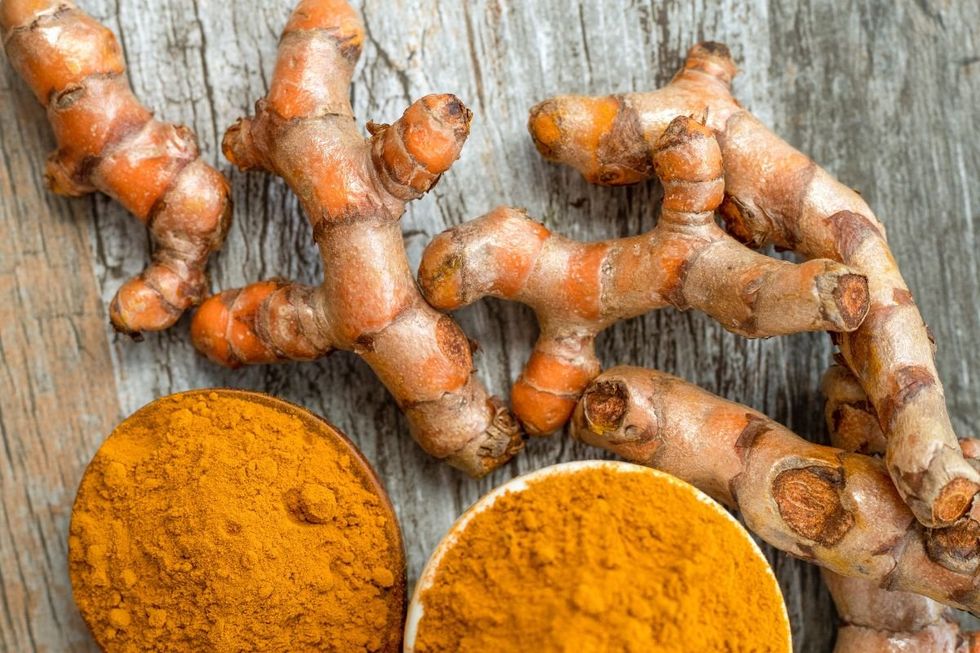
Incorporating anti-inflammatory foods like turmeric and green tea can support weight loss during menopause
|
GETTY
In addition, both experts stressed that diet alone isn’t the full picture, and that preserving muscle mass with bone density is particularly important for menopausal women.
Dr Misra noted: “We are the first generation of overweight and obese humans who are eating more and more micronutrient-deficient foods.”