
Deliveries from popular online retailers like Mecca, ASOS, and The Iconic are set to become more expensive and slower if the Federal Government backs a new fuel tax.
Proposals expected to be discussed at the Economic Reform Roundtable on Wednesday and Thursday could result in retailers passing on higher fuel costs directly to customers, potentially making free shipping a thing of the past.
Cheaper, slower delivery options could become the new normal, leaving Australians weighing whether to pay extra for faster service.
Currently, heavy freight trucks enjoy a fuel tax rebate that keeps delivery costs down and helps packages arrive quickly.
Farmers and freight operators claim back part of the fuel tax they pay, the same rebate that has historically made online deliveries cheaper and faster.
A new levy would reverse that advantage.
The tax push has been supported by teal independent MPs Kate Chaney, Allegra Spender, and Senator David Pocock, with Spender attending the roundtable discussions.
The Productivity Commission, which spoke at the roundtable on Wednesday, is expected to recommend a higher fuel tax for heavy vehicles delivering goods across the country.
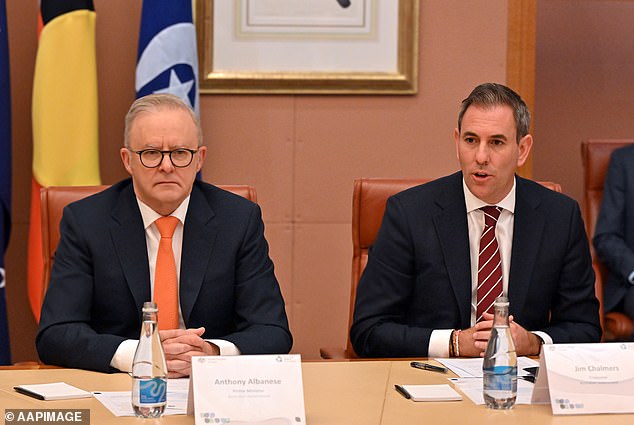
Scrapping the fuel levy is understood to be up for discussion at the Productivity Roundtable
On Thursday, Grattan Institute CEO Aruna Sathanapally will present to the group, with her organisation having previously expressed support for the tax.
Meanwhile, the Greens, who hold significant influence in the Senate, are also backing the proposal.
If implemented, the fuel tax could add up to 20.3 cents per litre on diesel and petrol for trucks, an 11 per cent increase based on last year’s average fuel price of 181 cents per litre.
Australia Post already charges a fuel levy for deliveries, with express services attracting up to 16.3 per cent and regular post 5.6 per cent.
Any increase could see delivery times slow or costs rise further.
Retailers may respond by raising free shipping thresholds or passing the extra costs directly to consumers, affecting everything from skincare to sneakers.
Currently, heavy vehicles used on public roads receive a 20.3 cent per litre rebate for diesel and petrol, including E10, B5, and B20 blends with ethanol and biodiesel.
Off-road fuel rebates are even higher, reaching up to 48.8 cents per litre between August 2023 and February 2024.
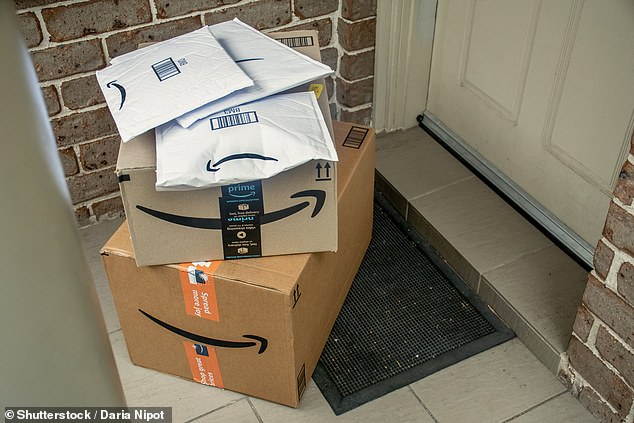
There are concerns that removing the levy would see costs passed onto consumers (stock image)
National Road Association (NATRoad) CEO Warren Clark told Daily Mail the change would hurt the trucking and freight industry.
‘The fuel tax system is broken and needs to be revamped. Measures like this will simply add to the increasing stress felt by the industry and we’ll continue to see businesses being forced into administration’ he said.
‘More importantly, it would increase the cost of living which will hurt everyone.’
He warned it would hurt families already dealing with cost-of-living.
‘An increase in fuel tax at this time would be devastating for operators already struggling with rising costs and wafer-thin margins.’ he said.
‘The road freight sector has been under serious pressure for some time, with rising costs and no real productivity gains in the last decade. A reversal of these benefits could ripple through the delivery system and into shoppers’ wallets.’
The three-day roundtable will conclude on Thursday.
Share or comment on this article:
Brutal cost-of-living warning that will impact every Australian: ‘The system is broken’