
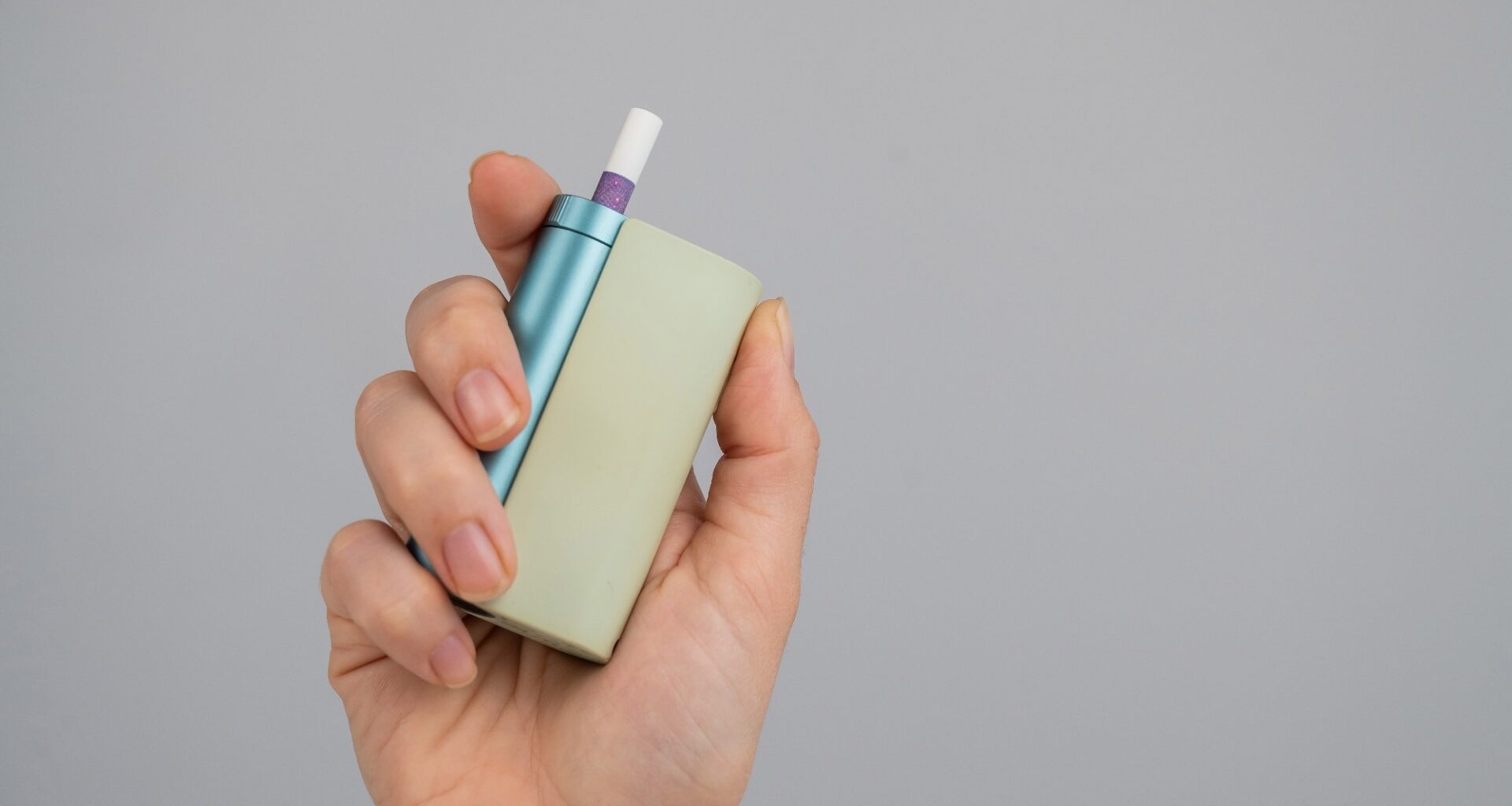
A nationwide analysis of more than 30,000 Japanese adults examines how emerging tobacco products relate to blood pressure risk, while exposure history and sensitivity analyses complicate the picture.
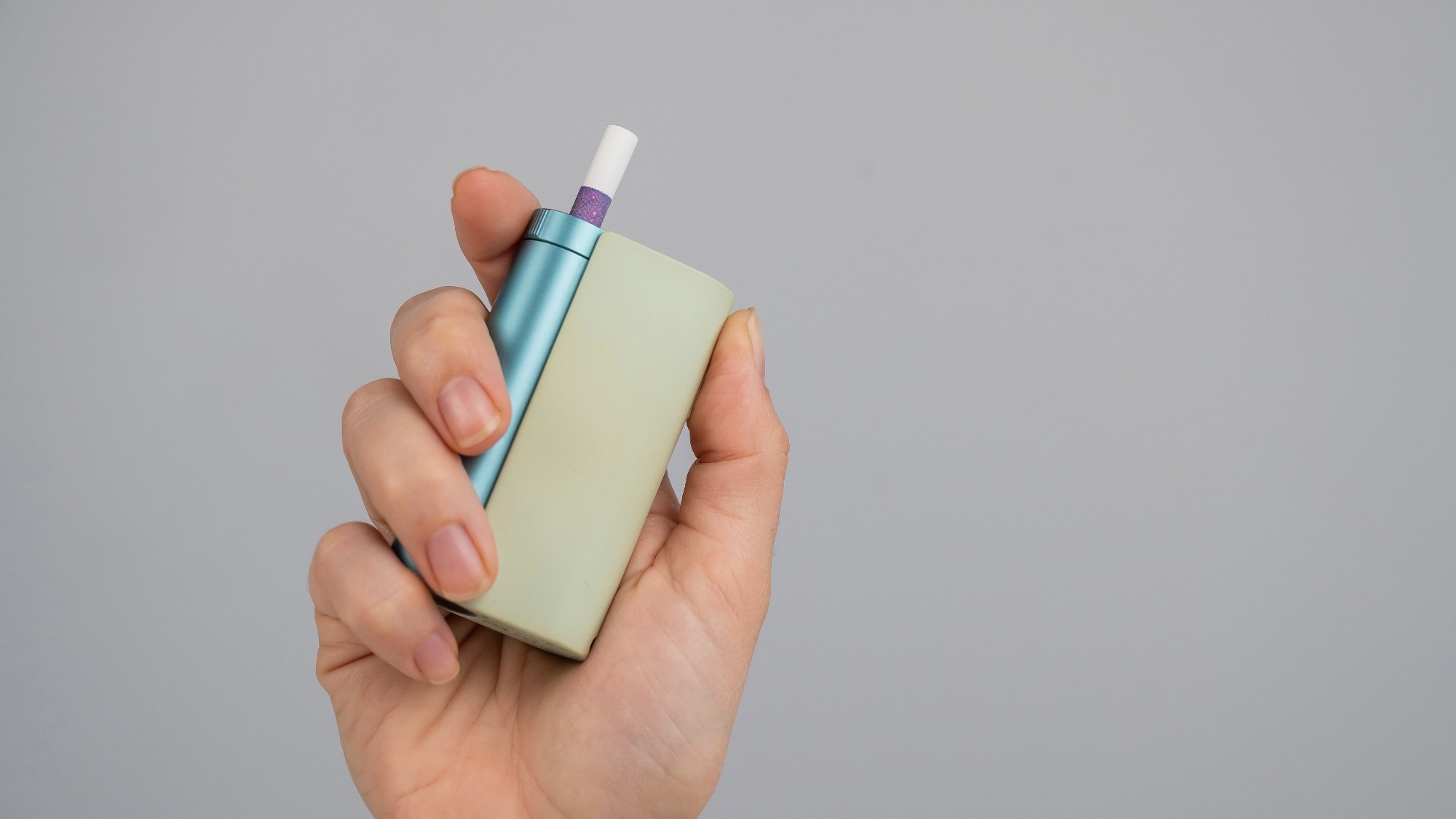
Study: Association between current heated tobacco product use and incident hypertension: A nationwide real-world cohort study. Image Credit: Pupsiki
Current users of heated tobacco products, also known as heat-not-burn products, had a higher risk of incident hypertension than never-smokers in the primary adjusted analysis, according to a new study published in the journal Hypertension Research.
Heated tobacco products, also known as heat-not-burn products, heat-processed tobacco rather than liquid nicotine and are distinct from e-cigarettes and vapes.
Background
Smoking is a major modifiable risk factor for cardiovascular diseases, including hypertension, coronary artery disease, heart failure, and stroke. Conventional cigarette smoking has been linked to increased blood pressure (hypertension) through several mechanisms, including nicotine-induced catecholamine release, oxidative stress, endothelial dysfunction, chronic inflammation, and sympathetic nervous system activation. Nicotine-mediated catecholamine release can cause narrowing of blood vessels (vasoconstriction) and subsequent increases in heart rate and blood pressure.
The use of heated tobacco products has increased significantly in recent times. The procedure involves heating processed tobacco without combustion, thereby generating nicotine-containing aerosols.
Japan is among the highest consumers of heated tobacco products globally. These non-combustible products are often perceived as less harmful than conventional combustible cigarettes, and are frequently promoted as harm-reduction products. Yet evidence on their long-term cardiovascular safety remains limited.
Existing evidence raises concerns about considering heated tobacco products as harmless, as experimental studies have linked their use to arterial stiffening, endothelial dysfunction, oxidative stress, and autonomic imbalance.
In response to concerns about cardiovascular effects, researchers at the Kindai University Faculty of Medicine, Japan, explored the association between smoking status and risk of hypertension using a large Japanese real-world database.
Study design
A total of 30,979 participants who completed a detailed smoking questionnaire between 2021 and 2025 and had no hypertension at baseline were identified from the Japanese database.
Based on baseline smoking status, participants were categorized into five groups, including never-smokers, current users of heated tobacco products, current cigarette smokers, current dual users, and former smokers.
The primary outcome of the study was incident hypertension during an average follow-up of about 2.8 years. Hypertension was defined as elevated blood pressure measurements or initiation of antihypertensive medication at follow-up. The researchers used inverse probability of treatment weighting to reduce baseline differences among the five tobacco-use groups.
Key findings
In the entire study population, hypertension occurred in 5% of never-smokers, 8% of current users of heated tobacco products, 9% of current cigarette smokers, 8% of dual users, and 9% of former smokers.
As compared to never-smokers, a significantly higher risk of developing hypertension was observed among current users of heated tobacco products in the primary weighted analysis. Higher risks were also observed among current cigarette smokers, current dual users, and former smokers.
The researchers found no statistically significant evidence that the associations differed according to age, sex, body mass index, kidney filtration efficiency, history of cardiovascular disease, history of stroke, or use of the health-support application.
Sensitivity analyses produced broadly similar risk estimates, although the HTP association did not remain statistically significant in several analyses. The association remained statistically significant after further adjustment for residual baseline imbalances, but was not statistically significant after adjustment for follow-up duration, in the complete-case analysis, or when hypertension required both a new diagnosis and antihypertensive medication.
Study significance
In the primary weighted analysis, current and former smokers, current users of heated tobacco products, and dual users had a higher risk of incident hypertension than never-smokers. The study shows an association between current HTP-user status and incident hypertension rather than proving that HTP exposure caused hypertension.
These findings support and extend results from a previous study on Japanese workers, which has linked current use of heated tobacco products to incident hypertension.
Several biological mechanisms may help explain the relationship. Preclinical studies have suggested that exposure to heated tobacco products leads to induction of oxidative stress, endothelial dysfunction, and inflammatory responses, which may contribute to vascular injury and hypertension development.
Recent human studies have also suggested that use of these products is associated with acute increases in blood pressure, arterial stiffness, and vascular stress markers.
A previous experimental study reported that heated tobacco product use may produce increases in blood pressure and pulse wave velocity comparable to those observed after conventional cigarette smoking, which challenges the assumption that non-combustible tobacco products necessarily carry lower cardiovascular risk.
Like current smokers, former smokers exhibited increased risk of incident hypertension. This may partly reflect long-term consequences of previous tobacco exposure, but residual confounding from cumulative smoking exposure and other characteristics cannot be excluded. In this context, existing evidence suggests that chronic smoking contributes to vascular remodeling and progression of atherosclerosis, leading to residual cardiovascular risk that may persist even after smoking cessation.
The study also found that, compared to never-smokers, those who use combustible or non-combustible tobacco products often exhibit lifestyle characteristics associated with cardiovascular risk, including substantial weight gain since early adulthood, breakfast skipping, late-evening meal intake, fast eating, and drinking alcohol. These behaviors may cluster with tobacco use and contribute to overall cardiovascular and hypertension risk among tobacco users.
With the increasing prevalence of heated tobacco product use in Japan and other Asian countries, the current findings support consideration of emerging tobacco products in hypertension prevention and cardiovascular risk assessment. Future studies are needed to determine whether similar associations occur in other Asian populations with different tobacco-use patterns and demographic characteristics.
The study could not assess changes in smoking behavior during follow-up because smoking status was recorded only at baseline. Information on the frequency, intensity, and duration of tobacco exposure and the timing of switching from conventional cigarettes to heated tobacco products was also unavailable.
Information on previous cigarette smoking among current HTP users was not available, meaning some participants may have previously smoked conventional cigarettes. The observed excess risk therefore cannot be attributed to HTP exposure alone.
The data also do not establish whether the risk of incident hypertension associated with current heated tobacco product use is lower, higher, or similar to that associated with current cigarette smoking. Blood pressure was measured at periodic health check-ups rather than through repeated office or out-of-office measurements, which may have introduced misclassification of outcomes.
The cohort was relatively young, with a mean age of 46.8 years, which may limit the generalizability of the findings to older adults or populations with different demographic or socioeconomic characteristics.
Future studies with detailed measures of previous and cumulative tobacco exposure are needed to clarify the long-term cardiovascular risks associated with HTP use.
Journal reference:
Matsumura, K., Tabuchi, T., Imano, H., Hakozaki, S., Ueno, M., Tanaka, H., & Nakazawa, G. (2026). Association between current heated tobacco product use and incident hypertension: A nationwide real-world cohort study. Hypertension Research, 1-11. DOI: 10.1038/s41440-026-02817-z, https://www.nature.com/articles/s41440-026-02817-z