
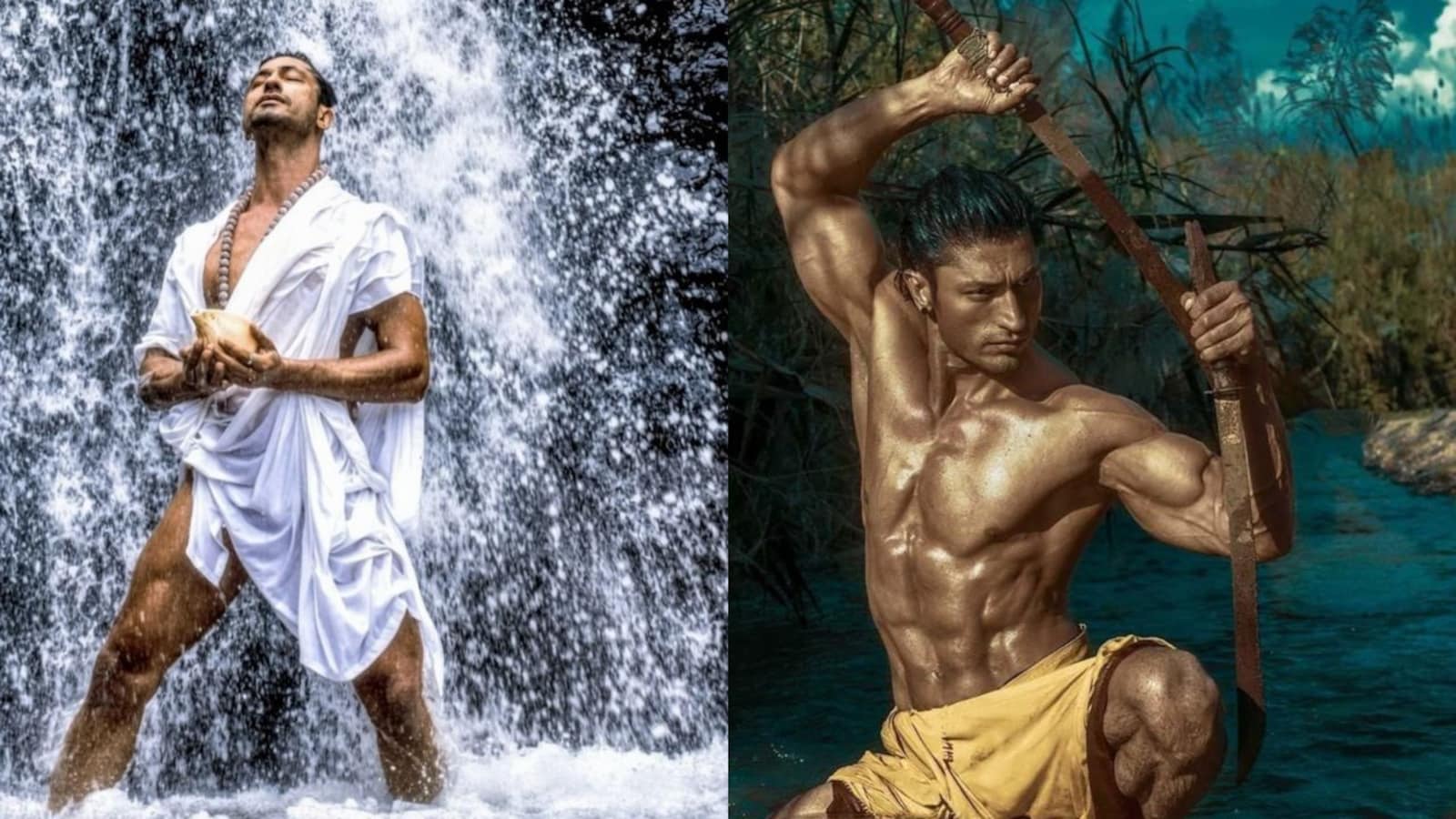
Actor and martial artist Vidyut Jammwal is known for performing physically demanding stunts. He also showcases traditional Indian martial arts on screen. His portrayal of Dhalsim in Street Fighter has drawn attention to the intense physical training associated with the character. The workout includes challenging movements inspired by Kalaripayattu which is an ancient Indian martial art. These exercises require more than muscular power. They also demand body control, coordination and the ability to maintain stability.
Jammwal’s training highlights how traditional martial arts can go beyond combat skills and become a form of full-body conditioning. One movement that stands out is the Kalaripayattu dand which is a demanding exercise that involves supporting and moving the body through controlled positions.
Vidyut Jammwal Is A Trained Kalaripayattu Practitioner
Jammwal has practised Kalaripayattu since childhood. In an interview with The Times of India, he said he began training in the martial art when he was three years old and lived in an ashram in Kerala until he was 13, learning from his teachers.
Kalaripayattu is a traditional Indian martial art that combines movements such as kicks, strikes, jumps, body rotations and defensive techniques. It also highlights the importance of flexibility, balance, coordination and mental discipline.
The Kalari Dand, the exercise seen in one of Jammwal’s videos, is a challenging bodyweight movement that is associated with this training tradition. It involves lowering the body close to the ground, placing the hands firmly on the floor and moving the body backwards and forwards in a controlled manner. While it shares some features with push-ups, the movement pattern is different and may require greater coordination and mobility.
How does Kalari Dand improve fitness levels?
Here are some potential fitness benefits of this demanding exercise.
1. Builds Upper-Body Strength
The exercise requires the arms and shoulders to support and move the body’s weight. The chest and triceps also helps to control the movement, particularly when pushing the body forward or returning to the starting position. Practising this can help develop muscular strength over time.
2. Strengthens The Core Muscles
The core muscles include the abdominal muscles, back muscles and other muscles that help stabilise the trunk. They work together to keep the body controlled during movement. During a Kalari Dand, the core helps prevent the hips and lower back from dropping or twisting excessively. This makes the exercise useful for practising stability. Also, a stronger core can support everyday activities such as bending, lifting and maintaining good posture.
3. Improves Mobility And Flexibility
Kalaripayattu training includes movements that challenge the body’s range of motion. The low positions and forward and backward shifts involved in Kalari Dand may need mobility in the shoulders, hips, knees and ankles. Mobility refers to the ability to move a joint through a range of motion with control. Flexibility refers to how far muscles and other soft tissues can stretch.
4. Develops Balance And Coordination
Kalari Dand requires several parts of the body to work together. The hands must remain firmly placed, the trunk must stay controlled and the legs must move in coordination with the upper body. This challenges your body awareness which is the ability to understand and control the body’s position during movement. Better coordination can be useful in sports, martial arts and everyday physical activities.
5. May Improve Muscular Endurance
Muscular endurance is the ability of a muscle or group of muscles to continue working without tiring quickly. Repeated bodyweight movements can challenge this ability, especially when performed with proper form. As the arms, shoulders and core support the body during Kalari Dand, they may eventually develop better endurance.
Who Should Try Kalari Dand And What Precautions Are Necessary?
Kalari Dand is best for people who already have a certain level of strength, mobility and body control. It is not an ideal starting exercise for someone new to fitness.
Start with basic exercises: Build strength with modified push-ups, planks and beginner-friendly bodyweight movements before attempting advanced martial arts exercises
Learn the technique: Practise under a qualified Kalaripayattu instructor or fitness professional who can correct your posture and movement
Warm up properly: Prepare the shoulders, wrists, hips, knees and ankles before training
Avoid pushing through pain: Stop if you experience sharp pain, dizziness or unusual discomfort. People with existing joint problems or injuries should seek professional advice before attempting the movement.
Progress gradually: Begin with easier variations and increase the difficulty only when you can maintain control throughout.
Disclaimer: This content including advice provides generic information only. It is in no way a substitute for a qualified medical opinion. Always consult a specialist or your own doctor for more information. NDTV does not claim responsibility for this information.