Keeping up with the latest muscle-building science can be complicated, especially when there seems to be a new study published every week. And while it’s easy to assume that building more muscle is simply a case of adding more sets and reps, new research suggests that another factor could be important when measuring training effort.
‘Total impulse’, or the amount of force produced over time, could provide a more accurate way of measuring the mechanical load experienced by your muscles during exercise.
Closely related to the concept of mechanical tension, this could help explain why the number of reps you complete doesn’t always tell the full story when it comes to the training stimulus your muscles experience.
The Study: What Is Total Impulse?
Recently published in the Journal of Sports Sciences, the study investigated whether the amount of force muscles produce over time (known as total impulse) is a better measure of training than simply counting reps.
How the Study Worked
Researchers used the following methods in the six-week study involving 21 untrained men:
One group performed Nordic hamstring exercises twice a week.Another performed them once a week.A control group did no training.
Each workout included six sets of four reps, with participants lowering themselves slowly over six seconds. Researchers measured changes in muscle strength, size and performance.
What the Researchers Found
Unsurprisingly, both training groups improved their hamstring strength, with the twice-weekly group seeing greater gains. Those training twice weekly increased their Nordic hamstring peak torque by 48.3%, compared with 22.3% in the once-weekly group.
But perhaps the more interesting finding was that total impulse was a better measure of training dose than simply counting reps. In other words, the amount of force produced over time was more closely associated with improvements in strength and other training adaptations than the number of reps completed.
How to Get More from Your Strength Training
The findings suggest that building strength isn’t just about how many reps you complete, but also how much force your muscles produce and for how long. While the researchers didn’t test the following methods directly, these three established strength-training principles can help you get more from your workouts:
Control your reps: Avoid rushing or using momentum. Lower weights with control to keep your muscles working.Challenge your muscles: Choose weights that feel demanding while still allowing you to maintain good form.Use progressive overload: Gradually increase the weight or reps as you get stronger.
While the research focused on Nordic hamstring exercises, it reinforces a useful principle: while it’s important to count your reps, pay attention to how you’re performing them.
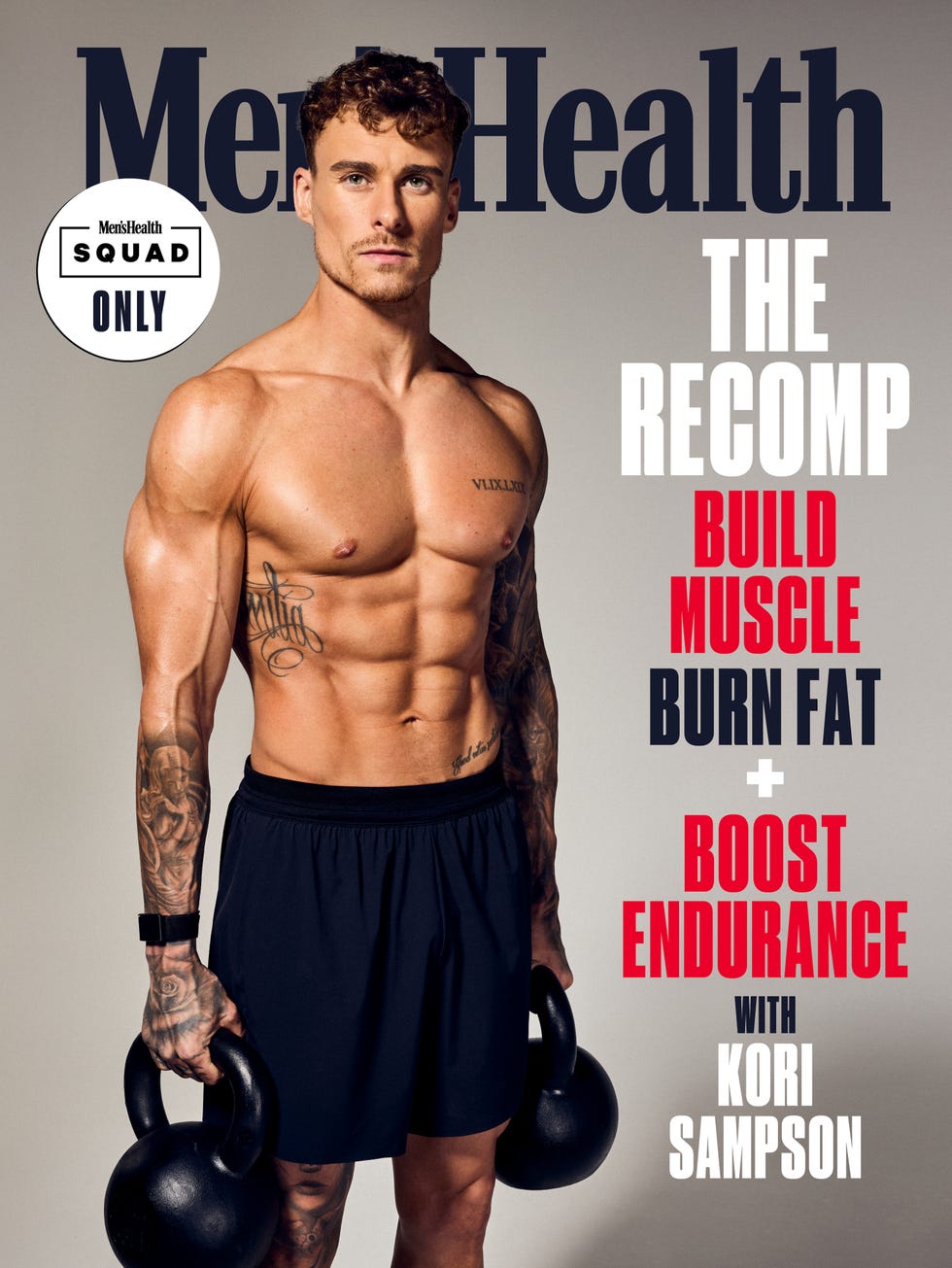
If there’s one thing Kori Sampson knows, it’s how to optimise your body composition for performance. To tap into his knowledge as an elite athlete and coach, we asked him to create a 4-week plan to help you move faster, recover quicker and keep pushing when the fatigue sets in – all while improving your muscle-to-fat ratio.
Ready to build muscle, burn fat and come out the other side looking, feeling and performing better? Click here to get 14 days of free access to the plan via the Men’s Health app.