
Updated December 5, 2025 08:20AM
REDs can be more damaging to a cyclist than a broken collarbone, a bout of tendinitis, or the worst swath of road rash.
If you don’t believe us, just ask U.S. pro Veronica Ewers.
After years of struggling with REDs, the 31-year-old was forced to indefinitely sideline herself in order to prioritize her recovery from the condition.
“I’ve put myself into a hole by abusing my body for too long. Although I improved my fueling and eating habits, it wasn’t enough. My body needs a full reset before it can be at its best,” Ewers wrote this week on Instagram.
“Now is the time to focus on my health because if I don’t, then I will continue to be stuck in a healing body that can’t perform nor fully heal,” she wrote. “If I ever want to perform at the top level again, I need to take the time to fully recover.”
And Ewers isn’t alone.
REDs (also known as Relative Energy Deficiency in Sport, or RED-S) is a scourge across the sporting spectrum.
Yet despite its prevalence, it’s one of the most mysterious and misunderstood conditions of endurance.
REDs is sometimes “intentional,” but often not. It’s not an “eating disorder,” but it can be provoked by disordered eating. And no, it’s not just for girls – it’s been ruining this writer’s life for the last decade.
And just to complicate things further, there’s no one clear symptom.
At a low level, REDs might manifest as a few months of flatlining performance and temporary hormonal disturbance.
If it digs its claws deeper, it can trigger a downward spiral that damages long-term daily life.
And while Ewers has left the door open to returning to pro cycling, REDs can end an athlete’s career.
Here’s what every endurance athlete needs to know about REDs.
What is REDs, and why is it so common in endurance athletes?
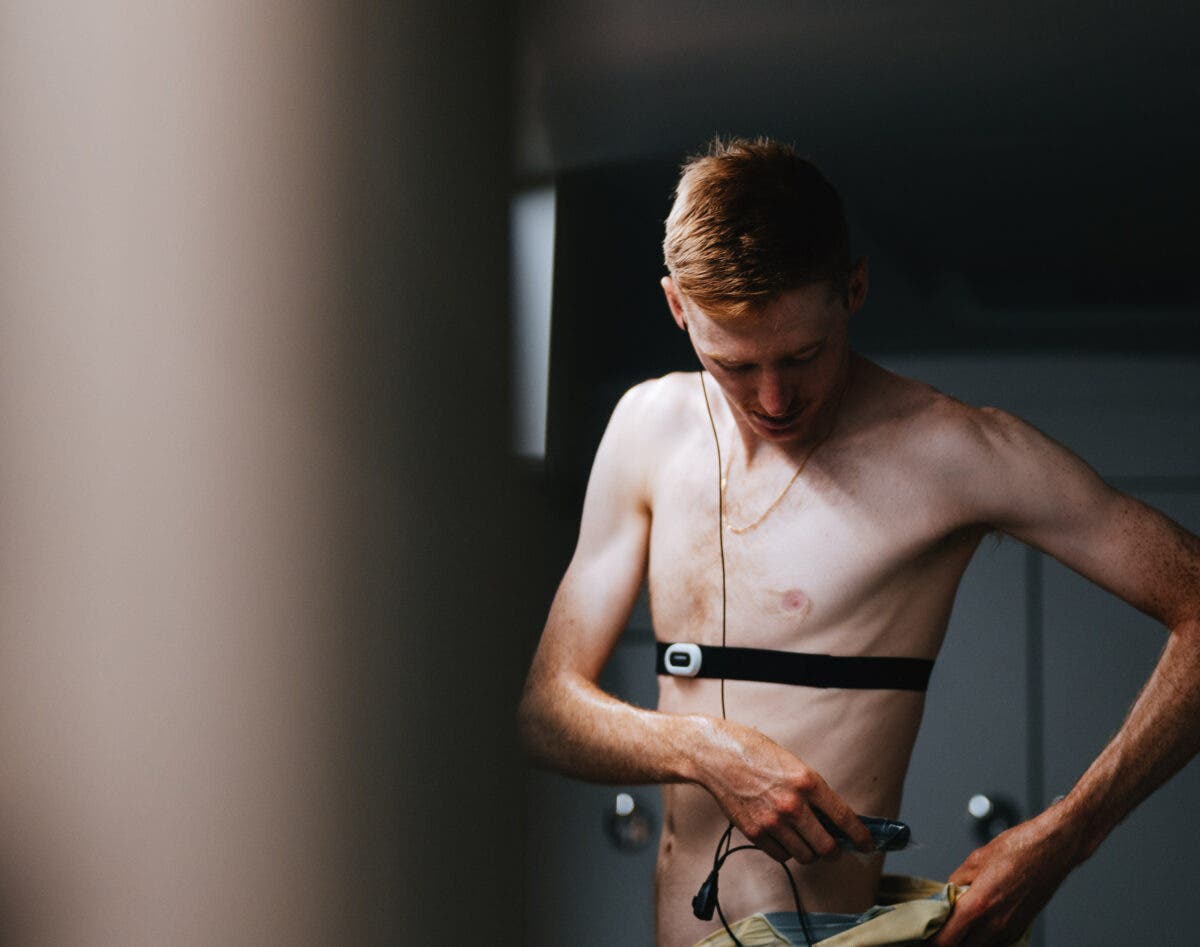 Endurance sport creates a perfect storm for energy deficiency and REDs. (Photo: Gruber Images)
REDs is underpinned by low energy availability (LEA).
Energy deficiencies occur when the diet fails to meet the demands of daily life and training.
This energy equation is what makes REDs so prevalent in endurance sport, where the huge caloric demands of training make it easy to “accidentally” dip into LEA. Remember, even an hour-long recovery ride might burn as much as a small meal.
It’s worth noting REDs also shadows sports governed by weight or aesthetics. Climbers, ballet dancers, and gymnasts are common victims.
REDs can be accidental, but it’s just as often the result of an “intentional” decision to restrict intake or overtrain.
Athletes chasing “race weight” are at high risk.
For a short period, caloric restriction can result in an intoxicating uptick in performance. However, REDs hovers over any athlete who toes the line of leanness too long.
In endurance populations, the chance of REDs is escalated by toxic myths and misconceptions of what makes a committed athlete.
Zoë Rom co-hosts “Your Diet Sucks,” a podcast that cuts through the BS of diet culture.
She explained how athletes influenced by societal ideals or pressures can find themselves on a slippery slope toward energy deficiency.
“Endurance sports have deeply entrenched cultural beliefs that lighter equals faster, that hunger is discipline, that elite athletes operate in a state of perpetual leanness,” Rom told Velo. “These ideas get reinforced by coaches, social media, and the visibility of very thin athletes at the pointy end of races.
“Add in the fact that endurance sports attract people who are already prone to perfectionism, rule-following, and self-control, and you’ve got a population uniquely vulnerable to disordered eating patterns that get reframed as ‘discipline’ or ‘optimization,’” Rom said.
The chase for “optimal” can backfire, bad.
Symptoms of REDs
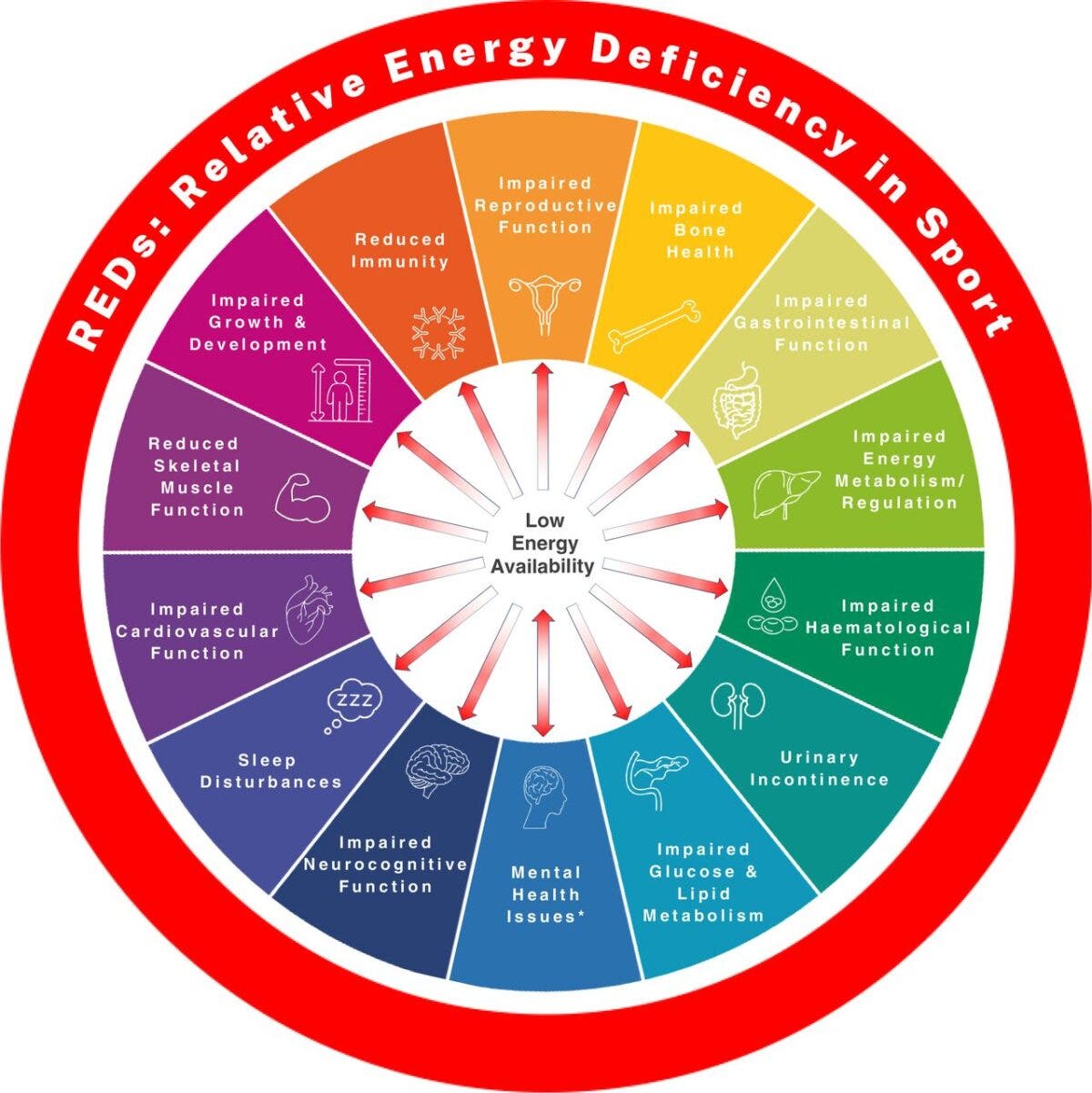 This graphic from the British Journal of Sports Medicine highlights how wide-ranging REDs can be. (Photo: BSMJ)
A body deprived of energy clicks into “preservation mode.”
It suppresses non-essential functions, wreaking havoc on the endocrine and reproductive systems, downregulating the immune system, and derailing bone health.
The systematic impact of REDs means the range of symptoms is huge. They encompass daily wellbeing, athletic performance, mental health, and more.
Here are some of the easiest symptoms to detect:
Disruptions to sexual function: For women, that’s repeated missed periods. For men, that’s loss of morning wood.
Bottoming out blood markers: Particularly testosterone, oestrogen, and certain thyroid hormones. Elevated cortisol is also a red flag, as is a decrease in bone density (measured via a DEXA scan).
Flatlining performance: Difficulty adapting to training load, problems with daily recovery, susceptibility to injury.
Changes in mood and character: An obsession with food and/or exercise, withdrawn and antisocial, impatience and irrationality.
It’s also important to note that REDs is not always correlated to weight loss. Repeated, temporary dips into energy deficit can be enough.
Common mistakes that can cause REDs
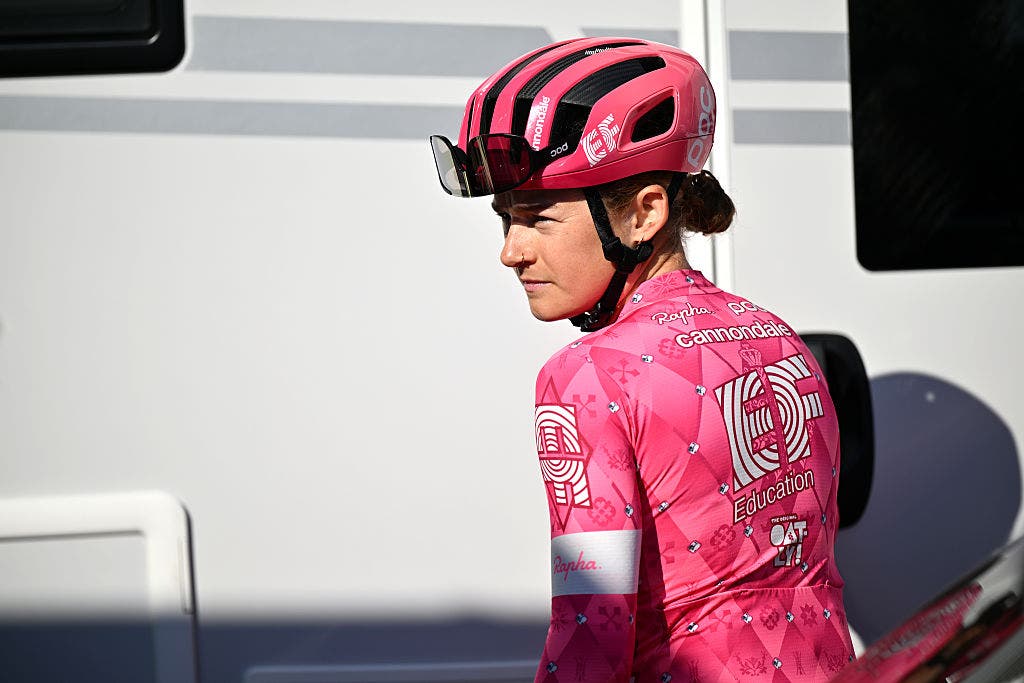 Ewers has put her career on an indefinite hiatus to allow herself the time and energy to recover from REDs. (Photo: Luc Claessen/Getty Images)
In many cases, REDs can be the consequence of a diagnosed eating disorder. Ewers this week recounted her history of anorexia and bulimia in a heartbreaking post on her Substack.
However, it’s very easy to fall into a caloric deficit without realizing. That’s the “accidental” REDs outlined above.
Among amateurs, the very common, very damaging notion of “earning food” often leads to energy deficits, as do more “innocent” misunderstandings of caloric demand.
Chronic underfueling (whether pre, during, or post-exercise), over-reliance on low-carb approaches, and inconsistent eating on rest days are common mistakes that can lead to REDs.
Train before breakfast and then rush out to work with only a banana?
Skip your final gels on a long ride to “make space” for evening dessert?
Crush carbs when you train, but consciously cut back on a day off?
We bet you’ve done one, if not all.
Don’t do them any more.
The role of carbs in REDs
 Eat your damn carbs. (Photo: Getty Images.)
Another big mistake in the endurance population? Not eating your carbs.
And we’re not just talking about the on-bike “carbohydrate revolution” here.
Registered dietician Kylee Van Hoorn co-hosts the “Your Diet Sucks” podcast with Rom. Van Hoorn highlighted how carbs are king, morning, noon, and night – and particularly around a workout.
“Carb timing matters enormously,” Van Hoorn told Velo. “Eating carbs before and during hard sessions protects against the hormonal disruption that underlies REDs.
“If you’re regularly doing hard efforts on empty, you’re sending repeated stress signals that accumulate over time.”
In the 2010s, low-carb diets and intermittent fasting were “the thing.” Team Sky and Fortress Froome regularly rode on empty stomachs to improve fat efficiency.
But times have changed, and a new understanding of carbohydrates is rethinking athletes’ attitudes to fasted training.
In the pro peloton, training priorities have shifted to suit a high-power, all-aggression new era. Low-carb workouts are programmed sparingly, and only at very particular times of year.
The science around carbohydrates and their specific role in provoking and perpetuating REDs is mixed.
Some papers suggest that carbohydrates play an independent role and that only total calories matter. Others suggest low carbohydrate availability can amplify the problems associated with low energy availability.
Whatever the theory, any hard-training athlete should eat their damn carbs to protect themselves against an energy imbalance.
“The advice is simple – don’t avoid carbs and eat more than you think you need. That’s important for overall health, too,” Paul Booth told Velo.
Booth is a leading ultra-endurance nutritionist who specialises in professional trail running.
“I rarely find elite athletes meeting their carbohydrate needs,” he said. “Make sure to eat carbs at every meal. The idea that carbs are bad needs to be changed.
“If you want to perform, eat carbs.”
Carbohydrate recommendations depend on the volume and intensity of training.
Booth suggests 5-7g/kg of carbs for someone training at a moderate intensity for 1 hour per day. Female athletes should be particularly conscious of these targets – oestrogen and progesterone production is dependent on carbohydrates.
We’ll let you do your carbohydrate math while you go buy all the bread, pasta, and rice.
How to avoid REDs: 5 key points
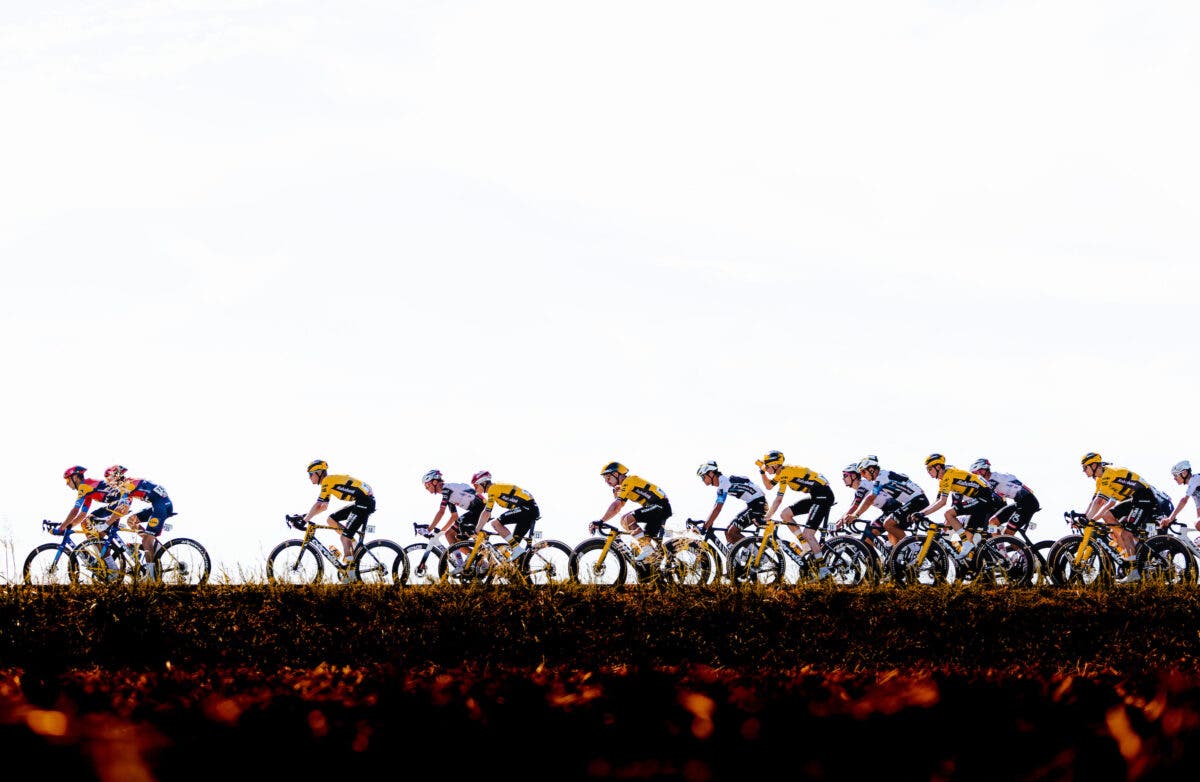 At worst, REDs can be devastating. It’s also relatively straightforward to avoid it. (Photo: Gruber Images)
We asked Rom and Van Hoorn from “Your Diet Sucks” for their key pointers for athletes looking to stay in the green and avoid REDs.
“The unsexy answer: eat enough, eat consistently, and eat carbs,” Van Hoorn said.
“Don’t let ‘perfect’ be the enemy of ‘good enough’ fueling,” she said. “Athletes don’t need to optimize every gram of carbohydrate. They need to consistently meet energy demands, stay flexible, and treat food as fuel rather than reward or punishment.”
Here are Van Hoorn and Rom’s 5 key pointers. Print this out and stick it on your fridge:
Fuel around training. Carbs before hard sessions, fuel during anything over 75–90 minutes, and prioritize recovery nutrition within a couple hours of finishing.
Don’t undereat on rest days. Your body is still working. Feed it.
Watch for warning signs. Persistent fatigue, recurrent injuries, mood changes, disrupted sleep, changes to menstrual cycle (for those who menstruate), declining performance despite training—these are red flags.
Reject the “earn your food” mentality. You need energy to train, not the other way around.
Work with a sports dietitian if something feels off. REDs is insidious because it often feels like discipline. An outside perspective can catch patterns you’ve normalized.
REDs in pro cycling
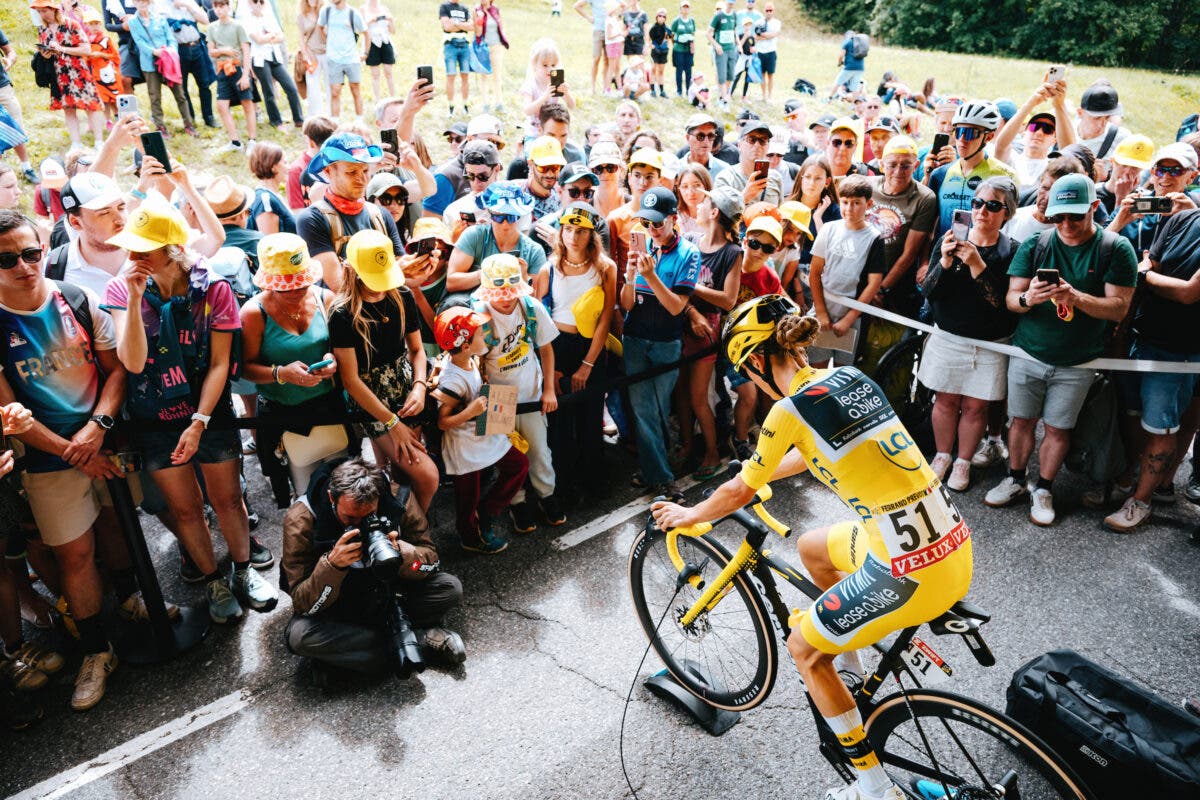 Rider health moved to the center of the conversation at the Tour de France Femmes. (Photo: Gruber Images)
Concerns about rider health, weight, and the pressures of watts per kilo have always been a part of pro cycling. However, they truly barged into the conversation this summer at the Tour de France Femmes.
Pauline Ferrand-Prévot’s pre-race “cut” sparked a furore that extended beyond the sport.
“The weight debate” put added pressure on cycling’s stakeholders to safeguard their athletes.
While the majority of leading men’s and women’s teams are supported by nutritionists and medical teams, some feel there should also be wider oversight.
In 2024, the Federation of Sport Climbing introduced mandatory screenings for REDs. Many in the world of cycling, including the women’s riders’ group the TCA, called on the UCI to follow suit.
Shortly after the Tour Femmes this August, the UCI confirmed in a press release that “it is in the process of finalizing documentation and tools that can be used by team doctors to enable the diagnosis of REDs.”
The protocol will follow that published by the International Olympic Committee, tweaked to fit the cycling context.
Several team nutritionists told Velo that a bunch of box-checking might miss the bigger picture. There’s more to managing REDs and fostering positive relationships with food than some blood markers and questionnaires.
But if they can help raise warning flags, it’s better than ignoring the matter altogether.
My experience of REDs
 I became obsessed with training, getting lean, and am still living with the impacts of an eating disorder and REDs. (Photo: Gruber Images)
When I was at my very mediocre bike-racing “peak,” I became fixated on being thin. It was a simple and cheap way to get faster.
And the more I dialed down my diet, the more fascinated I became by the hollow cheeks and veinous limbs of the Tour de France.
I became obsessed with food, or how to deny myself of it.
I spiraled to the point where I considered every mouthful, counted every calorie, and exerted painful control over what went in my storecupboards.
My body became a bag of bones. And for a time, I got significantly faster.
I also got very cold, very often. I was moodier than I already was. Thoughts about food, eating, and training buzzed around my brain from my fasted morning ride until I turned the light off on my grumbling belly at night.
The wave eventually crashed down very hard and very fast.
In the space of a few distressing months, I stopped making progress in training, became permanently exhausted, and hated everything.
I hid away from the world until a cluster of stress fractures forced me into a series of blood tests.
They revealed a hormonal wasteland.
I stepped away from cycling for some time, went to eating disorder therapy, and tried to gain weight.
In the decade since, I’ve transitioned to a mix of running, riding, and lifting, and have tried to reframe my attitude to food.
I’m not yet in the clear, but after two rounds of intensive therapy, years of introspection, and countless injuries and illnesses associated with being underweight, things are starting to turn around.
However, many of the hormonal impacts of anorexia and REDs remain.
My bones are like chalk. If I raise my running volume too far, my feet crumble. My blood profile is a joke. I’m prone to bouts of intense depression and self-inflicted isolation.
REDs changed my life. I’m hopeful that one day, I will change it back.
Diagnosis and recovery
 Recovery from REDs can be long and complex, but a complete turnaround is achievable. (Photo: Gruber Images)
Athletes who are concerned that they may be suffering with REDs should seek medical advice and consult a qualified dietician. They should also express their worries to their coach, if they have one.
The next steps will be multidisciplinary, beginning with a review of training and nutrition habits and a series of blood tests. Athletes who exhibit any disordered eating behaviors may also be referred to a therapist.
Recovery will be similarly multifaceted, with the ultimate goal of restoring energy availability and addressing any psychological issues.
At a basic level, this will require a reassessment of training frequency and intensity, and a modification to daily diet.
That’s why Ewers had no choice but to step away from pro sport.
After years of trying to train, race, and recover simultaneously, she accepted that something had to give.
“At this point, my body is in a recovery state, and there is no way it will prioritize performance and training adaptation at this point,” she wrote on her Substack.
“Until I am healthy, I won’t be able to perform well, so what is the point?” she concluded.
Recovery from REDs can be short and straightforward.
Or, if you’re like Ewers, me, and many thousands more, it can be long, non-linear, and nasty.
However, whatever the journey, a complete turnaround is achievable.
Resources
Project RED-S Website: Resources and education
REDs in Sport Website: Resources and education
Your Diet Sucks: Podcast
Performance nutritionist Renee McGregor: Substack and contact details
Registered dietician Kylee Van Hoorn: Contact details
Sports and Performance Nutritionist Paul Booth: Contact details