
Updated January 6, 2026 01:36AM
Pro cyclists must wish they could stamp their timecard and clock out like 99.9 percent of the population.
Even in the off-season, pros see little escape from a 24/7 employment that’s governed by self-discipline, abstinence, and physiological suffering.
And those pressures are increasing as fast as the racing speeds and power data of today’s hyper-professional, uber-competitive sport. Riders who don’t push into extremes will get left behind by cycling’s superteam era.
That’s why “burnout” became a buzzword of the 2025 season.
Human Powered Health team psychologist Allie Wagener told Velo that burnout could become a permanent part of the lexicon unless the focus on watts, weight, and CdA is mirrored by the attention to mental welfare.
“The peloton is getting better and more committed every year, and things are getting faster. Teams, staff, riders – the sport needs an understanding that, as performance levels increase, so do the pressures,” Wagener said. “The mental dangers increase just as much as the physical ones.
“And yes, teams are putting more focus on riders’ mental health. But if the sport continues to evolve like this, that current level of focus might not be enough,” said Wagener, who also runs her own Achieve Performance Psychology practice.
Cycling’s high-performance evolution piles pressure onto pros
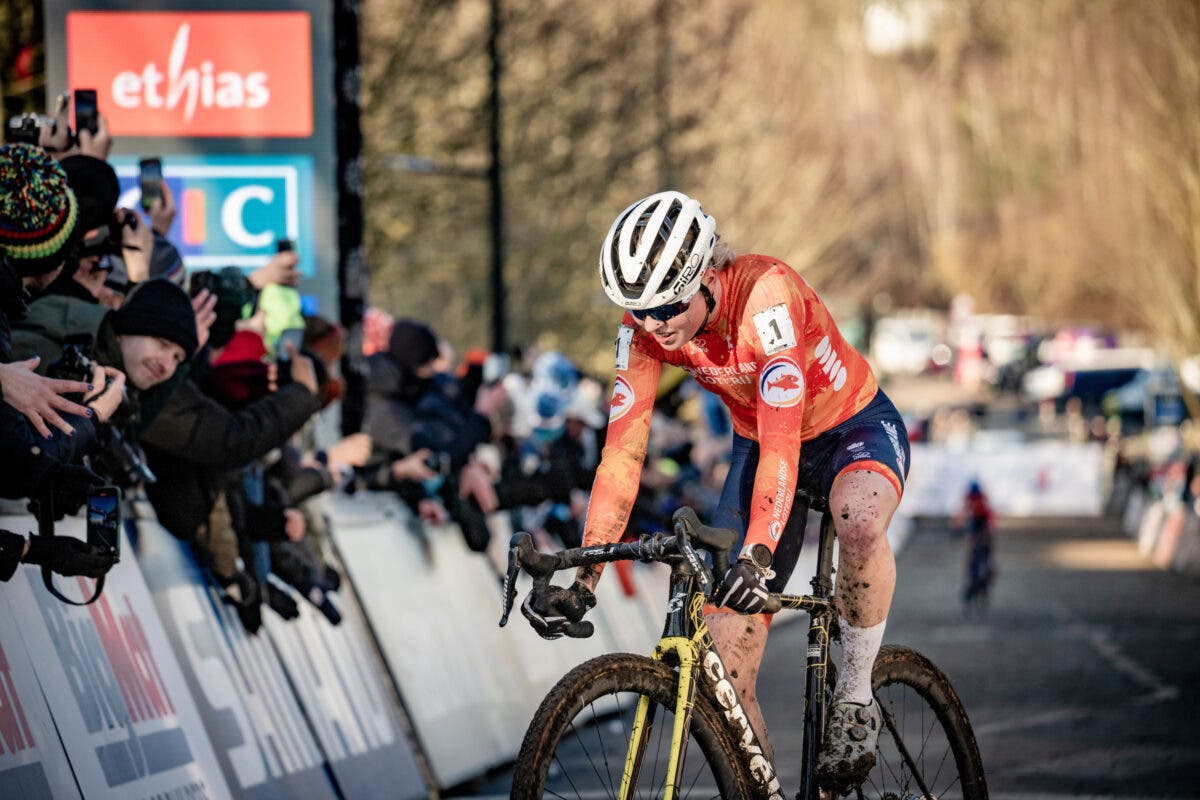 Three time CX world champion put her career on hold at the age of only 23. ©kramon (Photo: Gruber Images)
Wagener wasn’t exaggerating.
Teenagers hit the WorldTour with years of power data on their training log, an HRV band on their wrist, and a perfectly dialed diet. They track their “journey” on an Instagram feed that counts tens of thousands of followers.
Not even Tadej Pogačar, a generational talent with a $50 million contract and an eternal legacy, is safe from cycling’s pressure pandemic.
Injury, fatigue, and the pestering media turned the Slovenian superhero sullen last summer as he closed down on his fourth Tour de France title.
Fortunately for Pogačar, his was only a glancing blow from burnout. He romped to a second world title soon after a vacation put him right.
Not everyone is so lucky.
Multiple cyclocross world champion Fem van Empel recently put her career on indefinite pause at the age of 23.
“The motivation and the enjoyment I have had in cycling for years are missing,” she said, adding that her chase for optimal made her “more of an athlete than a person.”
In fact, a stack of successful sub-30-year-olds retired for good this winter. Performance pressures, racing fears, and biking burnout led them to hand in their bib numbers.
It’s easy to understand these early exits.
Success or failure is all too evident in cycling’s high-performance era.
Power files are scrutinized daily. Macronutrients, sleep scores, recovery rates, body mass, and skinfold centimeters form trend-lines on trainers’ charts.
There’s no escape via social media either. “Likes” and reposts light up the feed of a rider who’s deemed “relevant.” Trolling comments remind those who are not.
How a ‘stress bucket’ can help beat burnout
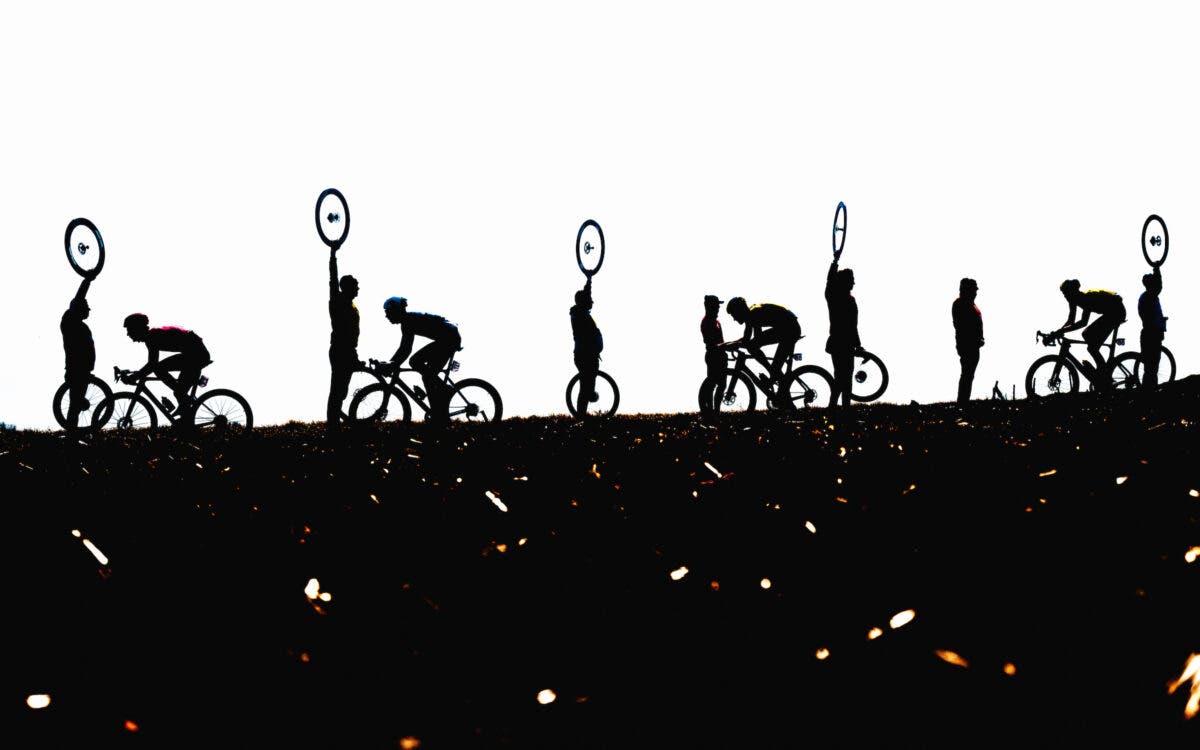 Team psychologists help riders understand what fills their ‘stress buckets’ and how they can prevent overflow. (Photo: Gruber Images)
Team psychologists are scrambling to stop more cases like that of Van Empel.
“More now than ever, the sport needs to be preventative but also be prepared for [psychological] problems if they do arrive,” Wagener said.
“Being able to help earlier means riders might be off for a week or two rather than a month or a year. It cannot be reactive,” she said. “This needs to be a proactive approach.”
Nikki Crawley works with the men’s and women’s EF Education teams and is a part of the Changing Minds psychology organization.
She explained to Velo that helping riders understand their triggers is crucial to this proactive approach to mental health.
“We try to help athletes understand what their key sources of stress are, and what adds water to their ‘stress bucket,’” she said. “That also helps them understand their coping mechanisms – what are the ‘taps’ that they can use to offload and reduce some of that water.”
The “bucket” concept is widely used by practitioners to help individuals conceptualize mental load.
For riders, bad training data or sleep scores could fill their stress bucket just as fast as relationship issues or family worries.
A rider who’s aware of their bucket filling too quickly can open the taps before it overflows.
“Typical red flags I’ll see with athletes are if their sleep is interrupted, or if they’re developing a difficult attitude to food,” Crawley said. “Or you might see them overtraining, undertraining, or not recovering.
“There are a lot of warning signs that can show up, but they are different for each person,” she said.
What we can learn from how pros navigate burnout
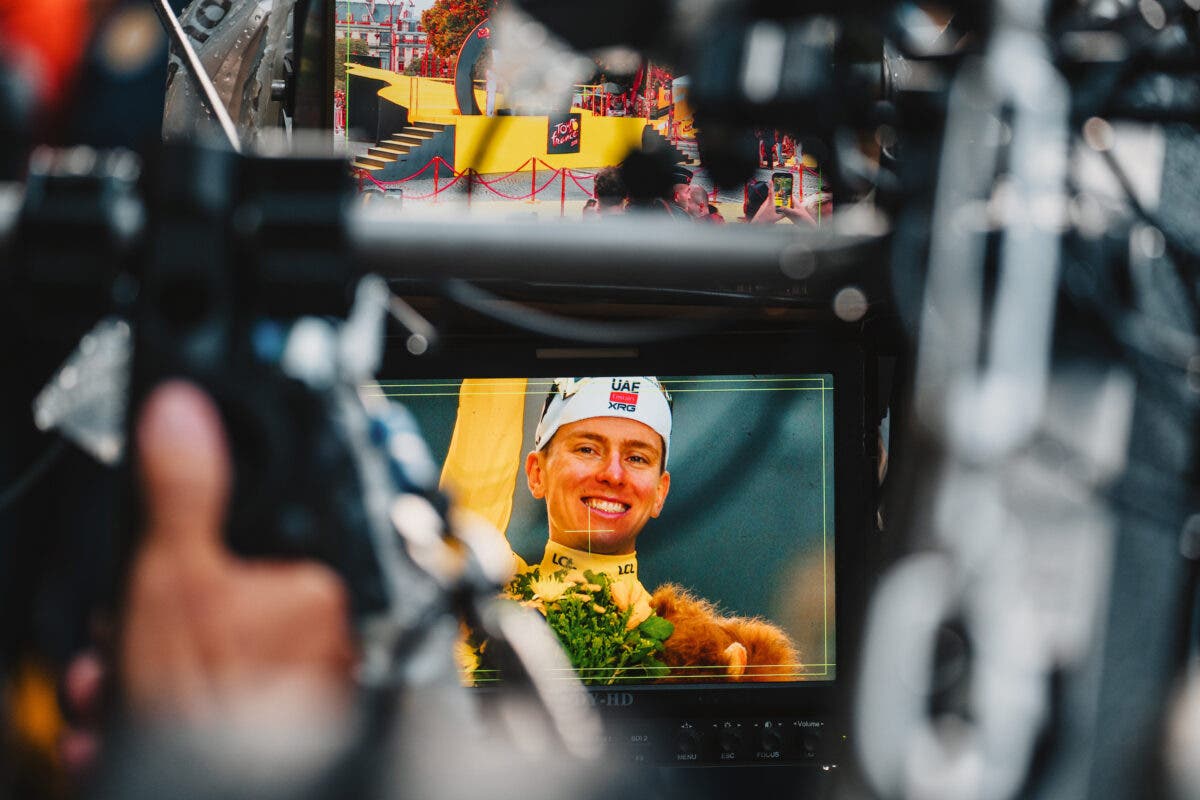 Even cycling superhero Pogačar had a brush with burnout in 2025. (Photo: Gruber Images)
Burnout can end a pro’s career.
But cycling can overwhelm us weekend warriors, too.
Anybody hell-bent on hammering their next gravel fondo, evening crit, or Zwift race while balancing work and family can get beat down by cycling’s all-consuming lifestyle.
Here’s what we can learn from how pros overcome three issues shared by all cyclists:
1: Bad legs and bad data
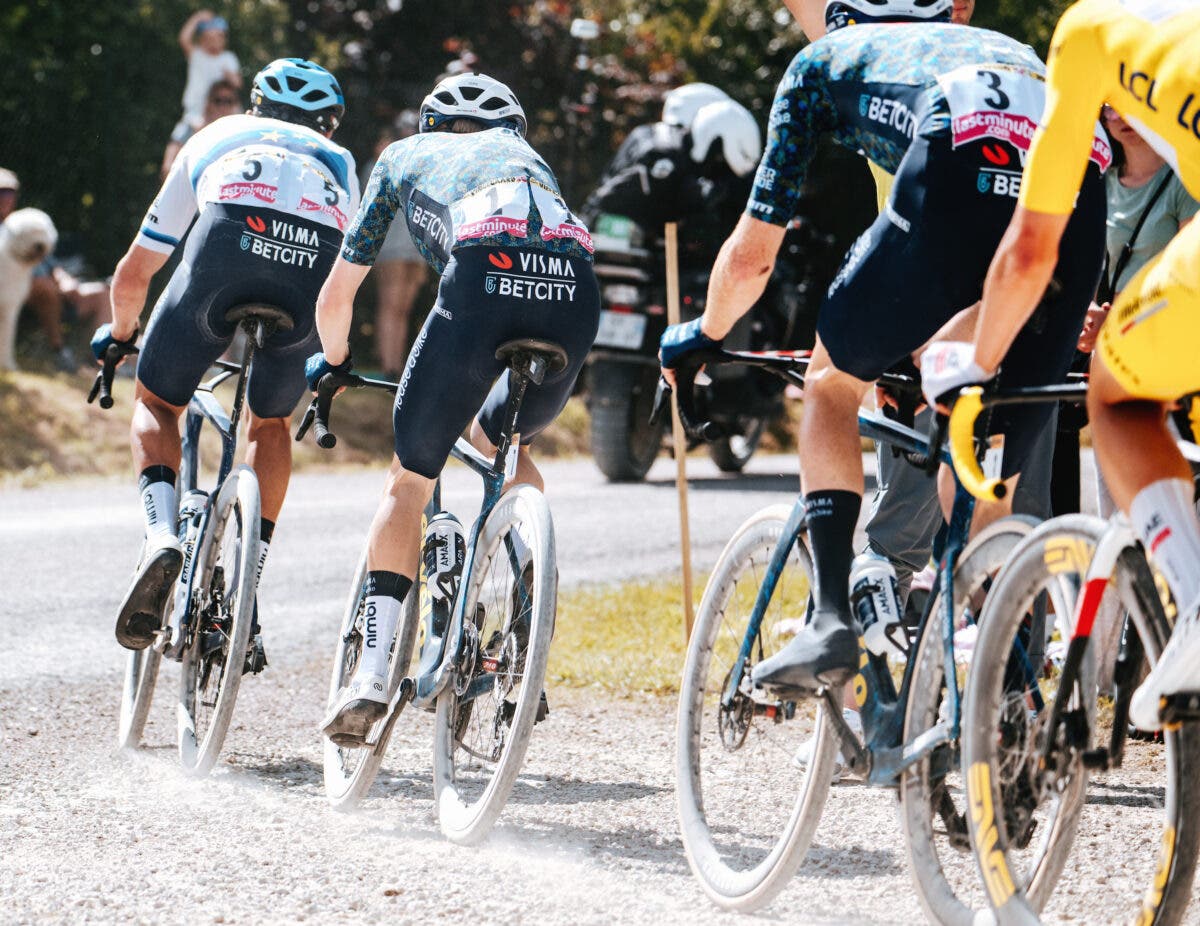 If you feel down after a bad workout, imagine how the pros must feel when they can’t hit the numbers. (Photo: Gruber Images)
The only thing more demoralizing than bad leg day is seeing exactly how badly you sucked on the workout file. Scrolling the stats from those under-power, heinous heart rate intervals can spark a spiral of self-loathing and self-doubt.
At the pro level, it’s not only watts that cause worry.
All the mental and physical problems that can spiral out of the chase for “race weight” became painfully clear last season at the Tour de France Femmes, and more recently in the self-sidelining of Veronica Ewers.
Both Wagener and Crawley encourage riders to take a holistic view of performance that goes beyond the power meter and weight scales.
“It can be dangerous to feel like you’re always being evaluated and chasing numbers. This is why it’s important to have different types of goals,” Crawley said.
“Data is very outcome-orientated. It can help for athletes to have clarity over the processes they’re going after, too.”
Processes and outcomes
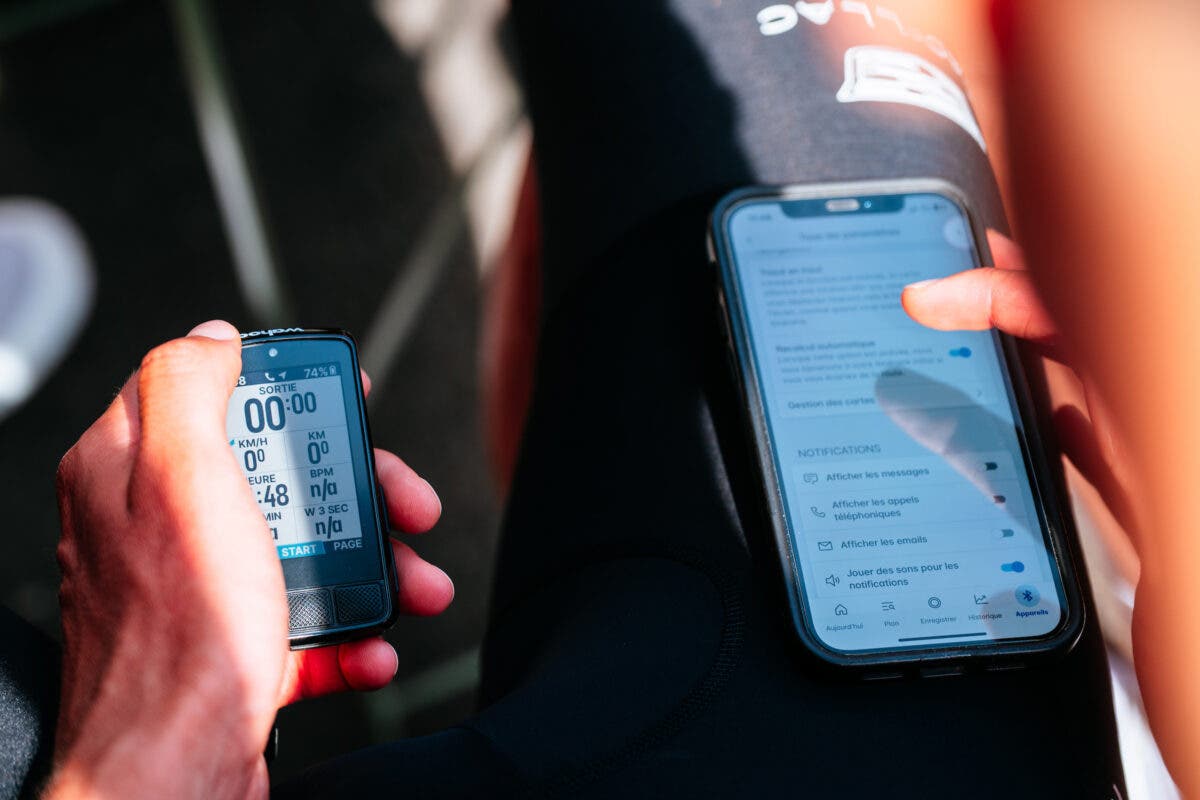 Riders are encouraged to assess performance with measures beyond hard data. (Photo: Gruber Images)
In the WorldTour, workouts are often laced with “process goals.” Form, positioning, and fueling discipline are common examples.
For us amateurs, on-bike processes could be complemented by longer-term targets around consistency, recovery, or sleep. This helps to shift focus from data outcomes and typically leads to longer-term success.
The mindfulness a rider needs to conceptualize their “pressure bucket” has a key role in this layered approach to performance.
“It’s great that we have raw data to keep elevating the sport, but it can also be a sole focus of pressure,” Wagener said.
“We want riders to actively recognize when they’re becoming overly focused on data or feel pressured by it. How do they notice those feelings and not get attached to them?”
As we’ll explore further below, this self-awareness also helps preserve a rider’s sense of self.
“We want riders to see beyond data as a measure of performance, and definitely not to tie it to their worth as a person,” Wagener continued. “We ask them to consider their role as a teammate and remind them of their life outside of the sport – maybe they’re a parent, wife, or husband.”
Consider Van Empel.
Her whole identity became inextricably entwined with her life as an athlete. Only time away from the sport could force a separation.
2: Strava, Insta, and social media comparison
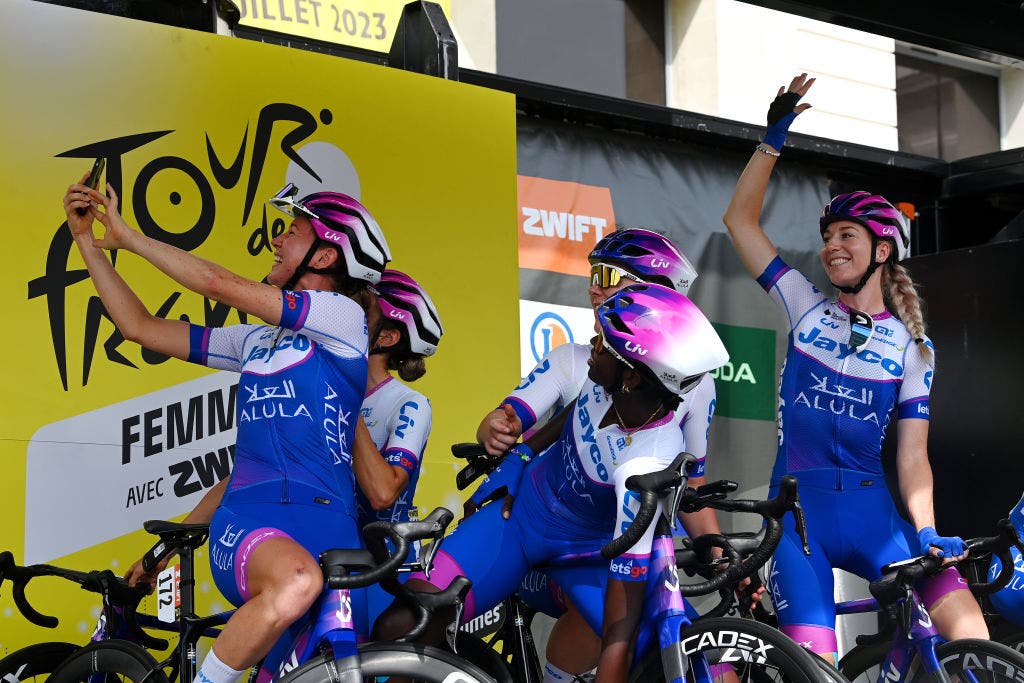 Even pros wants some shots for the ‘Gram. (Photo: Tim de Waele/Getty Images)
Training data provides a rider with a painful source of comparison to their recent selves.
Social media widens the reach of this comparison trap.
A surprisingly large proportion of pros join us amateurs in sharing power data on Strava. The mega-watts of a perfect workout are there for friends, colleagues, and rivals to ponder.
Likewise, Instagram and TikTok feeds boast of PRs from a breakthrough session and share postcard panoramas from a blue-sky long ride.
Mediocrity doesn’t make it onto these finely manicured feeds.
For some, social media can create a perfect storm of inferiority complexes and disordered behaviors.
Crawley at EF Education-EasyPost suggested that simply logging out isn’t a long-term solution to problems provoked by apps like Strava and Instagram.
“It’s not as simple as just avoiding social media,” she said. “Instead, we want riders to be aware that they might feel more vulnerable, or might allow their inner critic to speak louder, when they look at social media.
“We want them to get to know that critical voice and understand it. That helps them manage [the critical voice] through strategies that distance them from it,” Crawley said.
Dismissing self-doubt can help riders build psychological resilience.
“Social media can intensify any difficult thoughts someone might already have. We want riders to be aware of how they’re impacted by what they see, but not get attached to it or see it as an indicator of self-worth,” said Human Powered Health’s therapist Wagener.
“That’s when it really comes back to a rider knowing their ‘why,’ their ‘purpose,’” she said.
3: The blurring of identity, and burnout
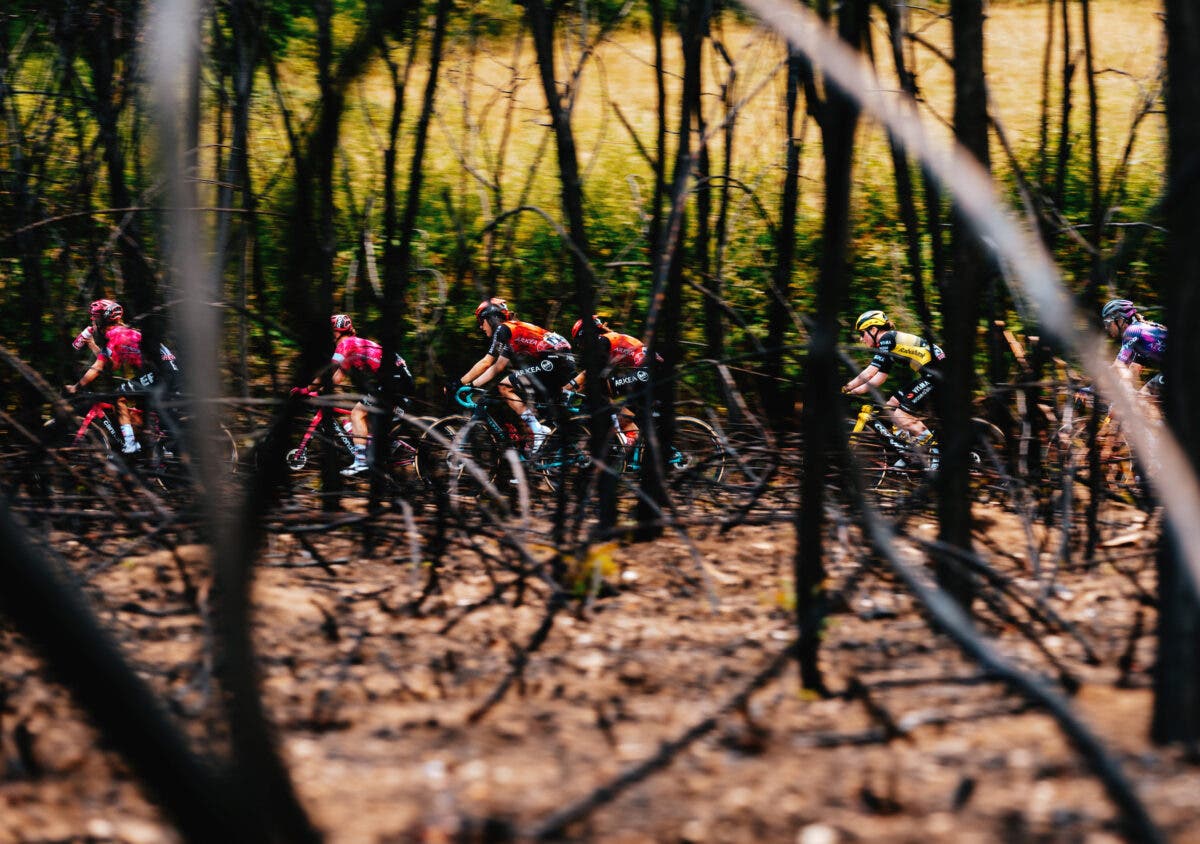 The 24/7 demands of pro cycling can devour riders and trouble their self-identities. (Photo: Gruber Images)
The dangers of data and social comparison are symptoms of cycling’s overarching problem. The sport’s 24/7 demands can swallow the individual and leave only an athlete shell.
This “identity crisis” puts riders on the precipice of burnout.
“An athlete’s whole identity can get tied up in the idea of them ‘being a rider,’ and they become entrenched in the sport. That’s not a sustainable place to be,” Crawley told Velo. “So we’re really trying to help them to understand they’re not just a rider. What else gives them joy or sources of excitement outside of racing or training?
“To be happy, athletes need ways to hold self-worth beyond their sport,” Crawley said.
For Wagener and Crawley, maintaining interests beyond the bike is key to career longevity.
For some, that’s cooking, blogging, or perfecting the art of a barista. Mathieu van der Poel can’t stop swinging a golf club.
“Doing something totally different is really important in preventing identity from being solely tied up in being “a rider” and the sport,” Crawley said.
This dissociation can be problematic. Success in pro cycling requires utter commitment and a tolerance for sacrifice.
And that’s why the off-season is becoming increasingly important.
The beach holidays and visits to NBA games restore a few percentages of normalcy before it starts all over again at the Tour Down Under.
Sadly though, the winter holiday is only a sticking plaster for issues intrinsic to professional sport.