
Updated January 26, 2026 11:21AM
Step away from the greens powder. Put down the bottle of muscle-building mega-tablets. Unlike what your Instagram feed may have you believe, cyclists really don’t need all the supplements.
Even in the 30-hour training weeks of the WorldTour, supplementing health and performance is kept simple.
“There’s a lot of hype about this or that supplement out there, and it gets louder all the time. But in reality, a lot of it is B.S.,” Red Bull-Bora-Hansgrohe team nutritionist Will Girling told Velo.
“We keep to what’s proven, what’s needed, and what’s cost-effective.”
So what is proven, necessary, and cost-effective for endurance athletes?
We spoke to nutritionists, riders, and trainers to find out what a typical pro cyclist’s “supplement stack” might look like.
And guess what?
Supplementing elite endurance isn’t as costly and complicated as the carefully crafted marketing campaigns might have you think.
The IOC’s ‘Big 5’ of supplements, and which work for cyclists
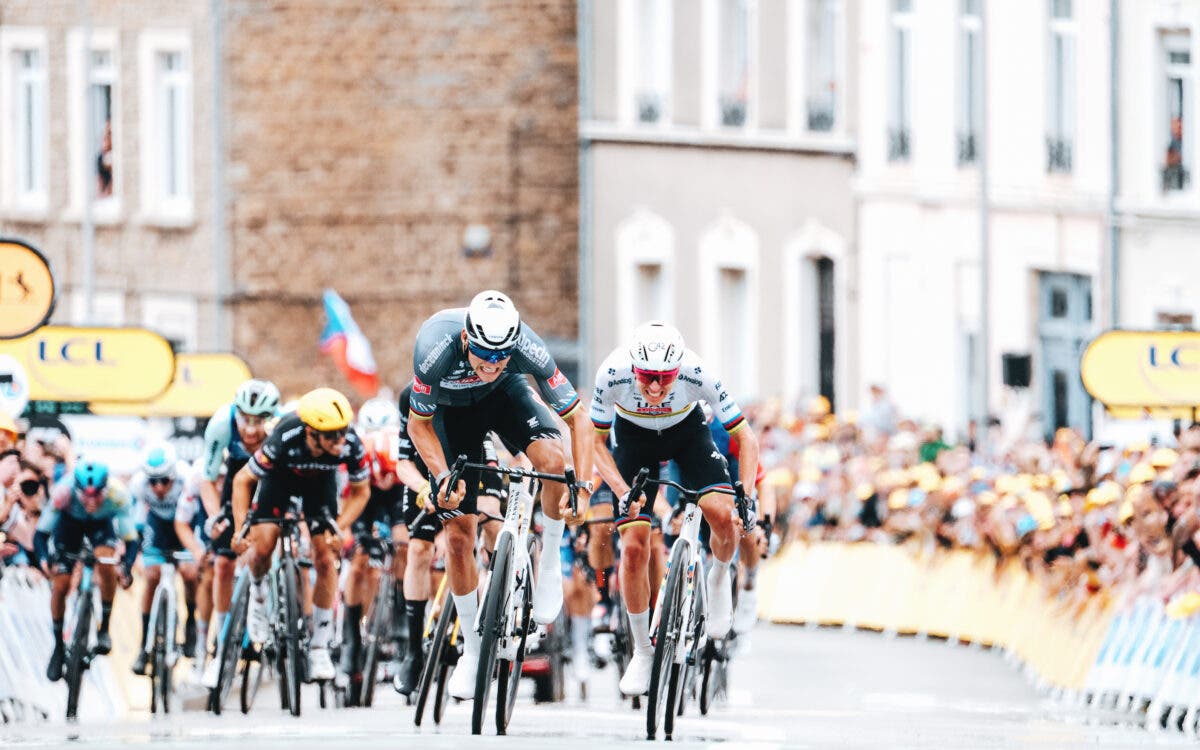 The 5 supplements endorsed by the IOC don’t all offer benefits for cyclists. (Photo: Gruber Images )
In 2018, the International Olympic Committee published a landmark “position statement” on all-things supplements.
Within that weighty tome was a list of five performance supplements that are definitely worth an athlete’s time.
Yes, only five.
This “Big 5” of caffeine, creatine, sodium bicarbonate, nitrates, and beta alanine are proven to work, are proven to be safe, and are approved by WADA.
And while pro cycling is basically a different sport from the year when Peter Sagan (remember him?) won Roubaix, the sporting community’s stance on ergogenic aids is largely the same.
In 2026, the Big 5 are still the proven kings of sports supplements.
That said, only three of them are regularly used by pro cyclists.
IOC no.1 – Caffeine: Peloton-approved
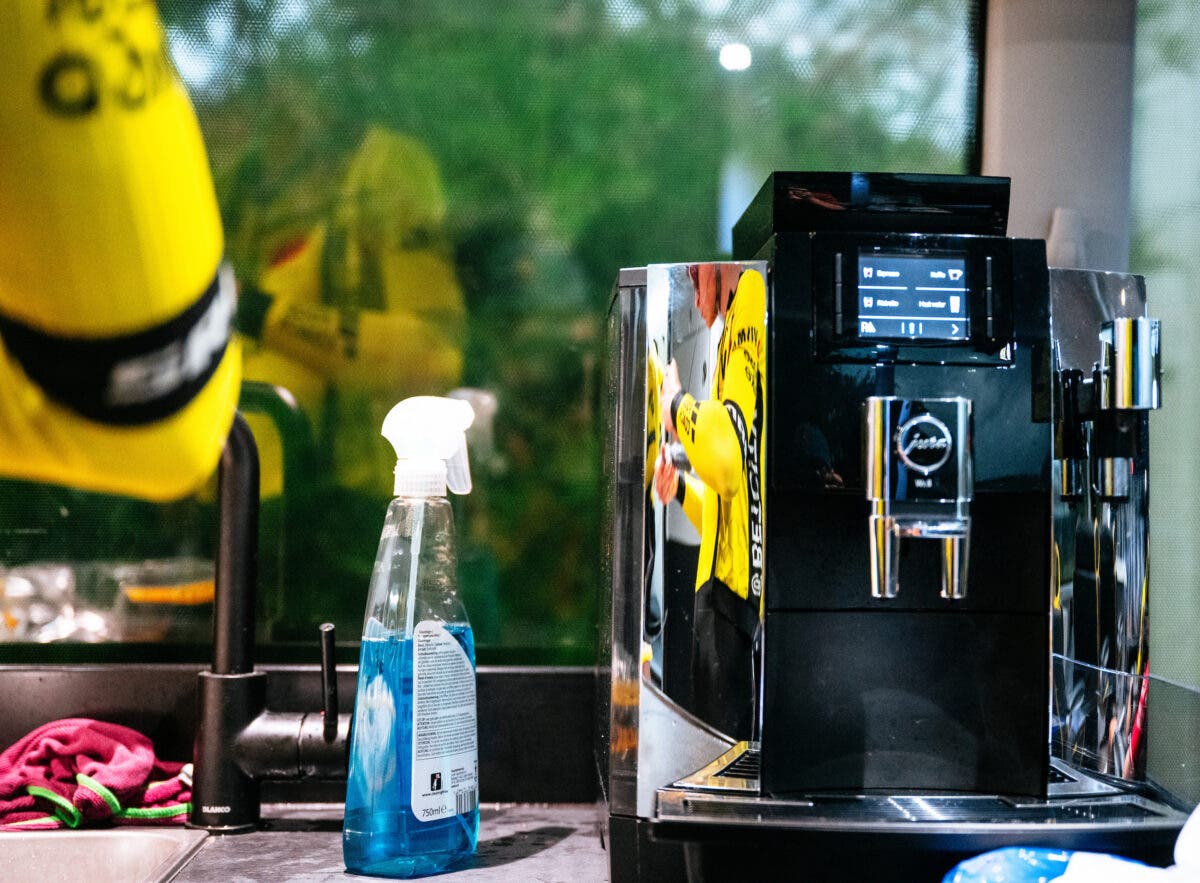 Forget the steering wheel and engine – This is the most important element of the Visma-Lease a Bike team bus. (Photo: Gruber Images)
You won’t spill your coffee in surprise when you read about the wonders of caffeine.
It lowers the rate of perceived exertion, boosts mental acuity, and can prolong time to fatigue.
And all the better, it’s cheap, easy to use, and can be damn tasty.
That’s why there’s an espresso machine in every team bus and a caffeine gel in every jersey pocket. Even athletes who can’t stand the bitter burn of coffee will turn to caffeine for a pre-race boost or a final-hour kick.
A few caveats? To crush caffeine like a true pro, consider your timing, dosage, and delivery method.
The general consensus is that athletes require 3-6 mg/kg of body mass for peak effect.
Some athletes may feel a greater effect from caffeine chews and tablets than from gels or drinks.
And while you might feel an immediate buzz from your cortado or chew, caffeine requires around an hour in the system before it truly kicks.
Also, consider the conditions. Girling recommends that his athletes lower their caffeine doses during extreme heat due to its impact on thermoregulation.
IOC no.2 – Creatine: Peloton-approved
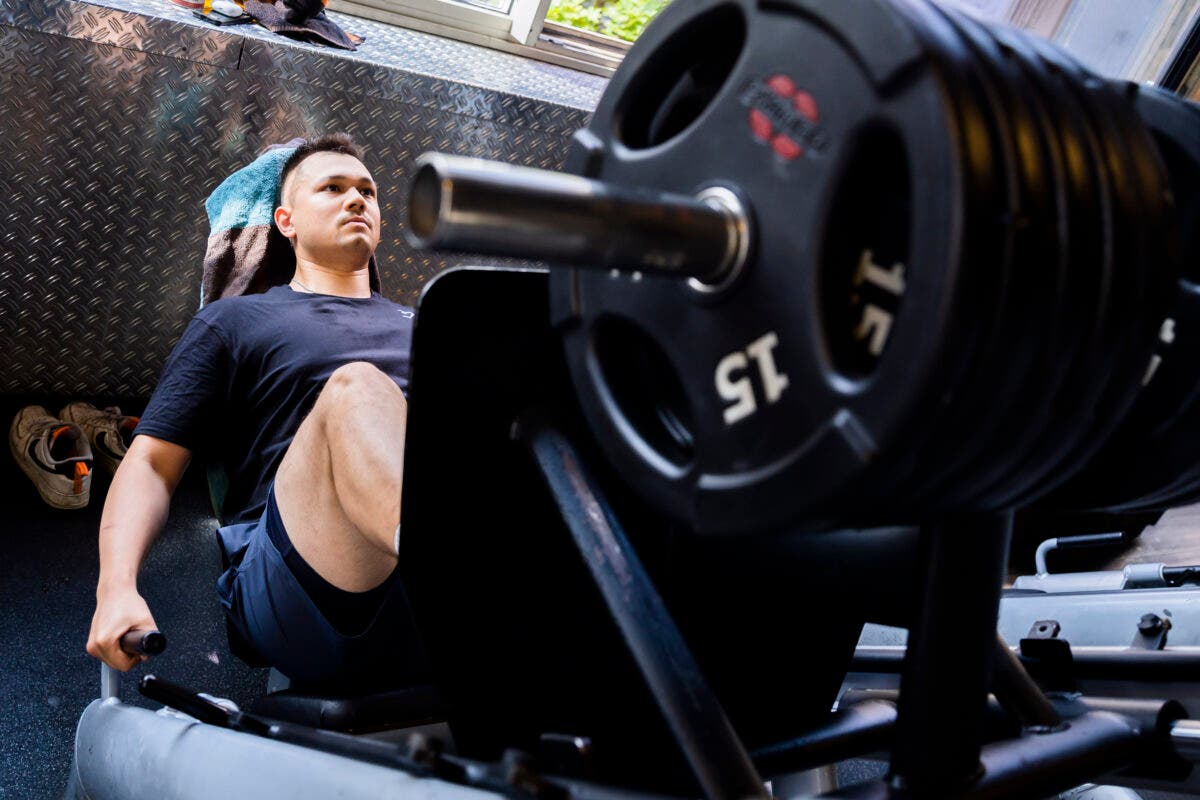 Creatine is moving out of the weight room and into pro cycling. (Photo: Christoph Soeder/picture alliance via Getty Images)
Creatine emerged from the weight room to become the most hip performance and wellness hack of 2025. From influencers and business gurus to world-class endurance athletes, Western society couldn’t get enough of it.
And why not?
While creatine primarily benefits short-burst power, it’s also proven to boost memory, mood, and focus.
This recent “creatine revolution” extends to modern endurance. It’s become far more common to find creatine monohydrate pills or powders in athletes’ kitchen cabinets.
It supports year-round strength training, can be beneficial for the repeated surges of road racing, and is thought to improve recovery.
However, the fear of “creatine bloat” continues to divide athletes in weight-governed sports. Supplementation can cause some water retention and unwanted weight gain.
In pro cycling, sprinters and classics riders generally use creatine all year. A few extra pounds are the least of your worries if you’ve got to chase Mathieu van der Poel across the pavé.
Riders more concerned about their watts per kilo might cycle on and off during specific phases of the training plan, for example, during Vo2 Max or strength blocks.
For what it’s worth, I’ve been taking the widely recommended 5mg creatine per day, every day, for around 18 months. It put kilos onto my squat and deadlift, and watts onto my FTP. Better still, there was no detrimental impact on my w/kg.
James Moran, nutritionist at Uno-X Mobility, told us that some of his skinnier riders reported similar benefits.
For athletes of a certain profile, the power gains of creatine can more than offset any bulk.
IOC no.3 – Sodium bicarbonate: Peloton-approved
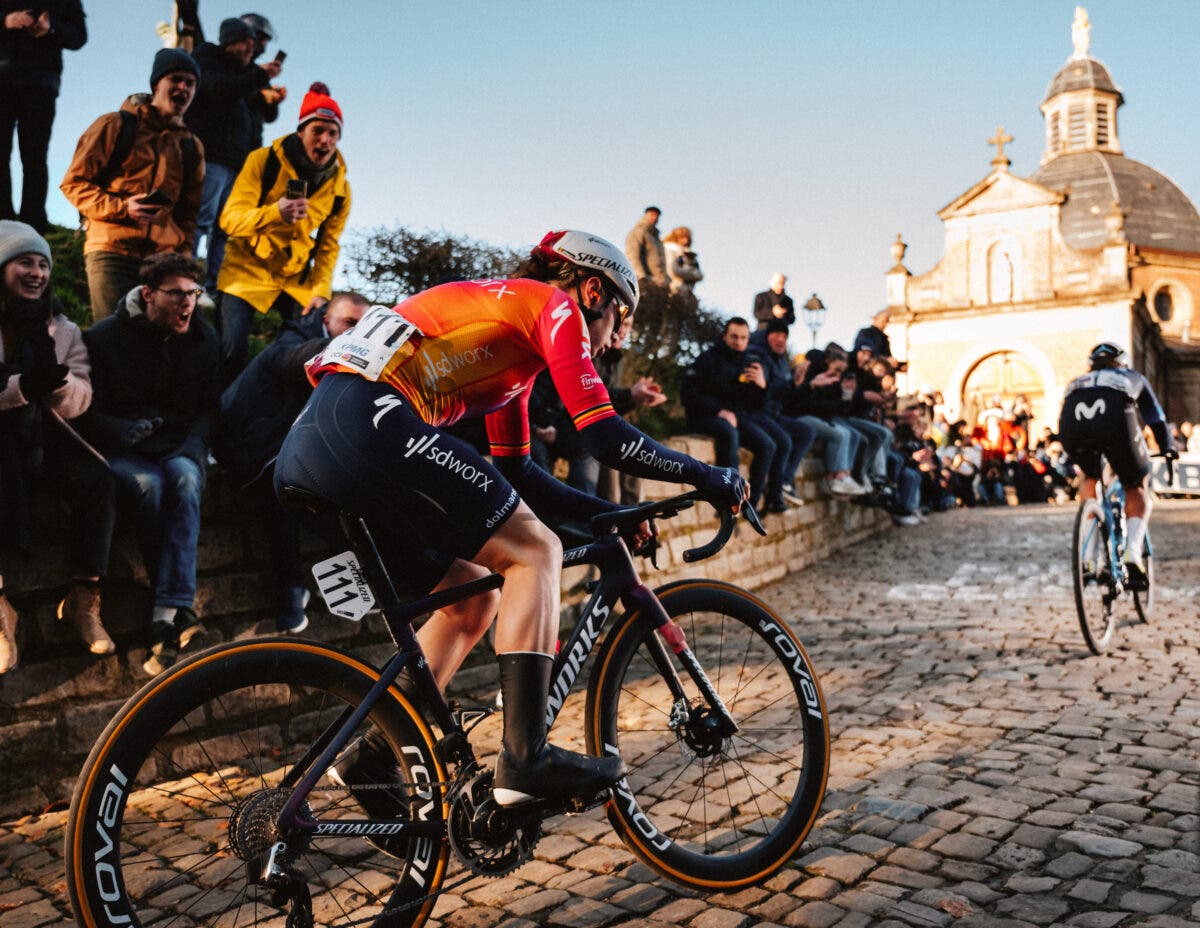 Riders on SD Worx and Visma helped Maurten test and refine its bicarb system. (Photo: Gruber Images )
Sodium bicarbonate has been a go-to for generations of time trialists, track sprinters, and 100-meter runners.
A spoonful of humble baking soda buffers hydrogen ions in the blood and fends off the fizzing burn of short-duration, high-intensity activity.
But there’s growing scientific and anecdotal evidence that sodium bicarb is good for long-haul endurance, too.
Pro cyclists find it effective for easing the sting of repeated surges in road racing, and triathletes and ultra-marathoners believe it prolongs time to exhaustion.
The downside?
Bicarb could make your bibs go brown. The abrasive powder can provoke severe G.I. distress.
That’s why Maurten’s Bicarb System blew up the world of endurance with its unique delivery method. Maurten’s bicarb goop extends the window of effectiveness and is stomach-safe.
But for many, the price of the pioneering “system” is prohibitive. Many pro teams have turned to enteric capsules as a slightly less effective second option.
If you’re bicarb curious and feeling brave, you could always go old-school with a jar of your mom’s Arm & Hammer. Taking 0.2-0.4g per kilo body mass is considered to be optimal. Mix it into water and slurp it down around 90 minutes before your workout, ideally with a small dose of carbs.
Good luck.
IOC no.4 – Beta alanine: Not worth the bother
 Relatively few riders supplement with beta-alanine. (Photo: Gruber Images)
Beta-alanine isn’t considered a “front-line” supplement in pro cycling, and it’s seldom recommended to amateur cyclists.
Beta-alanine is proven to buffer blood acidity and support efforts of up to ~30 minutes, but the impact is limited and highly individual. Nutritionists we spoke to said many of their athletes are non-responders.
So save your bandwidth for something more worth the bother.
IOC no.5 – Nitrates: Not necessarily for pros, but maybe for you
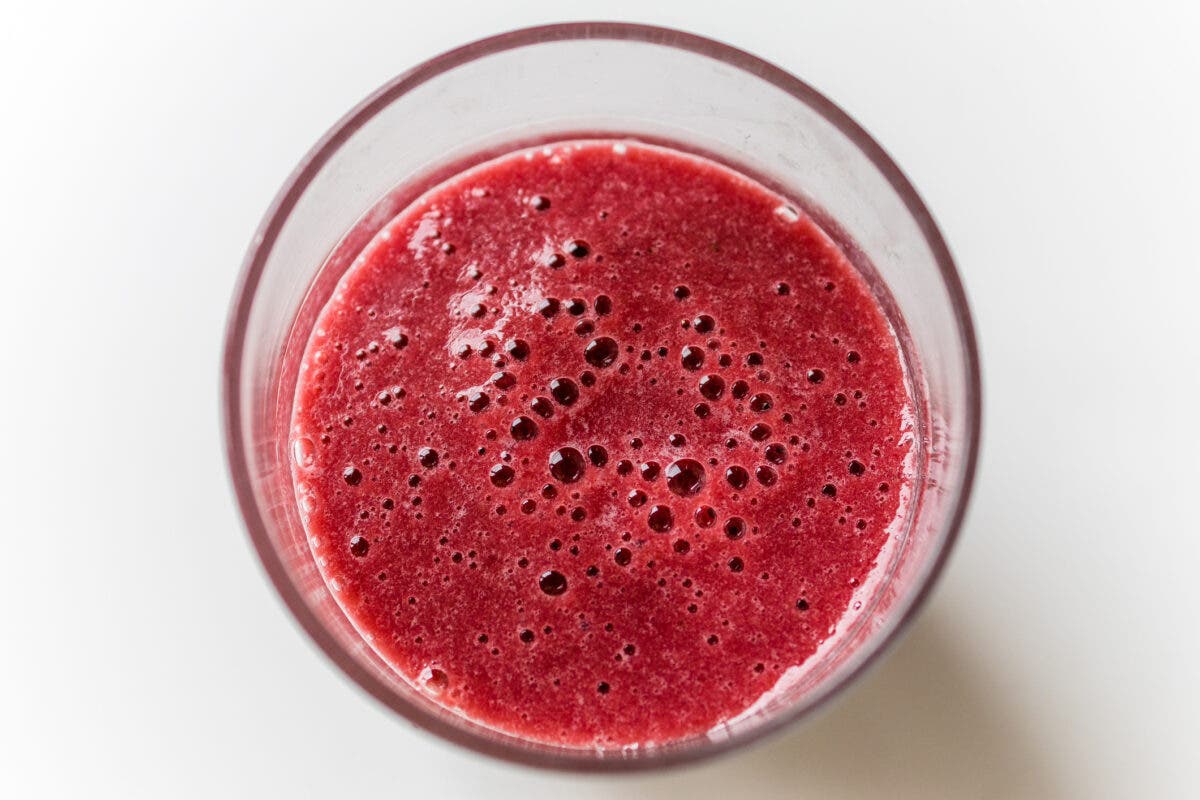 Pro cyclists find little benefit from nitrate supplements, but sorry, beetroot haters, it might work for you. (Photo: Getty Images )
Remember those pre-Pogi days when nitrate-loaded beetroot shots were all the rage?
Well, it seems that nitrates are no longer part of every elite endurance menu.
“There’s good evidence for nitrates in intermittent sprints, but the conclusions are mixed when you apply that to guys like ours with a VO2 Max of 70, 80,” Moran told Velo. “I’m not a big believer in using nitrate at our level of performance. So we don’t.”
But that’s not to say nitrates are a “no” for everybody. Peter Leo at Jayco-AlUla said they’re a staple of his team’s performance program.
And even Moran is less negative about nitrates for amateurs.
It’s well-established that less-trained athletes experience a reduced oxygen cost of exercise after nitrate-loading, which benefits muscle contractility and repeat sprints.
Whether the benefit of beets outweigh the turmoil of tasting the rancid concentrate shots is another matter.
Where’s the protein powder?
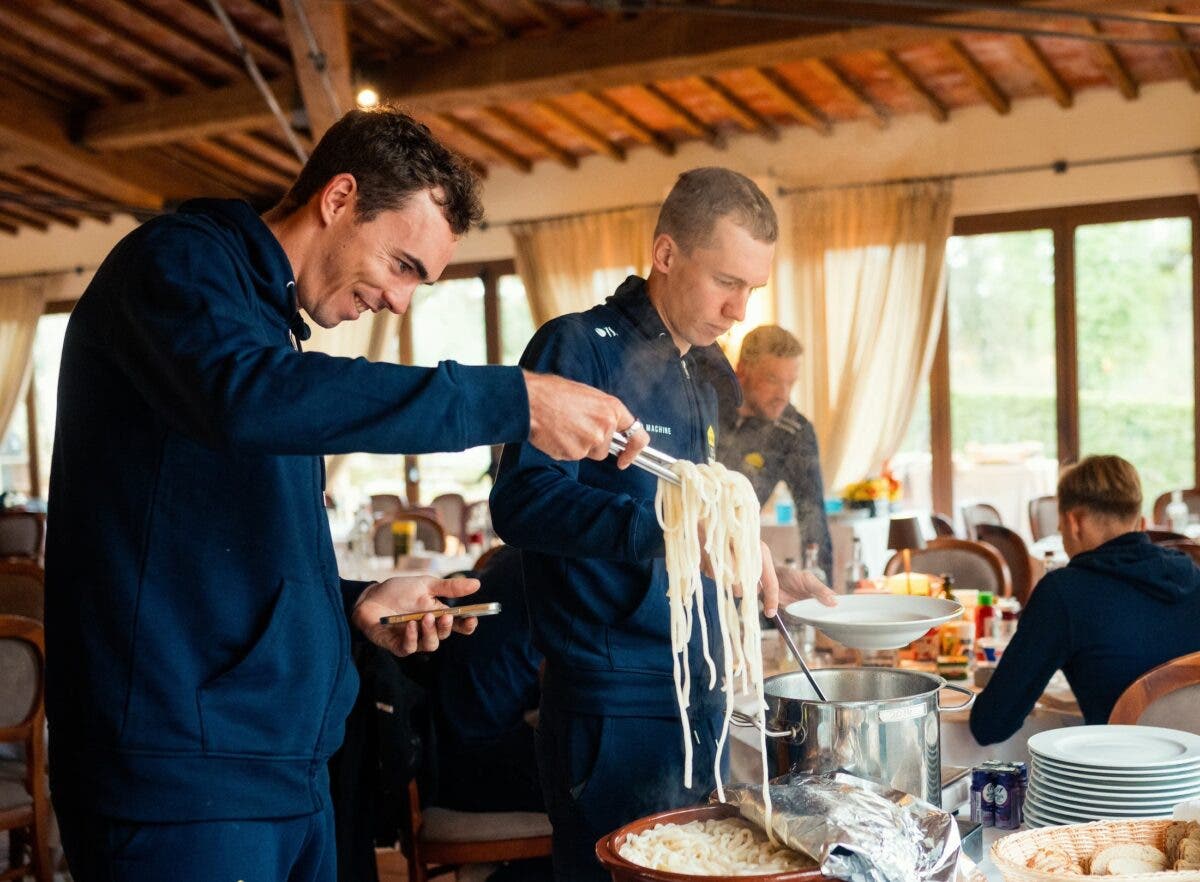 Pro riders typically eat their protein rather than drinking it in a shake. (Photo courtesy Visma-Lease a Bike)
The IOC’s 2018 position statement is well overdue for a renewal. And when it does, you can be sure that the 5 in ‘Big 5’ will become 6, 7, or 8.
Many believe no.6 should be protein and collagen powders. They’re proven to be effective and safe, and they’re legal.
But don’t expect to find tubs of protein powder in the pro cycling pantry. And that’s despite the fact that endurance athletes need as much protein as the anabolic monsters in the weight room, ideally around 2g protein per kilo of bodyweight.
A pro who’s adequately supporting their regular training load will be eating so much – maybe upward of 4,000 calories per day – that they achieve their protein goals the “natural” way. And if not, they’re told to “supplement” with some goddamn eggs, chicken, or soya before they scoop a processed alternative.
There are, of course, times when protein powder does get the pass.
Carbohydrate-heavy protein recovery mixes are pounded after every workout. And straight-up whey, casein, or vegan protein shakes may appear in the depths of a grand tour.
“If a rider is really tired, or has lost their appetite during a heavy block, protein powders have a place. Sometimes the guys just can’t eat enough,” Leo at Jayco-AlUla told Velo.
Amateur cyclists should eat protein before supplementing it
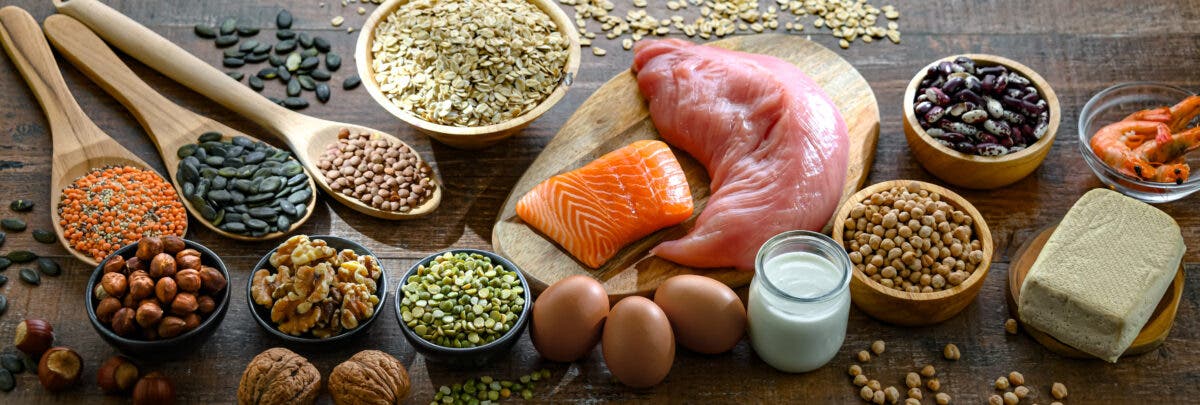 Nutritionists advocate for a food-first approach to protein. (Photo: Getty Images)
The nutritionists we spoke to advocated a food-first approach to protein for amateurs, too.
“I’d be looking at an athlete’s diet to see if there’s enough good protein at breakfast and lunch, and not only at dinner, before I recommend a powder,” Uno-X nutrition guru Moran said.
“Even when a rider is eating enough calories, I commonly see big gaps in these early protein windows,” Moran told Velo.
This anti-powder philosophy may not always apply to vegan and vegetarian athletes, or those who are chasing race-weight or rehabbing injuries.
But still, supplementation is considered a last resort.
Ketones, cherry juice, broccoli, and beyond: The next generation of supplements for cyclists
There’s a whole shelf of performance supplements below the “Big 5” that are endorsed by many but laughed off by some.
For the skeptics, the science is too mixed, or the studies are too minimal. But for the believers, there’s no holding back.
Ketones: Used by the monied
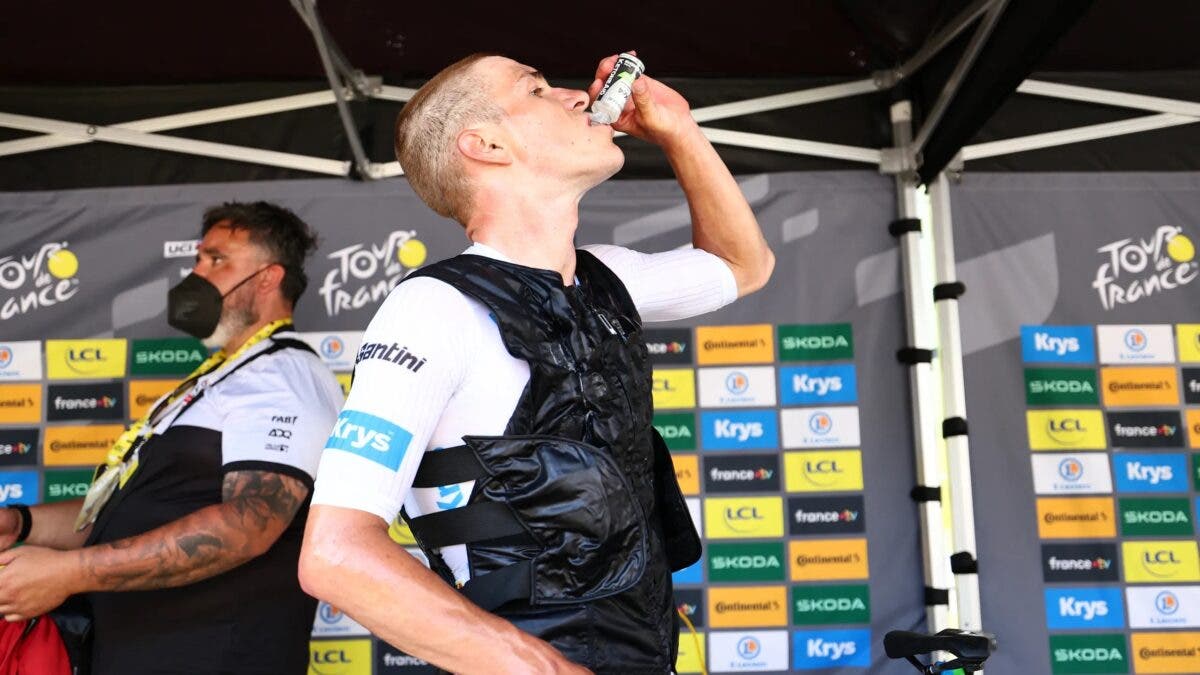 Several WorldTour teams, including Evenepoel’s former Quick-Step team, have ketone partners. Those who don’t are put off by the cost. (Photo: Getty Images )
Ketones are perhaps the best example. No other supplement has provoked more consternation, debate, and division than these controversial esters.
Ketones were originally considered a mysterious and maybe dangerous endurance fuel that would preserve carbohydrate.
More recently, biohackers and businessmen have turned ketone-crazy after studies proved they provide a cognitive boost. There’s also growing belief that these artificial esters support athletic recovery.
These new findings made ketones so mainstream that you can find them alongside the Clif Bars and GU Gels at your local health food store.
But just because they’re accessible, that doesn’t mean they’re widely approved. The UCI recommends against them, and the “clean cycling” group condemns their use.
They’re certainly not cheap, either.
One nutritionist told us they’d need to spend around $10k if they wanted their athletes to use ketones during the three weeks of the Tour de France. As Girling at the $50+ million Red Bull super team told us, the expenditure on ketones is “obscene.”
“Even from a team perspective, I think that money could be utilized so much better in other areas,” he said.
And more significantly, some studies suggest ketones have no impact on, or potentially worsen, endurance performance.
That’s why many WorldTour teams think the cost-benefit equation for ketones doesn’t stack up. Others rely on partnerships with ketone suppliers or limit their use to specific riders.
Cherry juice and blackcurrant tablets: Used by many
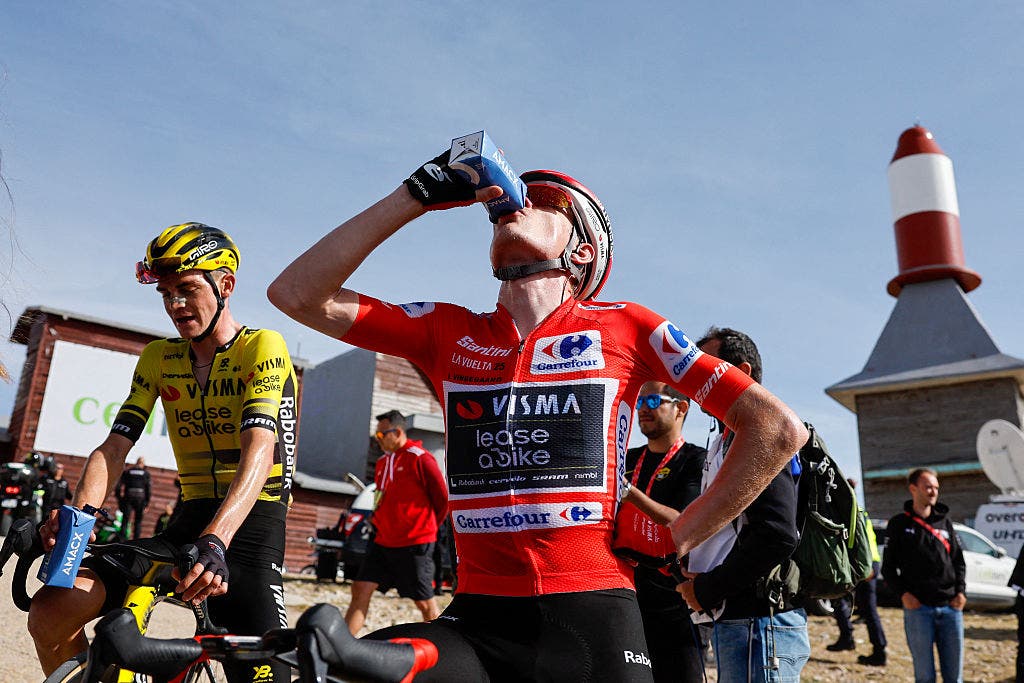 These blue bottles of Amacx cherry juice were everywhere this summer. (Photo: OSCAR DEL POZO/AFP via Getty Images )
There’s no such divide or debate about polyphenols. It’s hard to get angry about cherries, after all.
The polyphenols found in these delicious dark berries can reduce muscle damage and improve recovery after intense exercise.
And that antioxidant effect is an intoxicating prospect for sports nutrition brands and athletes alike. That’s why concentrated cherry and blackcurrant were everywhere in 2025.
So many riders were swigging cherry juice at finish lines that it could have been a meme. Those who didn’t get a tart cherry fix used CurraNZ’s increasingly popular blackcurrant extract capsules instead.
But consumer, be warned.
Polyphenols are proven to work, but they’re a half-percenter at best. Drink your chocolate milk and get a good night’s sleep before you start stocking up on these red recovery elixirs.
Broccoli shots: Maybe?
 Mads Pedersen and the elite running community can’t get enough of Nomio right now. Some cycling team nutritionists don’t believe the broccoli hype. (Photo: Gruber Images )
Nomio broccoli drink is another hotly hyped food derivative. There’s still a scarcity of solid evidence, but the running world cannot get enough of this bitter green drink that claims to reduce lactate by 12 percent.
And while Nomio hasn’t broken into world cycling in the way that cherry juice has, it’s starting to gain traction.
Mads Pedersen strongly endorses it, and the brand told Velo it will soon sponsor a WorldTour team. Presumably, that’s not the team employing the nutritionist who told us Nomio is “overmarketed nonsense.”
Supplements to support health and immunity
 Supplementing for general health is individual, but there are common themes.
Just like there are relatively few performance supplements in use by the teams we spoke to, there are relatively few vitamins and mineral tablets, too.
Vitamin D, Omega-3, Magnesium, and Zinc were the only recurring themes among those we contacted. In the Women’s WorldTour, Iron is added to that list.
This minimalist approach isn’t common to the entire peloton.
“Some teams are taking a whole sweetshop,” one nutritionist said.
And of course, there is no one-size-fits-all solution to supplementation.
The five vitamins mentioned above are widely recommended for all active individuals, but specific health conditions or deficiencies may demand more. Riders at risk of anemia or osteopenia will have their own specific prescriptions, for example.
Prebiotics and probiotics are also considered essential for elite endurance, particularly the former. A prebiotic proactively feeds the microbiome to promote good gut health, whereas a probiotic is an artificial solution that only lasts as long as it’s supplemented for.
A healthy microbiome protects against G.I. and upper-respiratory conditions, and can help facilitate carbohydrate absorption, something that can mean the difference between winning and losing in today’s hyper-fueling era.
Lastly, what’s one health and wellness supplement you definitely don’t need?
Hint: it’s green, powdered, and was described by one nutritionist as “a crock of overmarketed shit.”
Less is more in the pro cyclist supplement stack
 All teams will use a different mix of supplements, but there seems to be a trend toward ‘less is more.’ (Photo: Getty Images)
Every supplement stack in pro cycling will look different. And what works – and what doesn’t – for these physiological phenoms won’t always apply to us Average Joes.
But if we can learn anything from what the elites do, it’s that supplementation needn’t be rocket science.
“We stick to quite a narrow range of nutritional supplements. Because every day, there’s some new supplement on the market that I could use. If you try to follow all the trends, it becomes exhausting,” Moran said. “Plus, if you bring in new things every week, you don’t know what’s working and what’s not.
“We stick to what’s proven and what we know works.”
So invest your time and energy in good sleep, diet, work-life balance, and a strong training plan before you slide too far down any supplementation rabbit holes.