
 7 min read
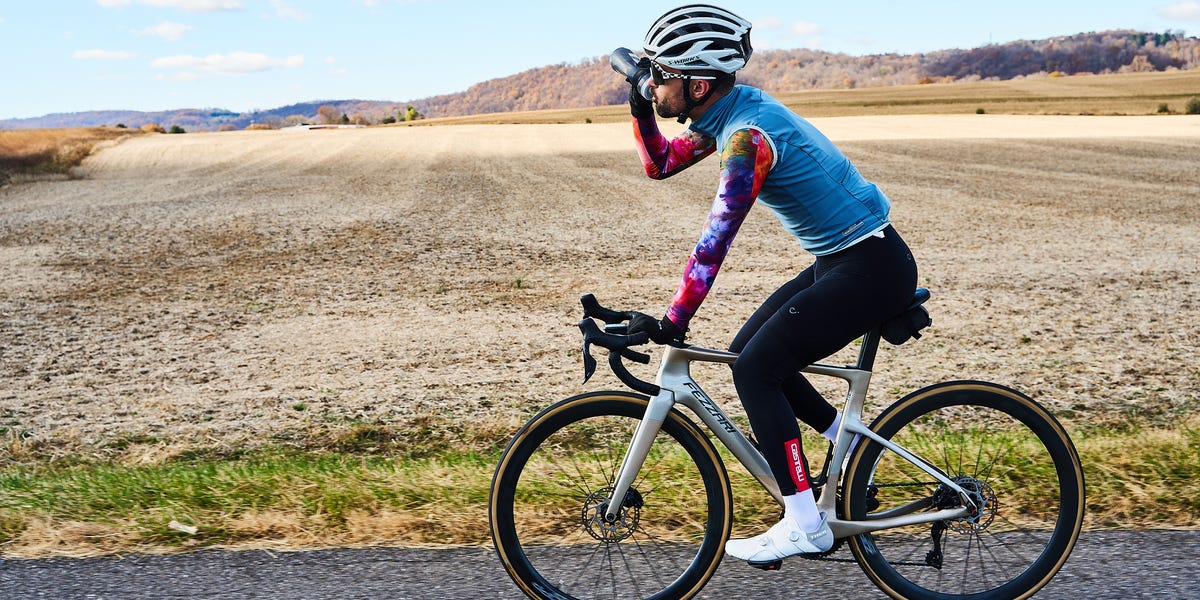
High-carb fueling is having a moment. It’s become a cornerstone of modern pro cycling, and a big reason race speeds have jumped so noticeably in recent years. WorldTour riders are now taking in well over 100 grams of carbs per hour to keep their power high late into races. The idea has trickled down fast, too. You’ve probably seen and heard plenty of talk about “getting more carbs in.”
While I’d heard of it, I wasn’t doing it. But I began to wonder if taking in more carbs could help me feel better and ride stronger on longer rides and during harder workouts. So I decided to, for once, put some thought into my ride fueling to see what happened. I nearly doubled my usual carb intake on demanding indoor workouts and outdoor rides, and paid close attention to how it felt, what worked, and what absolutely didn’t. The results changed how I think about endurance, fatigue, and recovery, and also exposed the real-world challenges no one really talks about.
Trevor Raab
What Happened When I Tried High-Carb Fueling
First off, I wasn’t trying high-carb fueling for fun by sucking down a bunch of gels on casual rides. I was specifically looking to improve my performance on longer, high-intensity rides and workouts.
Without fueling, I can do one-hour rides at high intensity without feeling myself go flat. But once I go beyond an hour, I need to fuel or I’ll quickly start to feel cooked. I’ve learned from experience that if I don’t manage my fueling well early on — even if I’m not feeling hungry or flat — I’ll fall into a big hole after the hour mark that’s hard to dig out of.
I started by actually paying attention to how many carbs I was taking in, which I really wasn’t doing before. Of course, I knew I needed to fuel and hydrate on my rides, but other than having drink mix in my bottle and some ride snacks to eat if I felt hungry, I never had a real plan or strategy for ride fueling.
Related Story
I conducted my experiment with products I was familiar with and already had in my pantry. I’ve been using Tailwind Endurance Fuel. Two scoops in a bottle — the recommended amount — puts me at around 50 grams of carbs per hour. I wanted to get closer to 100 grams per hour, so I needed to supplement the Tailwind.
I recently bought a box of Honey Stinger Pomegranate Passionfruit Energy Chews. A bag of 10 chews contains 39 grams of carbs. Combined with my Tailwind bottle, that put me at roughly 90 grams per hour. Evenly distributing the chews and drink to hit 90 grams in an hour meant fueling every six minutes.
Trevor Raab
It’s worth noting that the products I used were not specifically designed for high-carb fueling. Had I used such products, it would have reduced some of the logistical challenges I outline in my “What No One Tells You About High-Carb Fueling” section below
On a day when my AI coach prescribed a 150-minute indoor Zwift ride, I prepped my bottles and dumped the chews I’d need into a small dish, then set everything on a table next to my trainer. I started the workout and set a repeating timer. Every six minutes, I ate a chew and took a swig from my bottle.
I didn’t try this once. I did it three times during longer indoor workouts and twice on higher-intensity, two-hour-plus outdoor rides.
I’ve outlined some of the practical and logistical realities below. But first, here’s what happened when I nearly doubled my usual carb intake.
First, I had no stomach or gastrointestinal issues. I also didn’t grow sick of the sugary sweetness in my mouth — perhaps the benefit of a lifelong sweet tooth. I feel like I could easily go beyond 100 grams per hour, and I plan to try that in the future. I know this isn’t everyone’s experience. My wife, for example, doesn’t have a sweet tooth and struggles with higher-carb fueling on longer rides. But there’s also a chance you’ll be like me and tolerate a lot of carbs with no real issues.
Trevor Raab
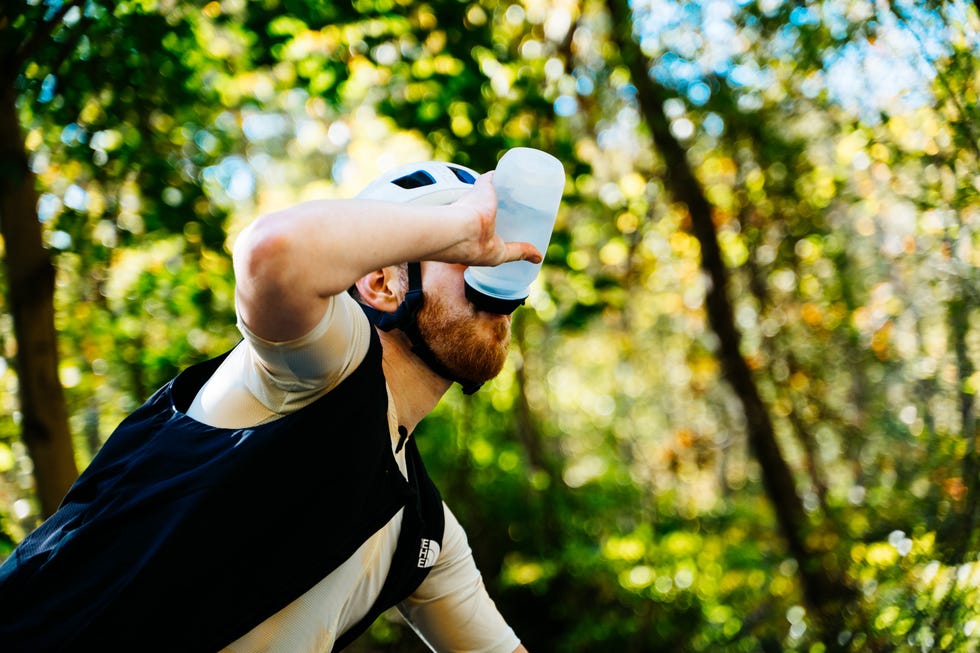
The biggest revelation was how much better I felt deeper into rides. Not only did my legs feel stronger for longer, but I was mentally clearer and more motivated to keep pushing. 150-minute-plus workouts and hard rides didn’t feel like as much of a grind or beatdown. They were actually kind of… fun?
When the ride was over, I didn’t feel as destroyed, and I wasn’t as wasted for the rest of the day. The queasy feeling I’d often experienced at the end of hard workouts was gone. Also gone were the intense hunger cravings that usually followed. The day after, I felt fresher and more motivated to ride again.
My overall takeaway: I wish I’d tried this sooner. Thinking back to some of my more memorable explosions on long, hard rides, I can’t help but think many could have been avoided by taking in more carbs and putting more thought into fueling. Making hard workouts less awful — and feeling more ready to ride the next day — should improve my fitness over time.
Trevor Raab
What No One Tells You About High-Carb FuelingIt can be annoying
I imagine it becomes more instinctive over time, but the first few times I tried to take in 90 grams or more per hour felt overwhelming. I felt like I spent much of the ride with one hand off the bars because I was constantly shoving food or drink into my face. Combined with the mental load of remembering to eat at regular intervals, it was a lot.
Many modern cycling computers — Garmin, Wahoo, Hammerhead — have programmable eat and drink reminders. These helped, because I didn’t have to keep one eye on the clock to hit my fueling intervals. But the frequent beeping was also annoying.
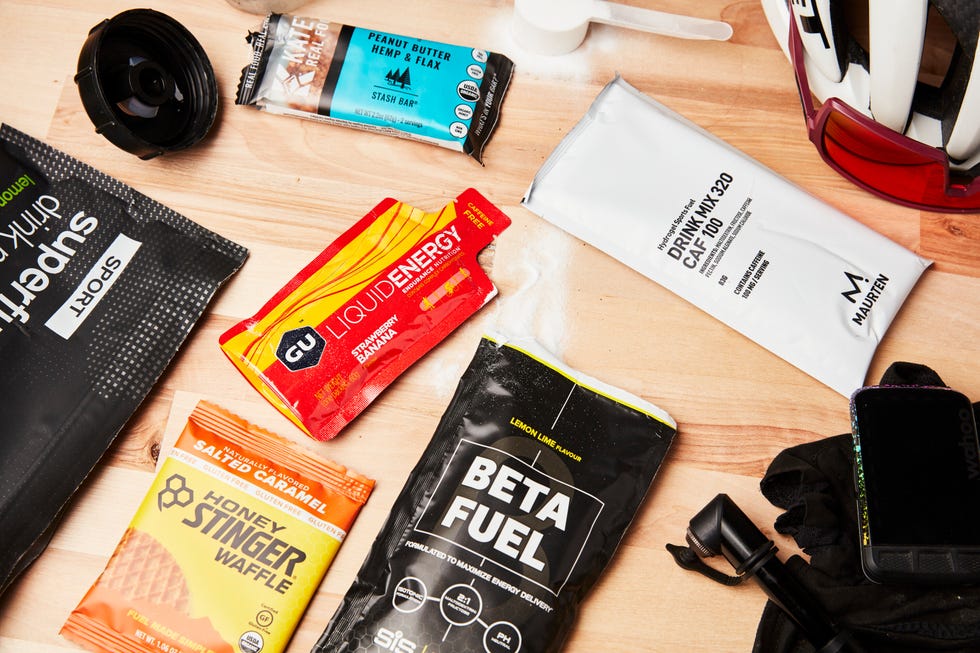
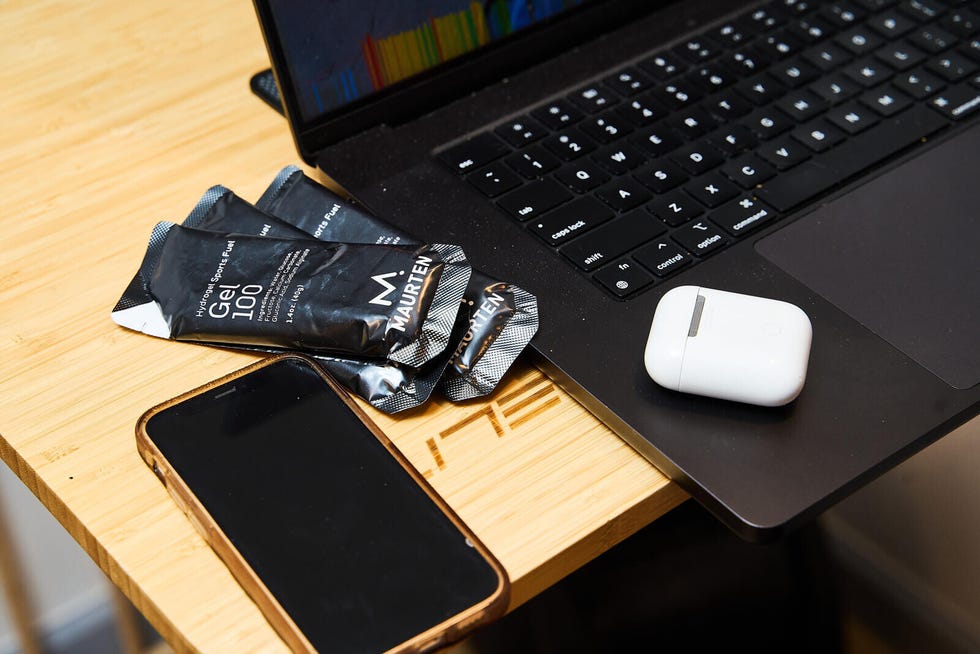
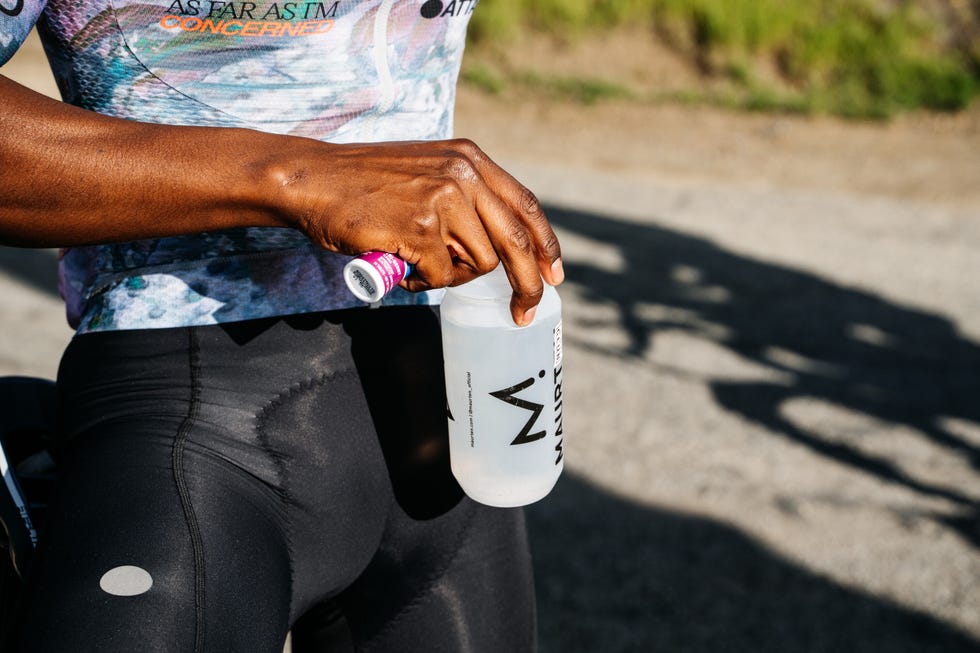
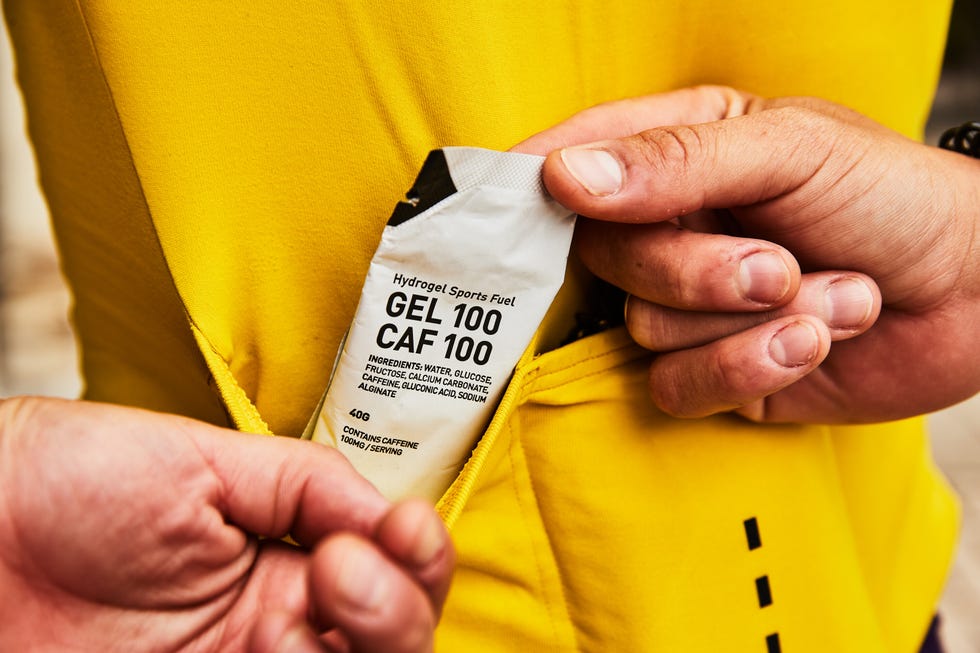
Using specific high-carb products would have made my life a lot easier. A sachet of Maurten’s Drink Mix 320, designed to be mixed into a 550ML water bottle, has 80g of carbs by itself.
Trevor Raab
The real world gets in the way
The logistics of high-carb fueling during a Zwift workout weren’t too bad. Outdoors was a different story.
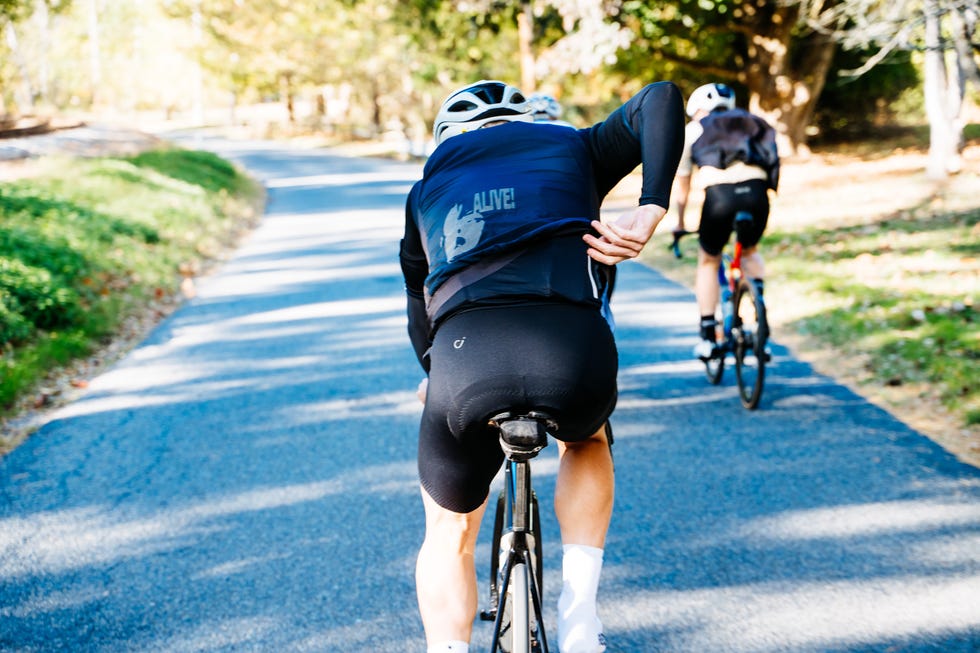
On rough, sometimes technically challenging gravel climbs, there were long stretches where I simply couldn’t ride one-handed long enough to fish something out of a pocket or bag and shove a chew in my mouth or deal with opening a gel. Similar issues would arise in a mountain bike race. And in a fast-moving peloton, you need full awareness of riders and obstacles. The last thing you want is to put yourself — or others — in danger because you’re distracted trying to open food.
Related StoryLiquids FTW
Your mileage may vary, but I found that eating anything — chews, bars, real food — while intensity was high and I was breathing hard was a challenge (I also have a jacked-up nose, and breathing through it is tough).
More than once, I nearly aspirated a chunk of food while gulping air mid-chew, which triggered violent coughing as my body tried to clear my windpipe. It was alarming, destabilizing, and not something I’d want to do in a group.
As the fueling timer ticked down, I started to feel anxious about having to eat another chew or choke down something solid.
That made me appreciate higher-carb drink mixes and gels, which go down quickly and easily. They’re simply a more practical way to take in more carbs when you’re working hard.
It’s also renewed my interest in hydration packs for high-intensity gravel and mountain bike rides. Being able to drink hands-free while keeping both hands on the bars is a real advantage.
Save the chewing for easy sections or coffee stops.
Trevor Raab
It’s sticky
High-carb drinks and gels are sticky and salty. If you’re handling a lot of them over the course of a ride, residue ends up on your hands, your bike, and your clothes.
Beyond the unpleasant sensation of sugary hands sticking to hoods and brake levers, you need to clean salty residue off your frame to avoid corrosion or damage.
I also discovered an unexpected downside to high-carb drink mixes: on frames with internal storage, residue can gum up latch mechanisms.
One bike I was testing — Cervelo’s otherwise brilliant Áspero-5 — uses a twist knob to open and lock the storage hatch. After a few weeks, I found the knob nearly glued shut by sugary goo that had worked its way inside. For that reason, I’m inclined to prefer simpler magnetic closures like the one Allied uses on the Able, though I’ll admit magnetic systems have their own drawbacks.
Related StoryIt’s expensive
If you haven’t priced high-carb drink mixes and gels, brace yourself. Expect to pay roughly $3 to $5 per serving.
It makes sense. More carbs per serving means more ingredients. Still, be prepared to spend if you want to try high-carb fueling.
An eight-serving bag of Skratch Super High Carb mix costs $42 — $5.25 per 100 grams of carbs. Tailwind’s High Carb Fuel (90 grams of carbs) is $4.25 per serving, while its standard Endurance Fuel (25 grams) is $2.25.
Interestingly, buying a brand’s high-carb formula is often cheaper than stacking multiple low-carb servings. A single-serve pouch of Skratch Super High Carb (50 grams) is $3.25, while two pouches of Skratch Hydration Sport Mix (20 grams each) total $3.90.
High-carb gels aren’t cheap, either. A 10-pack of Precision Fuel PF 90 gels (90 grams each) costs $59.50. Maurten’s Gel 160 (40 grams), a favorite among Bicycling staff, runs $52 for a box of 10.

A gear editor for his entire career, Matt’s journey to becoming a leading cycling tech journalist started in 1995, and he’s been at it ever since; likely riding more cycling equipment than anyone on the planet along the way. Previous to his time with Bicycling, Matt worked in bike shops as a service manager, mechanic, and sales person. Based in Durango, Colorado, he enjoys riding and testing any and all kinds of bikes, so you’re just as likely to see him on a road bike dressed in Lycra at a Tuesday night worlds ride as you are to find him dressed in a full face helmet and pads riding a bike park on an enduro bike. He doesn’t race often, but he’s game for anything; having entered road races, criteriums, trials competitions, dual slalom, downhill races, enduros, stage races, short track, time trials, and gran fondos. Next up on his to-do list: a multi day bikepacking trip, and an e-bike race.