
Credit: phM2019 on Shutterstock
How In Shape You Are May Determine How You Handle Bad Days, Scientists Find
In A Nutshell
People with below-average cardiorespiratory fitness face a far higher risk of experiencing severe anxiety spikes when exposed to stressful situations compared to those with above-average fitness
Less-fit individuals showed significantly larger increases in both anxiety and anger when confronted with disturbing images, suggesting fitness acts as emotional armor against daily stressors
The relationship between fitness and anxiety works both ways: high anxiety reduces physical activity, which lowers fitness and increases anxiety vulnerability in a self-perpetuating cycle
Regular aerobic exercise offers a non-drug solution for managing anxiety and anger, with physically fit people showing better emotional control and faster recovery from stressful events
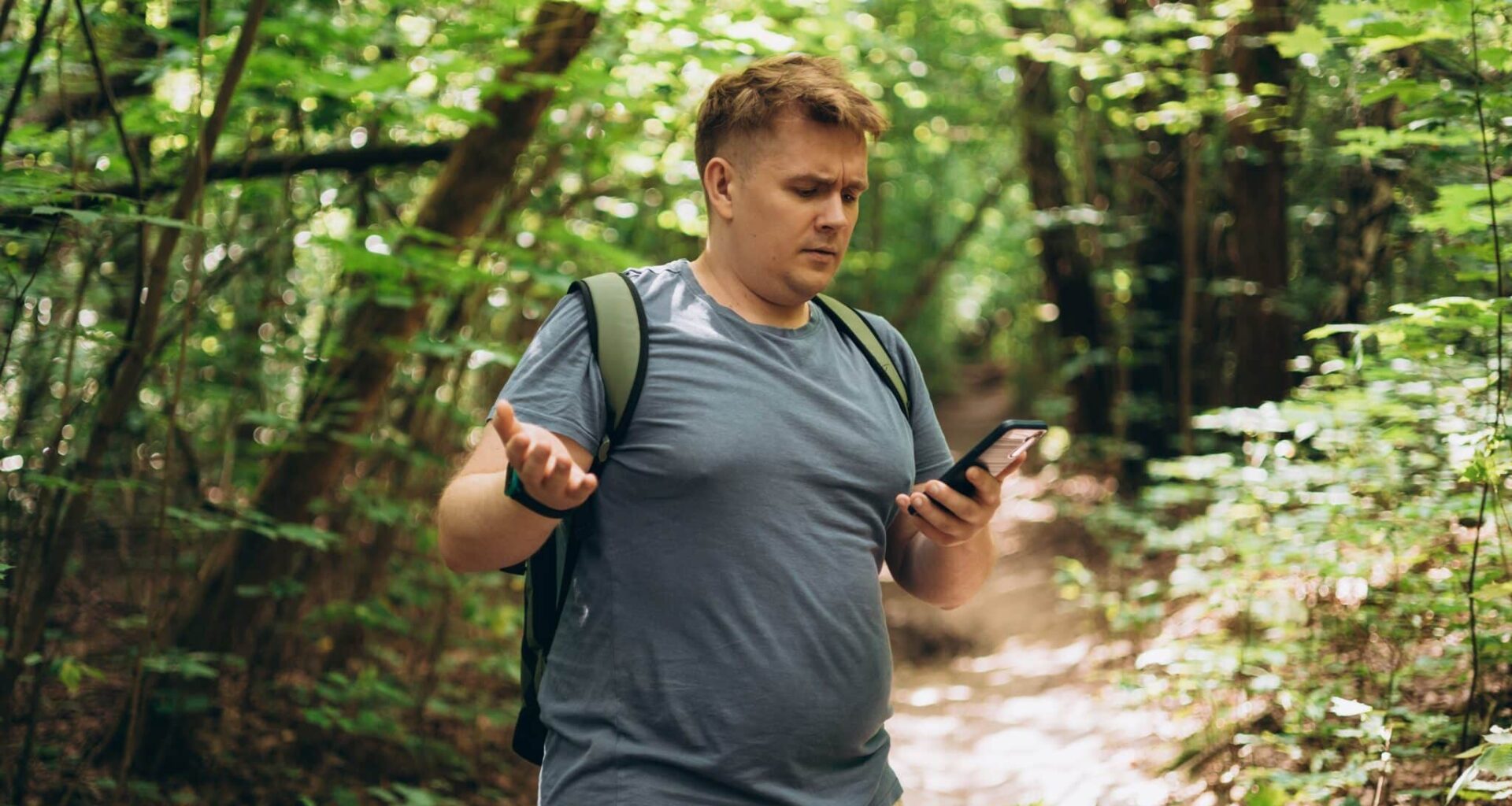
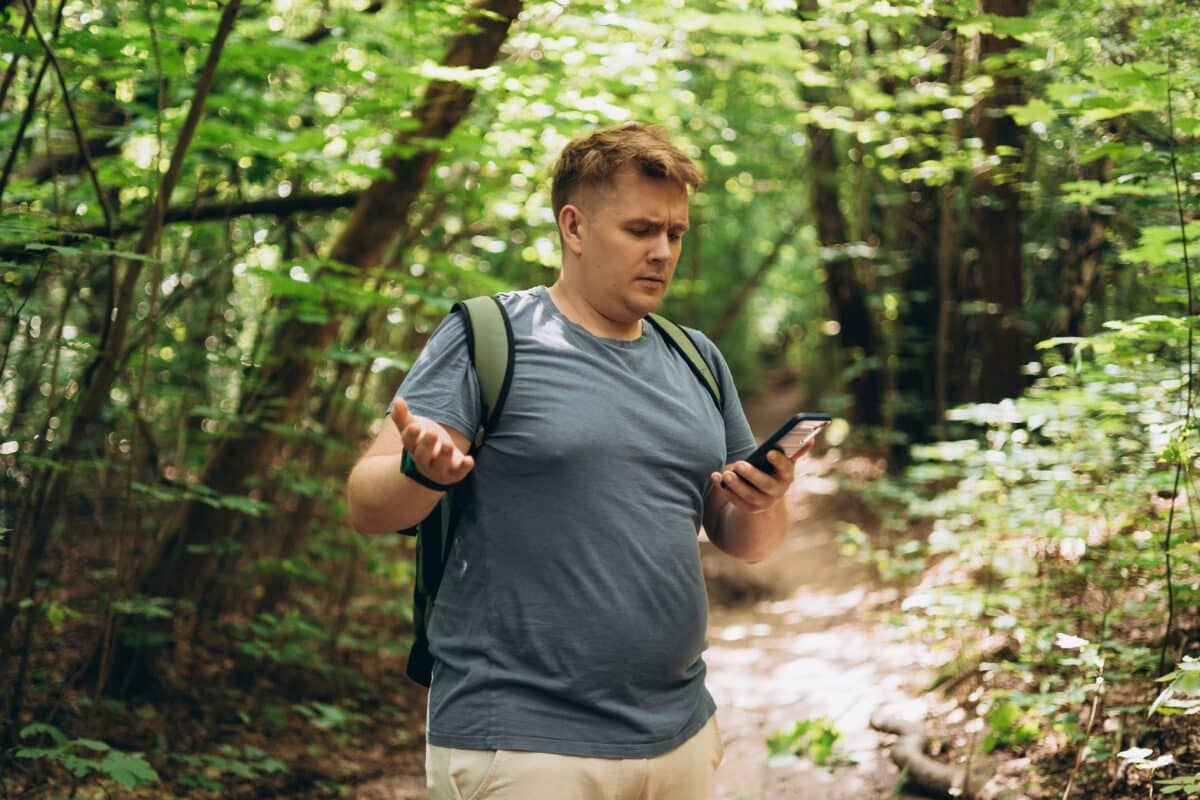
It’s another joyous Monday, and on your way to work, someone cuts you off in traffic. When you arrive at the office, you’re on the receiving end of a testy email from your boss. When you arrive home, you get into an argument with your partner. For some people, these moments roll off like water. For others, each annoyance builds on the last, eventually spiraling into full-blown anxiety or anger. Now, research suggests the difference might come down to how often you lace up your running shoes.
Scientists discovered that people with below-average cardiorespiratory fitness face a staggering 775% higher risk of hitting high anxiety levels when confronted with stressful situations. In other words, your fitness level might be just as important as your personality when it comes to handling life’s curveballs.
Researchers at the Federal University of Goiás tested this by showing 40 healthy young adults a series of disturbing images. They included violent scenes and accident footage, the kind of upsetting content you might scroll past on social media, and measured how their emotions changed.
The results, published in Acta Psychologica, were dramatic. People with lower fitness levels experienced significantly bigger jumps in both anxiety and anger compared to their fitter counterparts. Those with below-average fitness had nearly eight times the risk of jumping from moderate to high anxiety after viewing the unpleasant images.
Fitness Changes How You Handle Anger
Beyond anxiety, the study revealed something equally interesting about anger management. People with lower fitness levels showed more volatile temperaments overall. They expressed anger more readily and struggled to control it when provoked.
When exposed to disturbing images, less-fit participants showed significantly larger anger spikes. The pattern held even when researchers accounted for personality traits. Higher fitness levels predicted smaller changes in anger during emotional stress, suggesting that regular exercise might actually rewire how people respond to frustration.
The researchers also found that people who tend to externalize their anger (those who typically let it show rather than bottling it up) experienced even bigger anger spikes when confronted with upsetting content. Fitness level seemed to matter most for these individuals, offering a potential buffer against emotional volatility.
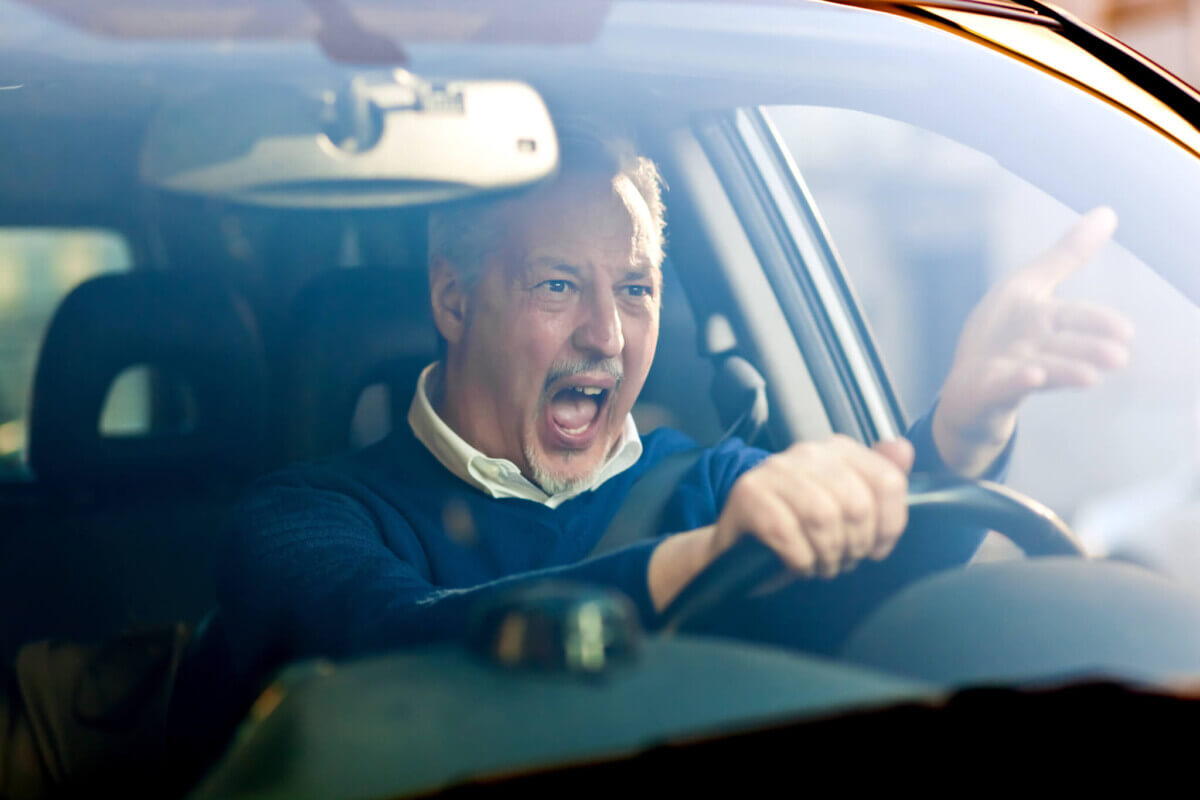 When life makes you want to hit something, it’s best to hit the gym. (© Minerva Studio – stock.adobe.com)
Why Exercise Works Better Than You’d Think
It’s clear that exercise goes beyond making us physically stronger. A good workout also changes how the brain and body handle stress.
When you exercise regularly, your body gets better at managing its stress response system. Your nervous system becomes more balanced, allowing you to calm down faster after stressful events. Blood flow to the brain increases, promoting the growth of new brain cells and connections. All of this translates to better emotional control in everyday life.
The study offers an important reminder of just how powerful exericse is, especially considering that anxiety disorders cost healthcare systems billions of dollars every year. In Europe alone, treating each anxiety patient runs about $3,874 annually. Globally, mental health costs are projected to hit $6 trillion by 2030. If something as simple as regular exercise can prevent or reduce anxiety symptoms, it could save both suffering and money.
Unlike medications, exercise has no negative side effects. Previous research confirms that physical activity reduces anxiety and depression symptoms across all kinds of people: healthy adults, those with mental health diagnoses, and people managing chronic diseases. A single workout can lower anxiety symptoms. Regular exercise provides even stronger protection.
“Regular physical exercise can be a useful non-pharmacological strategy for anger management,” the study authors write in their paper.
Your Fitness Level Might Determine How You Experience Modern Life
How many times a day does something frustrate you? Traffic jams. Work deadlines. Financial stress. Family conflicts. The news cycle. Social media drama. Modern life serves up a constant buffet of emotional stressors.
The researchers wanted to know if fitness level changes how people navigate this daily gauntlet. They measured participants’ fitness using a calculation based on exercise habits, age, body mass index, and sex, then divided them into two groups: above-average and below-average fitness.
Over two lab visits, participants sat in a darkened room and viewed 69 images for 30 minutes: either emotionally neutral pictures or disturbing ones. Researchers monitored heart rates and measured anxiety and anger right before and after each session.
When shown disturbing content, people with below-average fitness saw their anxiety scores jump by about 12 points on average. Their fitter counterparts experienced much smaller increases.
This suggests that fitness level acts like a shock absorber for emotional stress. The same upsetting image that might severely rattle an out-of-shape person barely fazes someone who exercises regularly.
The Vicious Cycle Nobody Talks About
Here’s the cruel irony: anxiety makes people less likely to exercise, and not exercising makes anxiety worse.
When stress levels rise, physical activity often drops. People feel overwhelmed, exhausted, unmotivated. They skip the gym, stop going for walks, spend more time on the couch. This reduces fitness levels, which makes them more vulnerable to anxiety, which further reduces their motivation to move. The cycle feeds itself.
The study found that people with lower fitness had higher baseline anxiety in their daily lives, not just during the experiment. They scored 44 points on average on an anxiety scale, compared to 38 points for fitter participants. That difference might sound small, but it represents a meaningful gap in day-to-day emotional experience.
Breaking this cycle requires getting moving even when it feels hard. The good news is that the reverse cycle also exists. People who maintain exercise habits build fitness that protects against anxiety, making them more likely to keep exercising even during stressful times. Each workout makes the next one easier, not just physically but emotionally.
Large population studies back this up. Physically active people consistently report lower anxiety levels and lower rates of anxiety disorders. Even a single exercise session can decrease anxiety symptoms and protect against stress.
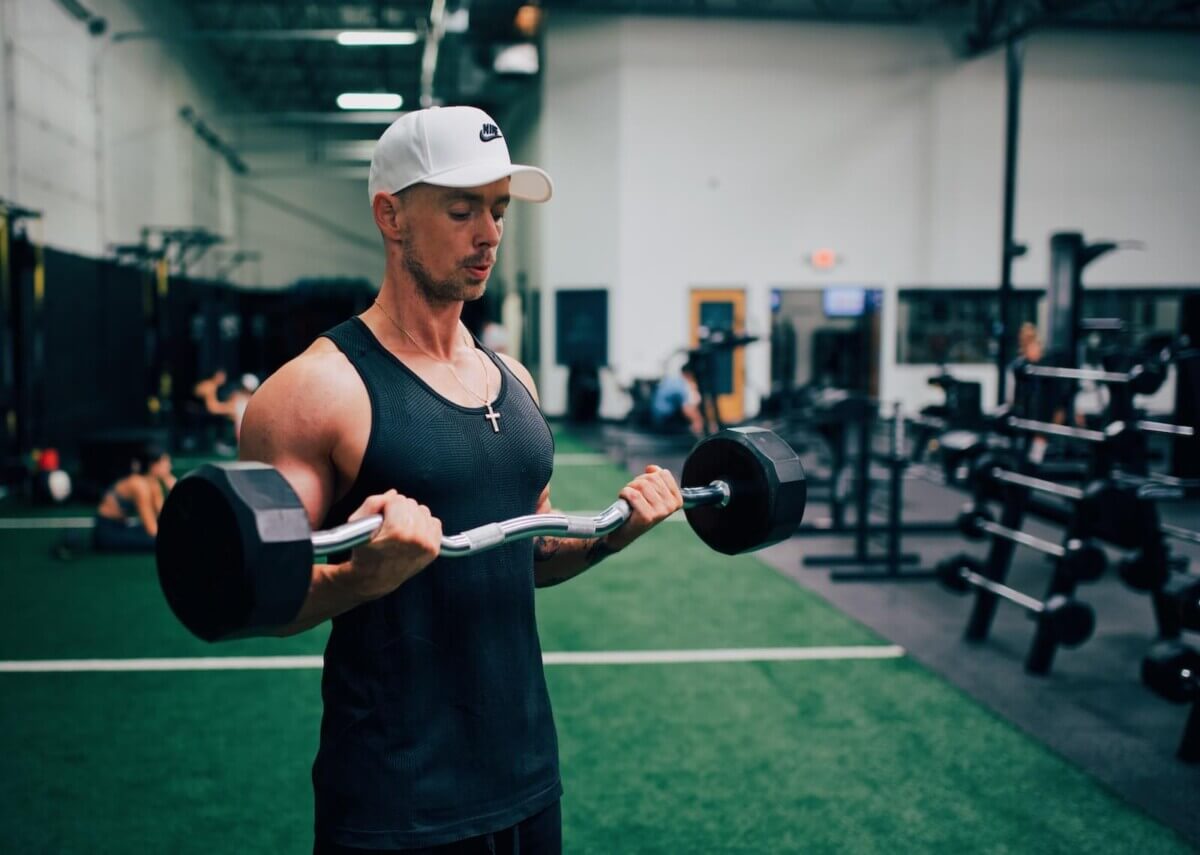 Getting in the gym isn’t always easy, but each workout makes the next one a bit easier. (Photo by Gordon Cowie on Unsplash)
Hit The Treadmill When You’re Stressed
The researchers suggest that physically fit people have a greater capacity to regulate stress-related emotions, allowing them to respond more adaptively when life gets hard. This resilience extends beyond momentary stress relief—it changes baseline emotional health.
There’s a psychological principle that performance improves with moderate arousal but declines when arousal gets too high or too low. If fitness protects against extreme anxiety spikes during stressful situations, fit people might stay in that optimal zone where they perform their best even under pressure.
The study involved 23 women and 17 men between ages 18 and 40, all healthy and not taking any medications for mental health. They visited the lab twice, avoiding caffeine, alcohol, and exercise for 24 hours before each session to ensure clean results.
Beyond direct healthcare costs, anxiety takes a heavy toll through its links to heart disease, poor sleep, lower quality of life, and increased suicide risk. If building fitness through regular aerobic exercise offers a practical way to strengthen emotional resilience, it might be one of the most accessible mental health interventions available.
The next time you’re debating whether to skip your workout, consider this: you’re not just training your body. You’re training your mind to handle whatever stress tomorrow throws your way.
Disclaimer: This article is for informational purposes only and is not a substitute for professional medical advice, diagnosis, or treatment. If you’re experiencing symptoms of anxiety, depression, or other mental health concerns, please consult with a qualified healthcare provider or mental health professional. Always seek the advice of your physician or other qualified health provider with any questions you may have regarding a medical condition.
Paper Notes
Limitations
The study relied on questionnaires to measure anxiety and anger rather than brain imaging or stress hormones. Fitness levels were estimated from self-reported exercise habits rather than measured directly through exercise testing. The sample size of 40 participants limits how broadly the findings apply to different populations. Only healthy young adults aged 18-40 participated, so results might not apply to older adults or people with mental health conditions. Future research should measure fitness directly and include biological markers of stress like cortisol levels or brain activity.
Funding and Disclosures
This research was partially financed by the Coordenação de Aperfeiçoamento de Pessoal de Nível Superior–Brasil (CAPES)–Finance Code 001. Authors Claudio Andre Barbosa de Lira and Marilia Santos Andrade hold productivity fellowships at the Conselho Nacional de Desenvolvimento Científico e Tecnológico–Brasil (CNPq). Author Rodrigo Luiz Vancini holds a productivity fellowship at the Fundação de Amparo à Pesquisa do Estado do Espírito Santo–Brasil (FAPES). The authors declared no competing interests.
Publication Details
Authors: Thalles Guilarducci Costa, Lucas Carrara do Amaral, Naiane Silva Morais, Wellington Fernando da Silva, Douglas Assis Teles Santos, Rodrigo Luiz Vancini, Carlos Alexandre Vieira, Mario Hebling Campos, Marilia Santos Andrade, Beat Knechtle, Katja Weiss, Ricardo Borges Viana, Claudio Andre Barbosa de Lira | Journal: Acta Psychologica, Volume 264, 2026 | DOI: 10.1016/j.actpsy.2026.106371 | Affiliations: College of Physical Education and Dance, Federal University of Goiás (Brazil); State University of Goiás; State University of Bahia; Federal University of Espírito Santo; Federal University of São Paulo; University of Zurich (Switzerland); Federal University of Ceará