
 5 min read
Indoor trainer season never starts if you don’t stop riding outside. While outdoor rides in the winter months may be easy for cyclists in places like Southern California, Florida, or Arizona, many of us live in parts of the country where winter cycling gear is necessary to stay comfortable when riding in low temperatures.
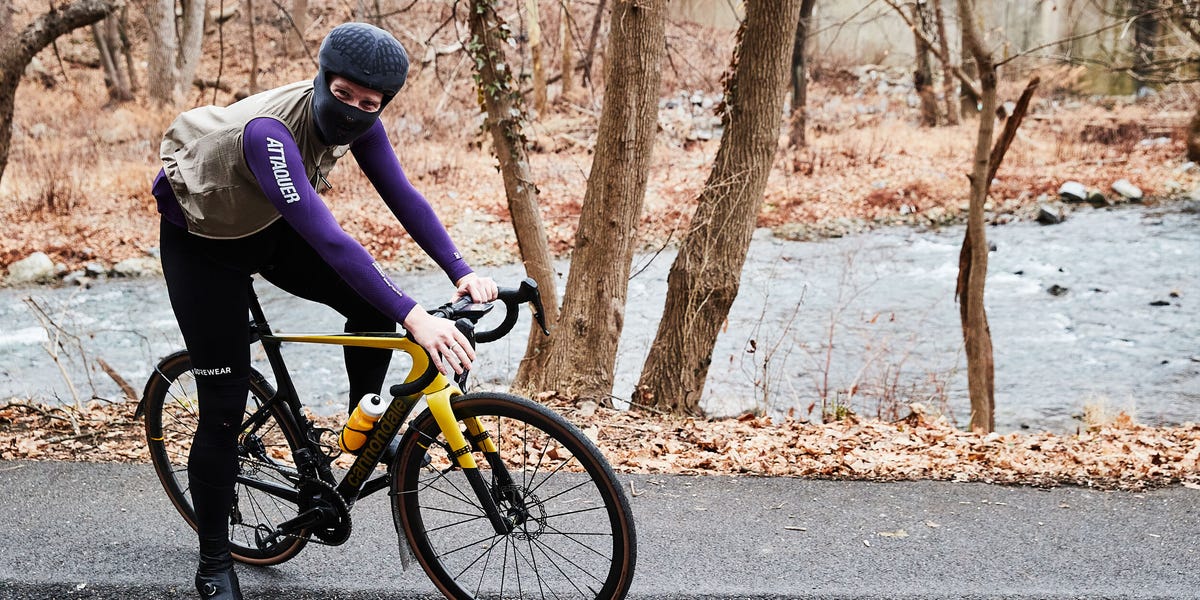
Compared to my previous years of cycling, this winter I endeavored to ride outside as often as possible. Nothing about the indoor trainer feels real to me: no wind, no grit, no joy. I discovered that with key additions to my clothing selection and bike accessories, I stayed warmer, safer, and happier on winter rides.
Best for Warm Feet
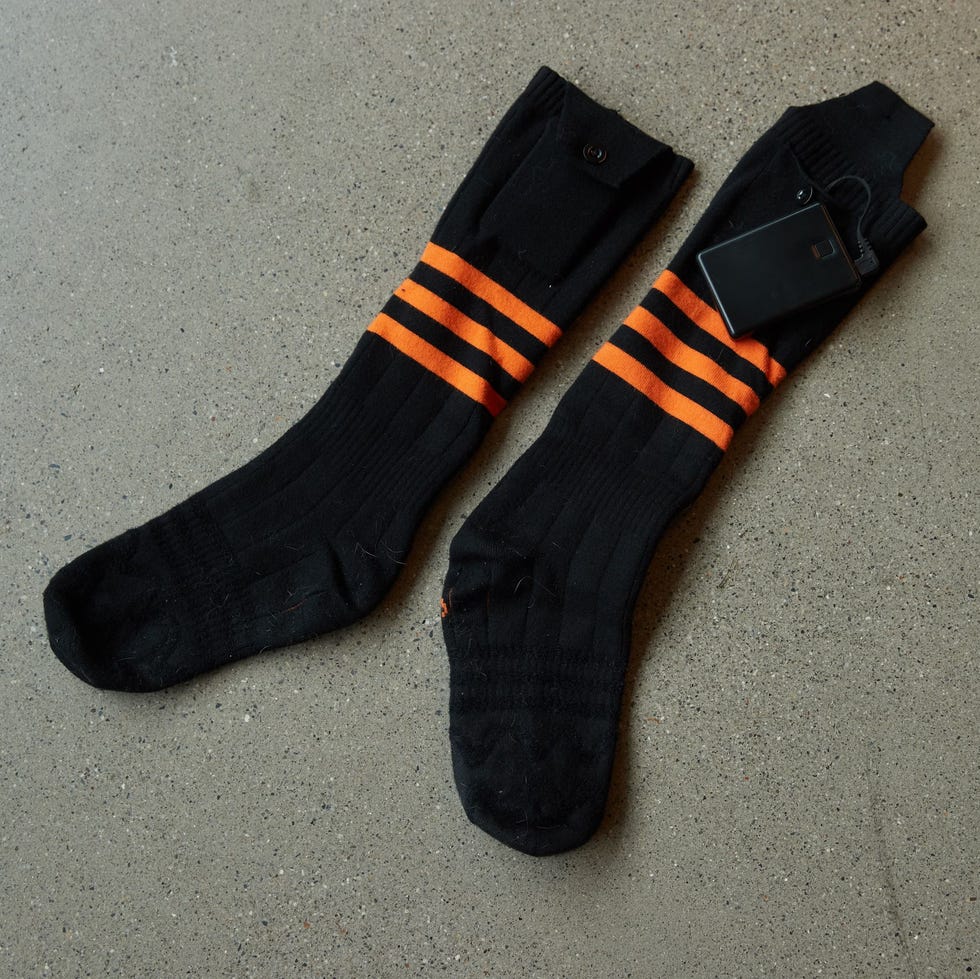 Weluck Heated Socks
Now 61% Off
Best Headcover
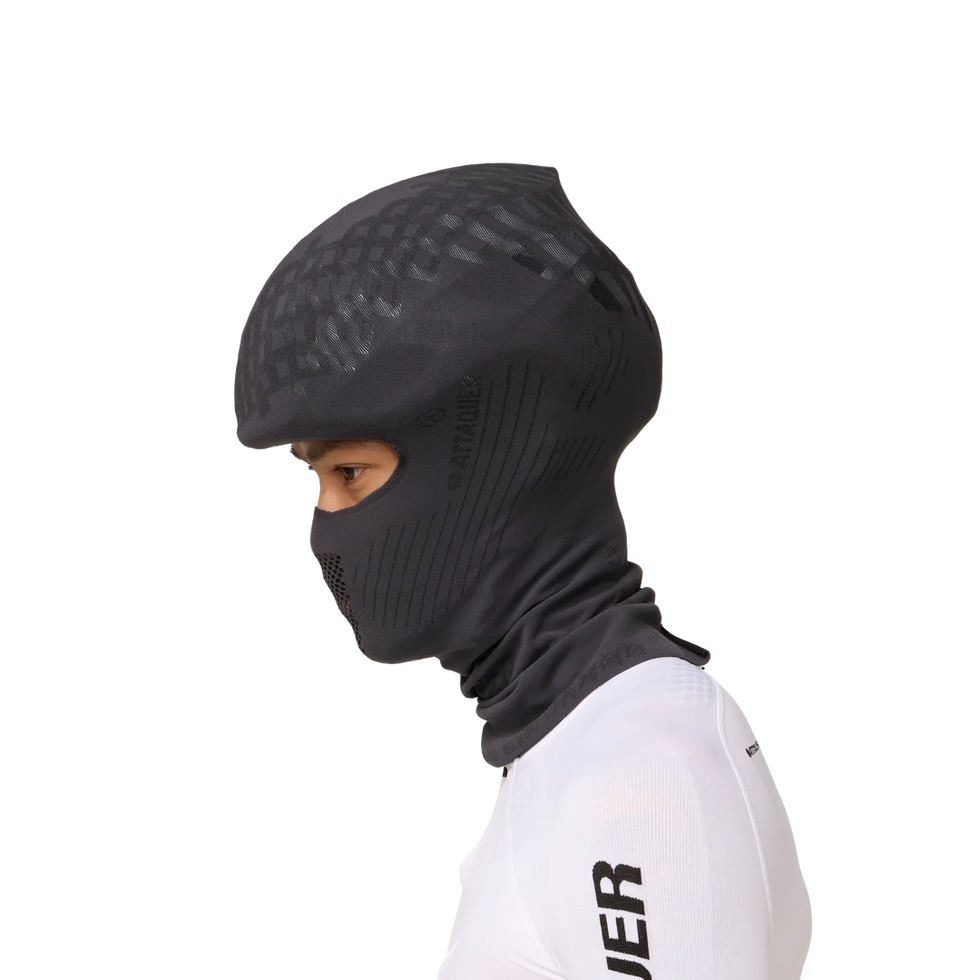 Attaquer OrbKnit Balaclava
Best Fenders
Best for Maintenance
Best Radar Light
 Garmin Varia RTL515
Now 25% Off
Heated Socks
My biggest barrier to riding in the cold has always been keeping my feet warm. And until this winter, cold feet and toes limited my rides to an hour at most. I tried many time-tested solutions suggested by friends and coworkers—taping my vents, thick shoe covers, aluminum foil, and combos of the three—but nothing worked for me
This search led me to try heated socks, and I can confidently say they’re a game-changer and have solved my cold-toe problems. Powered by small, rechargeable battery packs, these socks feature three temp settings, and the battery can last multiple hours even on the highest setting. Plus, they’re not as bulky as heated insoles.
My go-to move is using heated socks with my regular road cycling shoes. I then add a pair of winter overshoes to block the wind. The combination is so effective that I removed the electrical tape from the bottom of my shoe vents to improve air circulation.
HotHands Toe Warmers are another option if you only occasionally ride in cold temperatures. I found them too costly and bulky for everyday riding, and they’re single-use. However, they’re a good emergency solution—On a ride last March, I purchased some at a gas station and was able to finish my ride.
Attaquer Balaclava
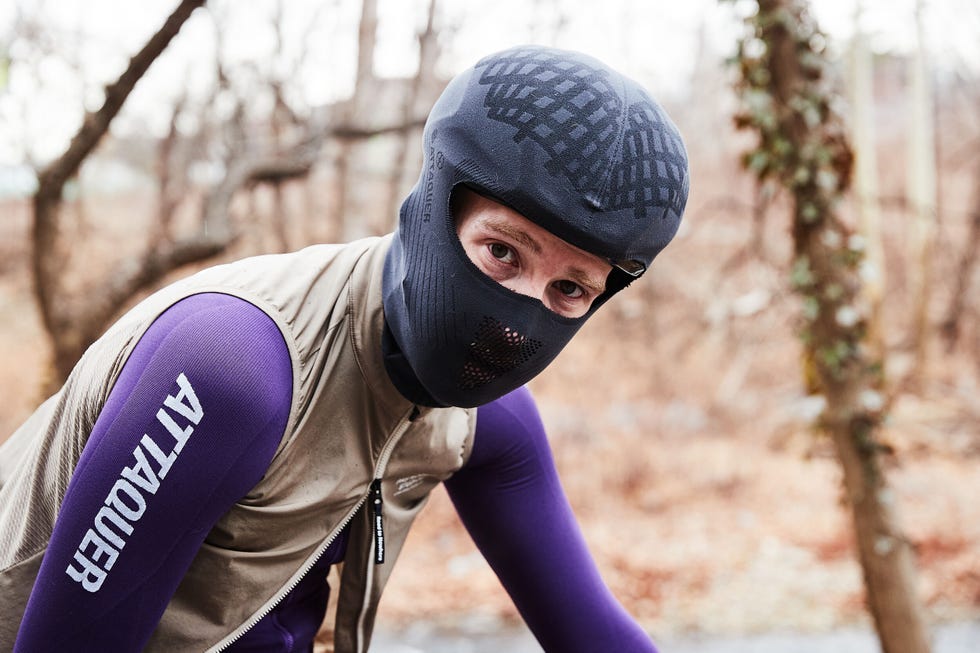
Keeping your head and face covered is important on cold rides. Caps, neck buffs, and balaclavas have been staples of winter cycling for generations. But once I received this gem from Australian brand Attaquer, it revealed all the shortfalls of the others I’d been rotating through: poor fit, clammy fabric, and awkward bunching under a helmet. It might just be the last balaclava I’ll ever need.
trevor raab
Made specifically for cyclists, Attaquer’s balaclava is constructed from high-quality Dryarn, an ultra-light, highly breathable fiber with noticeable moisture-wicking properties. It‘s mind-bogglingly stretchy and can be worn multiple ways; most uniquely, over your entire helmet.
My two favorite features are the mouth ventilation holes and the dropped collar. The condensation buildup after only a few minutes of heavy breathing can start to smell in a traditional buff, and worse, it leaves you with a damp patch pressed against your face for the rest of the ride. The laser-cut vent holes let moisture escape, which keeps the fabric drier and far more comfortable on long efforts. Plus, this balaclava’s extra-long neck means it always stays tucked under my jersey and doesn’t awkwardly pop out when I turn my head.
Race Blade Fenders
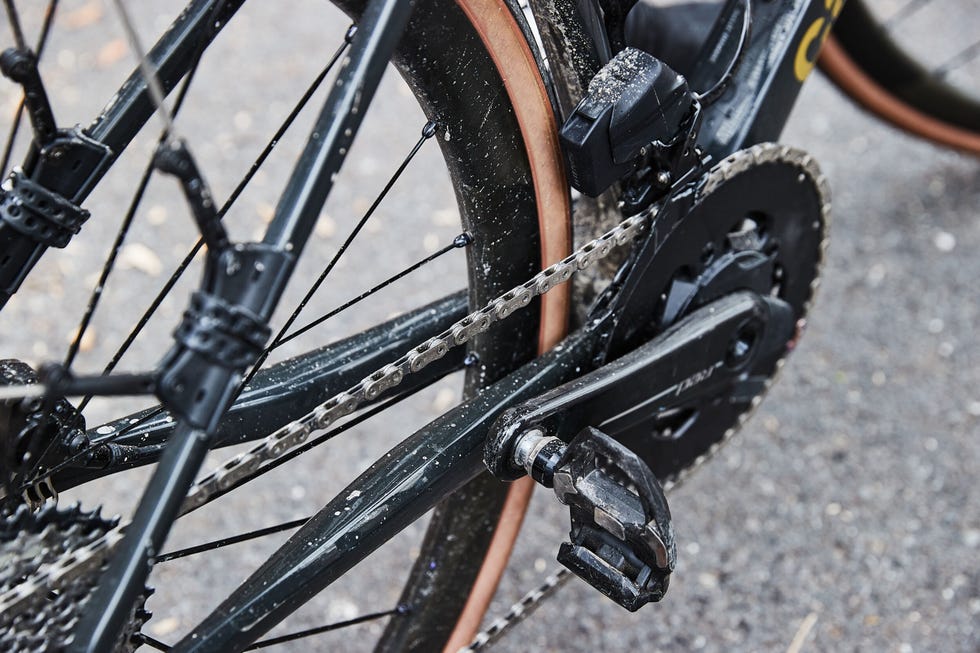
Another big barrier to unlocking my full winter riding potential was avoiding the elements. Road salt, sand, and slush found their way into every crevice of my components and coated my back, legs, and face with grime and icy water. It was destroying my bike and my cycling kits.
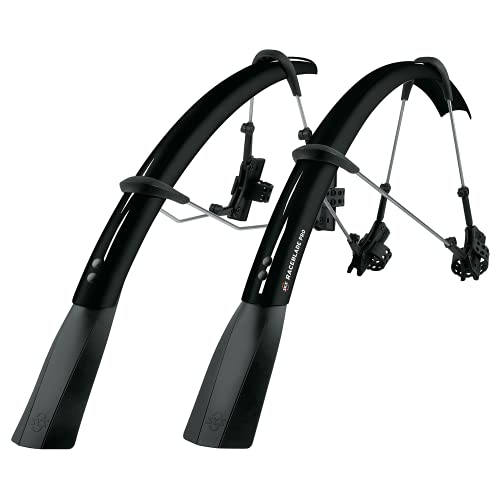
Mudguards were, of course, the logical solution to my problems, but I didn’t want to install heavy fenders on my lightweight road bike. Then, a cold ride on wet roads with fender-aficionados Test Editor Dan Chabanov and Senior Photographer Trevor Raab helped change my perspective. Their bikes and bodies stayed dry while both my bike and I were covered in muddy grit.
trevor raab
trevor raab
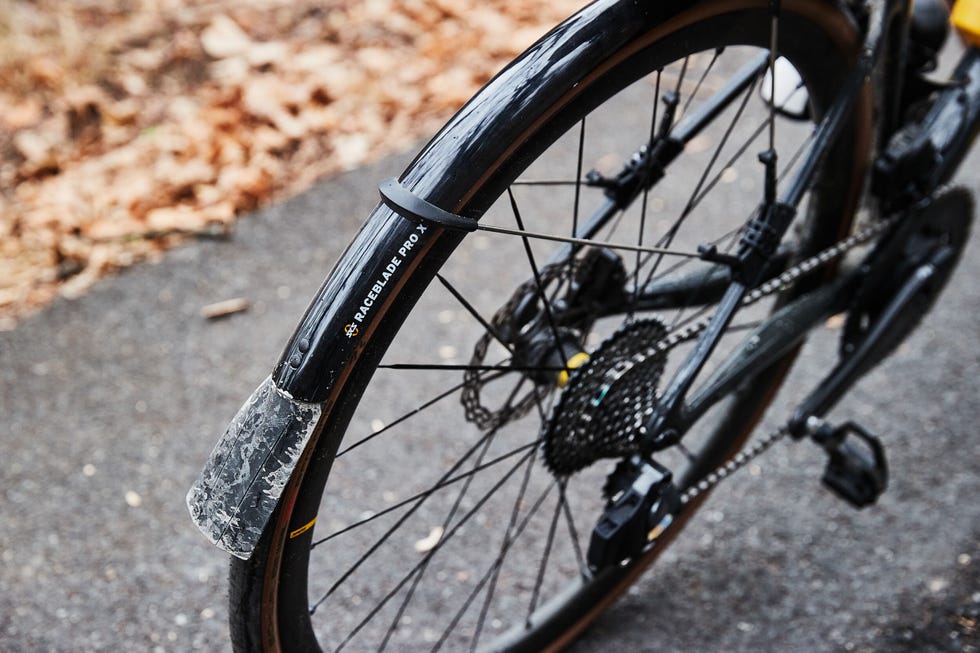
SKS RaceBlade Pro XLs are a popular choice for adding mudguards to bikes that lack dedicated fender-mounts and hardware. Plus, once they’re set up for your bike, they can be easily removed and reinstalled as conditions dictate.
The RaceBlades are a little finicky, but well worth it. I recommend dedicating time and carefully following the instructions. After a few rides, the front fender began to rub my tire. A rubber strap holding it to my fork had stretched, but it was an easy fix to tighten it a notch.
Wax Your Chain
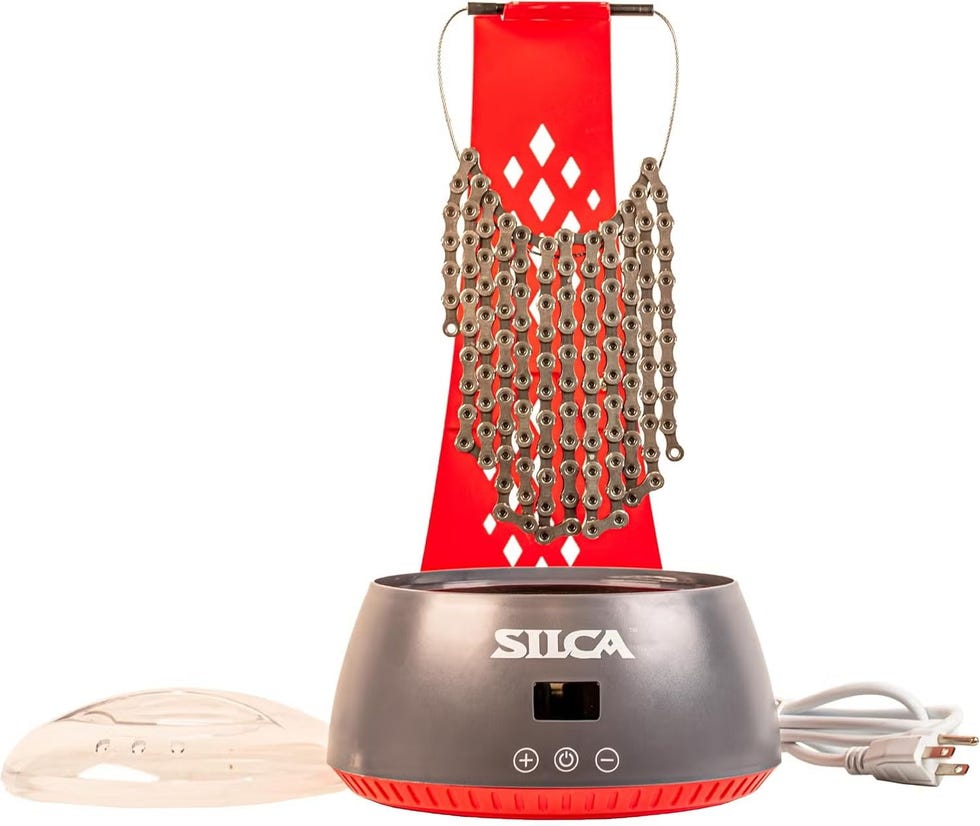
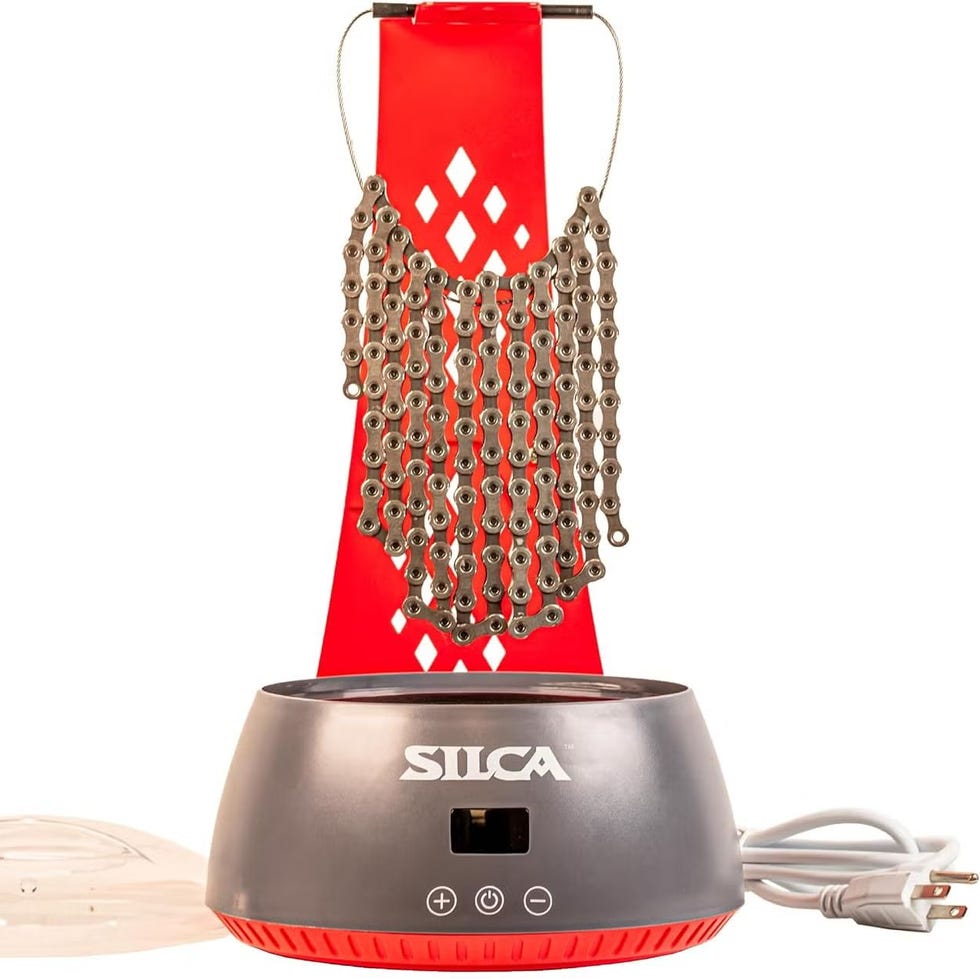
I almost forgot to “Wax Your Chain” for this list because I rarely think about it. And that’s exactly the point: Once your chain is waxed, it fades into the background in the best way possible. No black grime on my hands, no crunchy drivetrain soundtrack, no mid-ride lube regrets when the roads turn sloppy. Plus, waxing your chain can save you from burning cash on drivetrain parts.
I’ll be honest, my chainlube maintenance intervals are far from perfect. I perform a full wax immersion every two months or so, and apply drip wax in between when I notice an increase in noise. Despite all that, my chain shows virtually zero signs of wear. Checking stretch and lateral wear on Abbey Bike Tools’ chain wear gauge, my SRAM Force flat-top chain is still well within specification—even after over 6,200 miles of riding and my shoddy attention.
When it’s time to refresh, I swap in a pre-waxed chain and re-dip the dirty one at my convenience. The rotation system sounds fussy, but in practice, it saves time. Considering the savings on chains and my time, the investment in a Silca waxing system and all the necessary supplies has paid for itself.
 Use Radar
In many places, winter means snow. And when it’s plowed, the piles of snow often greatly reduce (or completely block) the road shoulder or bike lane. So cyclists are forced to use the traffic lane alongside motor vehicles.
trevor raab
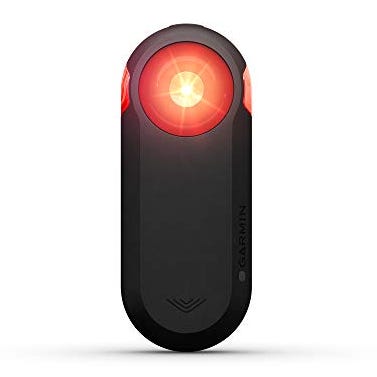
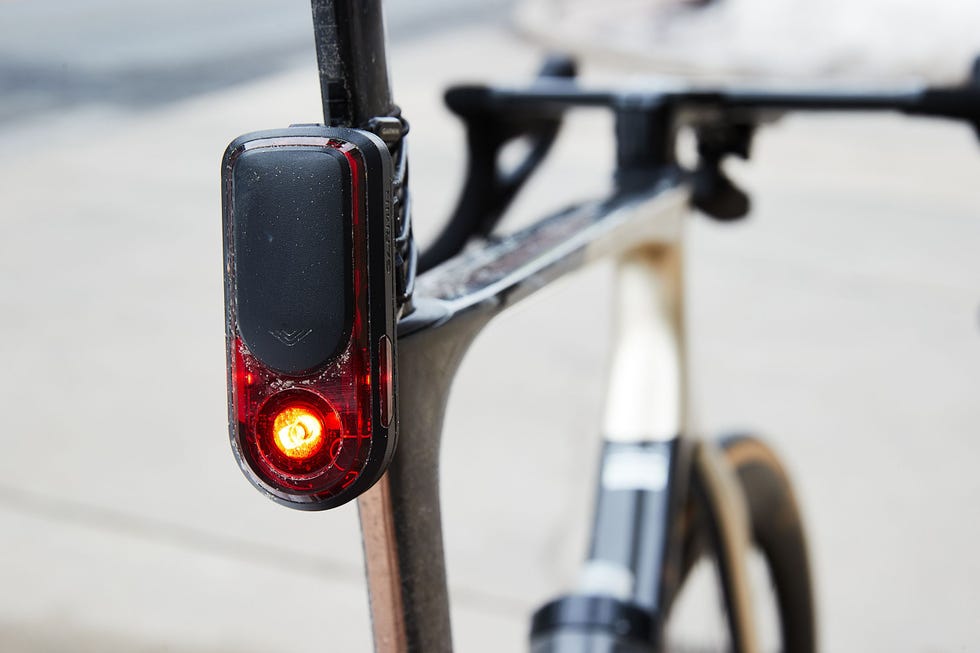
A cycling radar will not create a magical force field, but it can help alert you to vehicles approaching from behind. While I ride with a radar all four seasons, I find it particularly useful in the winter. On-bike radar allows me to confidently take the lane and slot to the right when a vehicle approaches.
Using radar on winter rides also reduces my stress. Riding in the lane helps avoid the worst of the road salt, sand, puddles, and potholes I’d otherwise be anxiously white-knuckling my way through. Plus, being able to take the lane helps avoid flats when those piles of snow eventually melt and litter the shoulder with glass, gravel, and other debris that causes punctures.
More Winter Tips
➡️ My first tip is to be honest with your mechanical skills and habits. If you’re comfortable wrenching, swapping parts, and doing basic inspections, you can ride through winter on a high-end bike without worry. If you tend to let things slide or prefer a shop handle maintenance, then using a delicate carbon race bike year-round may not be the right move.
➡️ Winterizing your bike has a psychological impact. Adding fenders, wider tires, and lights flips a switch in your brain—it’s base-building season. Almost all urges to chase hard efforts, go for a segment PR, or bomb down a hill vanish. You’re deliberately slowing down to focus on consistency and endurance.
➡️ Outdoor riding pays off when the spring weather finally arrives. The first warm day hits differently. Your bike feels lighter, the climbs seem easier, and every gear choice justified. Plus, it’s bragging rights and street cred on your weekend rides with friends.
Member Exclusive: Check Out Our Top Cycling Stories
Tom Messina is a multidisciplinary graphic designer and editor bringing his years of experience to Hearst Magazines’ Enthusiast Group of publications. With a maker mentality at his core, his knowledge spans to furniture making and repairing, chair collecting, mid-century design, mural painting, pizza baking, 3d printing, and sample recognizing.
thomas.messina@hearst.com