
 6 min read
“Grief is like a big mud puddle,” says Karen Wilson in a new Netflix documentary about her daughter’s life and death. “You can just be circling it for the rest of your life. Or you can walk right through it and out the other end.”
In The Truth and Tragedy of Moriah Wilson, which comes to Netflix today, that metaphor provides a glimpse into how Karen and Eric Wilson, along with their son, Matt, have navigated the aftermath of Moriah’s senseless 2022 murder—an event they previously told Bicycling was “the 9/11 of their lives.”
It also reflects their effort to re-center Moriah’s story away from tragedy and toward a legacy that will continue to ripple outward.
At 25, Moriah (or Mo) was a young woman with big dreams, a once-in-a-generation cycling talent on the cusp of becoming a gravel superstar. Then, inexplicably, on May 11, 2022, she was shot and killed inside the Austin, Texas, home of her friend Caitlin Cash.
Inspired by the 2022 Bicycling feature of the same name written by Rowan Moore Gerety, the documentary is directed by Emmy Award–winner Marina Zenovich (Robin Williams: Come Inside My Mind) and produced by Academy Award–winner Evan Hayes (Free Solo).
Read the Original Bicycling Story
In the film, the arrest and conviction of Moriah’s killer unfolds alongside emotionally candid interviews with her friends and family.
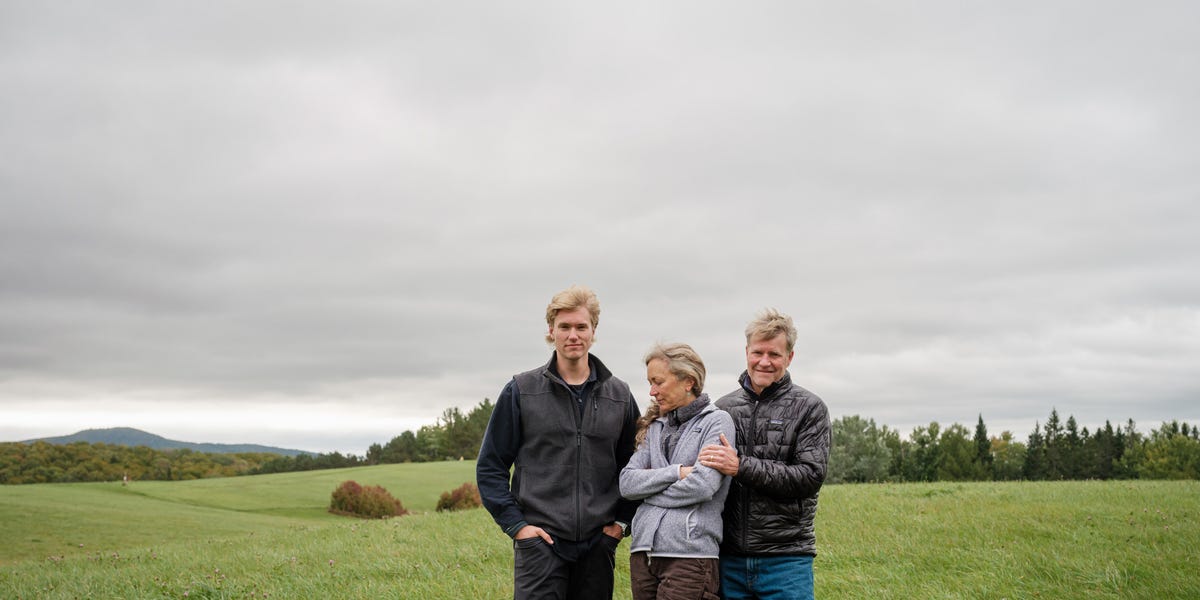
I chatted with Karen and Eric Wilson over Zoom on March 27, a week before the Netflix release. They sat shoulder to shoulder in front of the screen—behind them, a large photo of a beaming Moriah at the Sea Otter Classic just a month before she died.
The couple spoke openly: Karen, with an easy smile, animated by memories of her daughter and attuned to the small signs that keep her close; Eric, more reserved, delivering recollections with a quiet intensity.
My prepared questions quickly fell away as it became clear the Wilsons don’t need much prompting to share the still-glimmering facets of who their daughter was: Moriah lived with intention, she had a thing for heart-shaped rocks, she had keen sense of her own mortality and the mark she wanted leave behind. “Her spirit still exists,” says Karen, her voice cracking a tiny bit. “She’s still a part of us.”
The Wilsons were getting ready to hold a private screening of the film later that evening for their local community in East Burke, Vermont. “A lot of people here loved her very much,” Karen says. “We want to be there with them when they see it, and for them to be surrounded by a loving community.”
The film is, at times, difficult to watch, but like Bicycling’s story, it returns again and again to what the Wilsons most want people to see: Moriah’s life, and the legacy they’re committed to keeping alive.
Why They Said Yes to the Documentary
The Wilsons had no desire to see their daughter’s life reduced to a headline or made into just another true-crime story. So when Hayes approached them, they were initially cautious.
But, they say, the decision to participate went back to the original Bicycling story. “The way Rowan portrayed Moriah was really beautiful,” Eric says. “When Evan contacted us, he had read the article and felt compelled to make a film to tell Mo’s story in a broader venue… to show the truth about her life and the kind of person she was.”
Hayes also mentioned he had a daughter and “thought Moriah’s life and story would inspire her in positive ways,” Karen adds. “That was a big clincher for me.”
Related Story
So was the opportunity to extend Moriah’s impact. In 2023, the Wilsons launched the Moriah Wilson Foundation, focused on expanding access to sports for young people—especially those who might not otherwise have the opportunity to get into cycling or skiing, Mo’s first love.
“In the first few years, we’ve been able to give out over $140,000 to various organizations,” says Eric. The film, they hope, will bring wider attention to that work.
“We are making an impact and, god willing, we’ll be able to expand that,” he says. “We’re determined to make good from this tragedy.”
 Courtesy Netflix
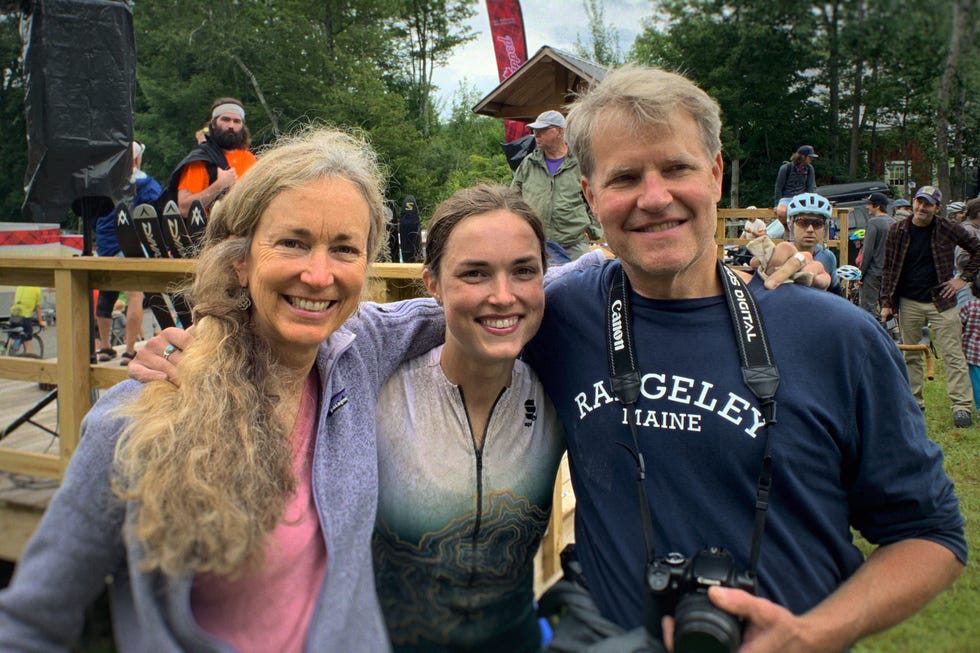
Karen, Moriah, and Eric Wilson
 Courtesy netflix
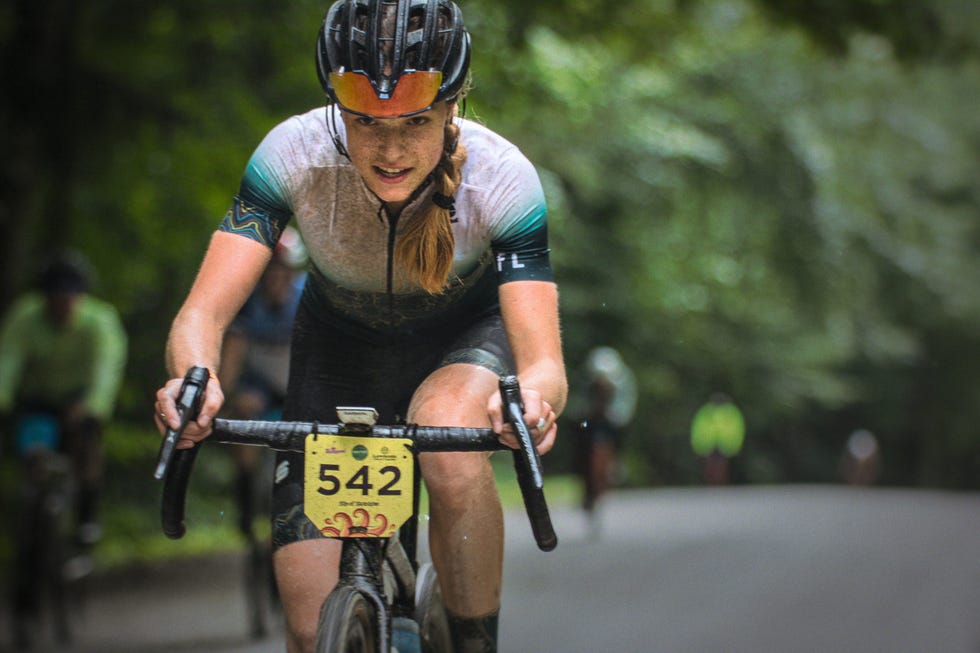
Mo racing Rooted Vermont in 2021.
What It Was Like to Watch the Film
“The whole process has been like, ‘Are we doing the right thing?’” Karen says.
After viewing a raw cut in 2025, they had notes for the filmmakers—specifically, a request for “a little less of the crime and a little more of her,” Karen says. “I mean, we definitely had mixed emotions. If it were up to me, it would be 10 percent the crime and 90 percent Moriah—because I’m her mom. That’s all I want to watch.”
It wasn’t until the premiere at SXSW 2026 in Austin on March 12 that they saw the finished documentary. They weren’t sure what to expect. “But it captures enough of her beyond what all the other drama showed,” says Karen.
There’s no getting past the fact that parts of the story are difficult to relive. In particular “that 911 call,” she says. “I have to cover my eyes and ears.”
“If it were up to me, it would be 10 percent the crime and 90 percent Moriah—because I’m her mom.”
But when a canceled flight left the family with unexpected free time in Austin after the premiere, Karen surprised herself by going back for a second watch.
“I just felt like I was supposed to go see it one more time,” she says.
Afterward, the feedback she got surprised her, and helped ease some of her uncertainty.
“People recognized me and said, ‘We feel like we got to know your daughter. Thank you for sharing your story,’” Karen says. “That was really meaningful.”
It also drove home just how far the film would reach. What began as a profoundly personal decision—to revisit painful memories and allow a film crew unfettered access to their lives—would soon be seen by audiences around the world.
“When we made it, I was thinking more about how we were going to feel about the film,” Karen says. “I didn’t think about the fact that millions of people would see it. It’s kind of intense!”
But there’s another side to that. “When someone dies who you love so much, you worry everyone will just forget about them,” she says. “One of the main reasons I’m so happy this film has been made is because she’ll be remembered.”
What They Hope People Take Away
Ultimately, the Wilsons are at peace with how the filmmakers captured Moriah’s essence—her determination, her selflessness, her desire to be there for others.
That comes through in the film’s mix of family video footage and snippets from Mo’s journals. From the beginning, Eric says, she aimed high. In one clip, an 8-year-old Moriah, after finishing 12th in her first ski race, looks wistfully at the girls on the podium.
“You could see she was thinking, ‘I want to be there,’” Eric says. That drive carried her from ski racing into elite cycling.
“There are so many beautiful scenes,” Karen says. “When I see them, I just feel so much joy and gratitude for the life she lived… the impact she had on so many people.”
She especially appreciates how the film captures Moriah’s interior life through those journal entries, read in voiceover.
In the months before her death, Moriah had been writing about purpose—how to turn achievement into impact. “She was always asking herself, ‘What kind of person do I want to be?’” Karen says. “She wanted to lift others up. She wanted her success to have meaning.”
 Joanna Kulesza
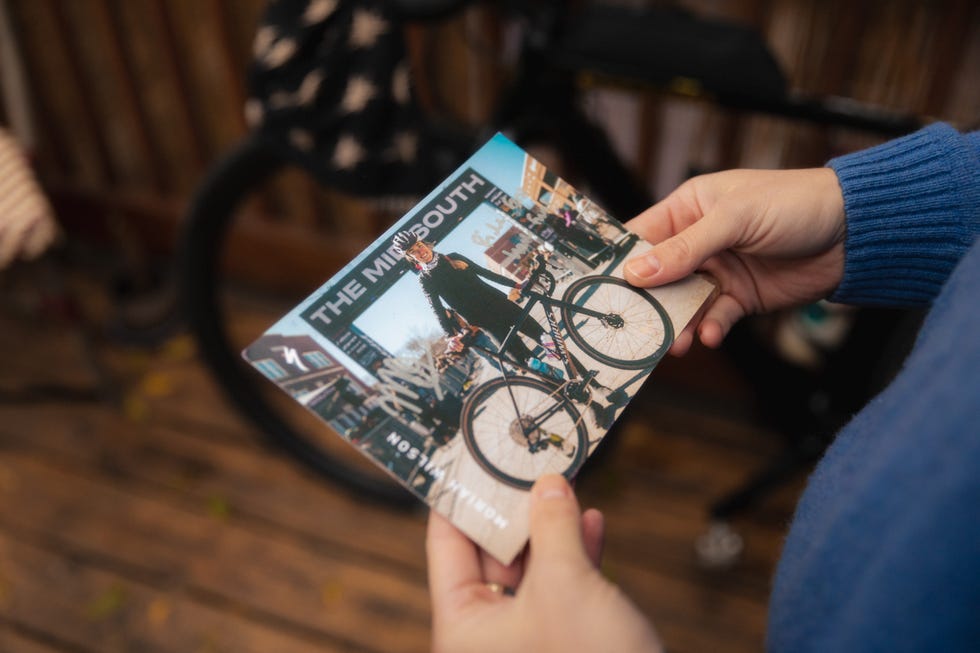
A photo of Mo at Mid South in 2022.
“One of the main reasons I’m so happy this film has been made is because she’ll be remembered.”
The Wilsons say speaking with Gerety for the original Bicycling story in 2022 was, in some ways, cathartic—a chance to talk openly when their emotions were still raw. They describe a similar experience working on the documentary.
“The more you can accept it, then the more you’re able to keep moving forward,” Karen says. “It’s powerful, talking about all your feelings with someone who wants to listen.”
They acknowledge that grief doesn’t follow a straight path. One day you’re on the other side of that mud puddle; the next, you’re knee deep all over again.
“You want to think, ‘What if it didn’t happen?’ But if you keep thinking about those things, you’re going to miss life altogether,” Karen says. “I know Moriah doesn’t want that for us.”
In the end, the Wilsons hope the film leaves people with more than the story of a tragic, senseless crime. They hope it leads to reflection.
“There are lessons in the film,” Eric says. “Integrity matters. Being honest matters. And there are things in this story that we can all ask ourselves: How do I want to live my life? What kind of impact do I want to leave behind?”
Support the Moriah Wilson Foundation with a donation, or register for “Ride for Mo,” the organization’s annual fundraising ride at Kingdom Trails in Lyndon, Vermont, held this year on May 9.
Watch the Official Trailer
Leah has been editing longform narrative stories for more than 20 years and currently directs features for Bicycling, Runner’s World, and Popular Mechanics. She conceived of and edited “12 Minutes and a Life” by Mitchell S. Jackson for Runner’s World that won both the 2021 Pulitzer Prize and the National Magazine Award for Feature Writing. She lives in eastern Pennsylvania.