
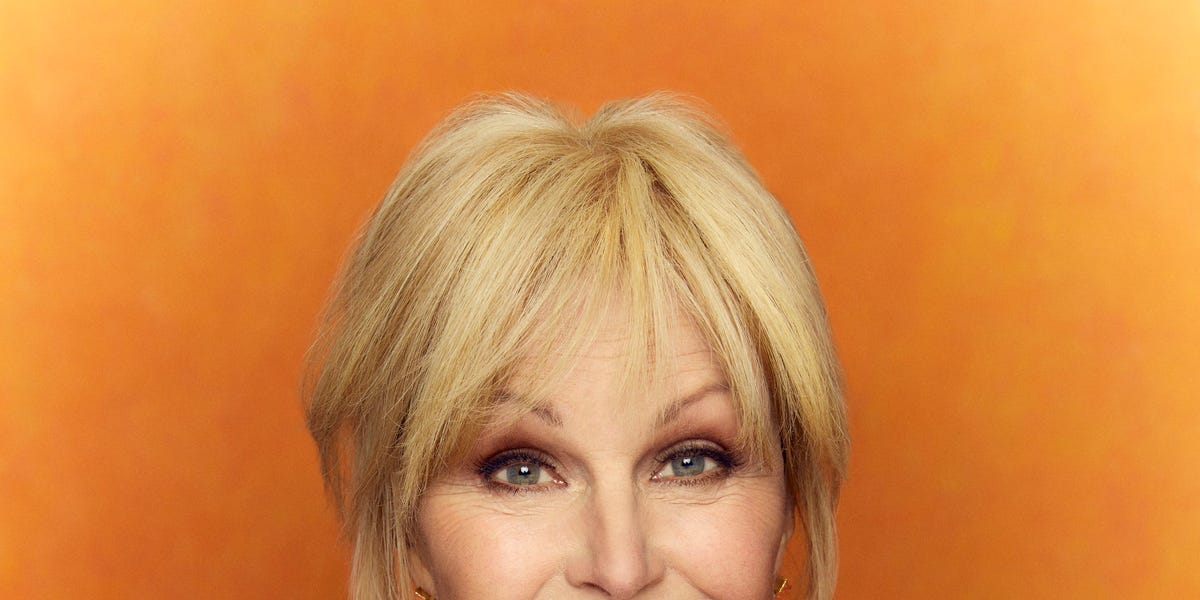
As Patsy in Ab Fab, she once merrily swigged from a bottle of Channel No. 5. But in real life, Joanna Lumley’s diet is now rather cleaner. ‘I like raw things very much, like salads and stuff,’ she recently told Nick Grimshaw and Angela Hartnett, on their Waitrose-sponsored Dish Podcast.
Lumley made the switch to vegetarianism in the late 70s and, while ‘you can’t stop time,’ she is convinced the diet has real benefits. ‘I do believe that not eating meat holds back the ageing process,’ she said. ‘But if vegetarianism is not for you, so be it. My husband Stephen isn’t a veggie, and he’s wonderful.’
Does the science support her? Well, seemingly. For years, studies have linked vegetarian diets to a lower risk of heart disease and stroke, type 2 diabetes and obesity. The effect stems partly from the fact that vegetarians tend to eat more fibre and less saturated fat. Meanwhile, processed meat has been classified as carcinogenic for over a decade. Then, at the start of this year, a new study was published that confused things.
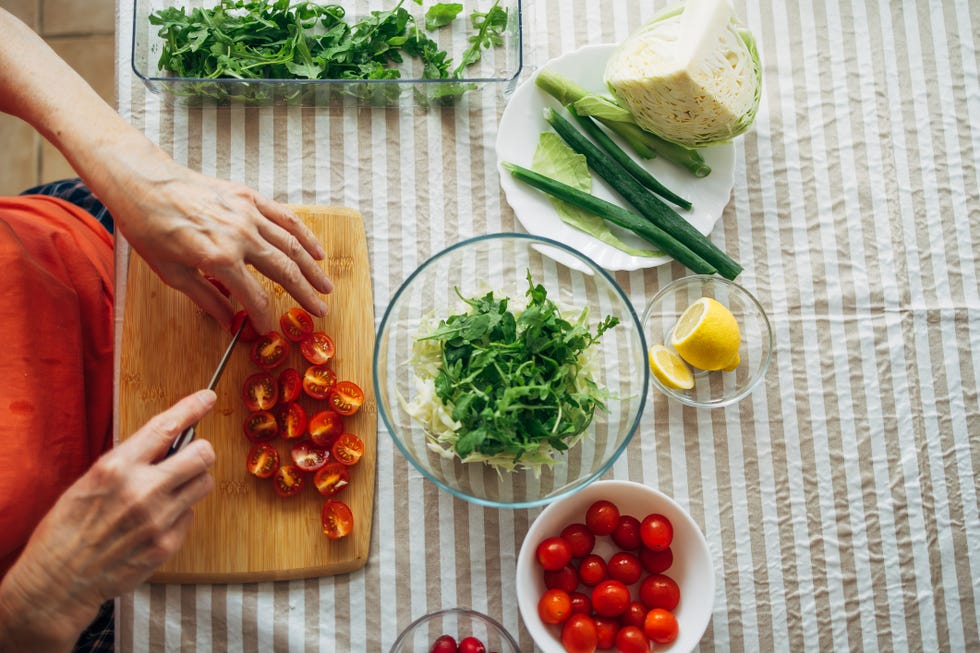
Ekaterina Vasileva-Bagler//Getty Images
The research tracked over 5,000 participants in the Chinese Longitudinal Healthy Longevity Survey, a study that started in 1998. By 2018, the non-meat-eaters among them were less likely to reach the age of 100.
What are we to make of this? Well, as Chloe Casey Lecturer in Nutrition and Behaviour, Bournemouth University points out: ‘this study focused on adults aged 80 and older, whose nutritional needs differ markedly from those of younger people.’
As we age, our energy expenditure declines, alongside our muscle mass, bone density and – often- appetite. As a result, the risk of frailty, falls and malnutrition rises and what we need from our food therefore changes. ‘In later life,’ she suggests, ‘rather than focusing on preventing long-term diseases, the goal becomes maintaining muscle mass, preventing weight loss and ensuring every mouthful delivers plenty of nutrients.’
Look carefully at the data, in fact, and some nuance emerges. The lower chance of becoming a centenarian was only observed in non-meat-eaters who were also underweight, says Casey, a factor that’s already clearly associated with frailty and mortality.
So, being a vegetarian of healthy weight is still associated with lower health risks throughout most of your life. But if you fancy a Sunday roast in your 80s, there’s no need to feel guilty. It’s definitely better for you than a shot of perfume.
Related Stories