

Breakfast is the most important meal of the day. You know it, I know it. Yet this knowledge somehow doesn’t help at all. Breakfast remains the most skipped meal of the day, the most rushed when we do have it and – for many of us – the most processed of all our meals, too.
Recently though, evidence has been building that breakfast is even more important than we’ve previously though, especially as we age. Last year, a study published in the Journal Of Neurorestoratology analysed data from 859 adults over the age of 60, giving each of them regular cognitive tests and looking for signs of neurodegeneration (loss of brain and nervous system function). Those who regularly skipped breakfast, they found, had lower cognitive scores, suggesting breakfast might protect against cognitive decline.
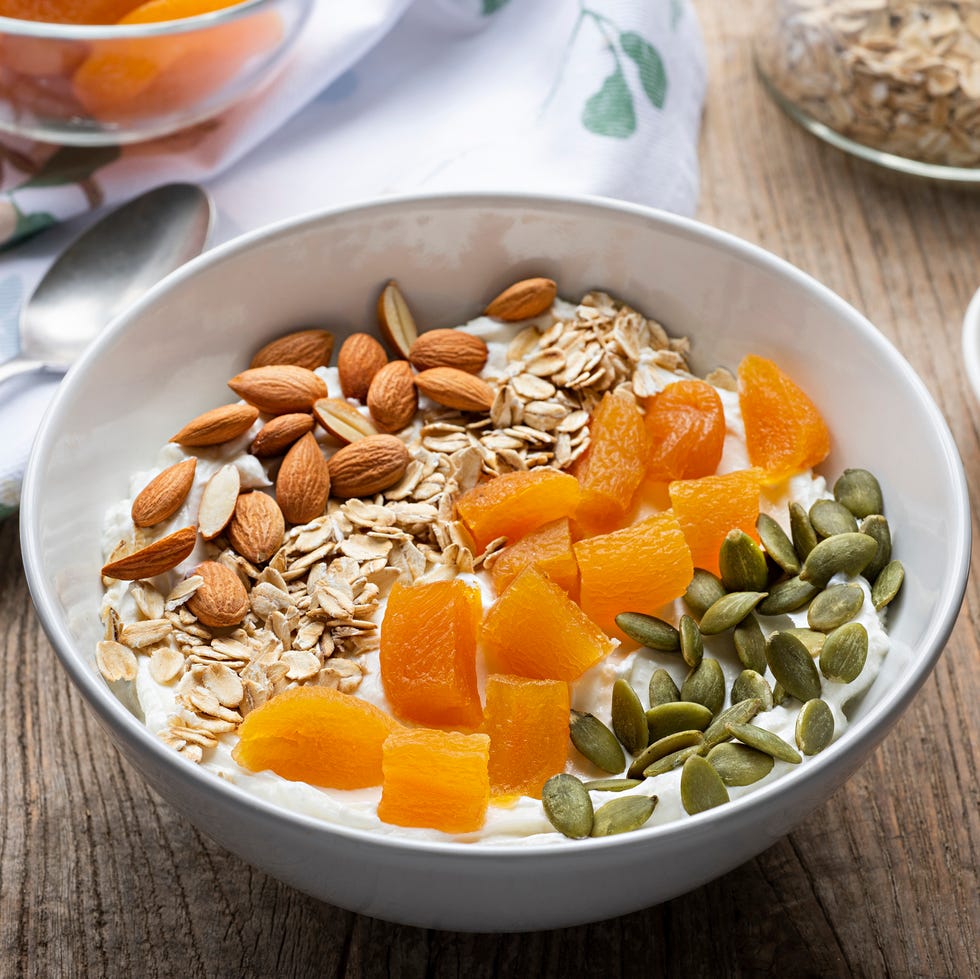
Not all breakfasts are created equal, however. We are what we eat, not just when we eat. So what should we put on our plates in the morning? Gabby Logan may just have the answer. ‘For me, five out of seven breakfasts involve a lot of Greek yogurt and nuts and seeds,’ she tells GH. ‘That’s one consistent thing I do.’
Burcu Atalay Tankut//Getty Images
The Match Of The Day presenter is currently busy presenting the BBC’s World Cup coverage and is also an ambassador for Menopace – a range of supplements designed to provide extra support during the menopause. ‘I’m working really hard at the moment,’ she says. ‘But I feel good. My energy levels are still great and consistent, my sleep’s good, too. All the metrics you want to feel good about seem to be good at the moment.’
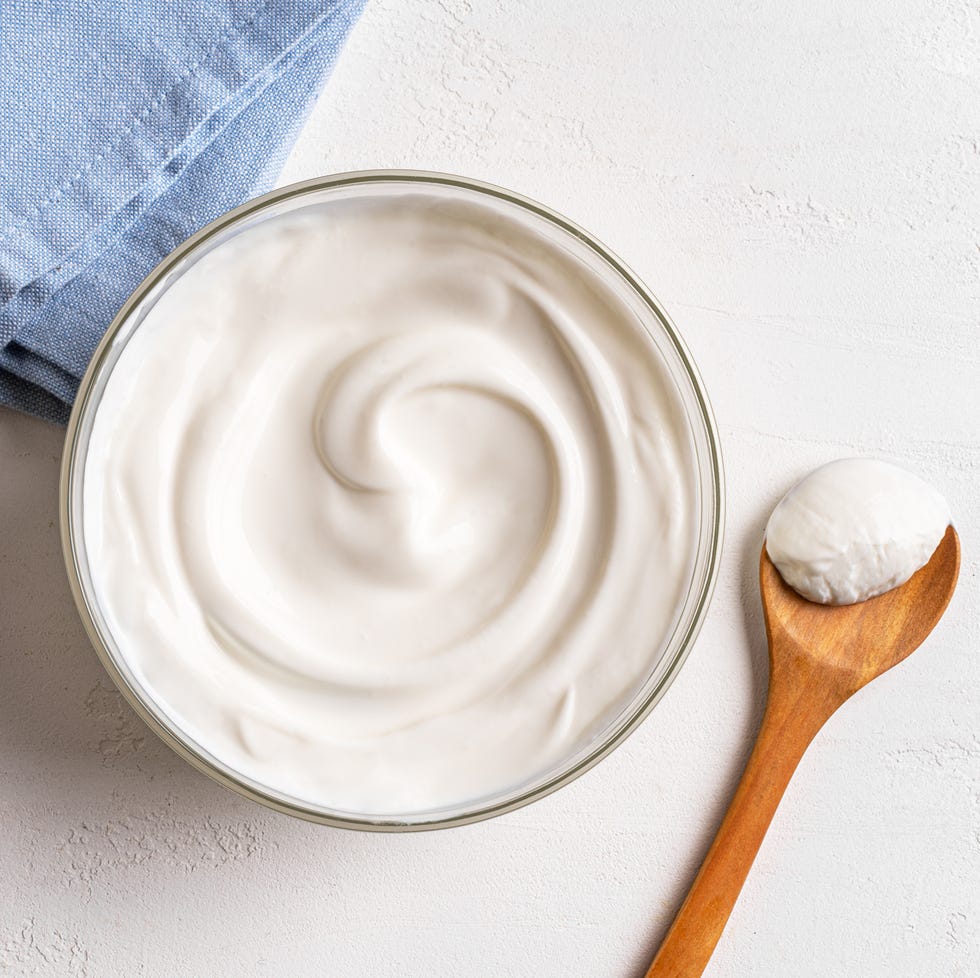
Her breakfast can’t take all the credit for this – her exercise regime is also super sensible – but it is, quite literally, a good place to start, suggests Emily Leeming, dietician, scientist at King’s College London and author of Fibre Power and Genius Gut. For a start: ‘greek yogurt is a good source of protein,’ she says.
Protein, of course, is essential to getting the animo acids your body needs to fix damaged cells and build new tissue, and Greek yogurt packs in more of it than natural yogurt. As we age, this becomes more vital still, to combat age-related muscle loss (sarcopenia). That’s why recommended intake rises from 0.75 g of protein per kg of bodyweight in adults, to about 1g to 1.2g per kg of bodyweight once you’re 65 or over.
Greek yogurt also provides a rich, easily absorbed source of calcium – the primary mineral that builds and maintains strong bones. This is especially helpful to women in mid and later life since your body’s production of oestrogen slows as you enter the menopause. That’s a problem because the hormone helps to regulate bone remodelling by keeping bone-resorbing cells (osteoclasts) in check, while promoting the activity of bone-building cells (osteoblasts). As a result, women can lose up to 10% of bone density in the first five years.
Mizina//Getty Images
Greek yogurt is also a live fermented good, Dr Leeming points out. In fact, much of the research highlighting the benefits of fermented foods have focused on yogurt: ‘it’s great for your heart health, blood sugar markers, and also your gut microbiome.’
Adding nuts and seeds adds in fibre, a variety of micronutrients such as vitamin E, and healthy fats, she says: ‘fibre is the preferred fuel for your gut microbes, helping them to grow and make molecules that support our health, like short-chain fatty acids.’ Our microbiomes tend to become less diverse and more vulnerable as we age, especially as we go through the menopause – and this can have impacts that extend far beyond our digestive health: ‘these molecules help keep your gut healthy, but also influence many other systems in the body, from your immune system to your brain,’ says Leeming. ‘Fibre also supports your heart health, balances your blood sugar levels and keeps food moving through your gut at a timely pace. It’s these collective reasons that fibre is linked to lower risk of heart disease, type 2 diabetes, bowel cancer and early death.’
dulezidar//Getty Images
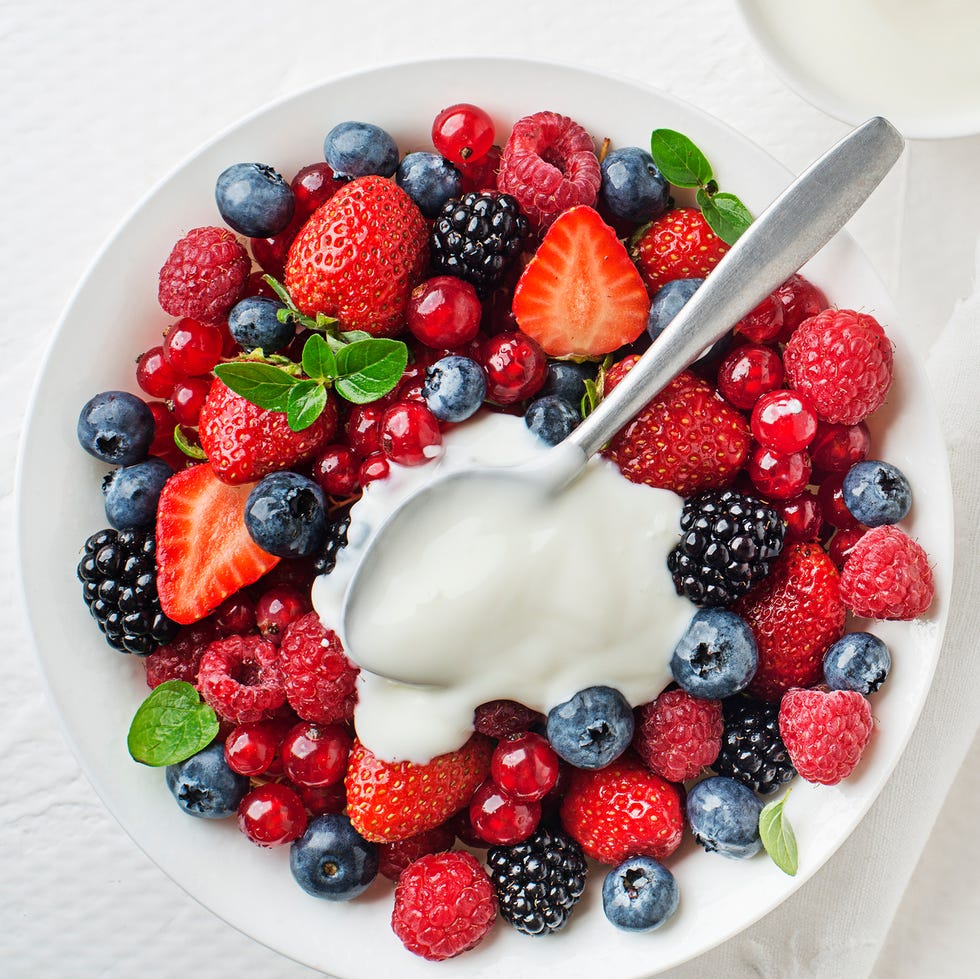
Finally: ‘ Add some berries – packed with fibre and polyphenols,’ she suggests. Last year, a study published in The American Journal Of Clinical Nutrition found that women who consumed the highest intakes of flavonoids – equivalent to three servings of berries a day or more — had a 15% lower risk of frailty, 12% lower risk of impaired physical function, and 12% lower risk of poor mental health at the end of the study period compared to those who consumed the least amount of flavonoids.
So, grab a tub of Greek yogurt from the fridge, sprinkle over some seeds and nuts, and add a handful of berries. It’s quick and delicious, will fill you up all morning and fuels your healthy ageing.