
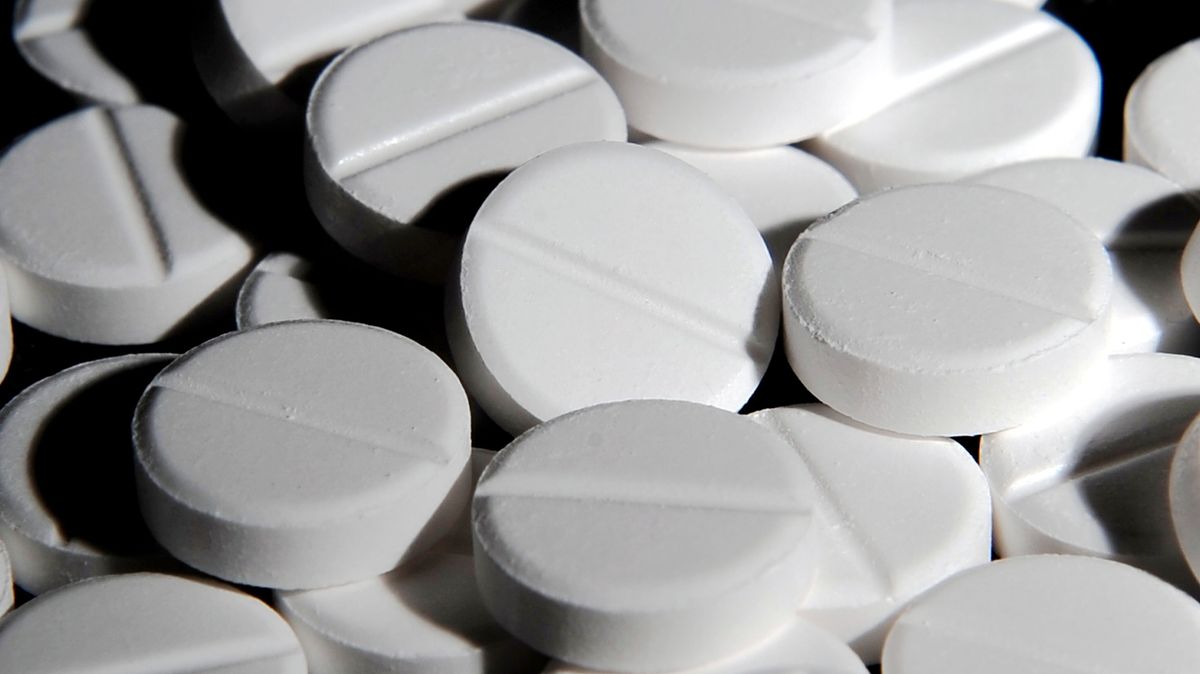
It marks the first tablet of its type to receive clearance from the Medicines and Healthcare products Regulatory Agency (MHRA)
Clinical trials demonstrate they are safe and effective, though it may require several months to achieve full benefits and there is the possibility that weight could return after discontinuing the medication.(Image: PA)
Weight loss medications have become increasingly popular with most people familiar with brands like Ozempic, Mounjaro and Wegovy which produce GLP-1 weight-loss injections. Now a tablet form of the medication has now been approved in the UK.
A pill version of the weight-loss medication Wegovy has received approval in the UK, meaning people can shortly purchase it with a prescription. It marks the first tablet of its type to receive clearance from the Medicines and Healthcare products Regulatory Agency, external (MHRA).
Manufacturer Novo Nordisk has said that the once-daily tablet could prove more practical for certain individuals than administering weekly injections of GLP-1 medication that suppresses appetite.
Clinical trials for Wegovy demonstrate they are safe and effective, though it may require several months to achieve full benefits and there is the possibility that weight could return after discontinuing the medication.
Additionally, unlike the injection, the tablets require no refrigeration which means they would be easier to transport. Stay informed on the latest health news by signing up to our newsletter here
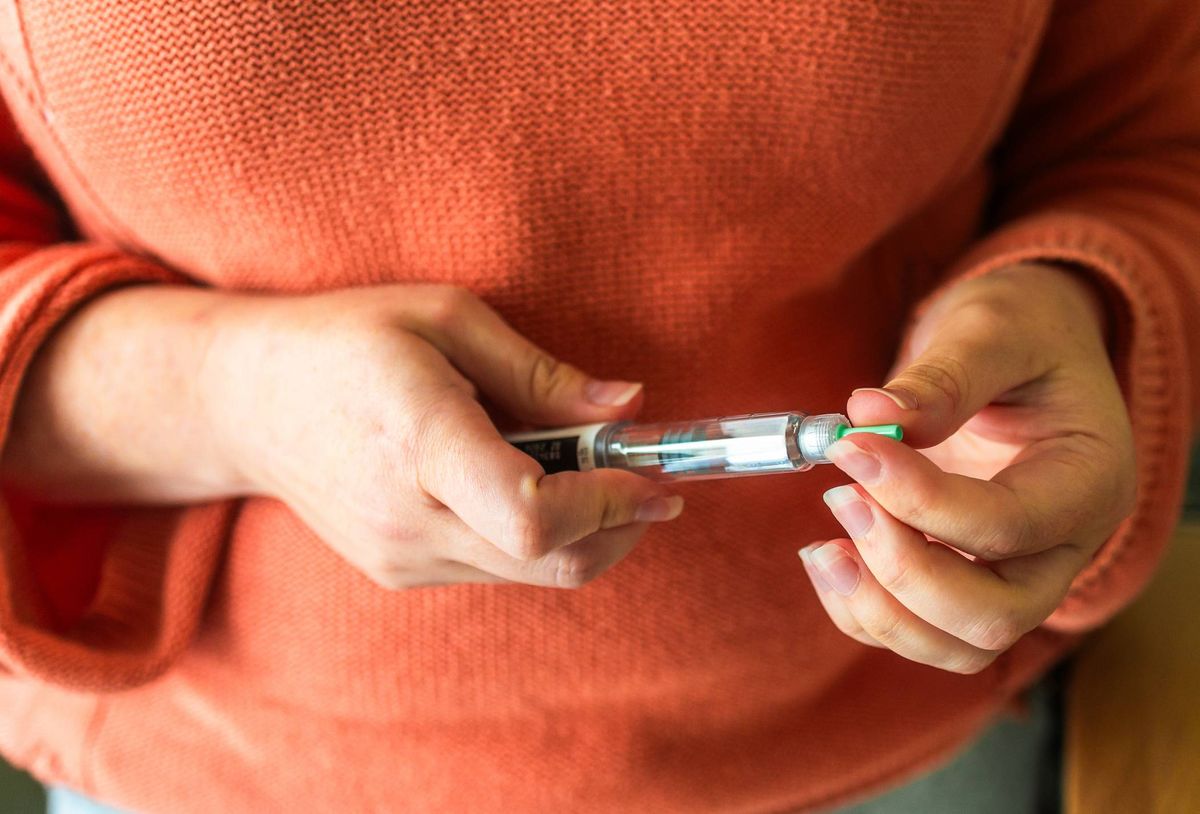
An estimated 1.5 million people in the UK use these drugs – but more than nine in 10 are believed to pay privately.(Image: Getty)
Nevertheless, the pill form of Wegovy will remain unavailable on the NHS until specialists can evaluate and determine whether it should be recommended.
NICE confirmed to the BBC Novo Nordisk had not yet contacted them regarding it, though they were “in active dialogue” with the company.
Several high street and online pharmacies intend to incorporate it into their doctor prescribing services within the forthcoming weeks.
The starting dose for the tablet is 1.5 mg once daily, increasing to 4 mg, 9 mg and 25 mg with a minimum period of one month at each dose level.
Like its injectable counterpart, the tablets contain semaglutide which functions by replicating the effects of a naturally occurring hormone called GLP-1 that reduces appetite and delays digestion to maintain feelings of fullness and diminish hunger.
Executive Director of Healthcare Quality and Access at the MHRA, Julian Beach said: “Having met the MHRA’s rigorous standards of safety, quality and effectiveness, the semaglutide tablet has been approved in the UK for weight loss and weight management.
“As with all GLP-1 receptor agonists, this is a prescription-only medication.”
It is advised that anyone taking the medication follows the instructions in the Patient Information Leaflet on how to take semaglutide tablets for weight loss and weight management treatment.
As with any medication, there may be side effects, including nausea, diarrhoea, constipation and vomiting. The UK Government have asked: “Anyone who suspects they are having a side effect from this medicine should talk to their doctor, pharmacist or nurse and report it directly to the MHRA Yellow Card scheme, either through the website or by searching the Google Play or Apple App stores for MHRA Yellow Card.”
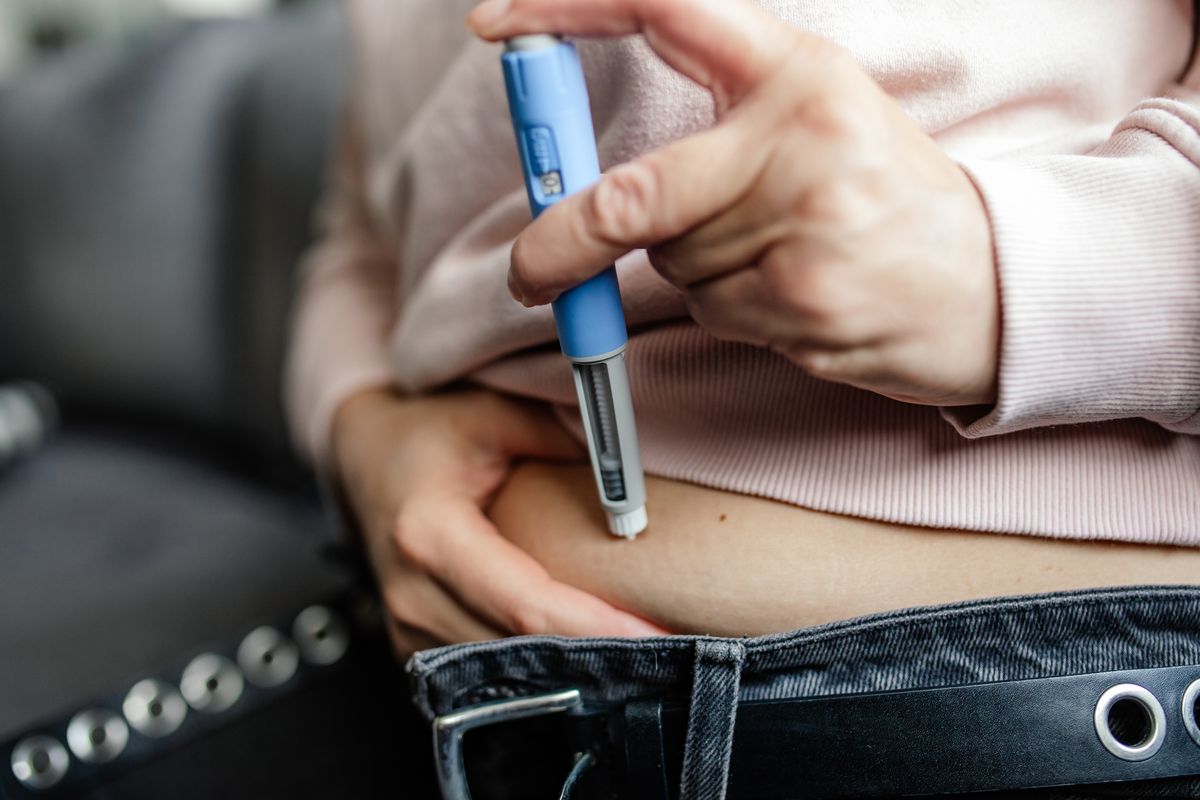
Like its injectable counterpart, the tablets contain semaglutide which functions by replicating the effects of a naturally occurring hormone called GLP-1 that reduces appetite and delays digestion to maintain feelings of fullness and diminish hunger.(Image: Getty)
Although the National Institute for Health and Care Excellence (NICE) has approved the use of GLP-1 injections for weight loss, Wales is introducing it more gradually. This means it can’t currently be prescribed by GPs on the NHS as part of the All Wales Weight Management Pathway.
This has resulted in patients requiring GP referrals to specialist tier three weight-management services for severe obesity (BMI over 45, or over 40 with certain conditions) to access tirzepatide, semaglutide and liraglutide weight loss medications in Wales.
However, in October the Welsh Government revealed that, alongside the existing criteria, people waiting for time-critical surgery or organ transplants, women pursuing fertility treatment, and those with conditions including severe asthma, severe obstructive sleep apnoea, or cancer where weight reduction would enhance treatment outcomes or therapy access, will be able to obtain the weight-loss medication via the NHS. You can read more here.
A Welsh Government spokesperson has said: “We want to ensure that the people of Wales have the means and the opportunity to live healthier and happier lives.
“We have an established approach to the use of weight-loss medication through the All-Wales Weight Management Pathway where they are prescribed after, and in conjunction with, essential lifestyle changes that support weight loss. This includes support for sustained weight maintenance following treatment.”
They have additionally shared that as with all new medicines, semaglutide tablets will need to be evaluated by NICE to determine whether its benefits are appropriately balanced with its cost.
If and when NICE recommend semaglutide tablets for use in the NHS, then they will be made available to people who meet the eligibility criteria for treatment in Wales.