
 Credit: wildpixel / iStock / Getty Images Plus
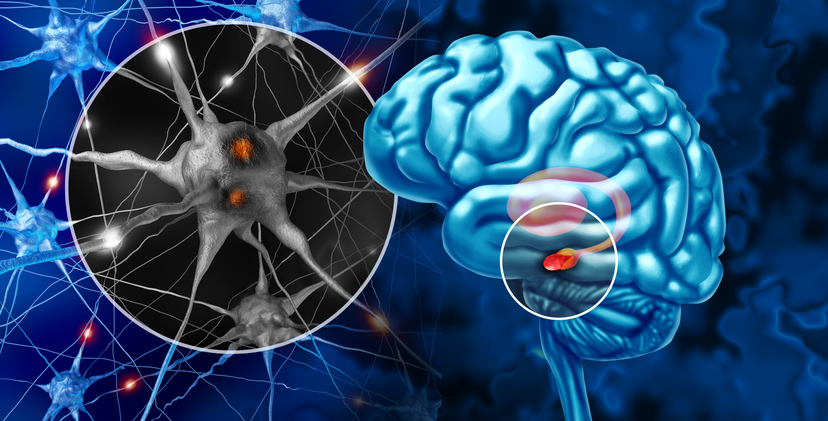
Brain organoids created in the lab using patient cells have allowed researchers based at the Wilhelmina Children’s Hospital in Utrecht to find out more about the progression of an ultra-rare type of childhood Parkinson’s disease.
Notably, as reported at the European Society of Human Genetics meeting in Gothenburg this week, the study also identified that an affordable and readily available form of vitamin B3 could help improve symptoms in these children.
Irena Muffels, MD, PhD, a clinical genetics resident at the Wilhemina Children’s Hospital, was working at the Icahn School of Medicine at Mount Sinai, New York, when the study began. Two parents contacted the lab where she was working to ask if they could look into the condition their children had been diagnosed with, a rare form of early Parkinson’s caused by mutations in the DHDDS gene.
“They contacted Professor Eva Morava, for whom I was then working. We started creating mini-brains—tiny blobs of brain tissue grown in the lab from patients’ own cells—thus avoiding the need to take samples directly from the children’s brains,” she explained.
Muffels and colleagues observed these mini brains in the lab and found there were significant signs of deterioration after four months mirroring that seen in the brains of children with this rare condition.
In healthy cells, DHDDS helps make dolichol, a small fat-like molecule that acts as a platform for attaching sugars to proteins. When DHDDS doesn’t work properly, dolichol levels fall. As a result, cells struggle to attach sugar chains, called glycans, to proteins in the usual way.
Those glycans are important because they help proteins fold correctly, reach the right place in the cell, and function as they should. In the patient‑derived mini brains, the team could see that these sugar chains were formed incorrectly.
Low dolichol also disrupts overall lipid regulation and causes cholesterol to build up in astrocytes, the brain’s supportive cells. “This accumulation builds over time, and this is why we think the disease progresses,” said Muffels, “since the accumulation of cholesterol leads to mitochondrial dysfunction, leading in turn to reduced energy production.”
Perlara, a rare‑disease biotech public benefit corporation that runs phenotypic screens in simple ‘patient avatar’ organisms, helped Muffels and colleagues identify nicotinamide mononucleotide, a naturally occurring type of vitamin B3, in a yeast‑based assay as a potential modifier of DHDDS‑driven cellular stress.
The vitamin appeared to have positive effects on the mini brains, and when the families of patients heard about it, they began using the supplement as it is readily available without a prescription and known to be safe. Within a few weeks, the patient’s walking got better and they had more energy and less tremors.
“The word about nicotinamide mononucleotide reached more DHDDS patients, and we currently have 12 patients taking it. We recently received funding from Congenital Disorders of Glycosylation UK… to start an international trial for nicotinamide mononucleotide supplementation in DHDDS-related disease,” said Muffels.
“Patients will take nicotinamide mononucleotide for a year and will be evaluated every three months. Although I have now left the U.S., I hope that the Wilhemina Hospital in Utrecht will be one of the official sites and that I may continue to work with these patients.”