
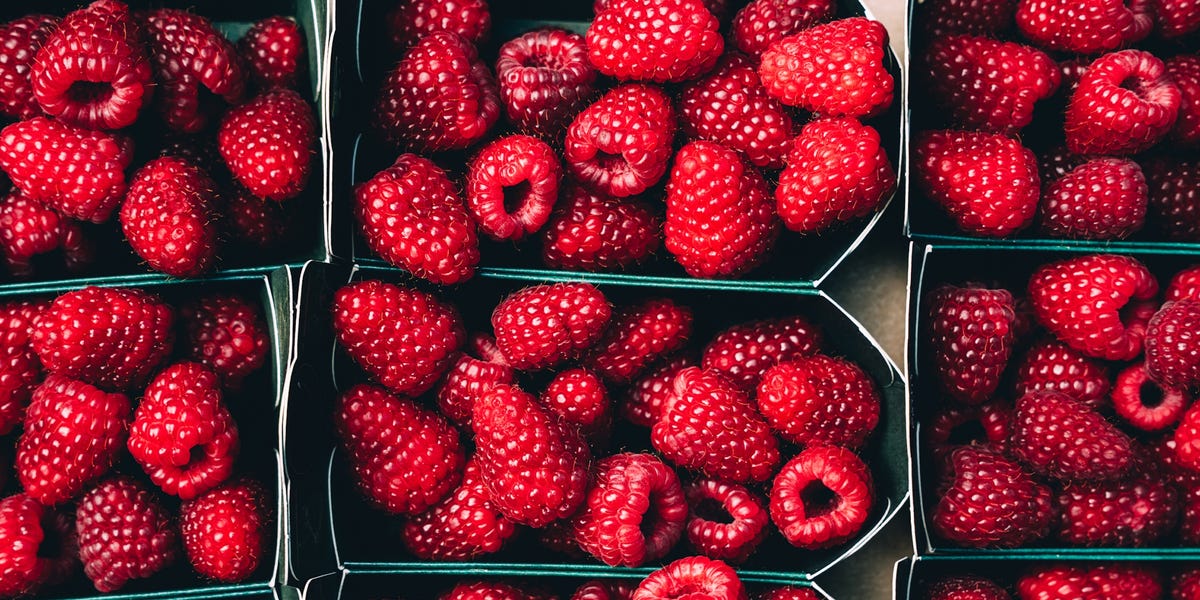
Berries! Delicious to eat solo, yummy to whizz up into drinks (raspberry matcha latte, anyone? Or a strawberry margarita?), a tasty topping for yogurt, a delightful addition to desserts. When food is that fun, there’s often an assumption that it can’t be especially good for you – surely, we think to ourselves, a delicious raspberry can’t be as wholesome as a big bowl of greens?
That assumption is wrong! Berries are indeed very good for our health, with each type delivering its own benefits.
‘Berries are a fantastic addition to the diet, providing fibre, vitamins and a wide range of naturally occurring plant compounds called polyphenols,’ notes registered dietitian Rhiannon Lambert. ‘The different colours indicate different combinations of these compounds. When they’re available, choosing British or locally grown berries is a lovely way to enjoy them at their freshest while supporting British growers. Choosing a variety of berries helps provide different combinations of fibre, vitamins and beneficial plant compounds.’
While all berries are good for us – there’s recent research to suggest a compound found in the majority of berries, pterostilbene, can help muscles burn excess fat, while previous studies show berries in general provide ‘significant health benefits’, including improved blood flow – we couldn’t help wondering if a particular berry reigns as the absolute best. The good news is there’s no clear winner and every berry has its own special features. But to sate your curiosity about your favourite berry – or help you choose which to opt for at the farmer’s market – we’ve outlined the health benefits associated with each of the major types of berries ahead.
Strawberries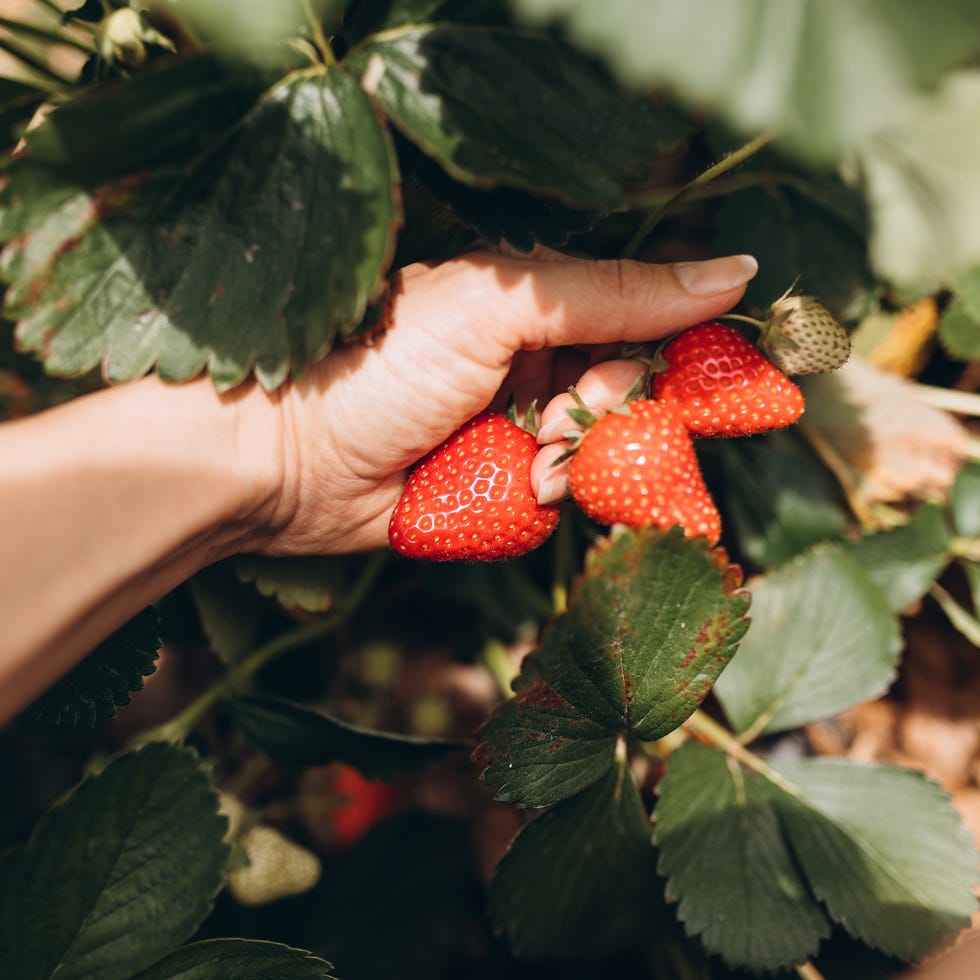
Liliya Krueger//Getty Images
Not just for Wimbledon, strawberries are super popular and have the goodness to back our love for them up.
‘Strawberries are particularly rich in vitamin C, which supports the normal function of the immune system and helps protect cells from oxidative stress,’ Rhiannon explains. ‘Their red colour comes from polyphenols, including anthocyanins, while their small seeds contribute fibre. Fibre supports digestive health and helps nourish the beneficial bacteria living in the gut.’
Strawberries have a particularly high water content, made up of around 90% water, so they’re great for hydration, too. One study found that eating strawberries could benefit cognition and general memory, and there’s research to suggest that strawberry consumption could help lower inflammation.
Blueberries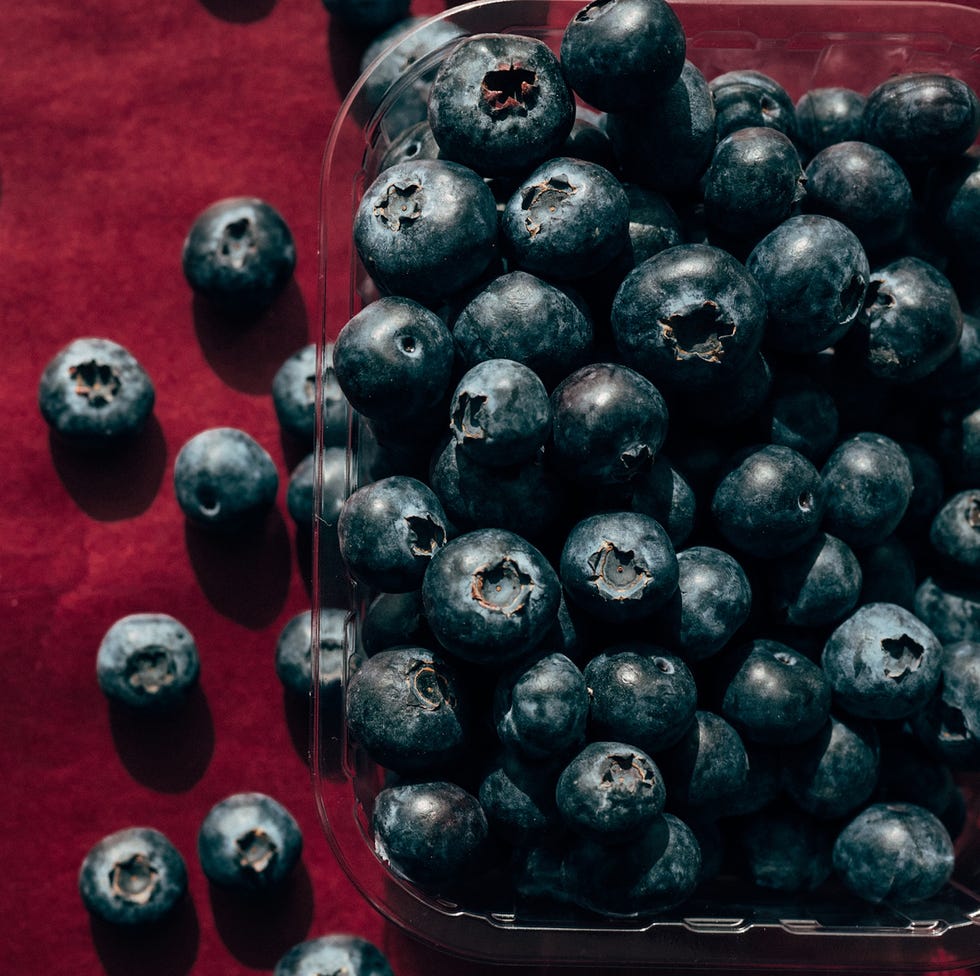
Viktoriya Skorikova//Getty Images
Rhiannon says: ‘Blueberries are particularly well known for their anthocyanins, which give them their deep blue-purple colour. These compounds form part of the berry’s natural defence system and have antioxidant properties in the diet. They also provide fibre, vitamin C and manganese, contributing to the overall variety of nutrients obtained from fruit.’
Manganese, FYI, is a mineral that’s needed for bone health – so it’s especially important to consume as we age. Other health benefits that have been linked to blueberries include protection against cardiovascular disease, improved cognitive function and improved recovery following exercise-induced muscle damage.
‘Fresh and frozen blueberries are both nutritious options,’ Rhiannon explains. ‘Frozen berries are especially useful outside the UK growing season (July to September) and can be added directly to porridge, smoothies or baking.’
Raspberries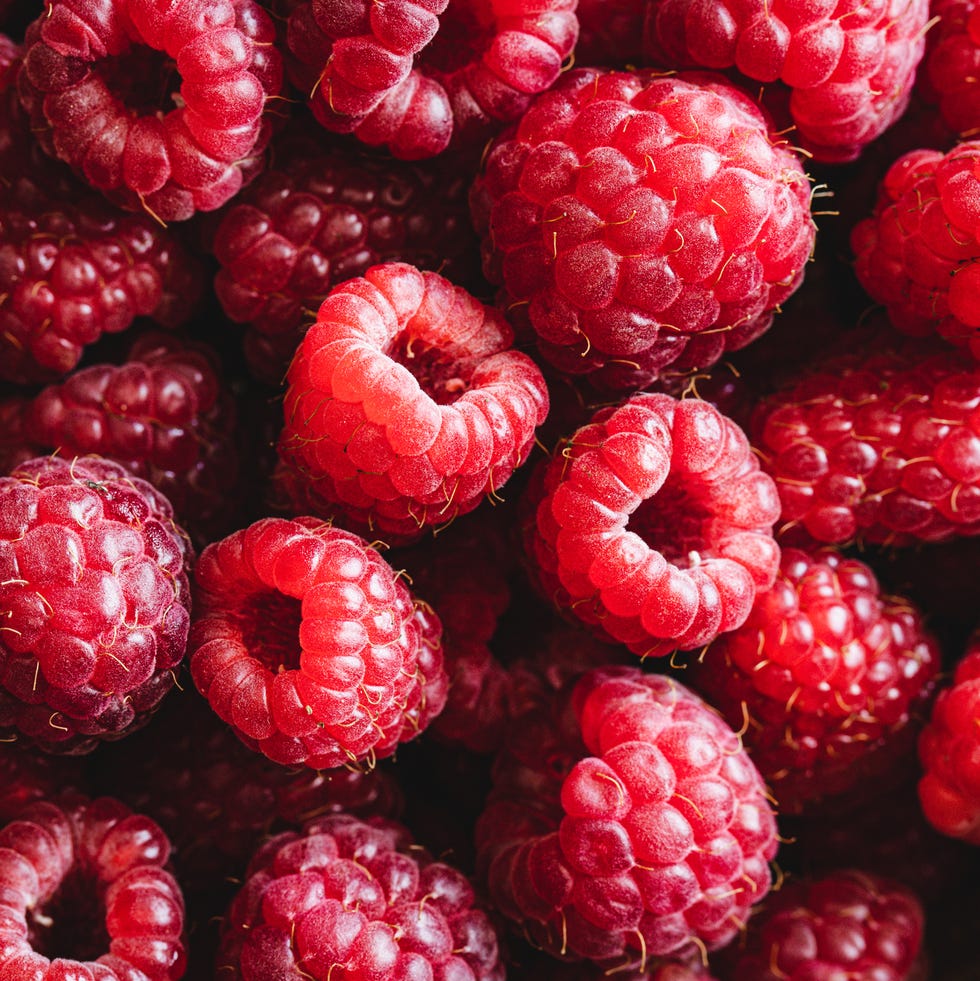
alvarez//Getty Images
If your priority right now is fibre (a wise choice for women over 50), raspberries should be your go-to berry type. ‘Raspberries are one of the highest-fibre fruits, providing approximately 6–7g per 100g,’ says Rhiannon. ‘Fibre supports digestive health and can help to slow the digestion and absorption of sugars.’
Along with the fibre, raspberries deliver high levels of vitamin C, ‘alongside polyphenols, including anthocyanins and ellagitannins, which have antioxidant properties and help protect cells from oxidative stress’, she goes on to explain. ‘Their naturally sweet but slightly sharp flavour makes them an easy addition to porridge, yogurt, salads and desserts.’
According to research from King’s College, raspberries may also improve cardiovascular function.
Blackberries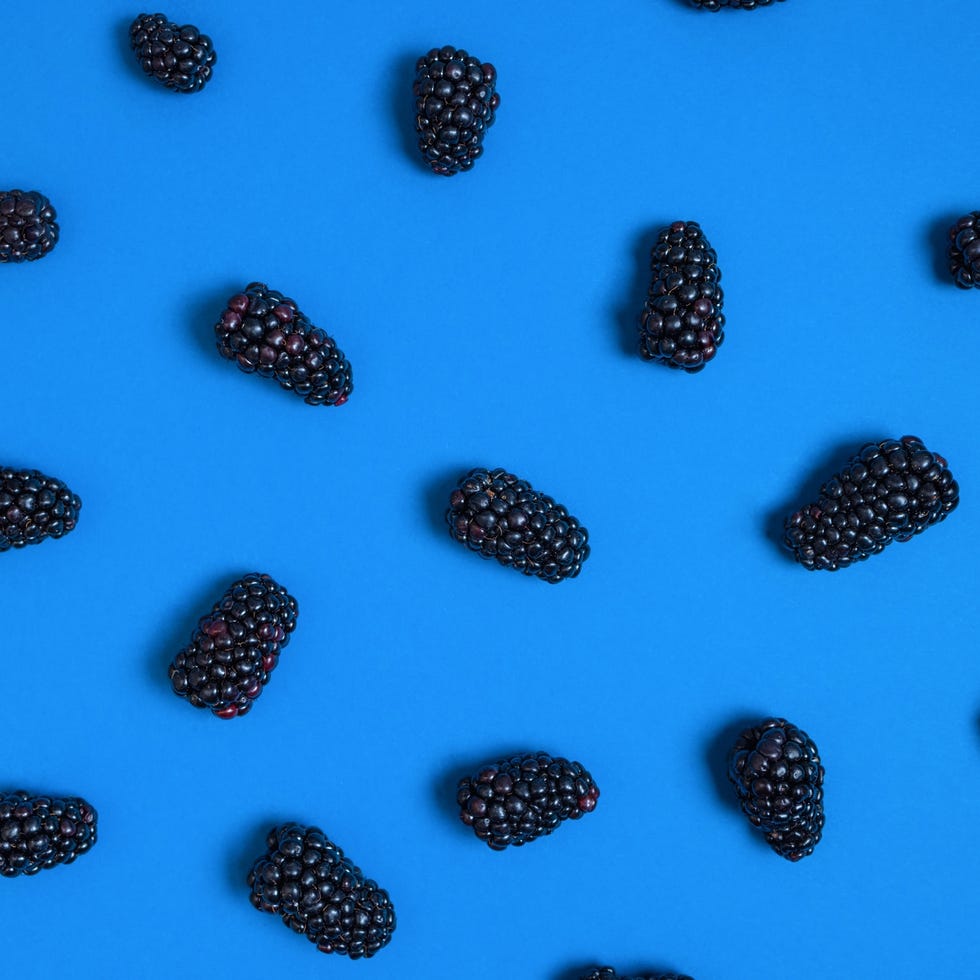
Liliya Krueger//Getty Images
Blackberries, too, pack a punch in the fibre stakes thanks to their many small seeds. So that’s good news for gut health and blood sugar levels.
Their deep purple colour points to those anthocyanins we keep mentioning; plant compounds with antioxidant properties. ‘They also provide vitamin C, so adding blackberries to breakfasts, snacks or baking can contribute both nutrients and greater plant diversity,’ says Rhiannon.
Blackberries deliver vitamin K and manganese, both of which can benefit bone health, and one study suggests this type of berry could provide a dental health benefit – though more research is needed.
Grapes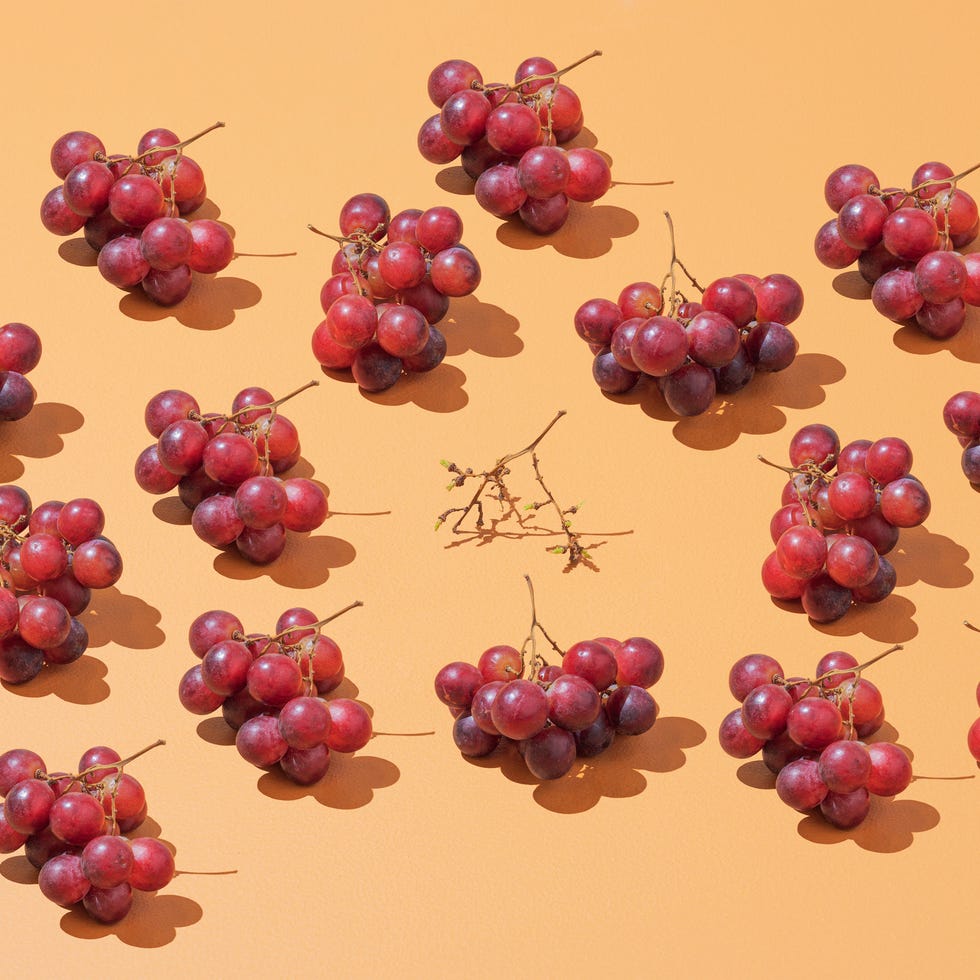
Daniel Grizelj//Getty Images
It’s not a competition… but if it were, grapes wouldn’t be top of the rankings. They’re still good for you, don’t worry – just not as packed with nutrients as the other berries on the list. As Rhiannon puts it: ‘Grapes are made up largely of water and carbohydrate, with smaller amounts of fibre, vitamin K, vitamin C and potassium. They’re not necessarily a standout source of any one vitamin or mineral, but they can still contribute to a healthy, balanced diet.’
Are red grapes any better than green grapes? Only slightly, so we’d advise just eating your favourite. Red, black, and deep purple grapes have greater anthocyanin levels in their skins. “However,’ notes Rhiannon, ‘their polyphenol content will vary according to the variety and growing conditions (so darker doesn’t automatically mean healthier).’
Blackcurrants 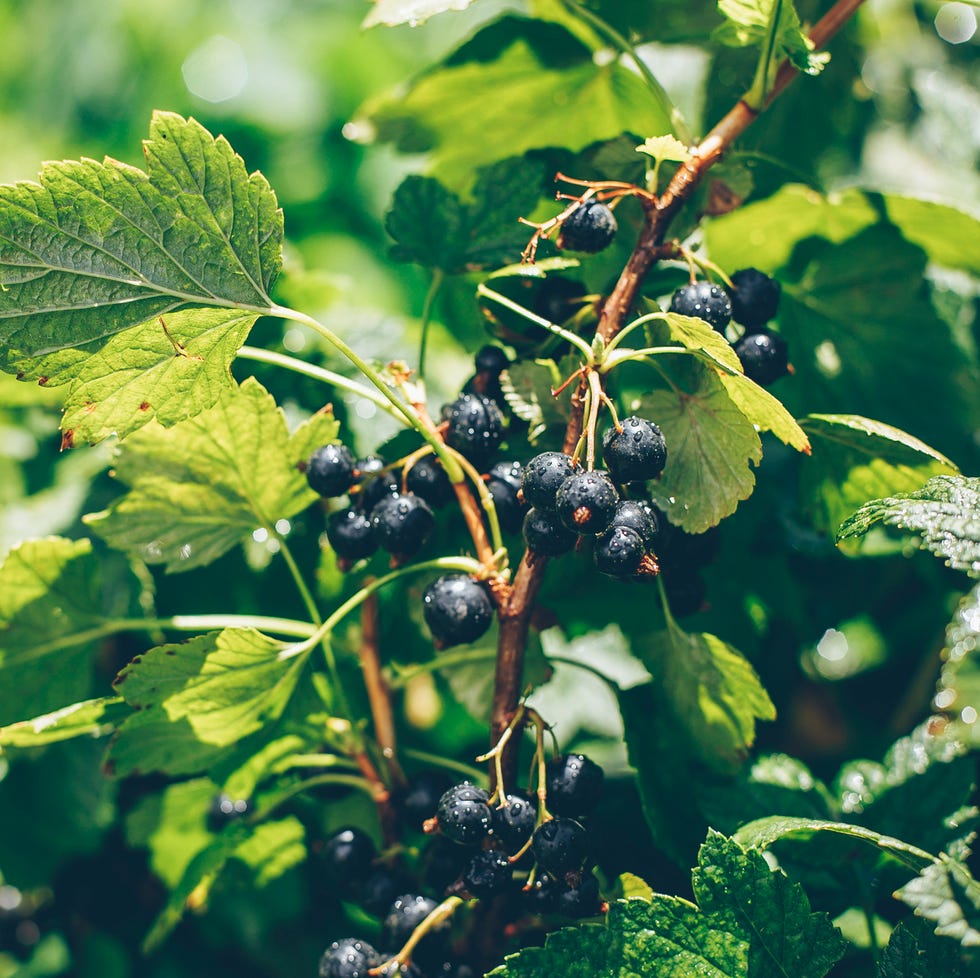
Alexandr Kolesnikov//Getty Images
Gram for gram, blackcurrants are richer in vitamin C than oranges – so we don’t know why the citrus fruit gets all the hype. This ‘supports normal immune function, contributes to normal collagen formation and helps the body absorb iron from plant foods’, shares Rhiannon.
‘Their dark purple colour indicates a high concentration of anthocyanins and other polyphenols,’ she adds – linked to improved heart health, brain function, reduced inflammation and metabolic benefits. ‘Their sharp flavour works particularly well stirred into yogurt, cooked into compotes or paired with naturally sweeter fruits. When choosing juices or preserves, it’s worth being mindful of added sugar.’
Gooseberries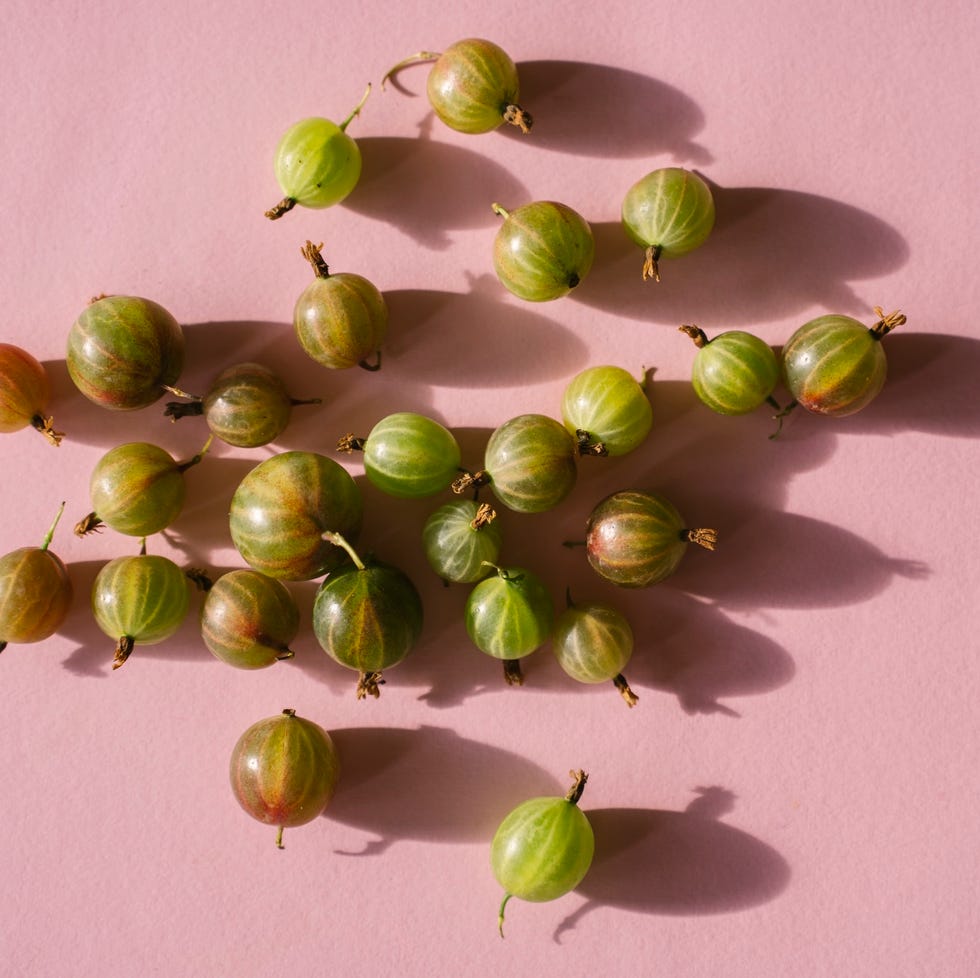
Anna Blazhuk//Getty Images
Goosberries can be a bit divisive – too sharp or just right? They can also be trickier to pick than other berries, thanks to sharp thorns on the stems. But they, too, have health benefits. ‘Gooseberries provide fibre and vitamin C alongside a range of polyphenols,’ Rhiannon tells us. ‘The skin is an important source of both fibre and plant compounds, so there’s no need to peel them.’
Redcurrants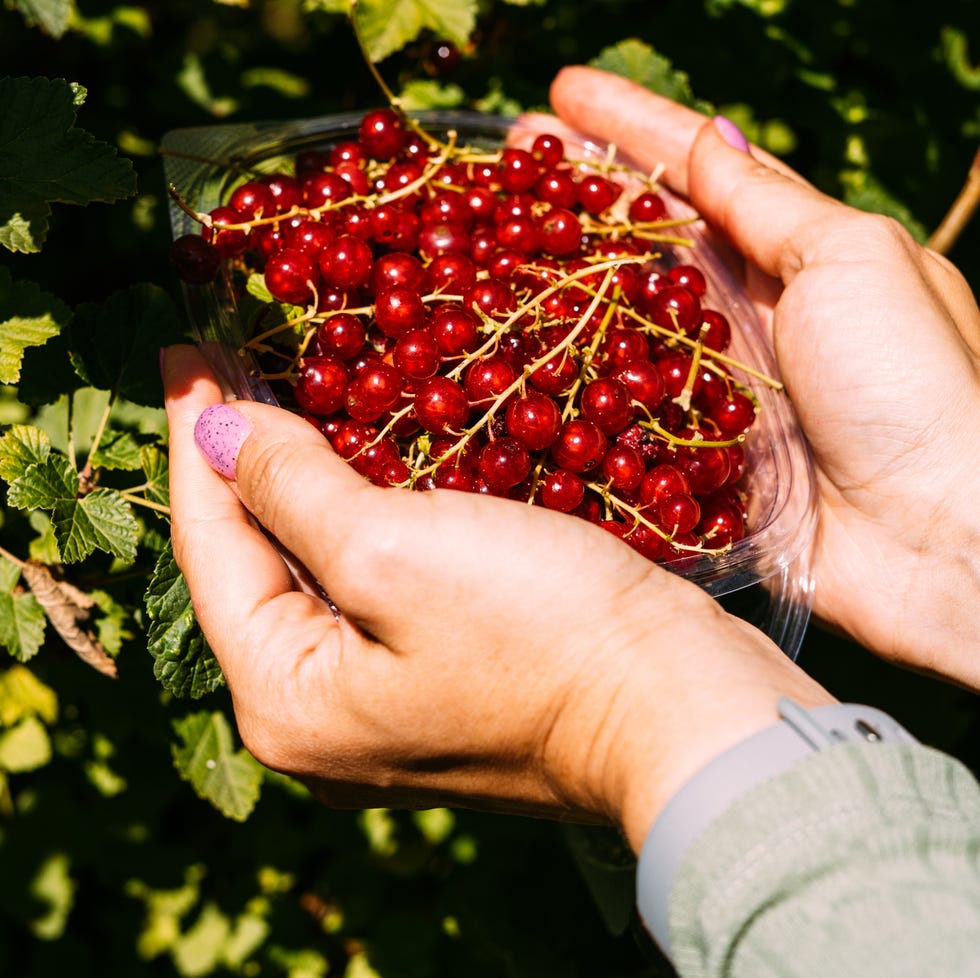
Anastasiia Voloshko//Getty Images
While redcurrants were once given the label of ‘superfruit’, they’re fairly average compared to the other berries on the list. Again, they’re high in vitamin C, fibre and polyphenols, so have benefits for immune function, heart health, digestion,and skin.
Note that if you only eat redcurrants in juice or jelly form, you’re missing out. ‘Eating the whole berry helps retain more of its fibre,’ says Rhiannon.
Mulberries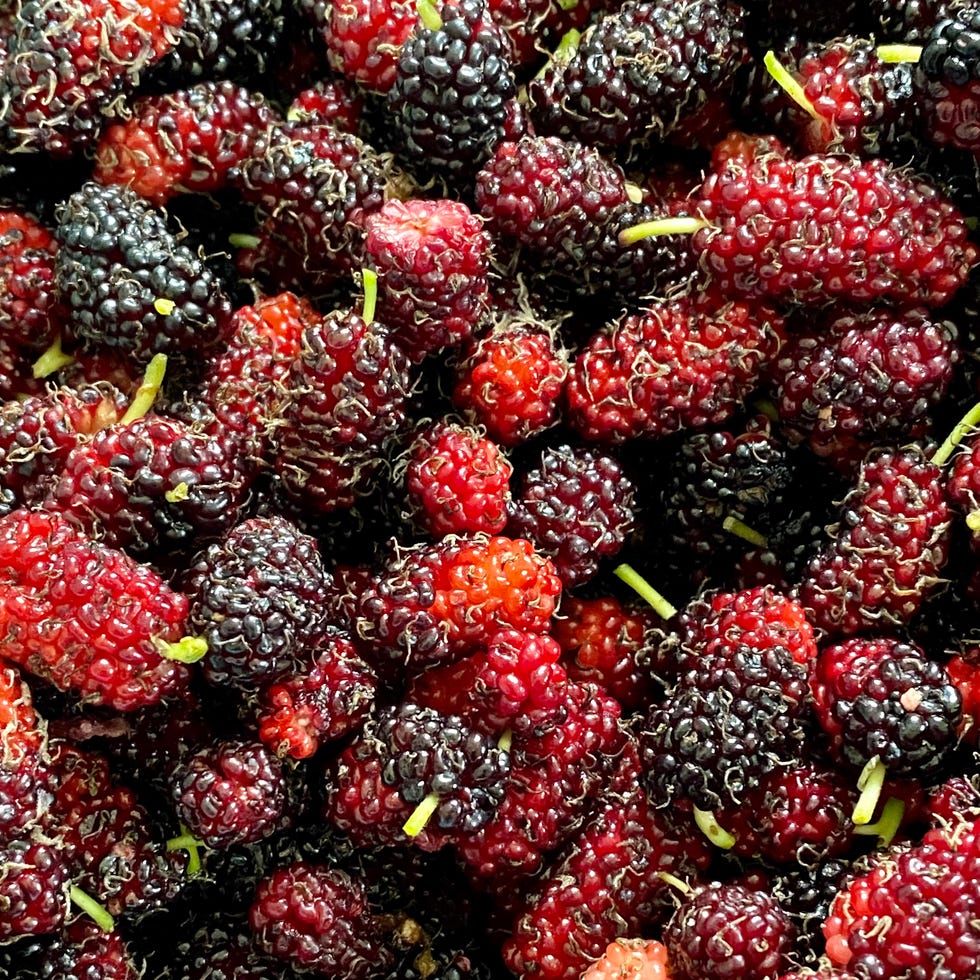
Suphatthra China//Getty Images
Mulberries vary in colour, going from white to red to deep purple-black, and, like grapes, the darker varieties simply contain slightly different concentrations and types of plant pigments. Dark mulberries are packed with anthocyanins and polyphenols, but all types of mulberries will deliver vitamin C and fibre.
A word on the dried variety (which are a very yummy porridge topping, as a side note): ‘Dried mulberries can be convenient, but drying concentrates their naturally occurring sugars into a smaller volume. A dried-fruit portion is therefore smaller than a fresh-fruit portion.’
Elderberries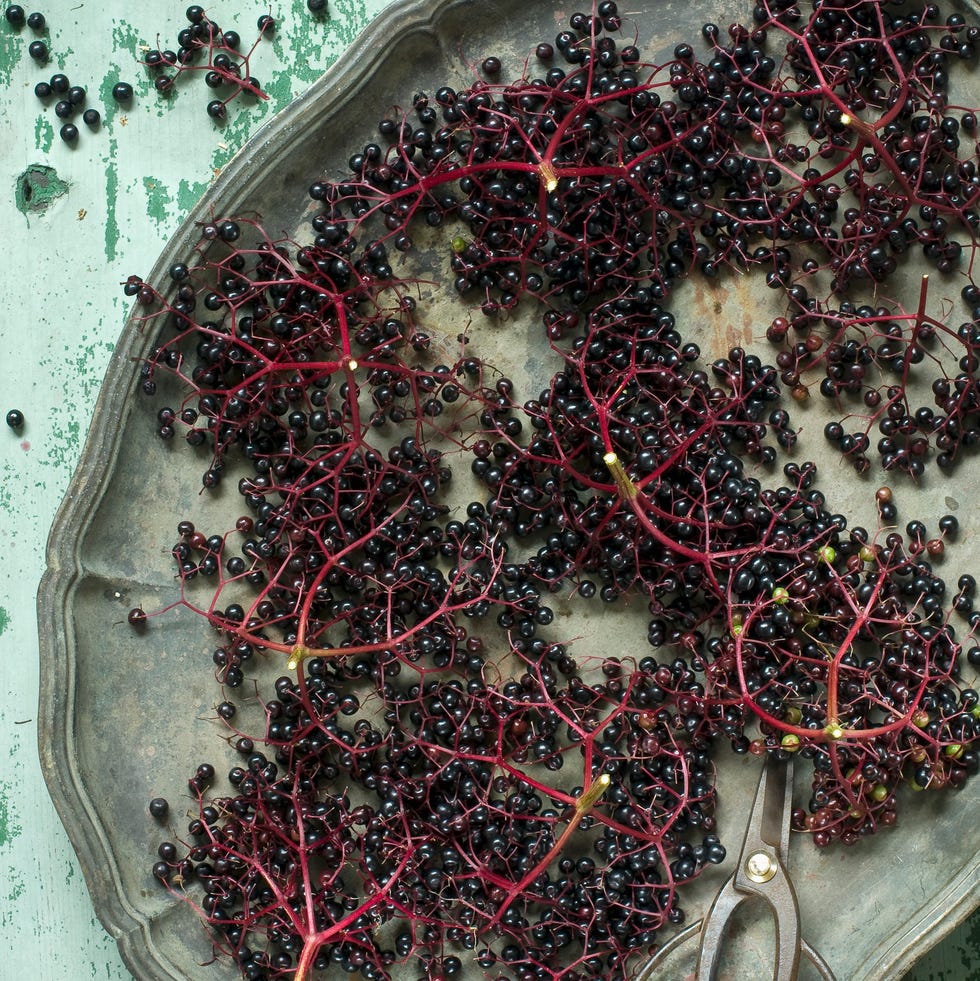
Sass Achim//Getty Images
First things first: never eat elderberries raw. Uncooked, this berry is mildly poisonous and can lead to vomiting, diarrhoea and stomach cramps… not the ideal outcome of tucking into a tasty snack. Instead, they should be simmered for around 20 to 30 minutes to break down the toxic compounds – and any leaves, stems and unripe berries must be removed.
When cooked, elderberries provide anthocyanins, vitamin C and other polyphenols. Some people believe they can help to speed up or reduce cold and flu symptoms, but the evidence isn’t solid. Try making an elderberry syrup and to add to drinks, or turn into a jam.