Dwayne ‘The Rock’ Johnson didn’t build his trademark physique by accident. Even though the 54-year-old is currently 22kg lighter while filming upcoming movie Lizard Music, he’s still training with maximum intensity to preserve as much strength and muscle as possible.
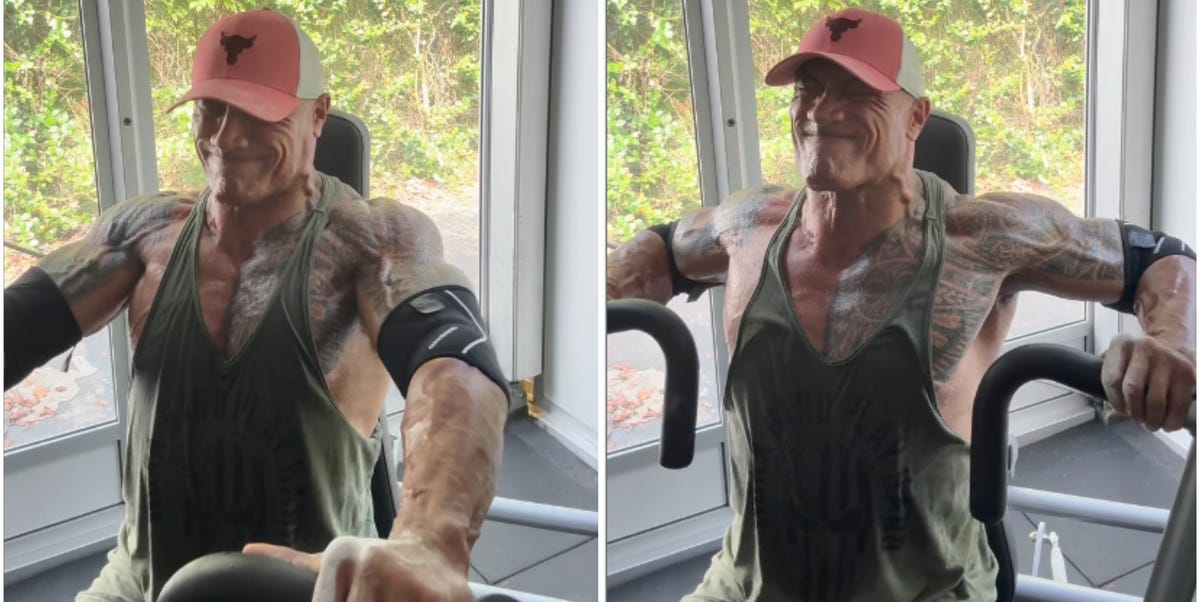
Sharing the final set of a recent chest workout, Johnson revealed the advanced technique he uses to squeeze every last bit of work from his pecs. It combines two classic intensity methods with one non-negotiable rule: control the weight.
‘When hitting peak fatigue, I’ll do two rest pauses and as many half reps as I can at the end,’ Johnson says.
‘Control the weight – especially at the end when you’re so fucking fatigued and all you got left is your grit and guts – that’s the time to really control your form. At this point it’s all mental flow state through the pain – and that’s where the magic happens. On the other side of your pain is your greatness.’
Johnson’s emphasis on control is the important takeaway. Rather than simply forcing the weight from A to B once fatigue sets in, he continues trying to keep as much tension as possible on the working muscles, making every remaining rep count.
Control, Rest Pauses and Half Reps
Throughout the set, Johnson performs slow eccentric lowering phases before pressing explosively during the concentric portion of each rep, increasing the amount of tension placed on his chest.
Once he reaches failure, he rests for just a few seconds before grinding out more reps. He then repeats the process one more time, meaning he performs two rest pauses during the same working set.
But he’s still not finished.
Johnson then moves into half reps, working through the strongest portion of the range of motion to push his muscles into complete mechanical fatigue and extract every last bit of stimulus from the set. It’s a technique that keeps tension on the muscle even after full-range repetitions are no longer possible. Research has even suggested that adding post-failure lengthened partials can increase muscle growth by 43.3%.
Rest-pause training, meanwhile, is another advanced bodybuilding technique designed to maximise muscle growth. By resting for only a few seconds before continuing the set, you force your muscles to keep working before they’ve fully recovered.
The technique is generally best suited to machines, where the fixed movement path helps reduce the risk of form breaking down as fatigue accumulates. It’s less appropriate for heavy compound lifts such as the bench press, squat and deadlift, where technical breakdown can increase injury risk.
It’s also worth noting that Johnson only uses rest pauses and half reps on his final chest press set, rather than throughout the entire workout. That allows him to maintain performance during his earlier sets before finishing the muscle with as much quality stimulation as possible.
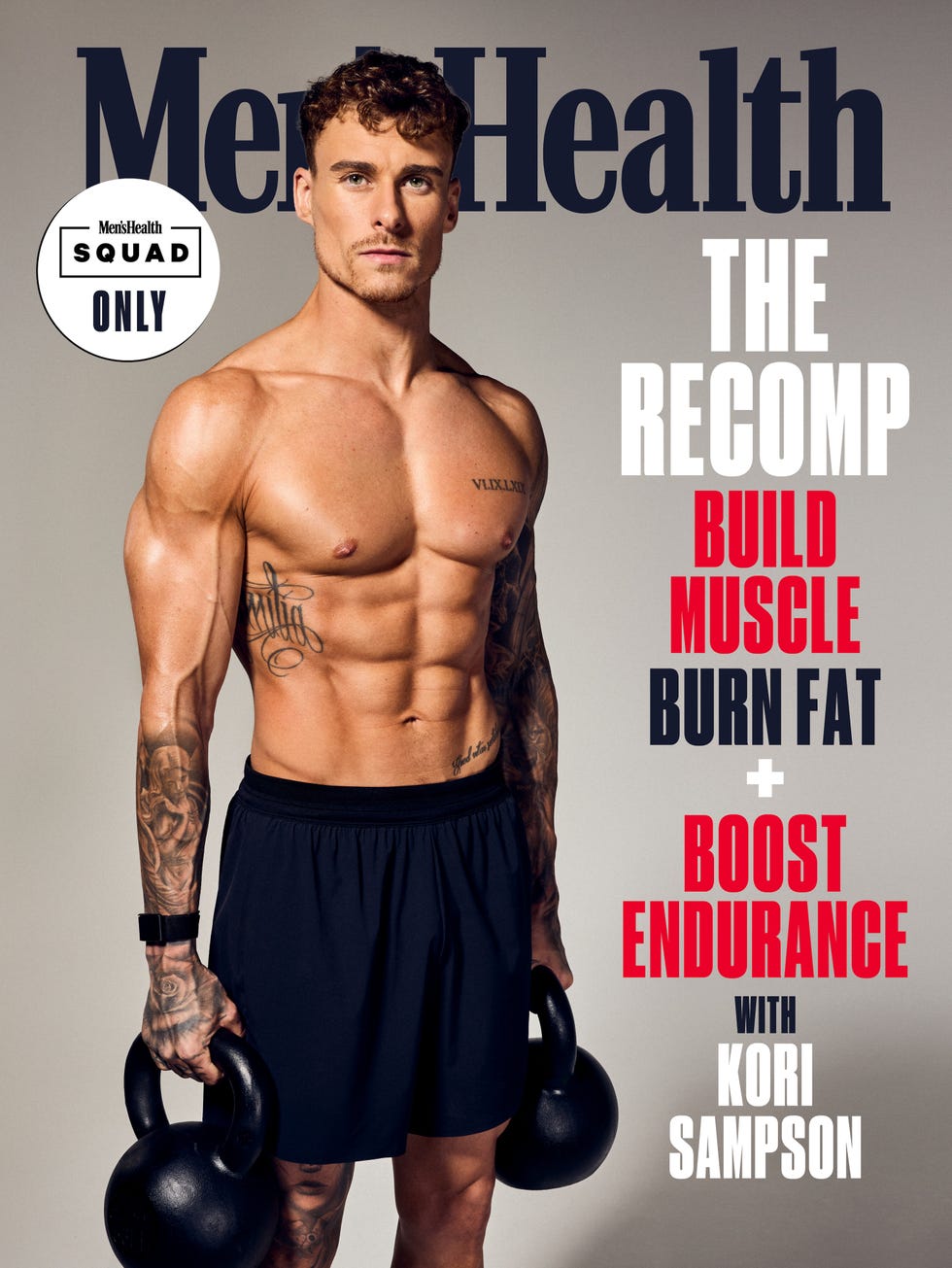
If there’s one thing Kori Sampson knows, it’s how to optimise your body composition for performance. To tap into his knowledge as an elite athlete and coach, we asked him to create a 4-week plan to help you move faster, recover quicker and keep pushing when the fatigue sets in – all while improving your muscle-to-fat ratio.
Ready to build muscle, burn fat and come out the other side looking, feeling and performing better? Click Here to get 14 days of free access to the plan via the Men’s Health app.