
According to projections from Goldman Sachs, GLP-1 agonist drugs with Semaglutide as the active ingredient – a class of medication prescribed for weight management and diabetes – could be used by up to 70 million consumers in the US alone by 2028. Undeniably, these popular treatments – you may have heard of the likes of Ozempic, Wegovy and Mounjaro – offer a viable solution for many people who struggle to lose weight through diet and exercise alone, though it is also true that they carry potential side effects.
“Rapid and poorly managed weight loss can have visible aesthetic consequences for both the face and the body,” warns Dr Beatriz Beltrán, an aesthetic doctor who has already treated over 1,000 patients for this issue. The facial consequences are increasingly well-known, with many experiencing what is termed ‘Semaglutide Face’ or ‘Ozempic Face’.
“This involves a loss of volume in areas such as the cheeks, temples and jawline, which leads to an aged appearance, with looser skin and more pronounced features,” explains Dr Beltrán.
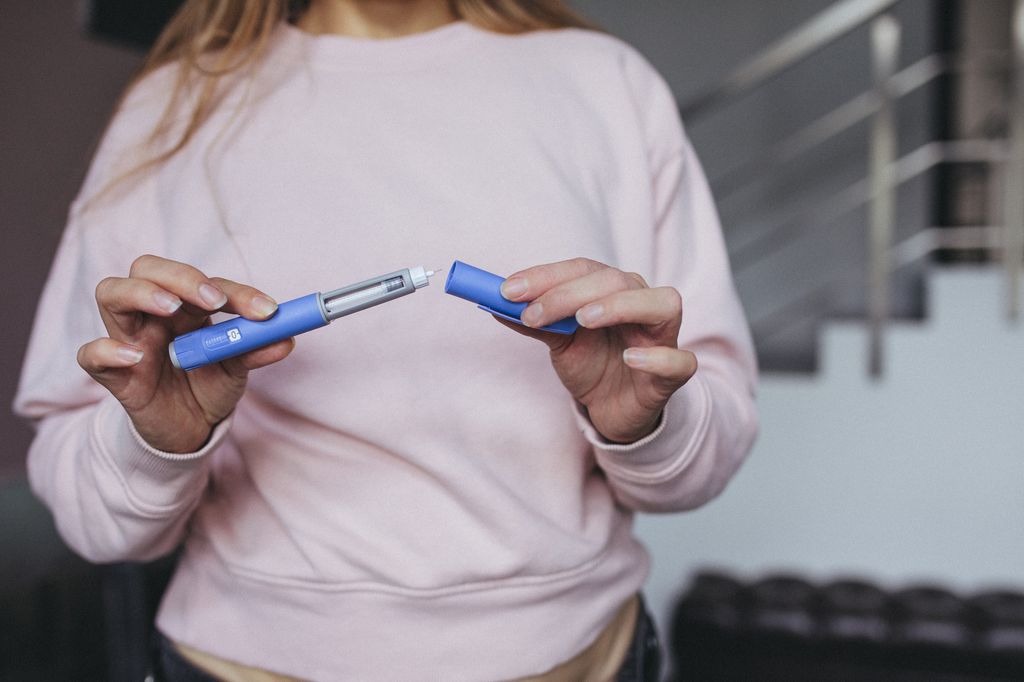 © Getty ImagesSkin ‘sagging and ageing can be accelerated’ with the use of these weight loss drugs, says the doctor
It is worth noting that we age primarily due to the loss of collagen and facial fat. If we factor in the effect of Semaglutide drugs, “sagging and ageing can be accelerated,” Dr Beltrán clarifies.
The effects of rapid weight loss on the body
That covers the facial side, but currently, the body is where the side effects are often most noticeable, “especially when the weight loss is not supported by a proper nutritional and physical plan”, warns Beatriz Beltrán.
“Many of these patients eventually resort to aesthetic medicine to address the consequences of rapid weight loss on the body, such as sagging upper arms, excess abdominal skin, fallen buttocks and laxity in the thighs – all resulting from fast weight loss combined with a lack of resistance training and a poor diet.”
Effects on various parts of the body can include:
Sagging arms: When weight is shed rapidly, the subcutaneous fat on the inner arms is also reduced. “The issue is that the skin does not always adapt to this reduction, particularly if there was pre-existing laxity or poor muscle tone. The result is a drooping appearance, often termed the ‘batwing effect’,” comments the aesthetic doctor.
 © Getty ImagesEffects range from sagging arms to fallen buttocks
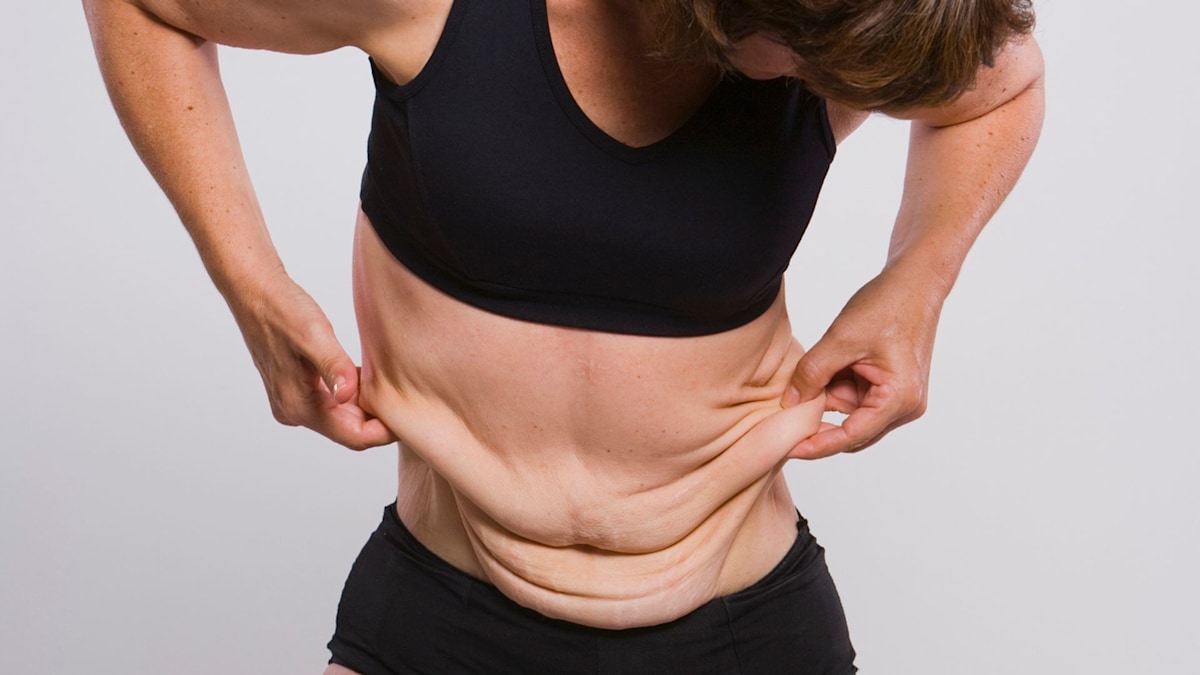
Excess skin on the abdomen: A similar process occurs in the abdominal area. The loss of abdominal fat, especially if it was accumulated over many years, can leave the skin unable to retract fully. “This leads to folds, excess skin and a loose texture that frequently causes both physical and emotional discomfort,” assures Beatriz Beltrán.
Fallen buttocks: Gluteal fat acts as the natural supporting volume for your rear end. “When this volume is lost abruptly, the buttocks can appear hollowed and ‘deflated’. If there’s also insufficient muscle mass, the collapsing effect is even more pronounced,” details Dr Beltrán.
Loose thigh skin: The thighs also experience significant fat loss, particularly the inner thighs, where the skin is typically thinner and less elastic. “This leads to a wrinkled, more slack appearance with a notable lack of firmness,” comments the expert.
Mitigating aesthetic side effects: A proactive approach
Now that we’ve covered the issues – both facial and body – that can be caused by the accelerated weight loss associated with Semaglutide, it’s important to highlight that there are sensible and proactive solutions available.
1. Appropriate nutrition and diet
The first and most essential step is to adopt a healthy diet, eliminating ingredients that degrade skin and muscle quality. What can you do?
Prioritise protein: Eat a sufficient amount of lean meats (chicken, turkey), fish, eggs, pulses (lentils, chickpeas), low-fat dairy, nuts, seeds (flax and chia) and soy products (tofu and tempeh) to protect muscle mass during the weight reduction process.
Consume healthy fats: Include foods like avocado, nuts, extra virgin olive oil and Omega-3 rich fish and seeds to improve skin elasticity.
Stay hydrated: Aim to drink between two and three litres of water per day. “Hydrated skin responds far better to volume loss,” assures the doctor.
Eliminate ultra-processed foods, simple sugars and alcohol: “These items actively worsen the quality of both the skin and muscle tone,” she adds.
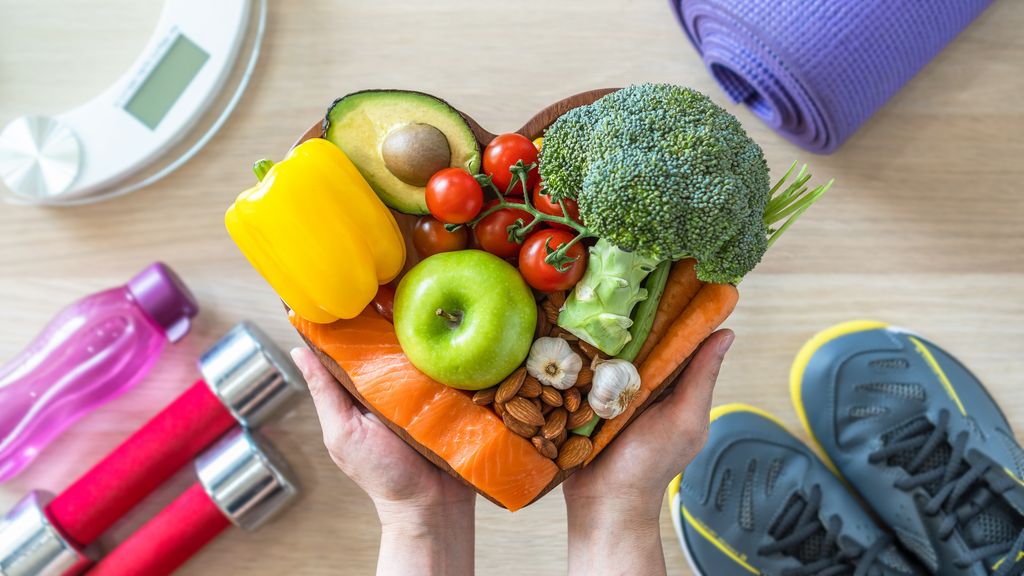 © Getty ImagesDiet and exercise can help mitigate the side effects
2. Regular exercise
The second essential step is to exercise regularly with:
Strength training: Engage in resistance training three to four times a week to maintain or increase your muscle mass. “This is absolutely key to preventing sagging,” notes Dr Beltrán.
Moderate cardiovascular exercise: Activities such as walking, swimming or cycling are beneficial. “This type of exercise complements fat loss, but it shouldn’t replace strength training,” advises the expert.
Targeted exercises: Perform specific exercises for the arms, abdomen, legs and buttocks, such as squats, lunges, planks, leg raises, glute bridges and dumbbell rows. “These help to tone and firm the underlying tissue that remains after fat loss,” clarifies Dr. Beltrán.
3. Targeted non-surgical aesthetic treatments
When it comes to non-surgical aesthetic treatments, personalised treatment protocols tailored to each patient are vital. In her clinic, Dr Beltrán primarily addresses loose skin issues using four key technologies: Emsculpt Neo, TightSculpting Fotona, Lanluma and Thermage, combined differently depending on the specific area.
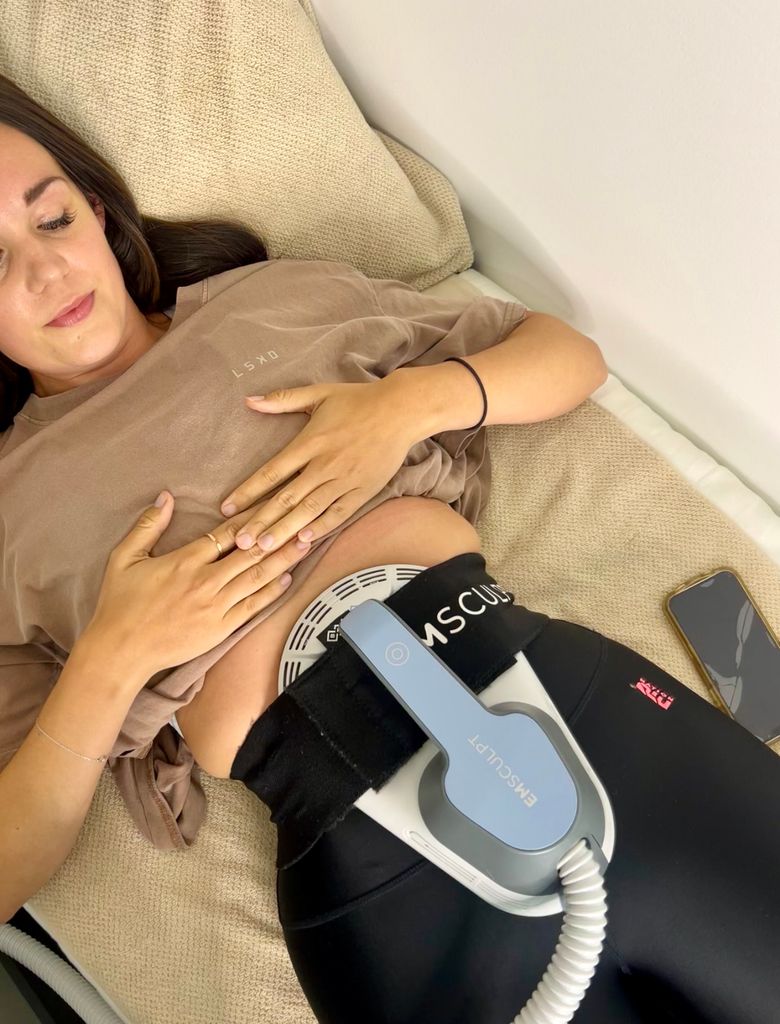 Emsculpt is fairly painless
Sagging upper arms: The expert recommends combining Emsculpt Neo with the TightSculpting Fotona laser for skin tightening in the arm area. “In more severe cases, an injectable collagen stimulator, such as poly-L-lactic acid (Lanluma), can be added,” she explains. A key benefit is that this can be carried out at any time of year, including during the summer.
An average of four to six sessions are typically required.
The outcome: “Improved firmness, reduced skin laxity, and a more toned appearance to the arm,” according to the expert.
Excess skin on the abdomen: The protocol here is very similar – it combines Emsculpt Neo (for radiofrequency and muscle stimulation) with Lanluma poly-L-lactic acid injections (acting as a collagen biostimulator), and Thermage radiofrequency.
An average of four sessions of Emsculpt Neo, one or two of Lanluma, and one of Thermage are required.
The outcome: “This combined treatment yields visible results from the very beginning, delivering abdominal toning and notable skin tightening,” assures Dr Beltrán.
Dr Beltrán uses four key technologies – Emsculpt Neo, TightSculpting Fotona, Lanluma and Thermage – combined differently depending on the specific area being targeted
Loose thigh skin: The expert advises combining the powerful Thermage radiofrequency with the TightSculpting Fotona tensor laser. “The blend of laser and radiofrequency acts deeply to stimulate collagen production and significantly improve skin texture and firmness,” she explains.
Between four and six sessions of Fotona, and one of Thermage are typically necessary.
The outcome: “Firmer, smoother, and rejuvenated skin,” according to the doctor.