
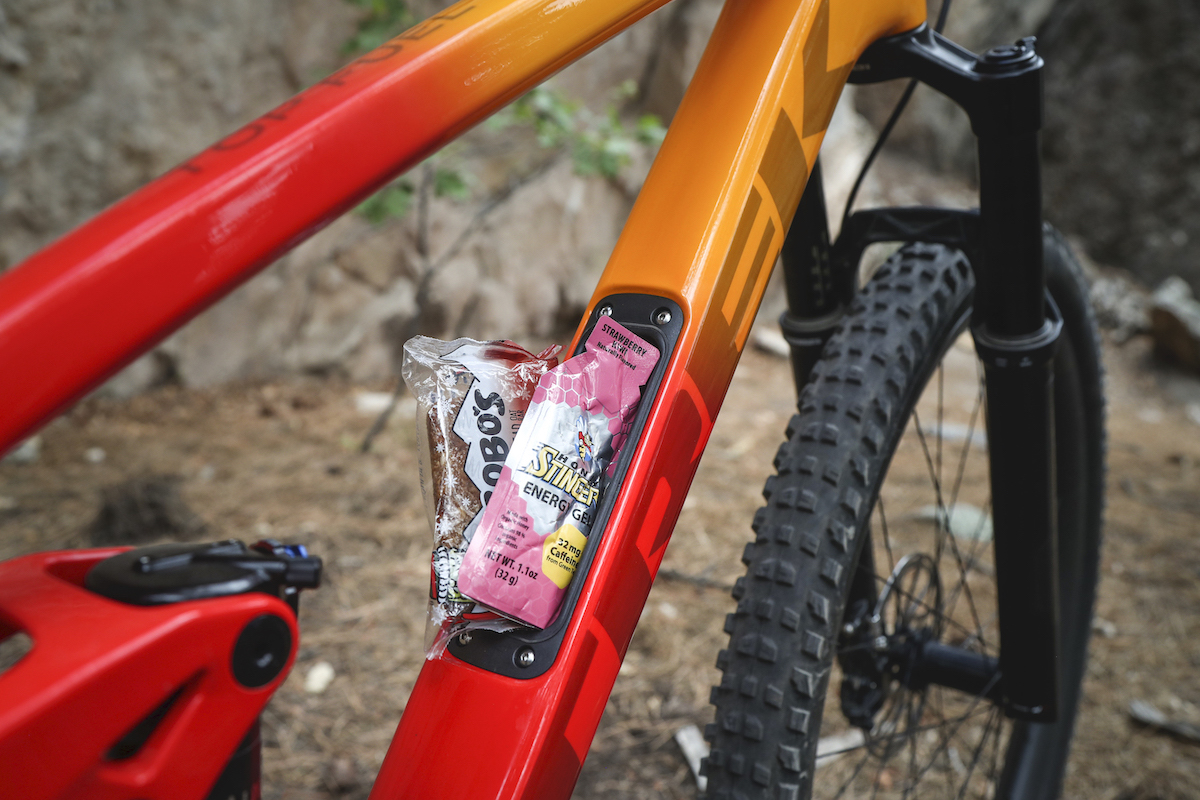
Whether its a high-tech sport nutrition product, bag of Haribo or a mid-ride refuel at a 7-Eleven, us riders tend to justify just about anything we eat on a ride, good, bad or, like that gas station glizzy, just gross, by saying it’ll be burned off by the top of the next hill. While the calories might be, there’s a growing body of science showing that the ultra-processed foods (UPF) that many of these mid-ride snacks contain are having a longer lasting, and very negative impact. Calories may burn off, but these UPF’s are leaving other chemicals behind.
Taking a look at the most recent, and most alarming studies of UPFs, its time that cycling had a reckoning with its eating habits. From high-end hydration and high-carb science food to gas station snacks, it’s looking more and more like our healthy hobby could come with some very unhealthy eating habits.
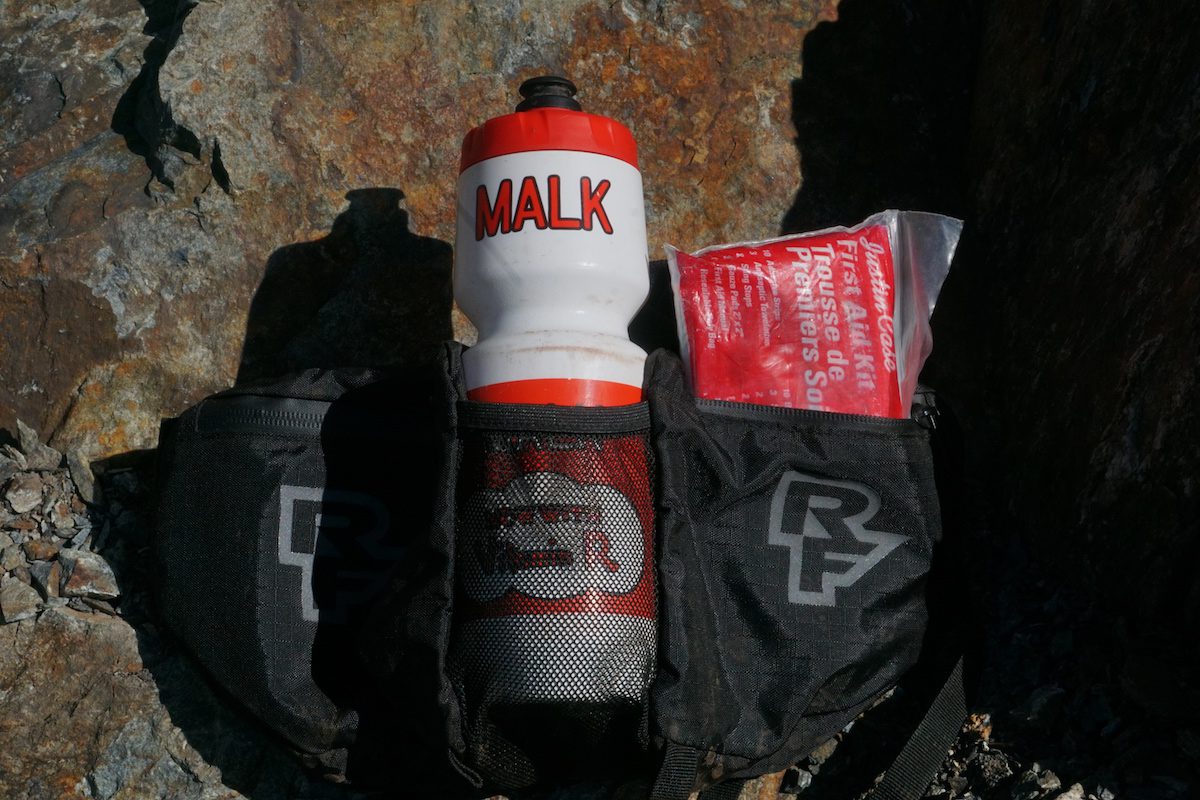 Does not contain “Malk,” but the actual contents might not be much better.
Speaking from a saddle, but this is no high horse
I will get out in front of this and say I am by all accounts guilty of this. While I’ve shifted away from energy drinks and powders on all but longer rides or the hottest days (+1 point for me!), a have a critical weakness for any 5c candy, especially if its the sour kind (-15-20 points, depending on the day). All cheap candy, Haribo if I’m feeling fancy but anything will do, really, starts as ride food. But just as much of it, if not more, ends up being consumed before or after the ride when it has absolutely zero physiological benefit. It just tastes good.
So when I say “we” need to consider our fuelling / eating habits, I very much mean “I need to consider my eating habits.” But I very much doubt that I am alone.
 Food and drink. Top view.
What’s the problem with ultra-processed Foods?
While not many of us ever thought a hot dog was healthy, there’s a growing body of evidence that this sort of ultra-processed Food is far worse for our health than was previously understood. How bad? Well, The Guardian described the latest series of studies, just published in The Lancet, as showing ultra-processed Foods are “linked to harm in every major organ system of the human body and poses a seismic threat to global health.”
That is… not great.
UPF’s, the largest-study yet shows, are linked to obesity, type 2 diabetes, heart disease and depression, overeating, greater risk of chronic disease, colon cancer.
UPFs are also, the study shows, pervasive in the modern diet. The Guardian points out that UPF are now making up 50 per cent of the western diet (U.S., U.K., Canada, etc.). That is stratified across wealth and age, too. Younger, more disadvantaged and poorer populations can see up to 80 per cent of their diet made up of UPF.
While recreational cyclists and our $5,000-$15,000 bikes are rarely classified as economically disadvantaged, we do cover all age groups. And we do eat a lot of questionable foods in the name of “fuelling” our hobby. What percentage of our diet ends up being UPF-based, if you start factoring in all the ride food we write off as necessary for performance?
What’s ultra-processed and what’s just, er, normally processed?
So, how can you tell if your sports snack is ultra-processed or just, you know, a normal amount of processed? It can be tricky to tell sometimes. Brands are very good at marketing their products to look healthy and, these days, one aspect of that is making it sound “natural.”
First, processed foods aren’t necessarily bad. Processing can involve any altering of food (like cutting up veggies to freeze them in piles of tasty, little squares. Frozen veggies are still good.). So where’s the line between processed and ultra-processed?
How to identify the good processed foods
The Nova scale seems to be the emerging standard for classifying foods as processed or ultra-processed. The presence of certain ingredients, or groups of ingredients, helps classify food
Since its not a single ingredient (but some ingredients are a pretty good canary in the grocery store coal mine) it’s not as simple as saying all packaged sport foods are bad. It is possible to make gels that aren’t ultra-processed, even to make your own. But the vast majority of gels on a shelf will be ultra-processed. It’s also possible to make gummy bears that aren’t ultra-processed (depending what you add to them). But, again, most things on a shelf will be.
This is confusing. I want help
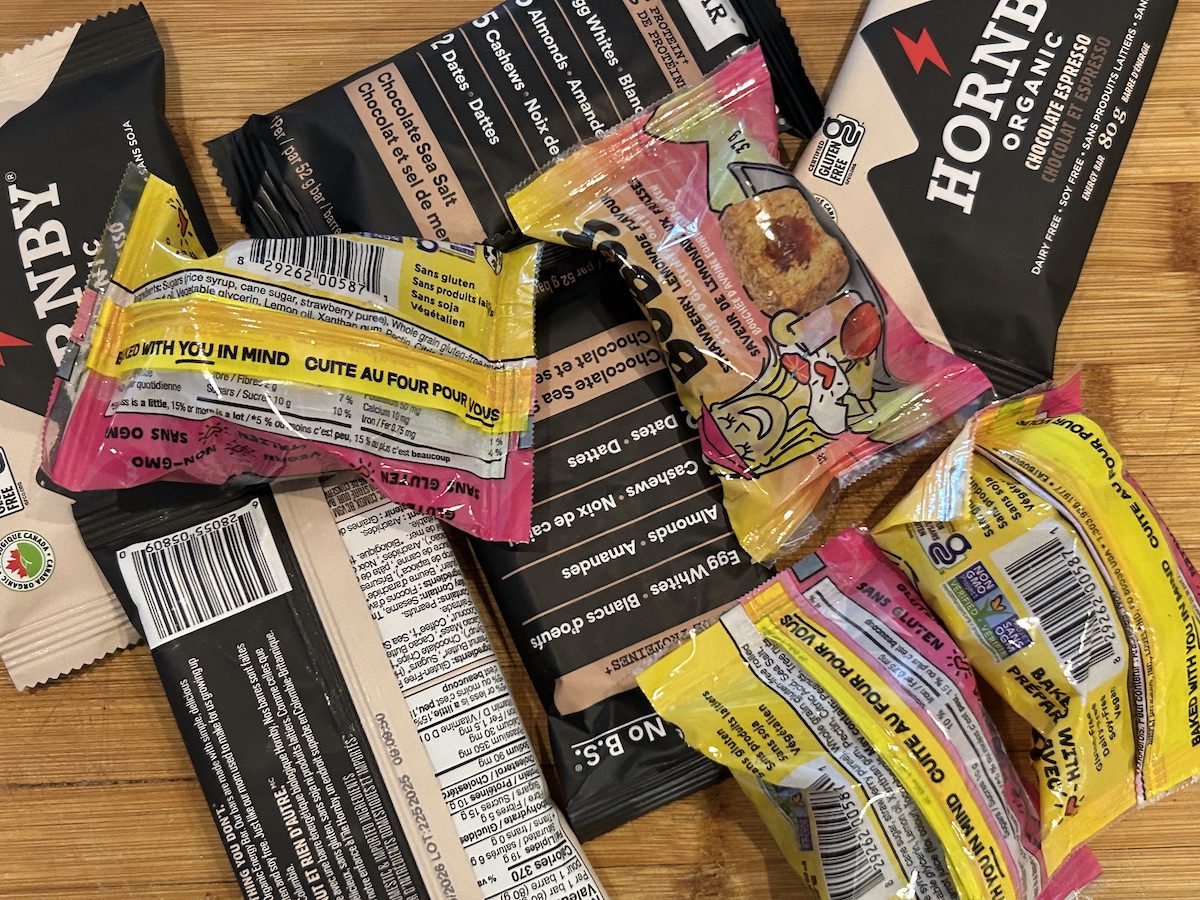
Heading to my own drawer of snacks in a panic after seeing a flood of stories about the recent studies (colon cancer!) I wanted to see what I was eating. Obviously I knew some of it was bad. But some bars say they’re organic, others say all natural. Another says “85 per cent organic ingredients.” Does that mean they’re OK?
A few, like Vancouver Island(-ish) staple, Hornby Organic, are actually fine. Others, like my recent CostCo favourite, BoBo’s Oat Bites, were less encouraging despite being certified Organic. Others that I looked up, even some very expensive ones in slick packaging, weren’t so great. Good for getting up the next climb slightly faster, sure, but not great ingredients.
The problem is that marketing meets with a somewhat vague line between normal foods and ultra-processed Foods (grey at the margins. Hot dogs are obviously ultra ultra-processed). If you, like me, find this a bit confusing, or overwhelming, or just want a second opinion, there are a raft of resources to help.
On the go, the Yuka app will scan a barcode and tell you the nutrition score (on their own scale) and ingredients. At home, OpenFoodFacts breaks down what category on the Nova scale a food falls into, as well as a nutrition score and a “green score” related to its manufacturing. It seems to have good coverage of a wide range of foods. EWG has its own food score page that breaks down a bunch of different elements of your food, not just processing level. (Full disclosure: I don’t know much about these organizations beyond the food score parts of their organisation). These sites aren’t perfect. They gave somewhat inconsistent reviews of the BoBo’s Bites, for instance. But I know a lot more about what I’m eating after looking up a few items.
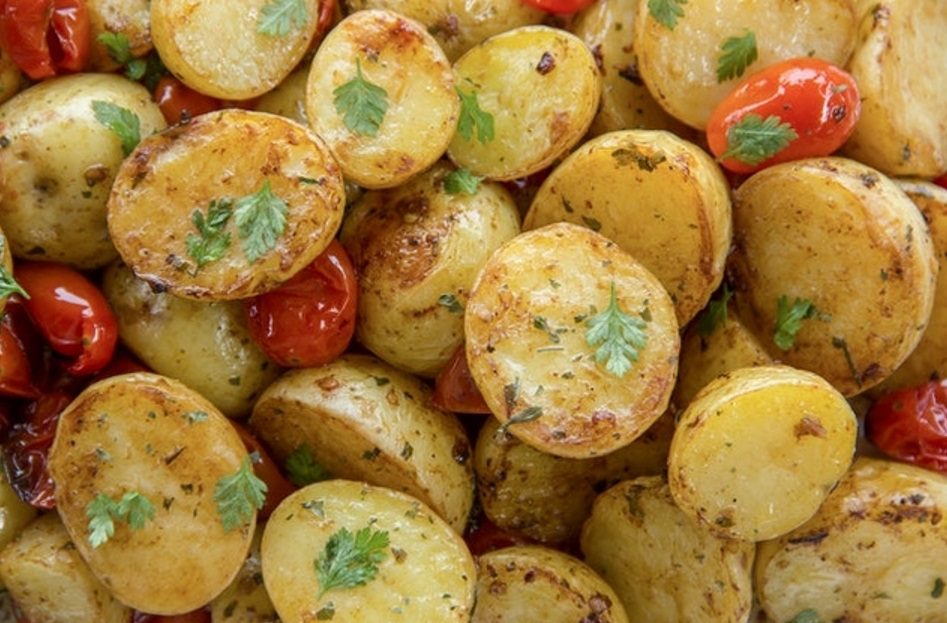 Speed spuds make great ride snacks
There isn’t a simple – or at least a fast and easy – solution
The simple solution to avoiding UPF’s is to not eat UPFs. At home, that’s not necessarily, but not impossible. For those of us that want to ride our bikes for hours and eat lots of food while doing so, it’s a bit trickier. It is, personally, encouraging to see athletes focusing on eating more while riding after decades of watching athletes nearly starve themselves to maximise strength to weight (I know that high carb isn’t the end of eating disorders in sports. But it’s arguably better than the old status quo). But it is hard to match the convenience and price of UPF ride snacks.
There are good packaged options, but they can be more expensive. There are non-packaged options, but not everyone wants to ride around with a bag of “speed spuds” in their jersey pocket, or has the time to prepare them before every ride.
All that is to say, I don’t have any concrete answers yet. We’re all working through this together. But I do think it’s time cycling started taking this seriously.
And, next ride, I’ll go back to grabbing a banana instead of a bar. Or maybe just make a sandwich. That tastes better than most bars anyway.