
New Zealand Listener
3 Mar, 2026 05:08 PM4 mins to read
Subscribe to listenAccess to Herald Premium articles require a Premium subscription. Subscribe now to listen.Subscribe now
SaveShare this article
Reminder, this is a Premium article and requires a subscription to read.
Copy LinkEmailFacebookTwitter/XLinkedInReddit
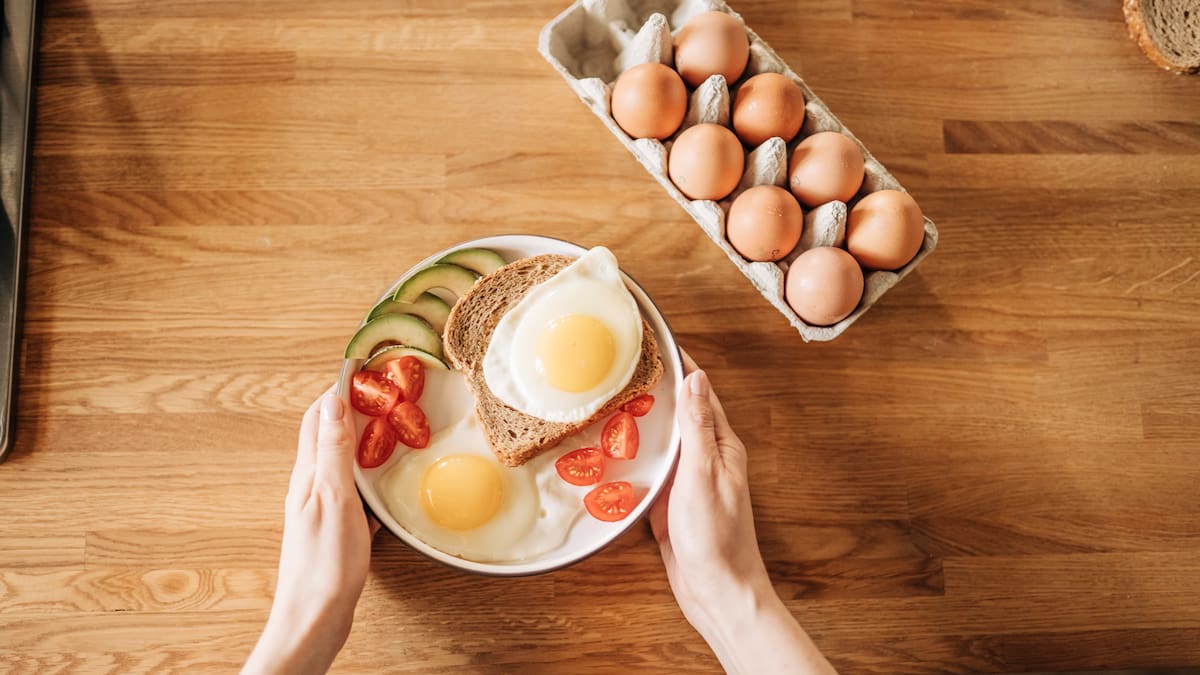
There are plenty of everyday foods, like eggs, that, when combined, can help you hit your protein targets – no trendy powders or packaged high-protein snacks required. Photo / Getty Images
In her feature Protein boosting (you can read it here), Niki Bezzant explored how this has become the new darling of marketers and influencers and whether it’s all hype. Here, Listener nutritionist Jennifer Bowden dives deeper.
High-protein eating isn’t just about protein shakes
and bodybuilder diets anymore. Thanks to TikTok’s appealing reels, high-protein eating has become a broader food movement for one and all, with meals and snacks that are visibly rich in protein, easy to make and easy on the eye. Whether it’s high-protein bowls, cottage cheese snacks, or high-protein pancakes, the #highprotein tag has racked up hundreds of millions of views promoting recipes, products and snacks that help people hit their protein goals. But do we really need to amp up our protein intake?
Eggs (boiled, scrambled, or poached)Milk or yoghurt (including Greek yoghurt)Cheese (slices or cubes)Canned tuna or salmonCooked chicken, beef, or lambQuick-cook seafood like prawns
Canned beans and lentils (baked beans, chickpeas, kidney beans)Nuts and seeds (almonds, pumpkin seeds, peanuts)Tofu or tempehEdamameNut butters (peanut or almond)Whole grains (oats, quinoa, buckwheat)
SaveShare this article
Reminder, this is a Premium article and requires a subscription to read.
Copy LinkEmailFacebookTwitter/XLinkedInReddit