
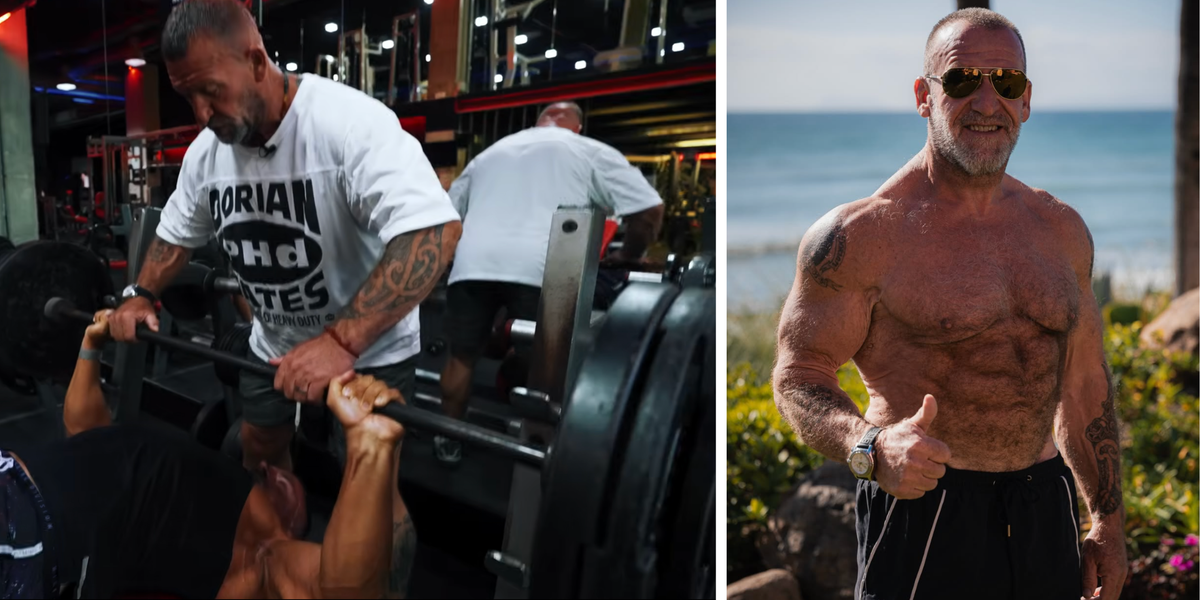
When asked on a podcast to pick just 10 exercises to build the best possible physique, bodybuilding legend (and disruptor) Dorian Yates didn’t go down the usual rabbit hole of fancy variations, niche machines or social-media-friendly ‘optimal’ fluff. Instead, he laid out a brutally simple shortlist – that, in a few cases, will stir some controversy. But, as ever with Yates, there’s method behind the madness: maximum muscular return, minimal wasted effort, and no sacred cows at the expense of progress.
Yates’ broader point was arguably as useful as the list itself. For most people, he believes that performing just these movements twice a week, with the final set taken to failure, would be ‘a brilliant routine’. He suggests most trainees overcomplicate the process because of ‘too much information’, and that it’s ‘human nature to think more is better’. In his view, it isn’t.
Dorian Yates’ Top 10 Exercises for Building MuscleLeg Extension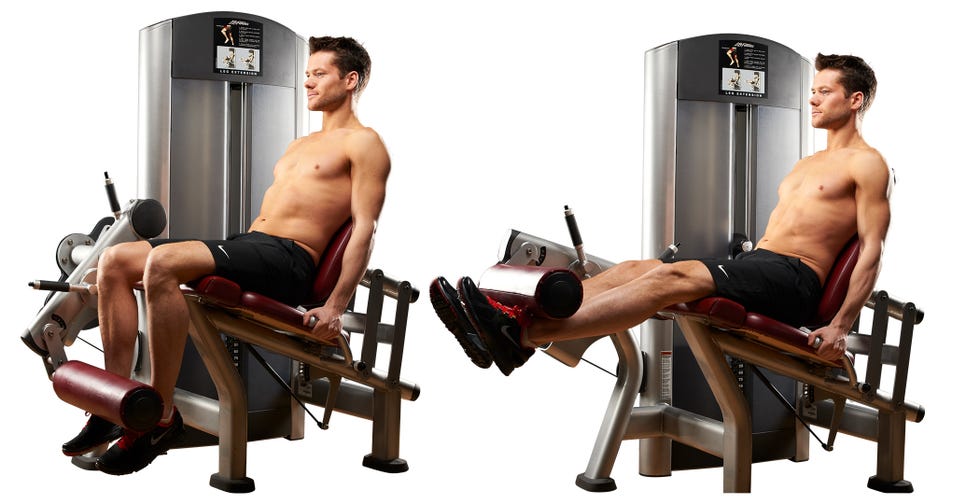
A surprising opener when most people would expect a squat straight out of the gate. But Yates has always been big on pre-exhaust work and making the target muscle do the work. The leg extension lets you hammer the quads directly, warm the knees, and create a huge local stimulus before heavier compound work. For lifters whose squats become an exercise in surviving with their lower back, hips and lungs – rather than hitting their quads – Yates could well be right.
Squat or Leg Press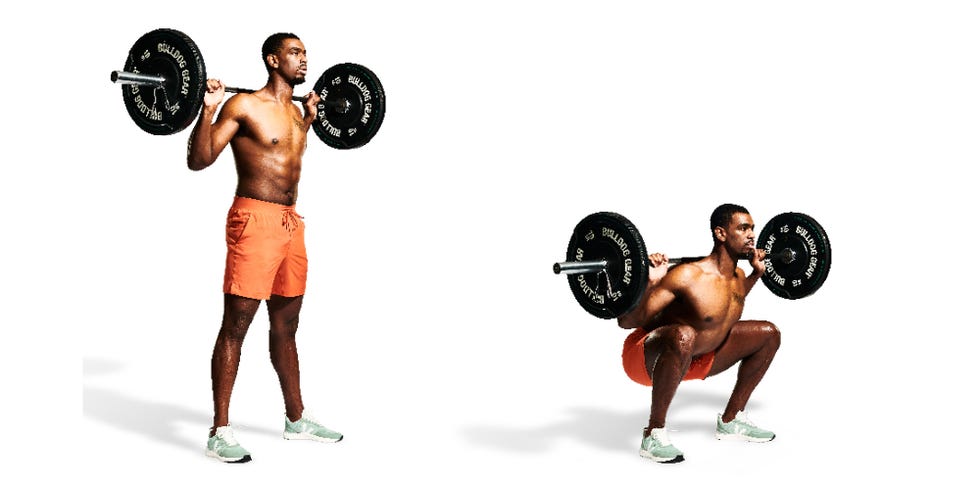
Yates groups these together: ‘whatever – barbell, Smith machine squat, machine leg press’. He’s less interested in romanticising one sacred lift than finding a stable compound pattern that allows you to load the legs hard. Many lifters default to barbell back squats as the undisputed king, but Yates’ logic is more pragmatic. If a Smith machine or leg press helps you apply more tension safely and progressively, that might be the better muscle-builder.
Nautilus Pullover
Peak Dorian. Plenty of people would slot in barbell rows, pull-ups or deadlifts. Yates goes with the Nautilus pullover machine – one of his all-time favourites. Why? Because it smokes the lats without turning the exercise into a grip contest or lower-back endurance test. In an era where everyone wants more ‘athletic’ lifts, Yates remains loyal to movements that isolate the intended muscle and allow all-out effort. These machines can be hard to come by, but a straight-arm cable pulldown gets you close.
Pulldown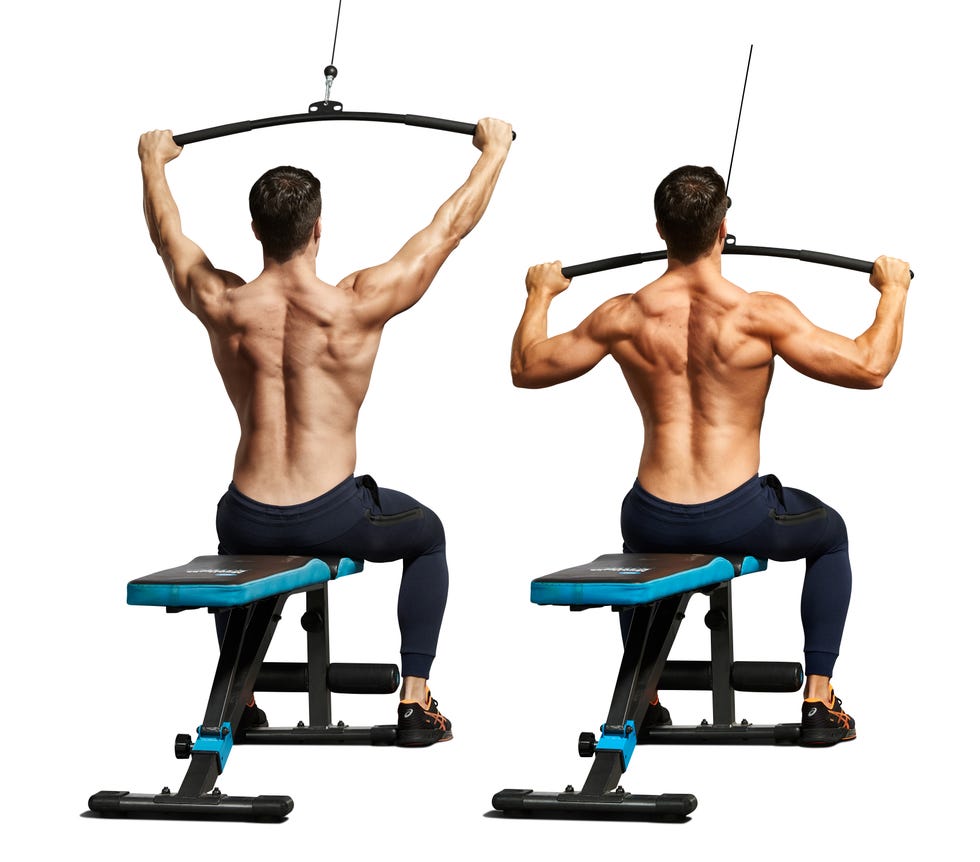
For his second back movement, Yates says it’s ‘a toss-up between a row and a pull-down’, before opting for pulldowns. Again, slightly unexpected. Rows are often pushed as essential for back thickness, and Yates even has a row variation named after him, but he clearly values a movement that trains the lats through shoulder adduction and can be standardised more easily. For the average gym-goer, pulldowns are simpler to recover from, easier to execute well, and less likely to become an ego-baited grip’n’rip.
Bench Press Movement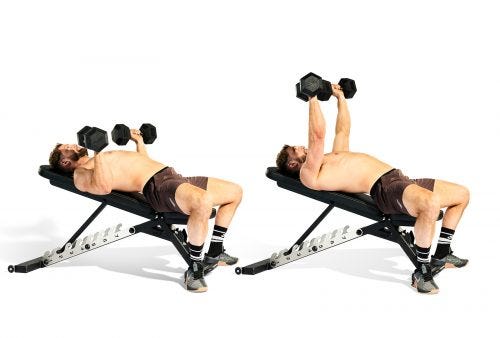
Yates doesn’t get overly precious here either – just ‘some kind of bench press movement’. Dumbbell bench, machine press, incline press – take your pick. The principle is what matters: a heavy horizontal press to load the chest, shoulders and triceps – whatever allows you to create the most tension and progress consistently.
Chest Fly Movement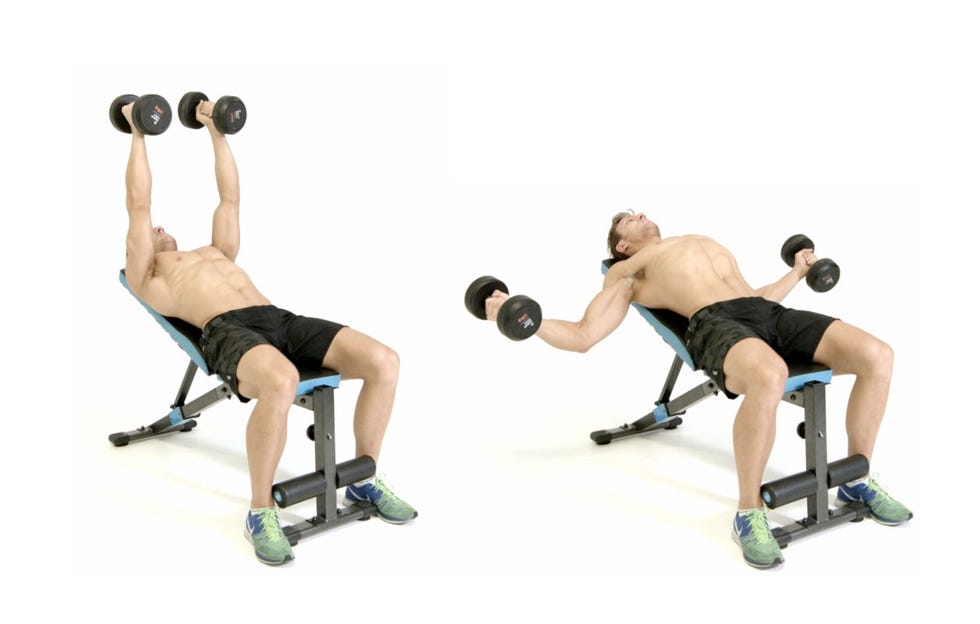
A chest press paired with a fly gives you both mechanical tension and a deeper stretch for the pecs. Many trainees skip flyes, often because they chase load over feel, but Yates clearly values having both a compound and an isolation pattern for the chest. That’s classic bodybuilding logic – and for pure hypertrophy, it holds up.
Lateral Raise – Dumbbells or Cables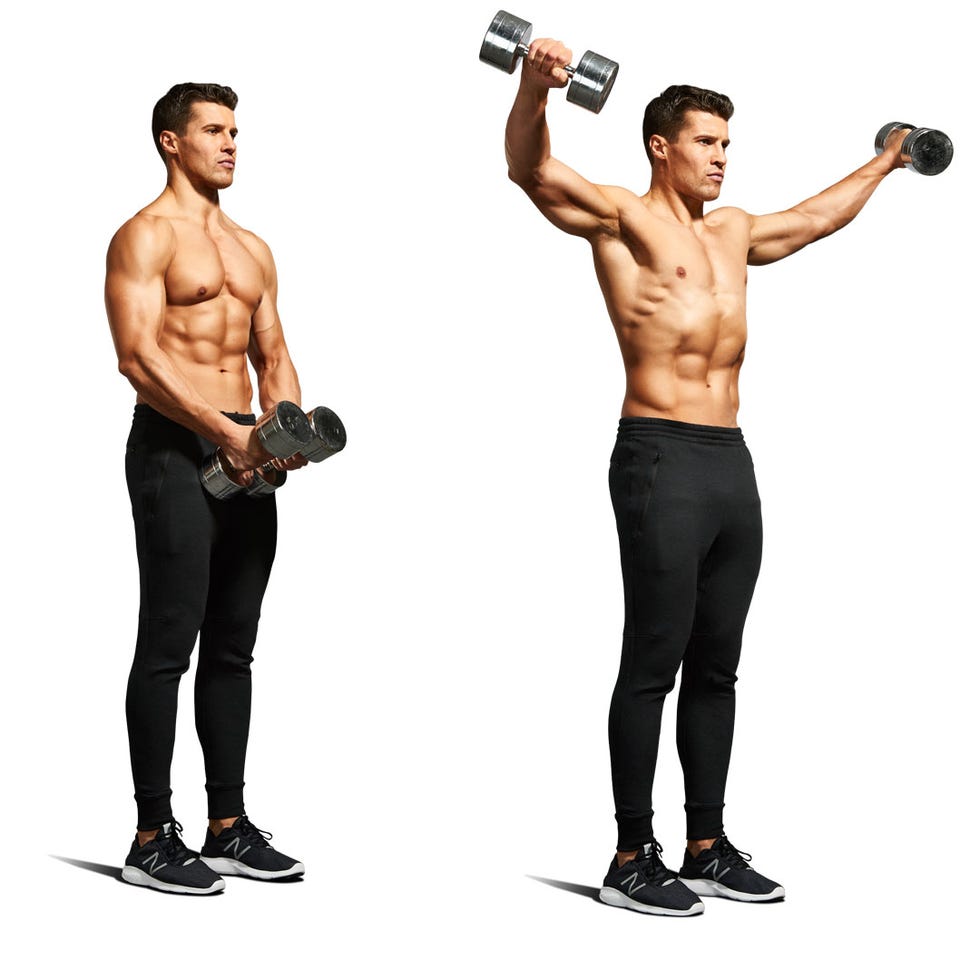
When asked why, Yates says: ‘More natural plane of movement [versus pressing].’ Rather than forcing more overhead pressing into a programme that already includes chest pressing, he opts for a direct delt-builder that targets the side delts without battering the joints. Most people looking to build shoulders lean too heavily on presses. Yates knows that if width is the goal, lateral raises matter. The key point that goes unsaid: Yates would do lateral raises with weights most people couldn’t press. Just because it’s an ‘accessory’ movement doesn’t mean tension and progression don’t apply. When was the last time you pushed your lateral raises up a weight?
Standing Calf Raise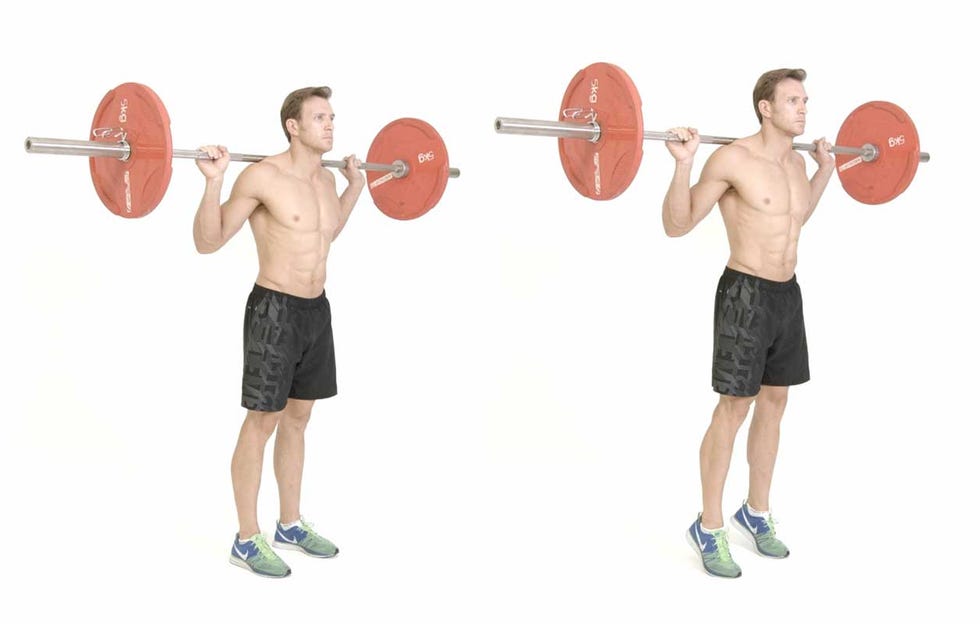
No surprises here – just an acknowledgement that calves need direct work. Yates is too experienced to leave obvious gaps in the physique. There’s an argument that seated calf raises are more ‘optimal’, but Yates has strong views on that word – and a massive set of calves to back it up.
Concentration Curl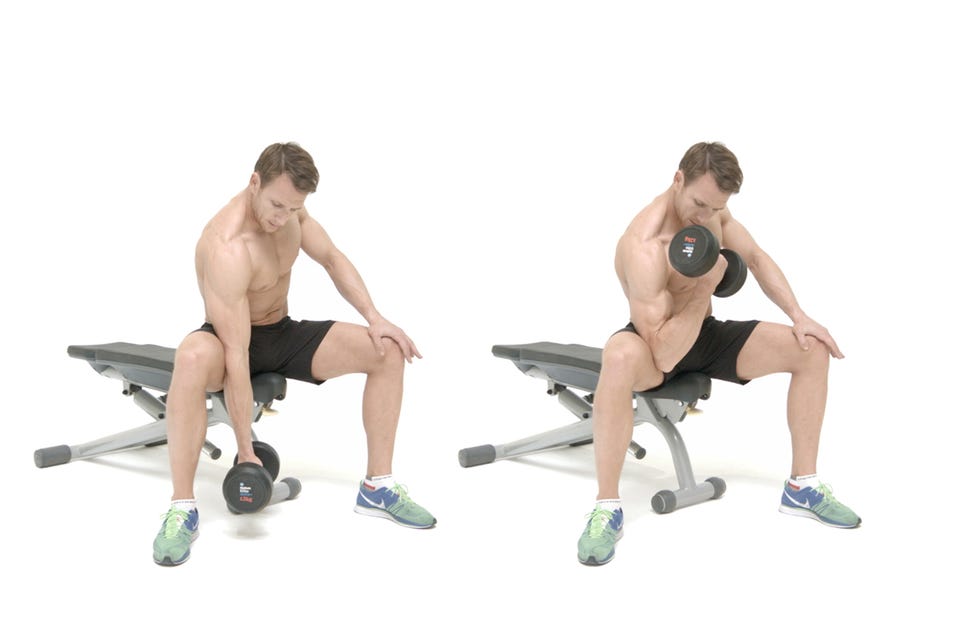
Another eyebrow-raiser. Not barbell curls, not preacher curls – concentration curls. Why? Likely because they reduce momentum and put the biceps under direct, deliberate tension. In a list limited to 10 exercises, Yates still wants one move that lets the elbow flexors work without assistance. Again, though, there’s no such thing as a ‘lightweight’ movement in Yates’ mind – go as heavy as you can, then go heavier.
Cable Triceps Pushdown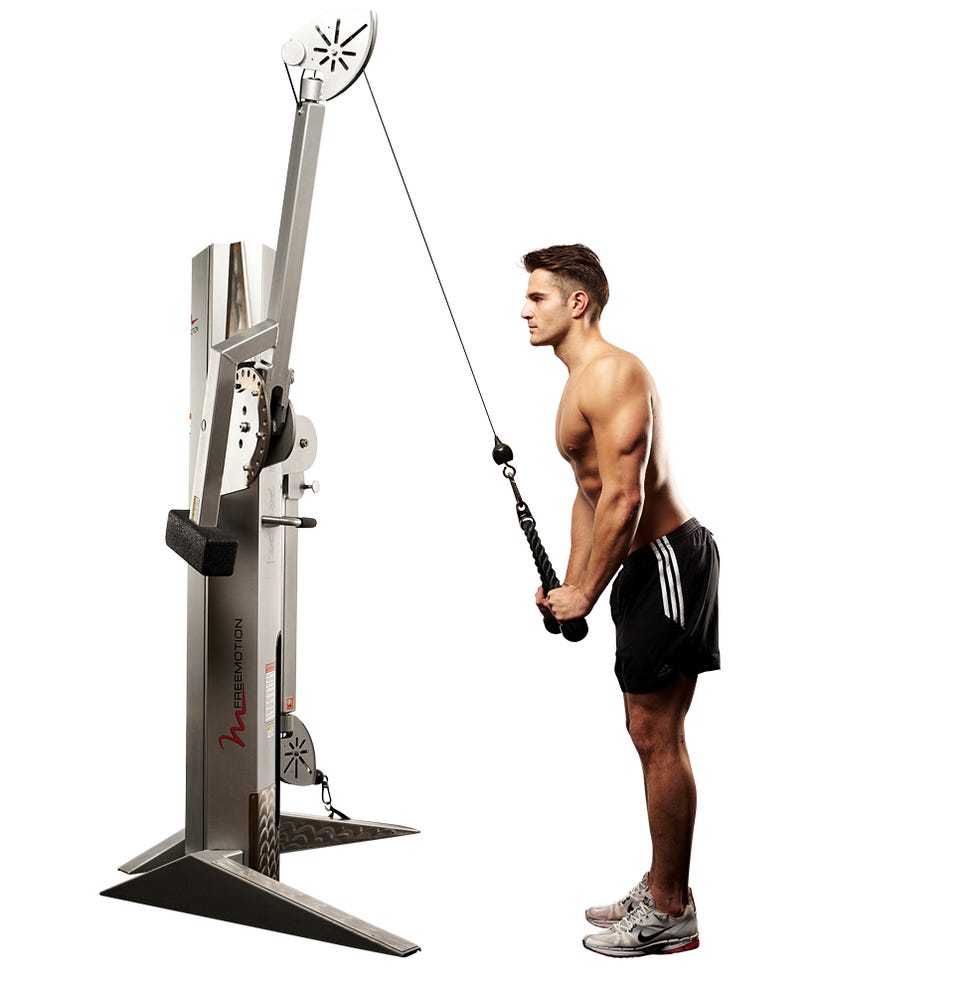
Yates’ reasoning: ‘[these] hit the whole tricep’ while being ‘fairly safe for the elbow’. Plenty would argue for skull crushers or close-grip bench presses, but those come with more joint stress and more moving parts. Yates is choosing the exercise most people can train hard, recover from, and keep in their programme.
The Bottom Line
While most would argue that compound movements let you handle more load and deliver more bang for your buck, Yates believes isolation movements and heavy lifting aren’t mutually exclusive. And he’s right.
Are the accessory movements in your arsenal ‘less effective’, or are you just treading water in the shallow end of the dumbbell rack, executing them with the intensity of wilted spinach? Worth considering.
Related Stories