

For many people living with chronic illness, medication is only part of the solution.
Increasingly, doctors are highlighting the role of lifestyle – from diet and exercise to stress and daily habits – in managing and even improving long-term health.
General practitioner Dr Liau Bee Teng, who specialises in functional medicine, emphasises that treatment should go beyond prescriptions.
“We don’t believe in simply prescribing a pill for patients to take for the rest of their lives. “Instead, we help them understand how their lifestyle choices affect their health,” she says.
In functional medicine, the focus is on identifying the root cause of disease rather than merely treating symptoms.
“We aim to support patients before they become unwell,” she says.
“If they are already ill, we go beyond medication by identifying and addressing the underlying causes.”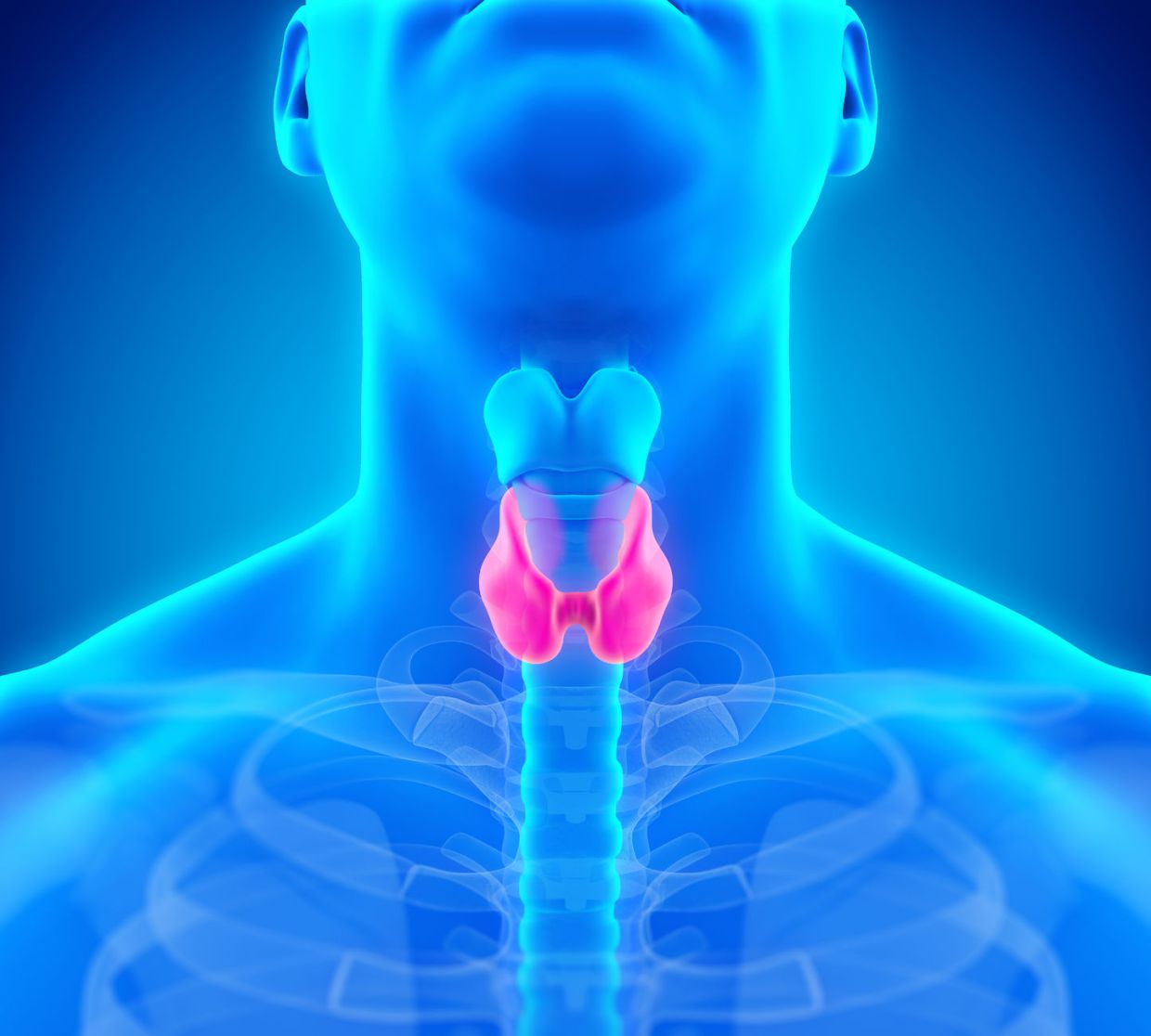 The thyroid gland is responsible for producing thyroid hormones that control our metabolism, physical and sexual health. — Wikimedia Commons
Living with hypothyroidism
For Najwa Abdul, 33, an entrepreneur in the beauty industry, living with hypothyroidism has been a challenging journey.
Hypothyroidism occurs when the thyroid gland does not produce enough hormones to meet the body’s needs.
Although she was only diagnosed in 2024, Najwa had been experiencing symptoms since 2020 but she never consulted a medical practitioner and assumed it was part of stress.
She struggled with fluctuating weight, fatigue, anxiety, low mood and brain fog-symptoms that gradually took a toll on both her confidence and social life.
“I work in the beauty industry, so appearance matters. I attend events and meet people regularly,” she says.
Before her diagnosis, she often felt uncomfortable in her own skin.
“I constantly felt bloated. My face looked puffy, dry and dull – it didn’t feel like me,” Najwa recalls.
Insensitive remarks from others further affected her confidence.
“When I go to events, people would say, ‘You used to be so thin.’
“As a brand owner, I have to represent my business,” she says.
“When I don’t feel well physically, it affects how I present myself.”
Najwa’s turning point came when she consulted a regenerative medicine doctor, who carried out more comprehensive tests, diagnosed her with hypothyroidism and developed a personalised treatment plan.
“When I finally understood what was happening in my body, I felt relieved and hopeful,” she says.
“My doctor reassured me that I was not alone.”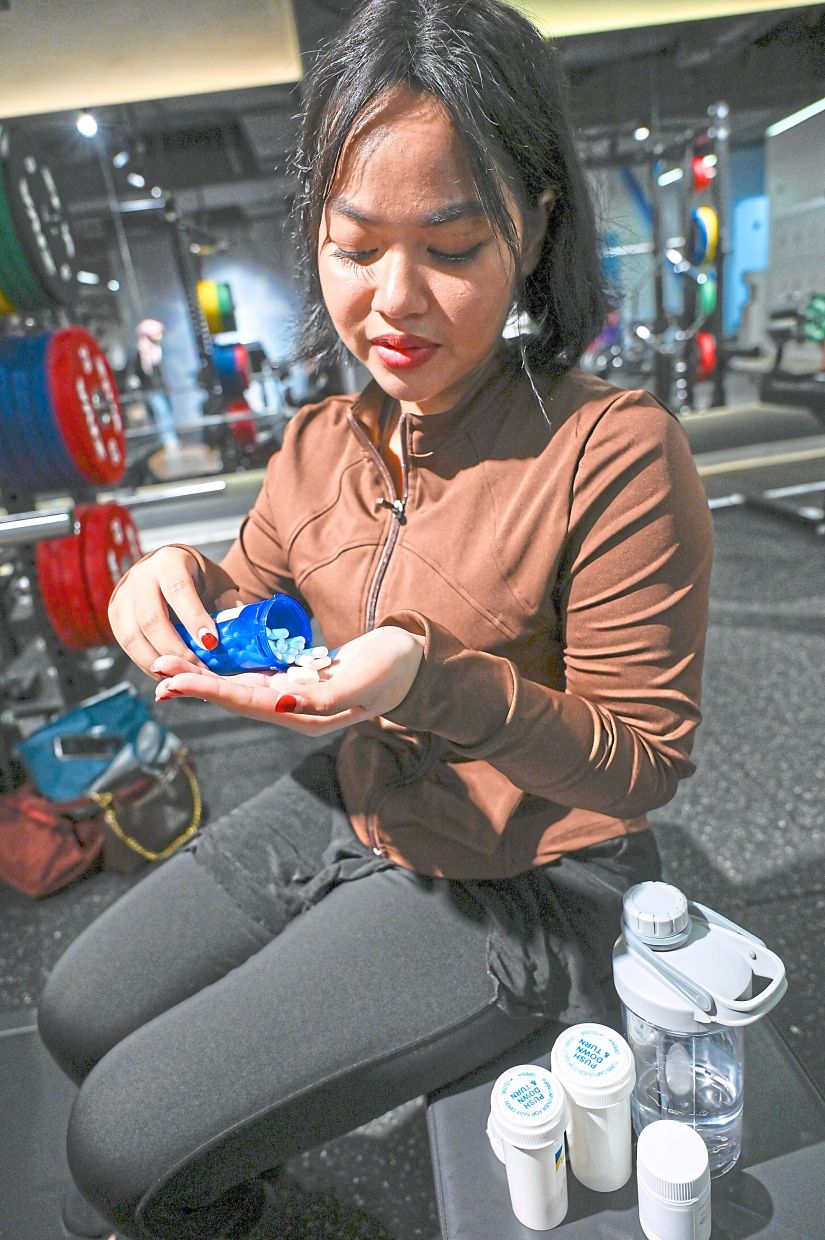 Najwa stresses the importance of undergoing a blood test to understand the body’s needs before taking supplements. — IZZRAFIQ ALIAS/The Star
A personalised approach
While thyroid medication helps manage her condition, Najwa feels it is not enough on its own.
“Taking medicine is fine, but what if the body doesn’t fully absorb it?” she questions.
Najwa believes in the traditional Chinese medicine view that blockages in the body are a result of energy stagnation, thus may affect how well the medication is absorbed.
As a result, her treatment with the regenerative medicine specialist focused on restoring gut health first.
Her programme began with a three–month plan targeting the gut.
It started with a short course of deworming medication, followed by antibiotics, before moving on to customised probiotics and prebiotics tailored to her needs.
The first month focused on clearing the digestive system, while the following months were aimed at restoring gut microbiome balance.
She also underwent intravenous (IV) high-dose vitamin C and hydrogen drips to boost immunity, reduce inflammation and support nutrient absorption.
“Blood tests showed my inflammation levels were high, so we needed to address that first,” she shares.
“If you don’t resolve those issues, supplements won’t be as effective.”
Slowly, she began to see gradual improvements.
“The drip helps speed up the process, but eliminating processed and unhealthy foods is the most important step for faster results,” she says.
Dr Liau stresses that while such treatments may be used when necessary, lifestyle changes should always come first.
“If patients have done everything they can and still do not improve, then we consider additional treatments,” she says.
“Our body has a strong ability to heal if given the right conditions.”
Necessary supplementation
After restoring her gut health, Najwa turned her attention to addressing nutrient deficiencies.
“It’s important to do a blood test first to understand what your body needs,” she says.
She emphasises that supplementation should be highly personalised, as individual needs vary.
Dr Liau echoes this view, stressing that supplements must be tailored and medically supervised.
“How do you know if you need a supplement, or if the dosage is right?” she says.
“Some supplements are only meant for short–term use, so proper guidance from a medical professional is essential.”
Based on her blood test results, Najwa takes targeted supplements, including vitamin D, progesterone, omega–3, vitamin B and coenzyme Q10 (CoQ10), to address specific deficiencies.
According to Dr Liau, vitamin D deficiency is particularly common.
“You cannot rely solely on food and sun exposure,” she explains.
“Sun exposure only stimulates the skin to produce a vitamin D precursor – you cannot use it directly.
“The body still needs proper sleep for the liver to convert it into an intermediate form, as well as a healthy gut and kidneys to activate it into its usable form.”
She adds that low levels of essential nutrients, such as vitamin D, can impair the body’s ability to repair and regulate itself. Najwa Abdul’s meals are focused on whole, balanced foods in line with an anti-inflammatory diet. —NAJWA ABDUL
A diet that works
Although she wasn’t eating right before, diet now plays a central role in Najwa’s long–term management of hypothyroidism.
She follows an anti-inflammatory approach, focusing on whole, unprocessed foods.
“I eat three main meals a day, making sure each one is balanced with carbohydrates, protein, fibre and healthy fats,” she says.
Her meals are kept simple and structured.
For breakfast, she might have a banana with eggs, sometimes adding peanut butter or olive oil for healthy fats.
Dinner is lighter, typically consisting of protein with smaller portions of carbohydrates.
“I usually have chicken with a little rice or sweet potato, and a bowl of salad,” she says.
She also pays attention to the order in which she eats.
“I start with fibre, then protein, and carbohydrates last to help manage blood sugar levels.”
Dr Liau explains that this sequence supports digestion and helps prevent rapid spikes in blood sugar.
“Start with vegetables, then protein, followed by fats.
“Carbohydrates should come last and in smaller portions,” she says.
Chewing, she adds, is equally important.
“Digestion begins in the mouth. When you chew properly, you break down food into smaller particles and start the digestive process early,” the doctor explains.
Eating slowly also allows the body’s natural hunger signals to function effectively.
“When you eat more slowly, it gives the gut time to signal the brain to release satiety hormones – the hormones that tell you you’re full,” Dr Liau says.
Najwa also avoids ultra–processed foods, focusing instead on whole ingredients.
“When you eat ‘real’ food consistently, you begin to appreciate natural flavours,” she says.
Over time, this shift has helped reduce her cravings for sugary and salty foods. Dr Liau emphasises that functional medicine prioritises making lifestyle changes over relying solely on medication. — Klinik Q
Managing work and energy levels
Understanding her body’s rhythms helps Najwa manage both her health and workload.
“I try to do my most demanding tasks in the morning, when my energy levels are highest,” she says.
She structures her day accordingly, tackling mentally intensive work early on and leaving lighter tasks for later.
Evenings are reserved for rest and recovery.
“I slow down with relaxing activities to help my body wind down before sleep,” she says.
Dr Liau explains that this approach aligns with the body’s natural cortisol rhythm.
“When you don’t get enough rest, your body cannot produce sufficient cortisol to sustain you throughout the day,” she says.
“This is why many people feel tired by midday, especially after lunch.”
While this routine helps maintain balance, Najwa acknowledges that it is not always easy to follow.
“Sometimes urgent work comes up, and I have to adjust,” she says.
For Najwa, having a supportive husband makes a significant difference in her recovery.
Before treatment, she felt weighed down and emotionally heavy, not like her usual self.
“There were even moments when I wondered if he should leave me because I didn’t feel good enough,” she admits.
Despite this, her husband stood by her and remains supportive.
Najwa says: “He has been there since the beginning.
“Even as I continue to change physically and emotionally, he is still by my side.
“For me, my husband is my main support system – and that makes a huge difference in helping me cope.”