
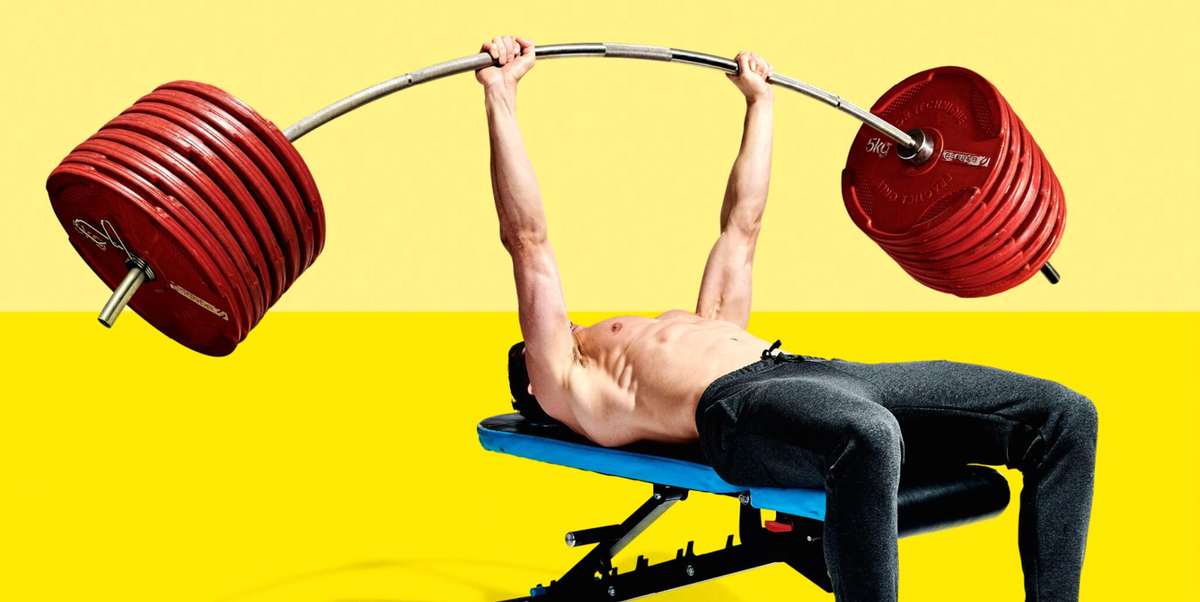
Less than 1% of the global population has completed a marathon. Even fewer have ever lifted 100kg on the bench press. But log on to social media and within seconds you’ll see someone casually running a sub-three-hour marathon, another benching four plates on the bar for reps and some maniac cycling across the world. They’re all fitness achievements that have been normalised (well, maybe not the latter), but there’s nothing regular about it. Welcome to the warped age of fitness.
On social media, runners have got faster. Much, much faster. But that’s not representative of the general population: in 2005, the average parkrun finish time was 22:17; in 2025, that rose considerably to 30:37. Participation levels in running are at an all-time high, so even though the rise of elite amateurs highlights the average person’s own inadequacies, there are more people than ever out on the roads enjoying slower runs – we just aren’t talking about it.
In the UK, the average finishing time for a marathon is around four hours, 37 minutes, yet all we’re fed are people managing times that start with a two. Just 6% of people who completed the 2026 London Marathon finished in sub-three hours. The largest percentage of runners crossed the line in a time between four hours and 4:59.
The same happens with gym content – muscly men are repping triple figures or squatting a small family on their backs. But data from Strength Level, which has compared bench press standards from a community of over 48m lifts, suggests that while consistent lifters can achieve a bench press one-rep max of 1.25 times their body weight, that ratio drops to half their body weight for beginners.
While it makes sense, with the best-performing individuals more likely to rise to the top of social media algorithms, it’s distorting the reality of what’s actually achievable. Realistically, simply running a marathon or being able to lift your body weight in any exercise is a remarkable feat that should be championed, not undervalued because of what the very best are capable of.
And what these select few are doing isn’t normal, either. In fact, it’s arguably dangerous. When researchers compared the survey results of 576 multi-marathoners with The Irish Longitudinal Study on Ageing (TILDA) – which charts the health, social and economic circumstances of a representative cohort of more than 8,500 people in Ireland aged over 50 over a 10-year period – they found long-distance runners showed higher levels of anxiety and depression. The runner’s high wears off, with feelings of euphoria replaced by those of despondency.
It’s distorting the reality of what’s achieveable
A study in BMC Sports Science, Medicine And Rehabilitation concurs. ‘Endurance athletes experienced varied post-race emotions that were both physically and mentally challenging,’ researchers concluded, with ‘loss of energy, ambivalence and melancholy’ all reported. Add in that issues such as nipple chafing and gastrointestinal discomfort have now become accepted torturous byproducts of endurance events, and it almost seems these races aren’t made for the average human. And it’s not like there are many real-life situations, if any, where you’re required to lift double your body weight.
This isn’t a slight on those who are capable of running incredibly quickly or lifting extremely heavy. But the social-mediafication of fitness has skewed everyone’s perceptions of what’s attainable. The average person has to juggle work commitments with family life and everything in between, meaning they can’t always find time for important workouts. In contrast, training forms a key part of a fitness influencer’s job – essentially, they’re masquerading as professionals under the guise of amateurs. No one thinks performances from the likes of Sabastian Sawe or Hafþór Björnsson are normal, so why should we think any differently when it comes to those we see on social media?
What social media also fails to promote is the years of consistent training that have enabled each performance. Sixty-second snippets condense everything, with binary messages suggesting that in order to replicate impressive achievements, all you need are a few quick changes to your training. It’s a long and arduous process – for some, it might take years before they can even dream about running under four hours in a marathon, or to complete a lift with 80kg on the bar. Some will never get there. And that’s okay – training should be fun, and arbitrary numbers compared against these elite amateurs shouldn’t diminish any achievement or even the journey of becoming fitter, stronger or healthier. By all means set ambitious targets to work towards, but we need to stop perceiving our own fitness feats as anything less impressive just because there’s someone out there who is faster or stronger than us.
Pheidippides proved it best. Though he fought at the Battle of Marathon, such was his physical exertion running the 25 miles from Marathon to Athens, he died after announcing the Athenians’ victory. No one knows how long his journey took – doing the thing was hard enough.
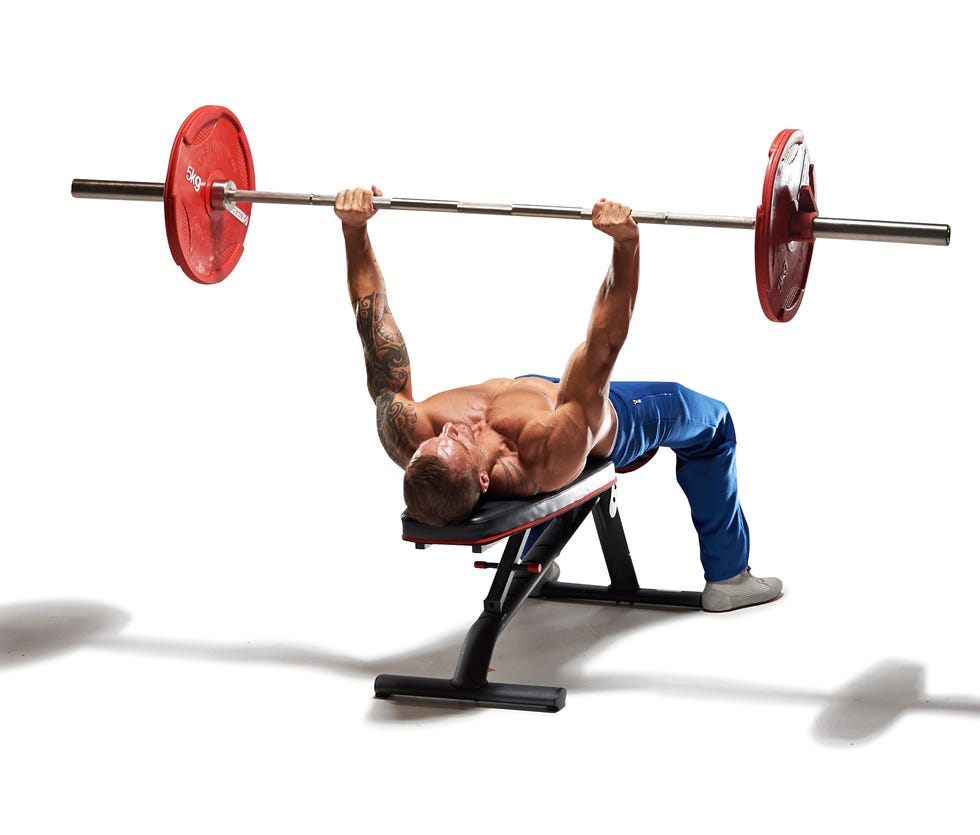 Realistic Strength Standards
The issue with strength standards is that they don’t allow for variables, such as our age, injury history, height and limb length, which can all have a huge effect on how much we can lift. However, there are some general benchmarks that will work for most people.
Beginner
Bench press 1RM @ 0.75 x BW
Squat 1RM @ 1 x BW
Deadlift 1RM @ 1.25 x BW
Intermediate
Bench press 1RM @ 1-1.5 x BW
Squat 1RM @ 1.25-1.5 x BW
Deadlift 1RM @ 2 x BW
Advanced
Bench press 1RM @ 1.5-2 x BW
Squat 1RM @ 1.75-2 x BW
Deadlift 1RM @ 2.5+ x BW
Realistic Running Standards
When it comes to running, age can play an even larger role in ability. These are considered better than average times across the four most popular distances.
20-30
5K 22:31
10K 46:43
Half marathon 1:43
Marathon 3:34
30-40
5K 22:53
10K 47:09
Half marathon 1:44
Marathon 3:36
40-50
5K 24:38
10K 50:26
Half marathon 1:51
Marathon 3:50
50-60
5K 26:40
10K 54:53
Half marathon 2:01
Marathon 4:11
60-70
5K 29:05
10K 60:11
Half marathon 2:13
Marathon 4:37
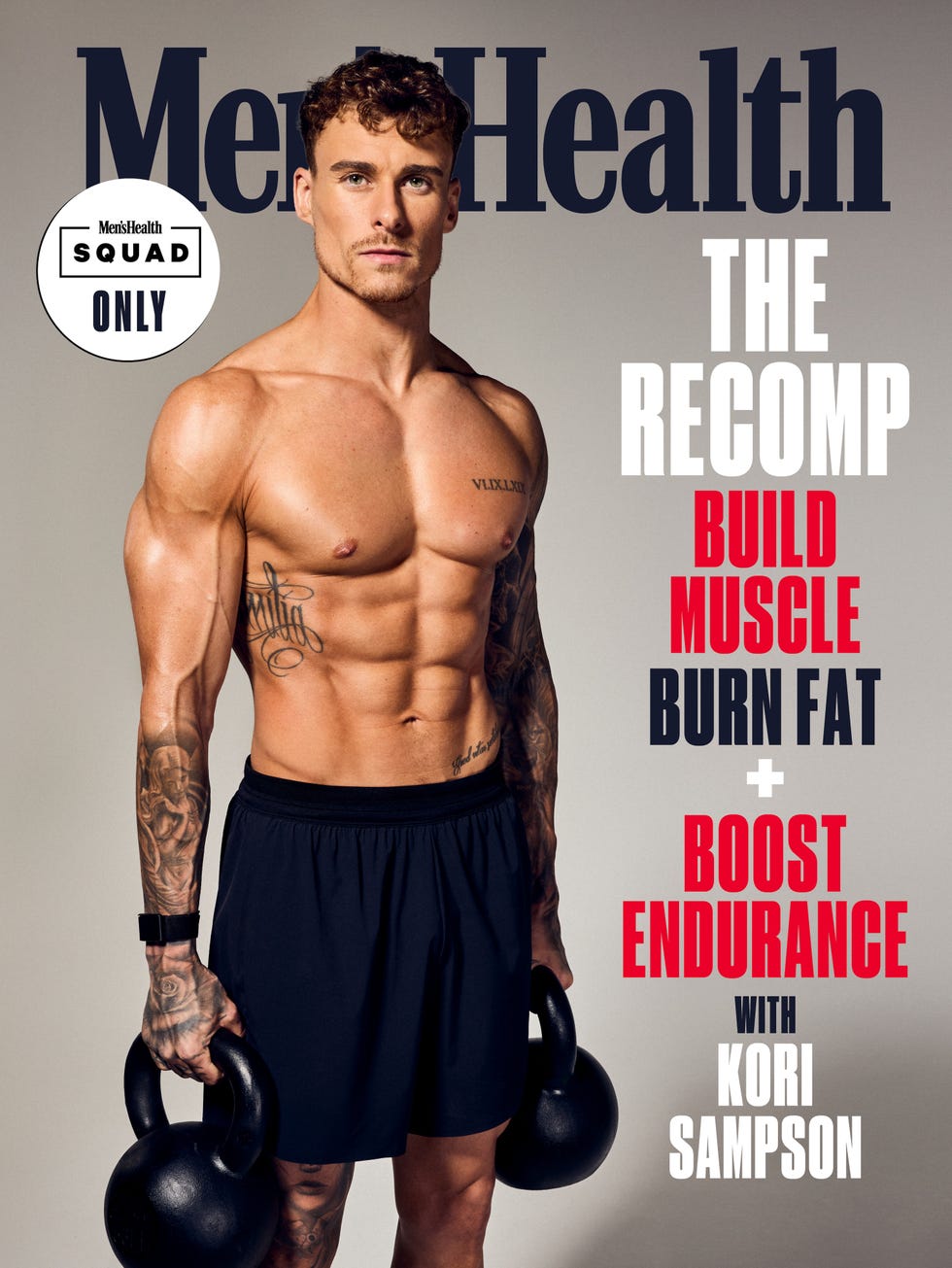
If there’s one thing Kori Sampson knows, it’s how to optimise your body composition for performance. To tap into his knowledge as an elite athlete and coach, we asked him to create a 4-week plan to help you move faster, recover quicker and keep pushing when the fatigue sets in – all while improving your muscle-to-fat ratio.
Ready to build muscle, burn fat and come out the other side looking, feeling and performing better? Click here to get 14 days of free access to the plan via the Men’s Health app.

Ryan is a Senior Writer at Men’s Health UK with a passion for storytelling, health and fitness. Having graduated from Cardiff University in 2020, and later obtaining his NCTJ qualification, Ryan started his career as a Trainee News Writer for sports titles Golf Monthly, Cycling Weekly and Rugby World before progressing to Staff Writer and subsequently Senior Writer with football magazine FourFourTwo.
During his two-and-a-half years there he wrote news stories for the website and features for the magazine, while he also interviewed names such as Les Ferdinand, Ally McCoist, Jamie Redknapp and Antonio Rudiger, among many others. His standout memory, though, came when getting the opportunity to speak to then-Plymouth Argyle manager Steven Schumacher as the club won League One in 2023.
Having grown up a keen footballer and playing for his boyhood side until the age of 16, Ryan got the opportunity to represent Northern Ireland national futsal team eight times, scoring three goals against England, Scotland and Gibraltar. Now past his peak, Ryan prefers to mix weightlifting with running – he achieved a marathon PB of 3:31:49 at Manchester in April 2025, but credits the heat for failing to get below the coveted 3:30 mark…
You can follow Ryan on Instagram @ryan.dabbs or on X @ryandabbs_