Whether you’re a seasoned lifter or less familiar with the gym floor, you’ve likely heard of ‘ ‘progressive overload‘. It’s the underpinning principle behind improvements in strength and muscle growth, as well as cardiovascular performance.
However, it’s important to apply the principle correctly. While many coaches recommend adding weight every session, that isn’t the only way to progressively overload. The principle includes:
Coach and physiotherapist Dr Stefi Cohen explains: ‘People are pushing you to add more and more weight, thinking that adding weight is what automatically means progress, but that’s so far from the truth.’
‘For example, if my squat has my knees caving in, my back all rounded, and then I’m just adding more weight, all that’s happening is I’m progressively overloading an absolute mess,’ she says.
The physiotherapist argues that you’re loading a movement pattern you haven’t yet earned.
‘The goal should never be to add more weight for the sake of lifting more weight. The goal has to be to stimulate the body to get a specific result that you’re actually training for, whether that’s muscle, more strength, power, less pain, whatever it is.’
Dr Cohen argues that if you’re adding weight to a movement pattern you can’t perform correctly, you’re not progressively overloading.
‘You’re progressively fucking up your squat and not actually training what it’s intended to.’
Adding weight to an exercise should be your last step when it comes to the progressions available. The coach says the first priority is to master the movement itself by spending time practising. This means more reps, more sets and more time under tension.
‘After that, you can maybe increase the range of motion in different positions, and then the load. And in the in-between, take exercises to overload that don’t require that skill development,’ Dr Cohen says, giving the leg press as an example if your goal is lower-body muscle growth, as it requires less technical skill.
The Takeaway
Progressive overload isn’t just about adding more weight to the bar. You need to give your body a reason to adapt, whether that’s through better technique, more reps, exercise variation, greater range of motion or improved control. If you rush to increase the load before you’ve mastered the movement, you’re often reinforcing poor mechanics rather than making meaningful progress.
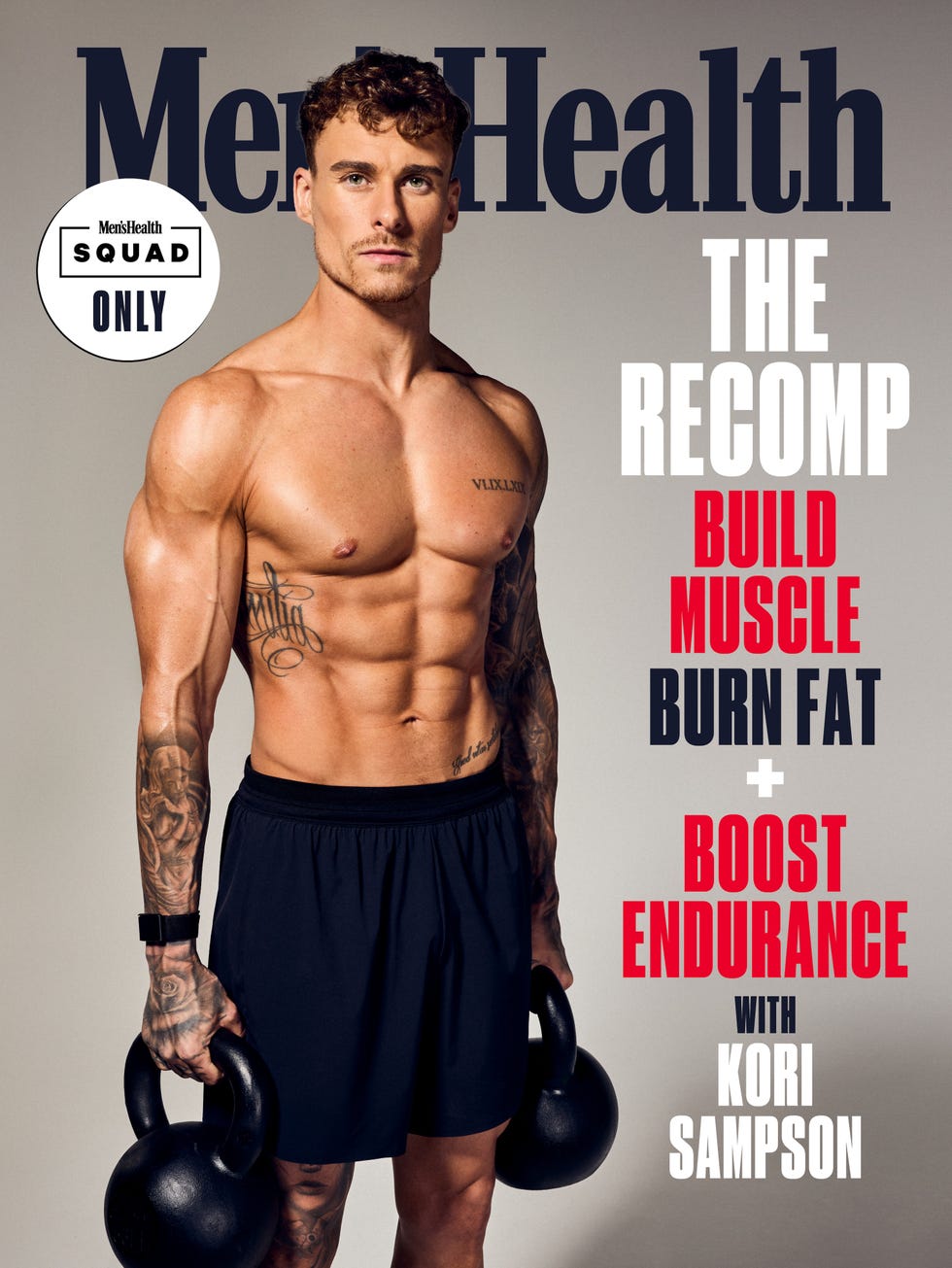
If there’s one thing Kori Sampson knows, it’s how to optimise your body composition for performance. To tap into his knowledge as an elite athlete and coach, we asked him to create a 4-week plan to help you move faster, recover quicker and keep pushing when the fatigue sets in – all while improving your muscle-to-fat ratio.
Ready to build muscle, burn fat and come out the other side looking, feeling and performing better? Click here to get 14 days of free access to the plan via the Men’s Health app.