
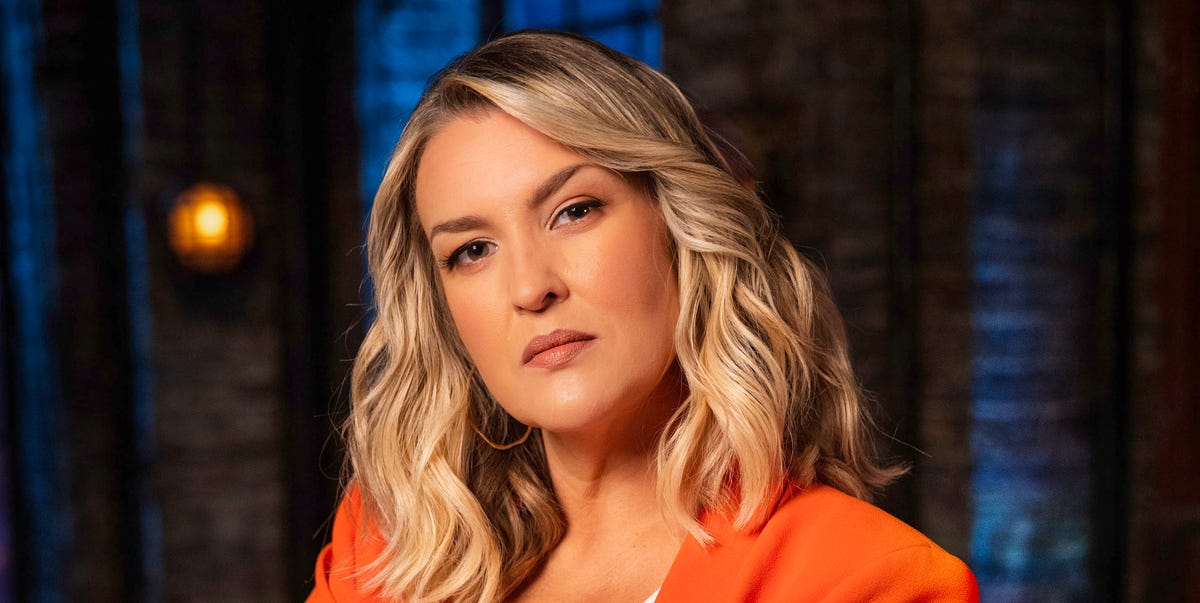
Behind every successful woman, (as the saying doesn’t, but should, go), is a long to-do list of uncompleted self-care goals. Take Sara Davies. The crafting guru, entrepreneur and Dragon’s Den icon recently told Women’s Health that, despite being told that gestational diabetes during both of her pregnancies left her at risk of developing pre-diabeties, she struggled to make the lifestyle changes her doctor advised. ‘I thought going on national telly might be the kick up the bum that I needed to lose some weight,’ she said, ‘and I still didn’t.’
Which is refreshingly relatable. Because you don’t have to have an MBE and a business empire to know that – for women at least – when life gets busy, looking after yourself often comes last. At the end of last year, GH conducted a survey exploring women’s feelings about fitness. More than 1,000 of you responded and only half said they currently feel fit enough. A clear majority (58%) want to exercise more. So what’s holding us back? Life.
It’s just… often, really very busy right? Or, as former team GB triple jumper turned life coach Michelle Griffith-Robinson puts it: ‘Why do women find it hard to invest in themselves? Because they don’t see themselves as the most important thing.’
To stick to healthy habits, we need to remove all possible friction. Make them as simple as possible to work into our current commitments. For Sara, that means turning her regular walks with friends into something with a little more oomph.
Several times a week, she goes power walking with different friends – ‘not like a little stroll and a bit of chit-chat,’ she clarified. ‘We are out of here and power walking for an hour at 6am with our weighted vests on – we do around 6k in an hour.’ There’s a lot to unpack here. For a start…
Have an accountability group
OR Images//Getty Images
If you’re trying to stick to fitness goals, it’s a great idea to commit to a plan with someone else or a group of friends, says Michelle: ‘I call this your accountability group. Pledge to keep each other going, never judge and always celebrate each other.’
Make it something to look forward to
‘Going to the gym three times a week, getting 10,000 steps in… it’s not achievable for everyone,’ says Michelle. ‘So let’s stop beating ourselves up. Find the movement that brings you joy.’ If meeting up with your friends makes you look forward to exercise, instead of dreading it, then that’s your magic formula.
Consistency is key
‘We need to be kind to ourselves but we also, crucially, need to be consistent,’ says Michelle. ‘Because when you make small, incremental, consistent changes, you get bigger results.’
Up the speed just a little
Turning up the dial just a notch, from stroll to ‘zone two’, really does make a difference to the health and fitness benefits of your walk.
Zone 2 walking is a moderate-intensity aerobic exercise, where your heart rate sits at 60 to 70% of your maximum capacity. It is highly effective for improving metabolic health and burning fat. In fact, your body uses a greater proportion of fat for fuel while you’re in Zone 2 than it will when you’re exercising at higher intensities.
How do you know if you’re walking at a zone 2 pace? You should be able to speak in full sentences, but it takes a bit of effort and you need to take a breath between phrases. If you can sing you should speed up. If you’re gasping for air, slow down.
Weigh it down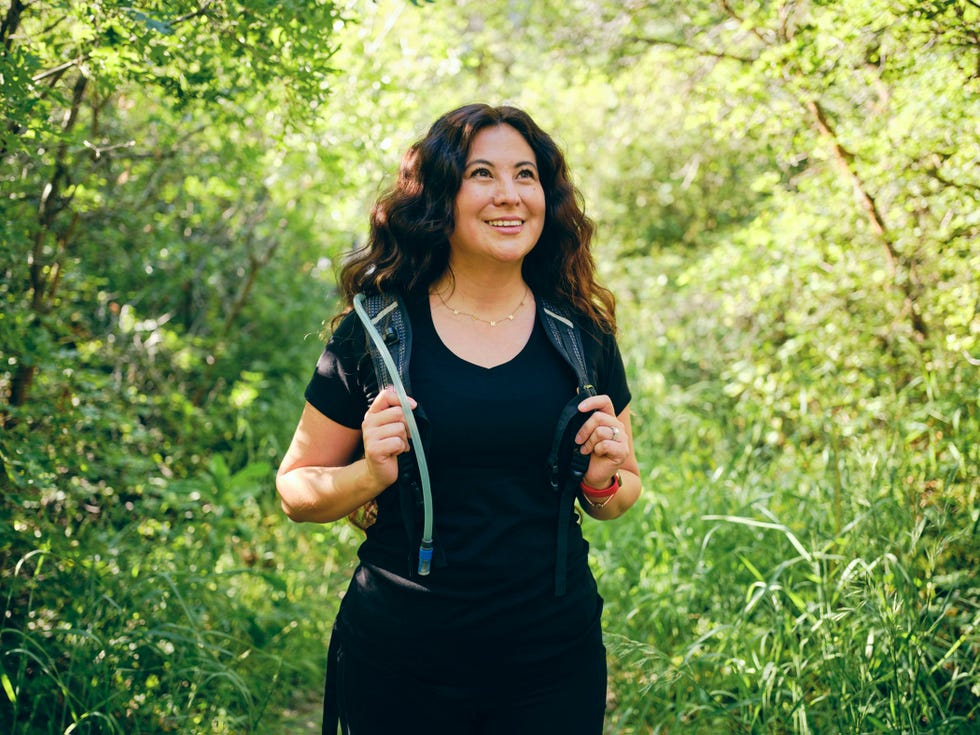
O2O CREATIVE//Getty Images
Women’s health coach and fitness expert Kate Rowe Ham, loves her weighted vest walks and lists the following benefits for women in midlife and beyond:
Stronger bones
Muscle retention
Trimmed belly fat
Faster metabolism
Better heart fitness
Easier on joints than running
Improves your posture
And your balance
Improves grip, walking speed, and leg power — the traits that predict a long, independent life
Everyday ease: stairs, groceries, grandkids and suitcases all feel lighter
‘Weight-bearing exercise is also linked to better memory and lower dementia risk,’ she points out, and issues one warning for pelvic floors: ‘the weight pushes down on you. If you leak, have prolapse, or feel weak down there, start very light and keep the vest snug and high on your chest.’
How to use weighted vests
Kate has this advice:
Start: 4–6 lbs (or about 3% of your body weight)
Build up to: 8–10% of your body weight over 2–3 months
How often: 20–40 minute walks, 3–5 days a week, plus 2 strength sessions
Skip: running or jumping in the vest, and don’t go above 10% of your body weight
Check with your doctor first if: you have osteoporosis, back problems, prolapse, or high blood pressure that isn’t controlled
Do weighted vest walks really work?
GH wellness editor Priyanka Joshi wore a weighted vest on her daily walk for a month. ‘Even adding just 2kg, my usual stroll around the local park – which, it’s worth noting, has a fair few hills – felt noticeably harder,’ she says. ‘I was slightly sweaty and huffing and puffing by the time I got home, but it was nice to feel as though I’d pushed myself without needing to go further or faster.’
Over the next few weeks she gradually added weight to her vest. At 5kg she felt noticeably stronger, fitter and her posture improved.
So was it worth it? ‘Put simply, yes,’ says Priyanka. ‘If, like me, you’re always on a time crunch, it’s a small change that can add up to noticeable results over time – even if you just work it into your morning dog walk, a trip of the coffee shop or while pottering around the house.’