
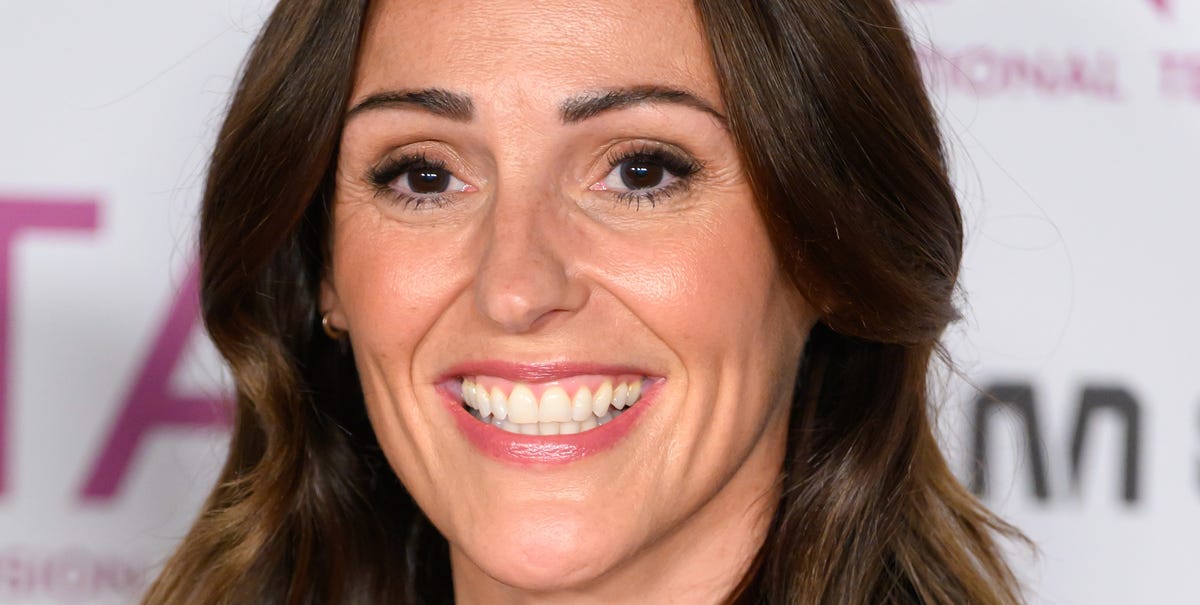
Suranne Jones is back on our screens with the third season of Vigil, reprising her role as intrepid detective DCI Amy Silva as she investigates a murder in the Arctic.
But while DCI Silva is tackling an international crisis in Svalbard, Jones has been navigating a more (relatable) everyday question off-screen: what to eat to feel well while balancing long filming days, motherhood and perimenopause.
The 48-year-old actor has spoken about moving between vegetarianism and veganism before returning to meat because she felt she needed to get more protein into her diet. She has also discussed lifelong gut-health problems, bloating and sluggishness, as well as the simple meals she eats at home – from omelettes and homemade curry to salmon pasta.
And despite becoming more health-conscious over the years, Jones is still very much a fan of her Northern comfort-food staples: chips, gravy, pie, crisps and the occasional chippy tea.
Here are six things we know about Suranne Jones’ diet.
1. She started eating more protein during perimenopause
Last year, while appearing on the podcast Dish, hosted by broadcaster Nick Grimshaw and Michelin-star chef Angela Hartnett, Jones explained she had only just started eating chicken again.
She said she had moved between vegetarianism, veganism and eating meat before deciding she should include more protein in her diet.
‘But I’m still fussy with it,’ she said, adding that she’s ‘been through every’ phase – going vegetarian and vegan before starting to eat meat again.
‘I should eat some protein. So anyway, now I’m back on everything. Perimenopause, get that protein in,’ she said.
While Jones chose to reintroduce meat, it isn’t a nutritional requirement during perimenopause. Protein can also come from eggs, dairy, fish, beans, lentils, tofu and other plant foods.
 Hoda Davaine//Getty Images
Suranne Jones at the National Television Awards. The actor has spoken about her evolving approach to food, including her experiences with gut health issues.
2. Her usual breakfast is an omelette
From a 2023 interview with The Telegraph, the actor revealed she tends to have eggs for breakfast – usually in the form of an omelette.
Eggs are a useful source of protein, with one large egg providing roughly 6-7g, as well as all nine essential amino acids and nutrients including vitamin B12. An omelette is also a really easy way to add vegetables and cheese, or other proteins, to your diet.
3. Her go-to meals include salad, soup, curry and salmon pasta
Her everyday meals are relatively simple. In the 2023 interview with The Telegraph, she said she would usually have an omelette for breakfast, ‘some kind of salad or soup’ for lunch, and either a homemade curry or salmon with pasta in the evening.
Of course, the exact nutritional figures depend heavily on the ingredients – a curry made with lentils, vegetables or tofu will offer something different from one made with chicken, for example – but these meals show that Jones’ diet is not built around complicated recipes or restrictive rules.
4. She grew up on chips and gravy
Jones’ Northern upbringing meant the staples at home were usually ‘based around gravy. The staples at home were chips and gravy, spag bol or a roast dinner,’ she told The Telegraph.
This gives us a more realistic picture of her flexible approach to food: becoming more health-conscious doesn’t mean completely abandoning the comfort foods she grew up eating. Instead, they remain part of a varied diet that also includes home-cooked meals, fish, eggs, vegetables and the occasional chippy tea.
5. Her diet became more structured as she got older
During her early Coronation Street years, she said she ate what she wanted, went to work and then went to the pub.
‘Slowly, you learn,’ she said. ‘I was doing photo shoots, reading health magazines, I wanted to look a certain way. I started to go swimming as everyone else at Corrie was, I joined a gym, then began having facials – all the things I hadn’t done when I was younger. Then you start eating at nice restaurants, and when you move out, you figure out your own meals and what you need. You start to enjoy salads.’
 Dave Benett//Getty Images
Suranne Jones and Rose Leslie attend a screening of Vigil at BFI Southbank in London
6. She has spoken openly about gut-health problems
Jones has also described experiencing constipation, bloating and sluggishness since childhood. In the 2023 interview with The Telegraph, she recalled her grandmother giving her a grainy product called Fibre-Gel from the age of 10 to help when she ‘hadn’t been to the toilet’.
‘When my gut health is sorted, my engine starts running better,’ she said. ‘I feel clearer, more focused.’
Jones also mentioned fermented foods such as kefir and kombucha, and said she had started taking the live-bacteria supplement Symprove three months before the interview. She reported feeling less sluggish and having more regular bowel movements.
‘We’ve always known we don’t feel well if we eat badly – now there’s a language for it and doctors are talking about gut health and microbiome. Now we’re being told to drink kefir or kombucha, all really helpful stuff, but there are times when you’re working away, or you’re tired and you just haven’t done it.’