
Published October 28, 2026 10:09AM
Pros
Optional front suspension
57mm tire clearance
Frame storage
leaf-spring seat-stay system
52-tooth max chainring
Available as a chassis only
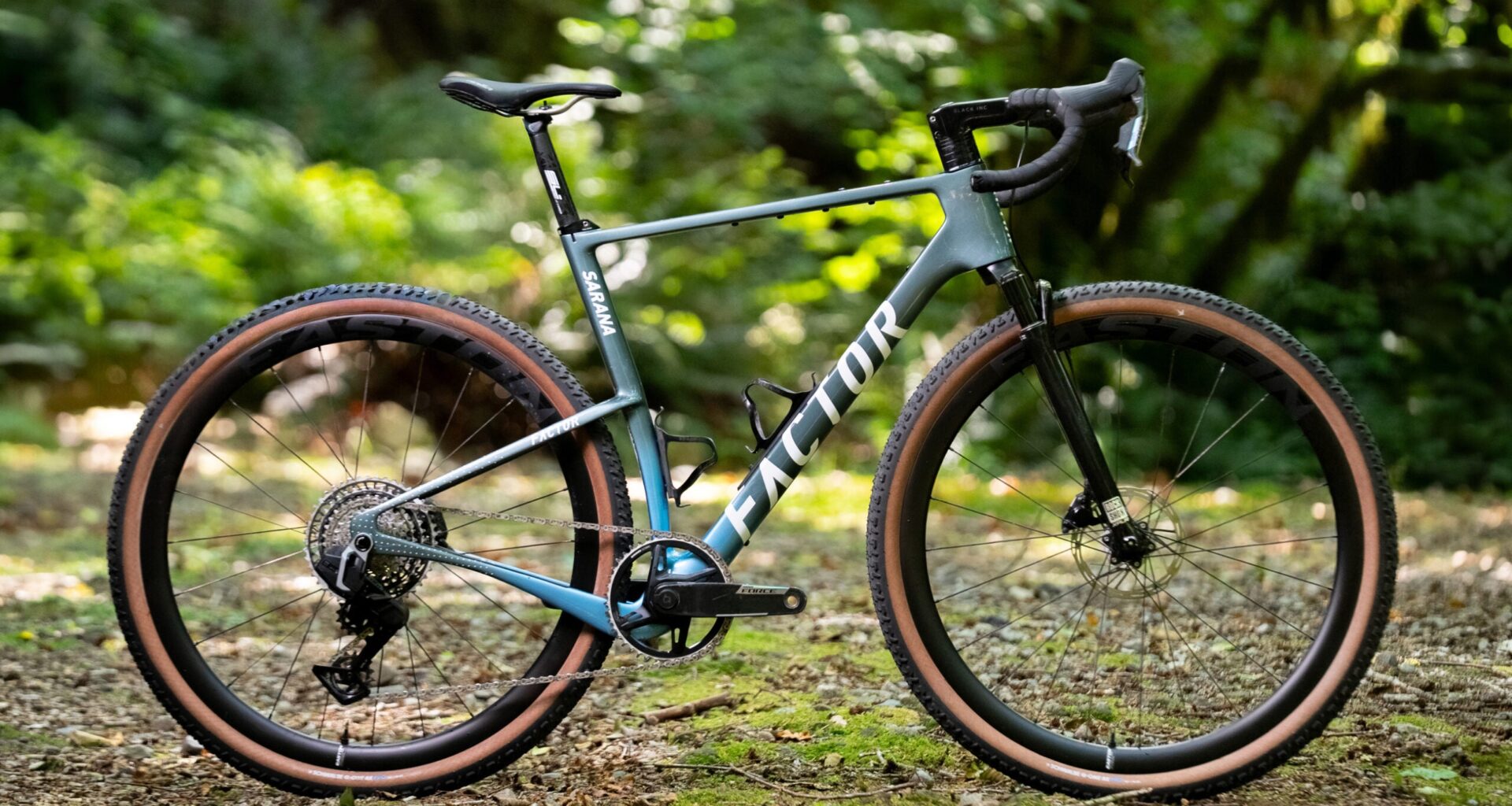
Factor Sarana specs
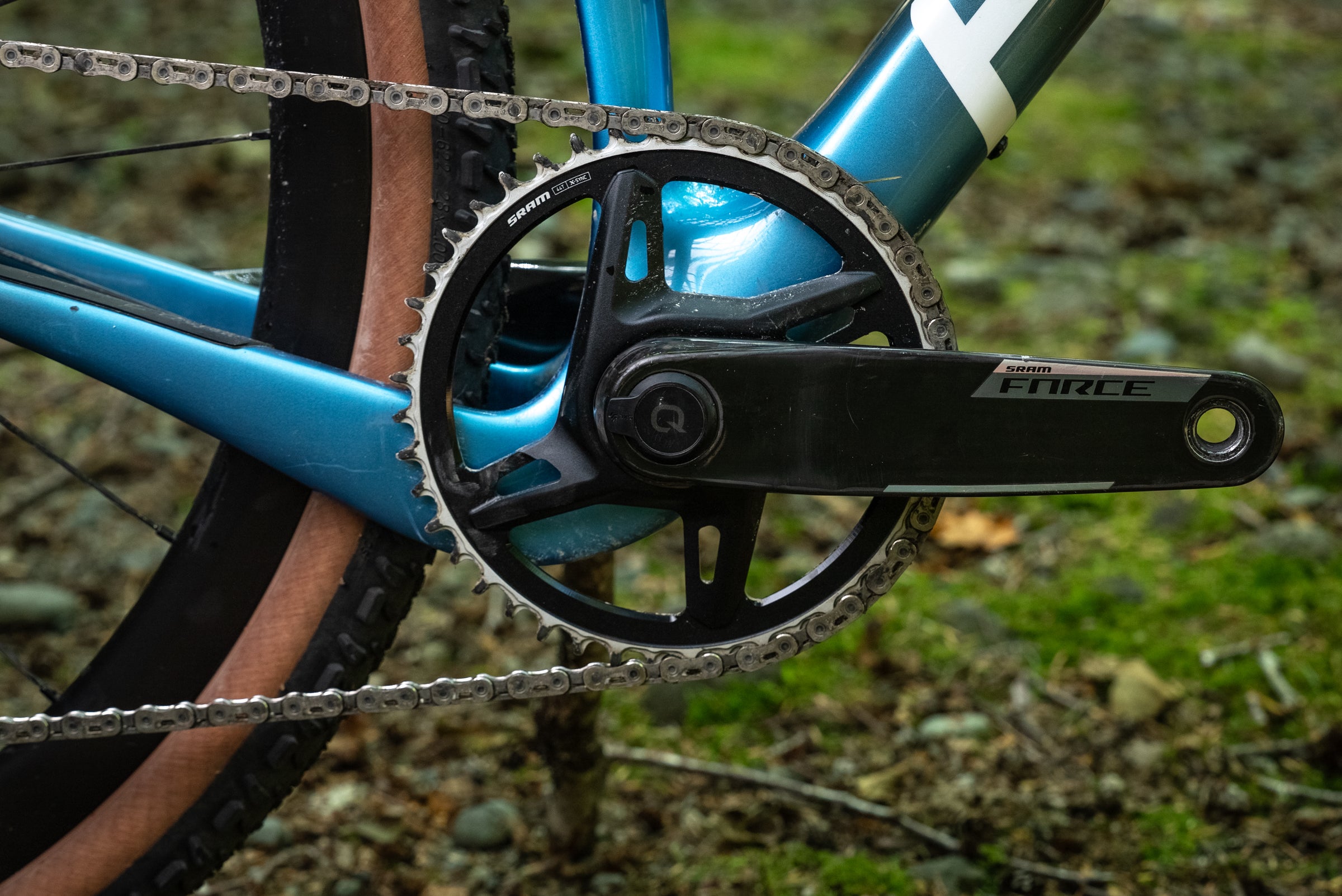
SpecificationDetailsFramesetSarana carbon chassis with suspensionDrivetrainSRAM Force XPLRGearing44t Chainring x 10-46 CassetteHandlebar/StemBlack Inc Integrated BarstemWheelsBlack Inc 46 (tested with Easton control wheels in the test)TiresSchwalbe G-OONE RX 50 (control)Price$8,499Weight9.58kgMore infoFactor Website
This bike was featured in the Velo Future of Gravel Field Test. Watch all 3 episodes, streaming now!
 (Photo: Max Barron/Velo)
The idea of the 2027 Velo Field Test is to look at today’s gravel bikes and try to identify the direction things are going, to figure out what the future of gravel looks like. Our choice for this is the Factor Sarana, and I personally could not be happier.
The Factor Sarana is designed to be an ultra-endurance race bike. It’s a category of bike that some people say isn’t real, yet it was the winning bike for this year’s Tour Divide race. It was also, realistically speaking, a bike designed with Factor athlete Rob Britton in mind. That seems like a real category of racing to me, and it’s also a category that actually applies very well to many other types of racing and everyday riders. Perhaps call it endurance gravel if that makes more sense to you.
 (Photo: Max Barron/Velo)
The bike you’d want for ultra-endurance racing is, in many ways, an all-around bike. It’s not so aggressive that you can’t hold the position for days of racing. It’s a bike that helps you when you can barely think straight, and it won’t punish you if you get distracted. A good ultra-endurance bike is also a bike that keeps you comfortable over long distances.
If you are thinking that maybe a bike with those qualities sounds pretty good for you, you aren’t alone. Comfortable, predictable, and capable are perfect traits for most people riding bikes, and that’s why we felt like the Sarana was a good candidate for the future direction of gravel riding. I happen to be thrilled because ultra-endurance is my passion, so if that’s the direction we are going, great. Let’s talk about what I like, and what I don’t, about the Factor Sarana.
 (Photo: Max Barron/Velo)
What I like about the Factor Sarana
I have to admit that one of the things I love about the Sarana is that it’s targeting a part of the market that I really enjoy. Never mind that this is a gravel bike for a moment; think in terms of road bikes. Inherently, this is an endurance bike, and endurance bikes tend to lack appeal. People are not drawn to the sensible bike, so on the road side, it becomes an “all-road” bike—despite really not being that in many cases. What does a brand do on the gravel side? You can’t sprinkle in some gravel marketing; it’s already a gravel bike. The solution seems to have been to focus on ultra-endurance as a way to jazz this up.
 (Photo: Max Barron/Velo)
That’s the most cynical way to view it, though. Instead, think about what ultra-endurance actually demands and how that translates to a bike. It also happens to align with Factor athletes, and that makes it authentic.
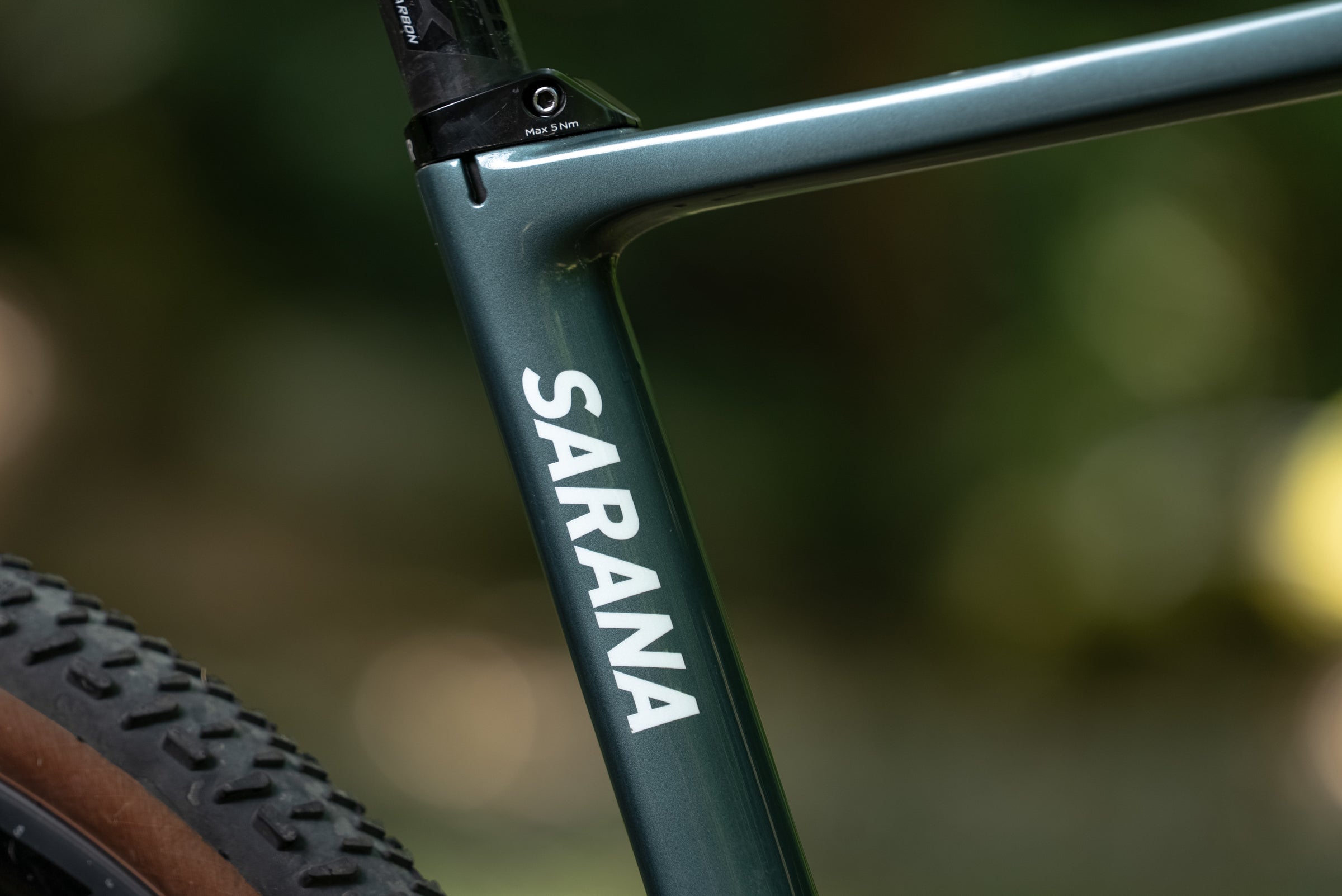
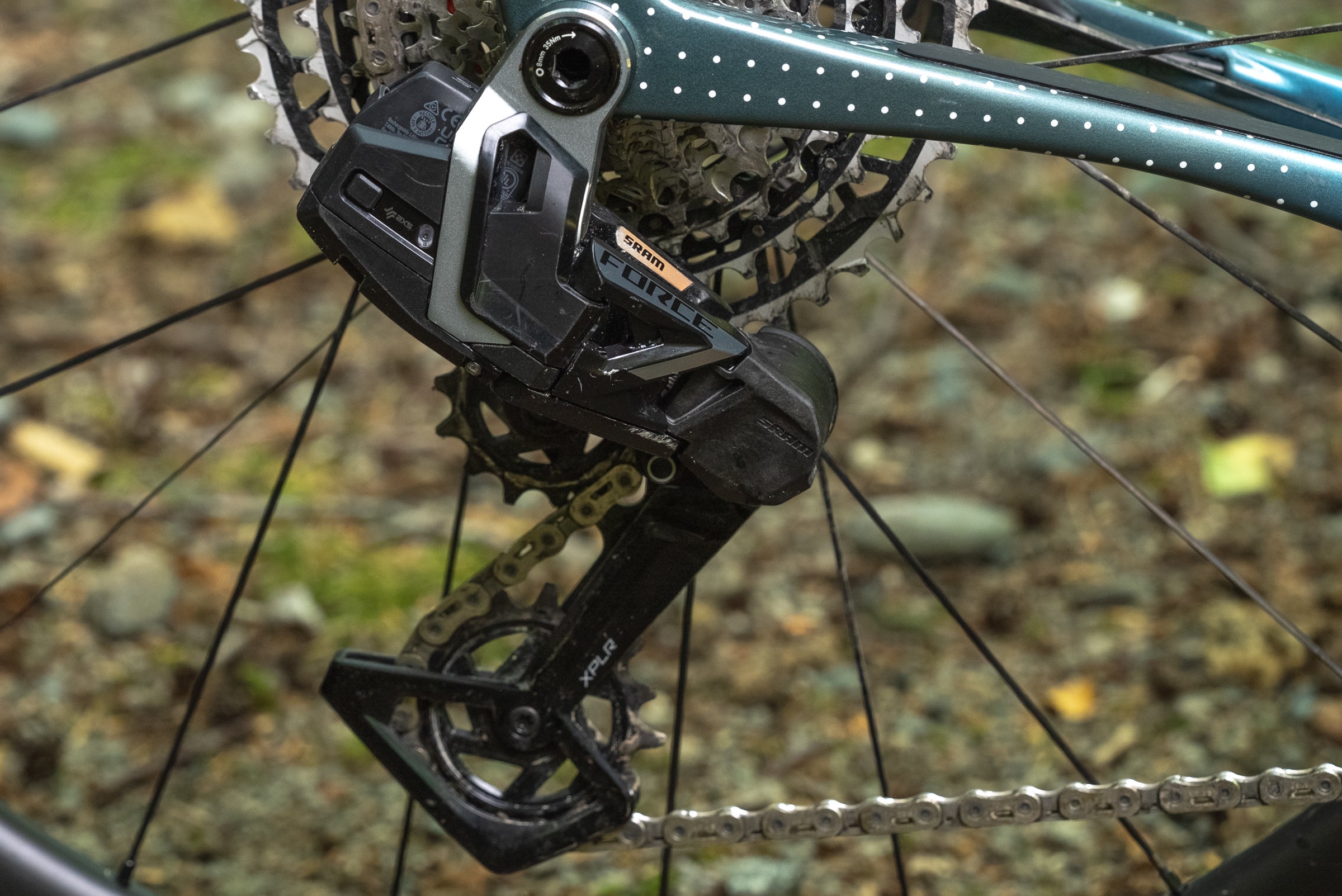
To bring this to a point: what I like about the Factor Sarana is the leaf-spring rear triangle design. What I’m talking about is a system that we’ve seen other brands take various passes at, but Factor is a company that takes pride in carbon engineering. Rather than employ a mechanical hinge like Cannondale, Factor started by dropping the chainstays near the bottom bracket. This design allows for the necessary space of 57mm tire clearance with a 425mm chainstay, but it also creates a curve that arcs gracefully up before finally curving down at the rear axle. Then, right at the top of that apex, where the design puts the most leverage on the chainstay, it’s intentionally flattened and thinned.
This chainstay design is also paired with a curved seat tube that has deeply dropped seatstays. That provides a designated flex point in the seat tube, with the seatstay positioned exactly where it needs to be to push on it and drive that movement.
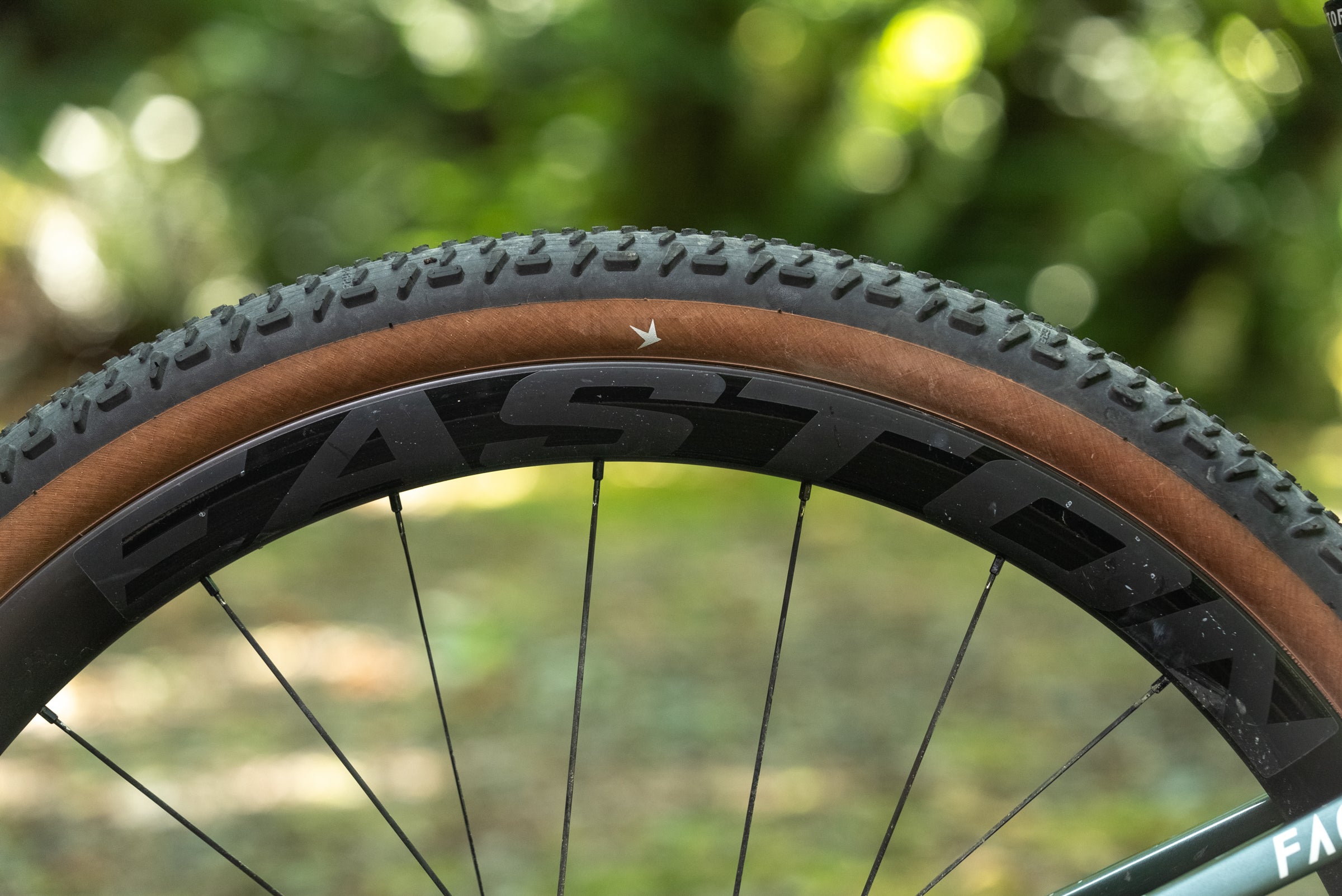 The bike comes stock with Black Inc wheels. We tested the Field Test bikes in Squamish with control Easton wheels to remove major points of variability. (Photo: Max Barron/Velo)
This shaping results in a lot of movement in the rear triangle, but it requires nothing from the end user. By utilizing geometry and carbon layup, Factor created a frame that flexes vertically to absorb impacts while remaining laterally stiff for power transfer. You get a bit of suspension without needing to deal with the weight and maintenance of a mechanical system. Factor claims this provides an “18% reduction in vibration amplitude,” and Factor has also thrown a figure of 10mm of travel at me. Either way, the exact math doesn’t matter because the result is that you can feel it, and it’s just there without drawbacks.
This also plays perfectly with the 57mm of tire clearance. Bigger tires mean more suspension and more capability. Combine that with the vertical movement of the rear triangle, and you have this great combination of comfort and capability without dealing with the bobbing or maintenance of a shock system.
 (Photo: Max Barron/Velo)
What I don’t like about the Factor Sarana
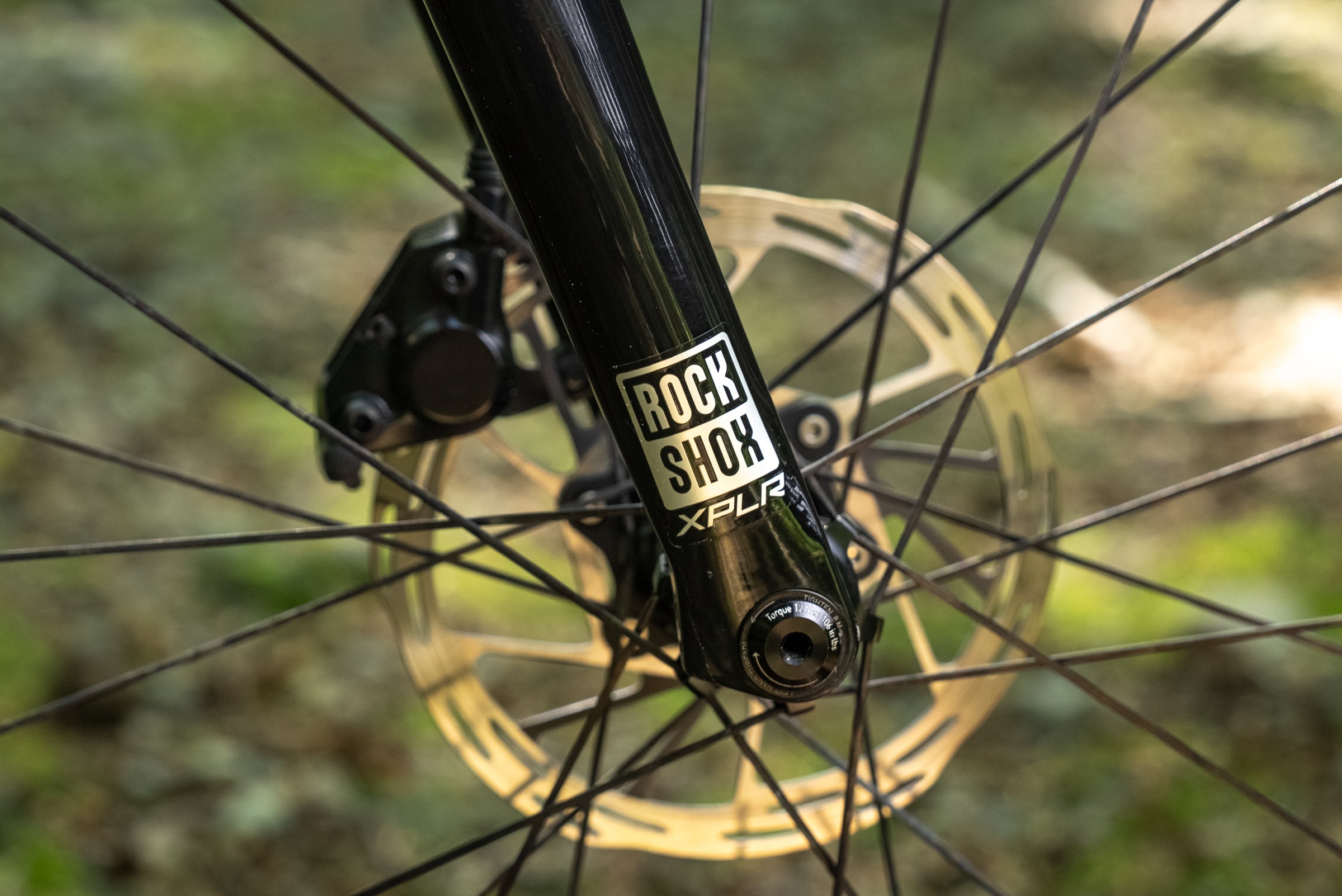
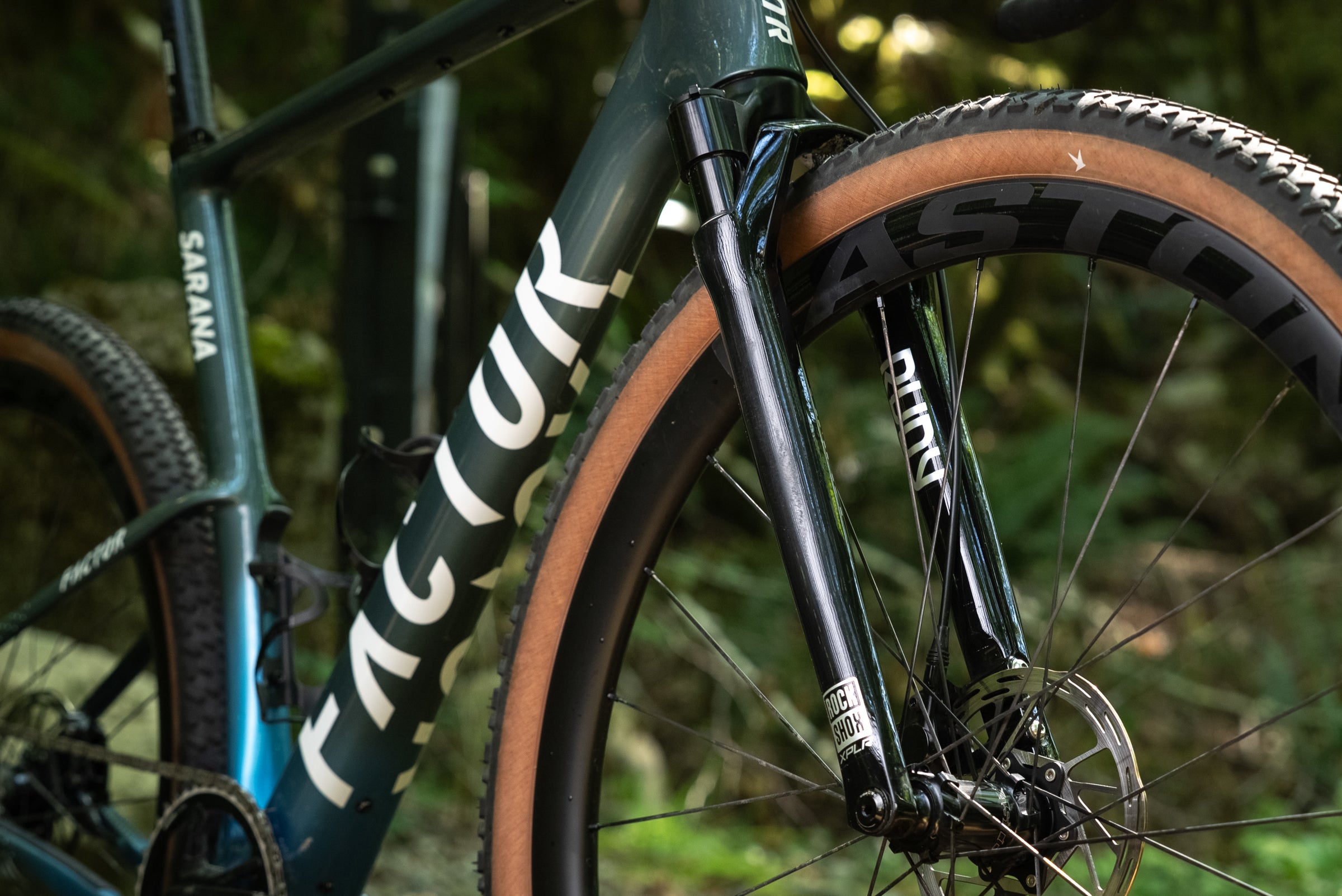
Weight. This bike is heavy. We tested the suspension version, and ready to ride (minus pedals), it came in at 9.58 kg (21.1 lbs). Of course, a large part of what some of the team appreciated while testing in Squamish was that front suspension. My personal take is that while the RockShox fork felt great when out of the saddle, I’d prefer the bike without it. Unfortunately, ditching the fork doesn’t fully solve the issue.
Even if you take that suspension away, it’s still a ~1,200g frame. In fact, we can do a bit of math: the rigid fork is 550 grams according to Factor, and the suspension fork is roughly 1,260 grams. In theory, swapping those out leaves you with an 8.87 kg (19.55 lb) bike built with SRAM Force—and saddled with a premium price tag.
 (Photo: Max Barron/Velo)
To put that in perspective, the version we tested came in heavier than the 32-inch, metal-framed Salsa Fargo, and nearly matches the Pivot Les SL drop-bar mountain bike. Of course, our Field Test was designed to include wildly different bikes, so if we instead look at the Cannondale Topstone Carbon 1 AXS Lefty as a more direct comparison, the Sarana is slightly lighter at 9.58 kg versus 9.8 kg. However, the Cannondale is also $2,000 less and comes with SRAM Rival instead of Force.
And, to be clear, I’m not necessarily a weight weenie, but there is a place for a light bike, and a big part of the issue here is the price. Light bikes are supposed to climb better, and they do to an extent, though the difference is fairly minimal. Instead, light bikes just feel really good to ride. The way a light bike moves under you is an addictive thing, and it’s something people are willing to pay for. On the other hand, if you don’t care or don’t have the budget, it’s perfectly fine to ride a heavier bike. The real problem here is that you are being asked to pay a premium price for a heavy bike. That combination is a bit rough.
 (Photo: Max Barron/Velo)
Livability
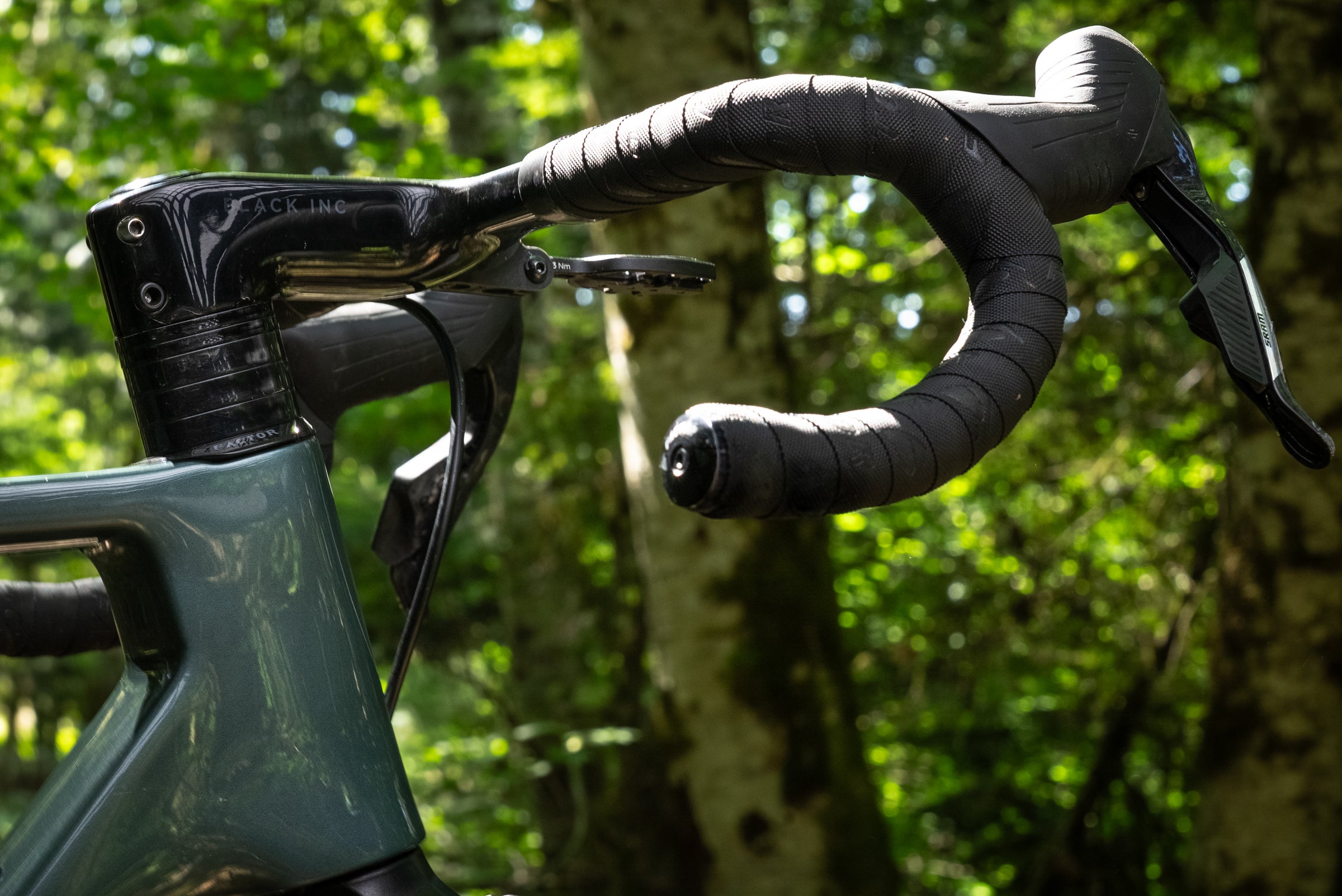
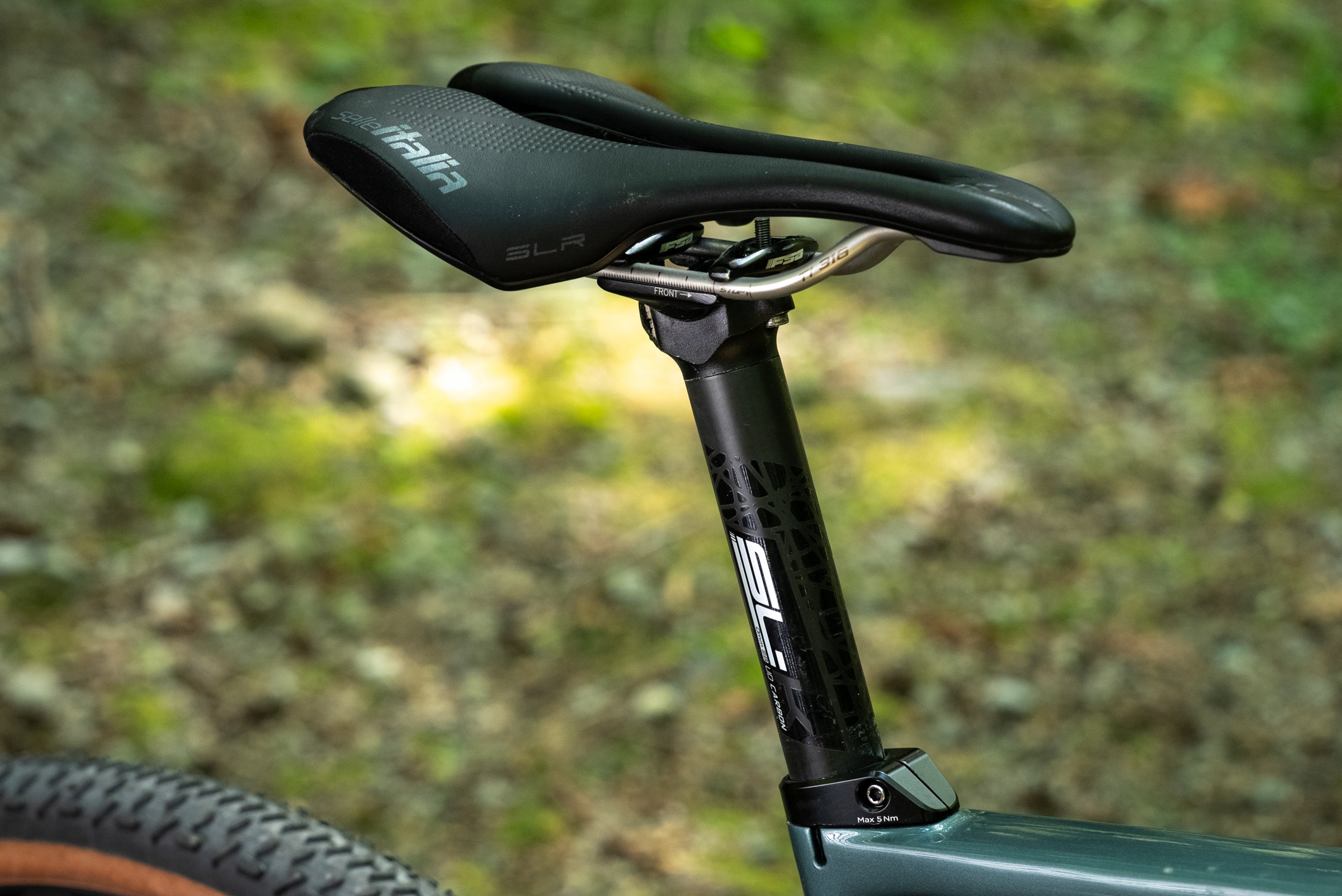
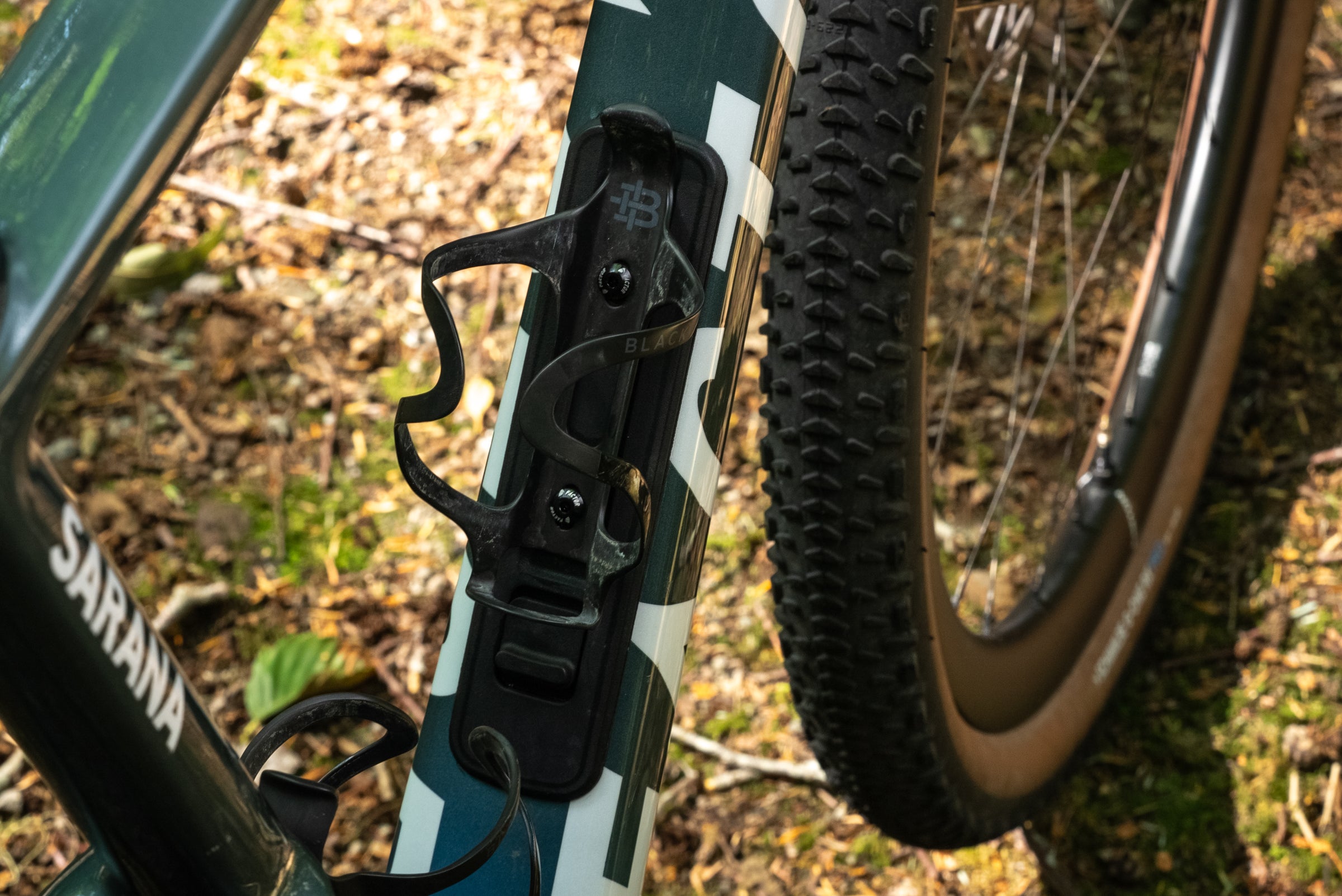
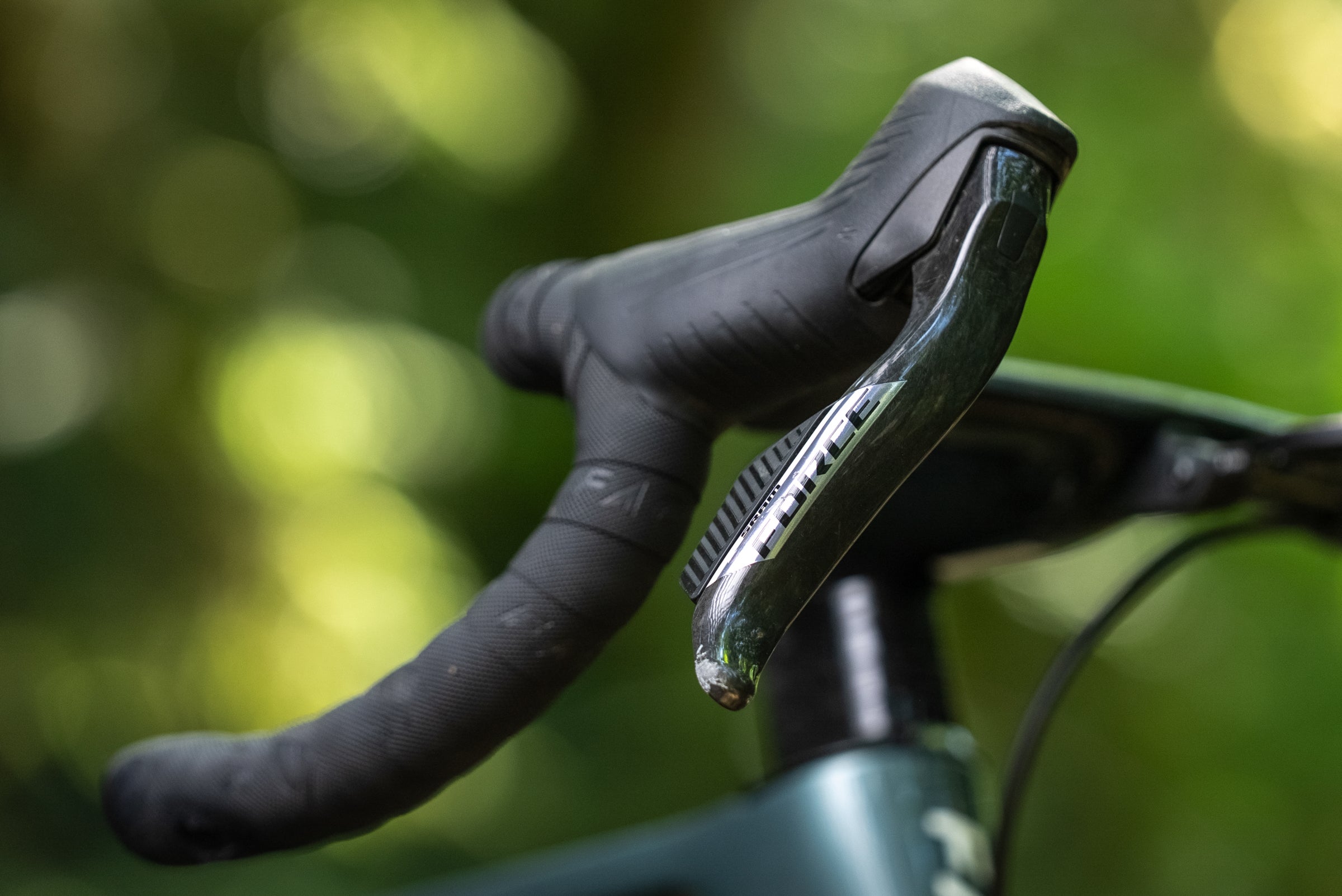
The Sarana is a thoroughly modern, aero-ish bike. That means the bar and stem are a one-piece unit and the routing is fully internal. There are no great concessions to home mechanics, and frankly, that’s the nature of a bike like this. There are no surprises, but you do have a quality out-front mount with options for adding lights underneath, a threaded T47 BB, and downtube frame storage. Factor also offers mounts both under and over the top tube, and there are custom bags available to fit them. The seatpost is round and dropper-compatible, and there’s a third bottle mount on the downtube.
 (Photo: Max Barron/Velo)
Who is the Factor Sarana for?
The Factor Sarana is for the rider who prioritizes comfort and stability over snappy, lightweight climbing. It’s for the endurance gravel crowd—but realistically, those are the exact attributes that make sense for most regular people looking to knock out 50 to 100 miles of gravel on a somewhat regular basis. The Sarana is not the ideal one-bike-to-rule-them-all option for a local weeknight smashfest, but if you spend your weekends logging long miles on rough roads, this is a great choice. We chose this bike as the best of the bunch in Squamish because the team felt the geometry offered a reasonable focus on stability—although it’s still not enough for some—alongside the combination of big tires and available suspension. I particularly appreciated the rear “suspension” that just worked to keep you fresh.
 (Photo: Max Barron/Velo)
If you are choosing this bike over other gravel bikes on the market, you’ll want to understand that it is on the heavier side and be willing to accept that as a trade-off for the capability. It also has to be said that Factor is a premium brand, and this is not the cheapest bike out there. Despite that, you do get quality builds, and the inclusion of Black Inc wheels makes sense at this price point.