
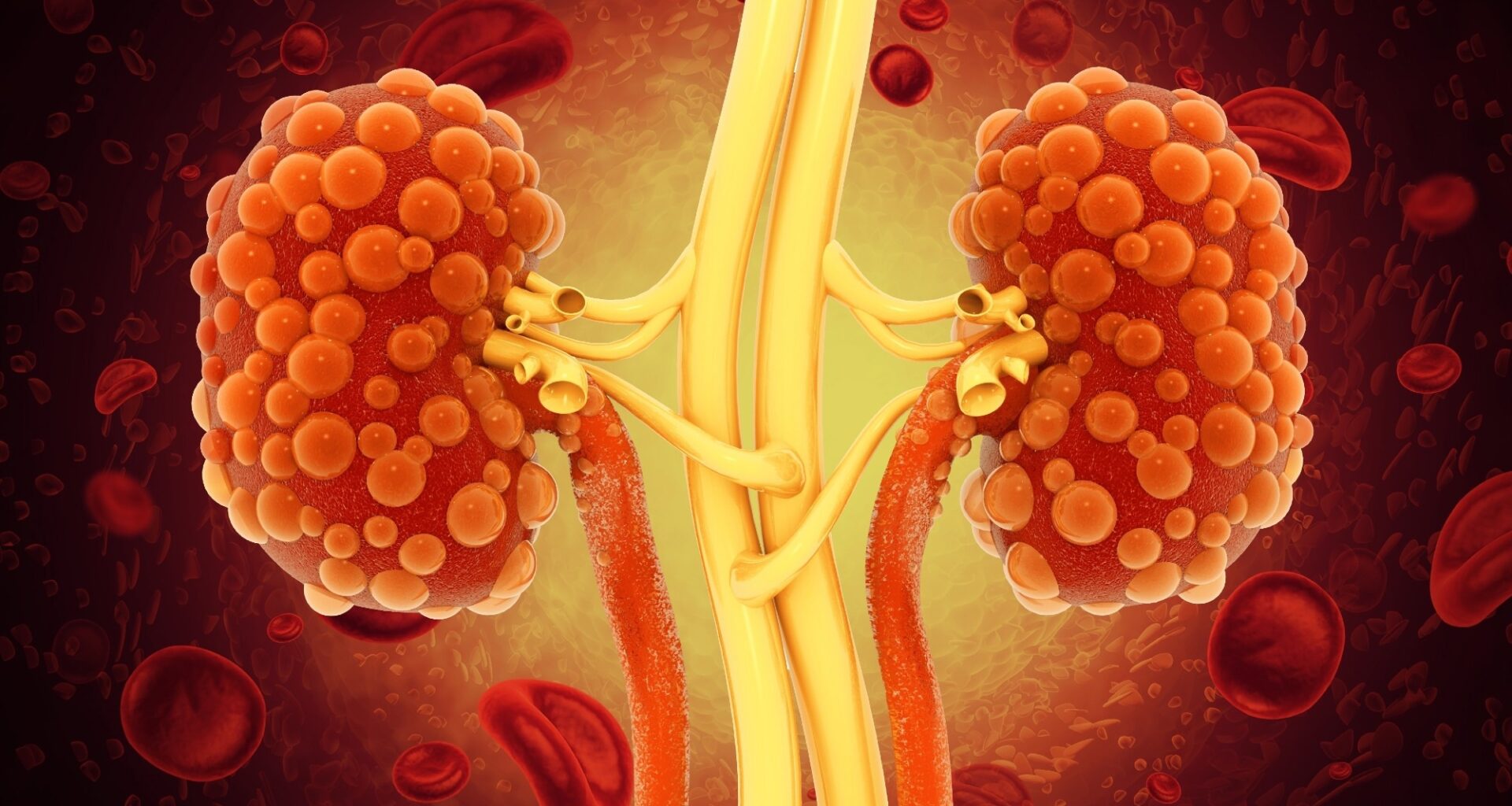
A phase 2 trial suggests that a drug commonly used for constipation may help preserve kidney function in people with moderate to severe chronic kidney disease by reshaping the gut microbiome and boosting mitochondrial health, independent of uremic toxin reduction.
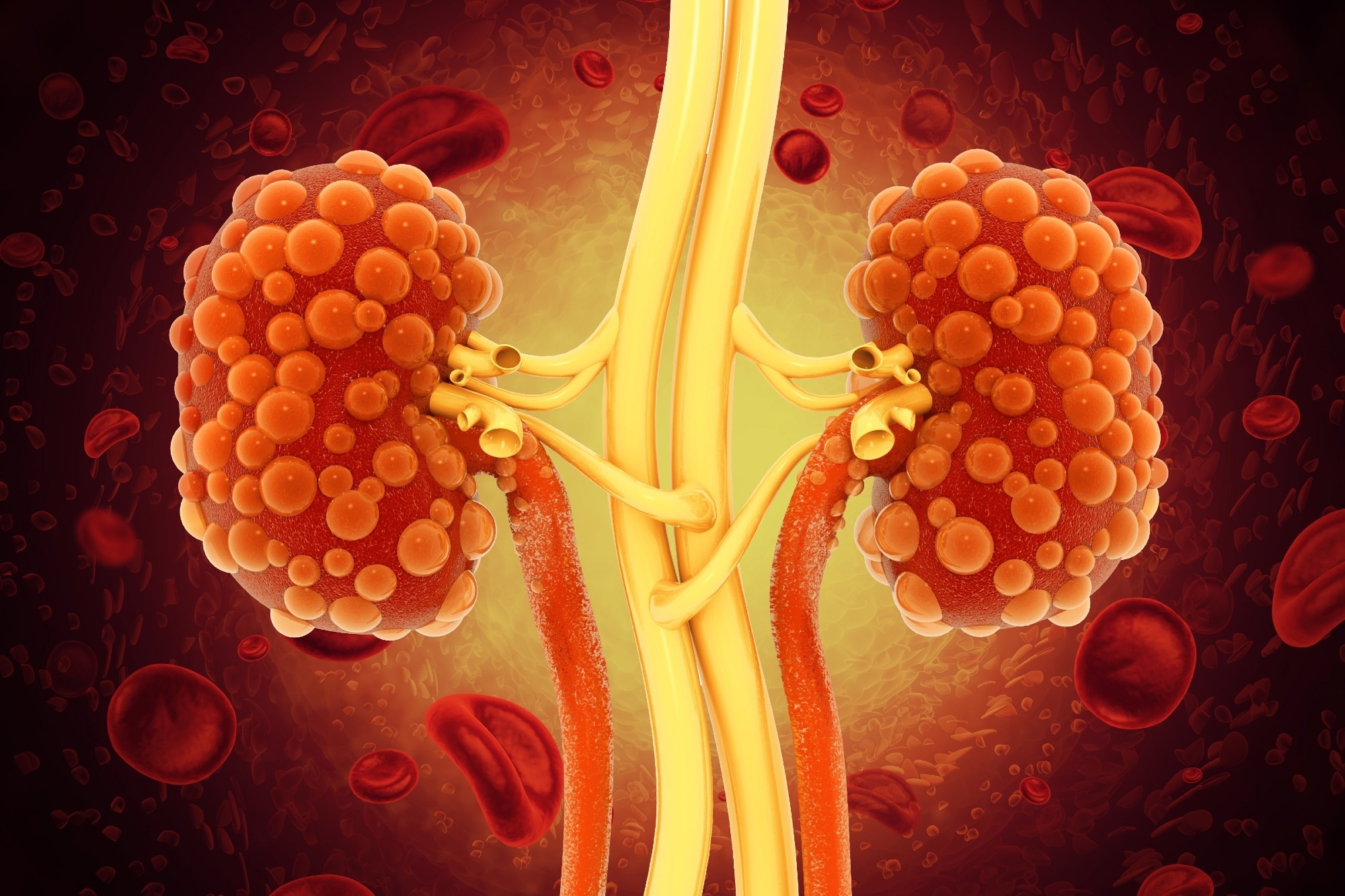
Study: Lubiprostone in chronic kidney disease: Insights into mitochondrial function and polyamines from a randomized phase 2 clinical trial. Image Credit: crystal light / Shutterstock
In a recent study published in Science Advances, a group of researchers evaluated whether lubiprostone preserves renal function and alters gut-mitochondrial pathways in adults with stage IIIb–IV chronic kidney disease (CKD).
Gut Dysfunction and CKD-Related Toxin Accumulation
Chronic kidney disease is highly prevalent worldwide, and many adults with CKD also experience constipation. Lubiprostone, a chloride channel activator prescribed for chronic constipation, might do more than relieve gastrointestinal symptoms; it could protect the kidneys by reshaping gut microbes and mitochondrial health. Patients with CKD exhibit dysbiosis, impaired intestinal barrier function, and accumulation of gut-derived uremic toxins, including indoxyl sulfate, p-cresyl sulfate, trimethylamine N-oxide, and phenyl sulfate. These factors accelerate the decline in estimated glomerular filtration rate (eGFR) and increase cardiovascular risk. Clarifying whether pharmacologic modulation of gut function independent of direct laxative effects can help preserve renal function is clinically and economically important for patients, clinicians, and payers, warranting further research.
Trial Design Evaluating Lubiprostone Dosing
In this multicenter, randomized, double-blind, placebo-controlled exploratory phase 2 trial at nine Japanese hospitals, adults with stage IIIb–IV CKD received lubiprostone 8 μg/day, lubiprostone 16 μg/day, or placebo for 24 weeks. Allocation used eGFR strata; 118 were treated and 116 were analyzed for efficacy. The primary endpoint was change in indoxyl sulfate from baseline to week 24. Secondary endpoints included gut-derived uremic toxins, renal markers such as blood urea nitrogen, creatinine, eGFR from cystatin C, eGFR from creatinine, urinary protein–creatinine ratio, and safety. Subgroup analyses examined moderate (36–45 ml/min/1.73 m²) versus severe (25–35 ml/min/1.73 m²) renal impairment.
Integrated Multiomics and Analytical Methods
Multiomics integrated capillary electrophoresis time-of-flight mass spectrometry metabolomics, 16S ribosomal ribonucleic acid (RNA) sequencing, and shotgun metagenomics to profile taxa, Kyoto Encyclopedia of Genes and Genomes (KEGG) orthologs, and polyamines (putrescine, spermidine, spermine) quantified by gas chromatography–tandem mass spectrometry (GC-MS/MS). Fecal agmatine deiminase abundance was measured, and responders in the 16 μg/day arm were defined by improvement in individual eGFR-from-creatinine trajectories. Analysis of covariance (ANCOVA) with baseline adjustment estimated least-squares means and 95% confidence intervals; mixed-effects models assessed slopes; last observation carried forward imputed missing values. Ethics committees approved the protocol, and participants provided written informed consent.
Effects on Renal Function and Uremic Toxins
Baseline characteristics were balanced: mean age 63 years, one third women, and all Asian, with similar use of angiotensin-converting enzyme inhibitors or angiotensin II receptor blockers. Lubiprostone did not significantly change indoxyl sulfate, p-cresyl sulfate, phenyl sulfate, or trimethylamine N-oxide versus placebo at 24 weeks, although a transient reduction in p-cresyl sulfate was observed at week 4 in the 16 μg/day group. However, renal function signals favored lubiprostone, especially 16 μg/day: eGFR from creatinine increased from baseline (least-squares mean difference versus placebo 1.92 ml/min/1.73 m²; P=0.046), and the slope of eGFR from creatinine was preserved, with effects most evident in participants with moderate CKD and representing a relatively modest absolute change over 24 weeks. Blood urea nitrogen decreased versus placebo in the 16 μg/day group.
Safety Profile and Renal Marker Stability
Creatinine levels were stable overall, while the slope of 1/creatinine improved. Cystatin C and eGFR from cystatin C showed no group differences, and urinary protein did not change. Adverse events were mainly gastrointestinal and mild to moderate; diarrhea occurred in 12.1% at 8 μg/day and 16% at 16 μg/day, with overall discontinuation rates similar to placebo and no clinically meaningful electrolyte disturbances.
Microbiome Shifts and Polyamine Pathway Activation
Multiomics revealed lubiprostone-associated increases in short-chain fatty-acid-producing genera (Blautia, Roseburia, Marvinbryantia) and in agmatine deiminase–encoding pathways, alongside fecal metabolite shifts consistent with enhanced polyamine synthesis. In responder analyses within the 16 μg/day arm, spermidine rose in plasma, and beneficial taxa, including Akkermansia muciniphila, expanded, while potentially harmful Bacteroides gallinarum declined. Mechanistic mouse experiments supported biologic plausibility: oral spermidine improved creatinine, restored tubular area, lowered growth differentiation factor 15, reduced mitochondrial fragmentation by three-dimensional super-resolution spinning-disk confocal (SoRa) imaging, and increased basal and maximal respiration and spare respiratory capacity in human proximal tubular cells, indicating enhanced adenosine triphosphate production.
Mitochondrial and Inflammatory Pathway Modulation
Renal RNA sequencing showed that spermidine down-regulated inflammatory pathways linked to cyclic guanosine monophosphate–adenosine monophosphate synthase–stimulator of interferon genes and nucleotide-binding oligomerization domain-like receptor family pyrin domain-containing 3 signaling, and up-regulated mitochondrial matrix and oxidative phosphorylation genes, consistent with mitochondrial recovery.
Mechanistic Insights Linking Microbiome and Kidney Function
Together, these findings suggest that lubiprostone’s kidney effect tracks with a microbiome–polyamine–mitochondrial axis rather than reductions in gut-derived uremic toxins. Clinically, the preservation of eGFR from creatinine without fluid retention or weight gain (with stable B-type natriuretic peptide) argues against hemodynamic artifacts and supports a biologic mechanism that could complement standard care with angiotensin-converting enzyme inhibitors, angiotensin II receptor blockers, sodium–glucose cotransporter 2 inhibitors, mineralocorticoid receptor antagonists, and glucagon-like peptide-1 receptor agonists. For people living with CKD, even modest, sustained improvements in eGFR slope may potentially delay progression, making the observed changes clinically relevant despite the study’s short duration.
Summary of Renal Effects and Research Needs
Across 24 weeks, lubiprostone did not lower gut-derived uremic toxins at the primary endpoint but safely preserved kidney function signals, particularly at 16 μg/day, in adults with CKD. Benefits coincided with microbiome remodeling, increased agmatine deiminase activity, higher polyamine levels, and improved mitochondrial function. For patients and clinicians, this suggests that lubiprostone may confer renal benefits beyond constipation relief, although constipation severity and symptomatic improvement were not primary trial outcomes. Larger, longer, and more diverse trials are needed to confirm durability, optimal dosing, subgroup responsiveness, and comparative effectiveness against other constipation therapies.
Journal reference:
Watanabe, S., Nakayama, M., Yokoo, T., Sanada, S., Ubara, Y., Komatsuda, A., Asanuma, K., Suzuki, Y., Konta, T., Kazama, J. J., Suzuki, T., Fukuda, S., Soga, T., Yamada, T., Mizutani, S., Matsumoto, M., Naito, Y., Taguchi, K., Fukami, K., Kashiwagi, H., Kikuchi, K., Suzuki, C., Tokuno, H., Urasato, M., Kujirai, R., Matsumoto, Y., Akiyama, Y., Tomioka, Y., Itai, S., Tongu, Y., Mishima, E., Kawabe, C., Kasahara, T., Ogata, Y., Toyohara, T., Sato, T., Tanaka, T., & Abe, T. (2025). Lubiprostone in chronic kidney disease: Insights into mitochondrial function and polyamines from a randomized phase 2 clinical trial. Sci. Adv. 11(35). DOI:10.1126/sciadv.adw3934, https://www.science.org/doi/10.1126/sciadv.adw3934