
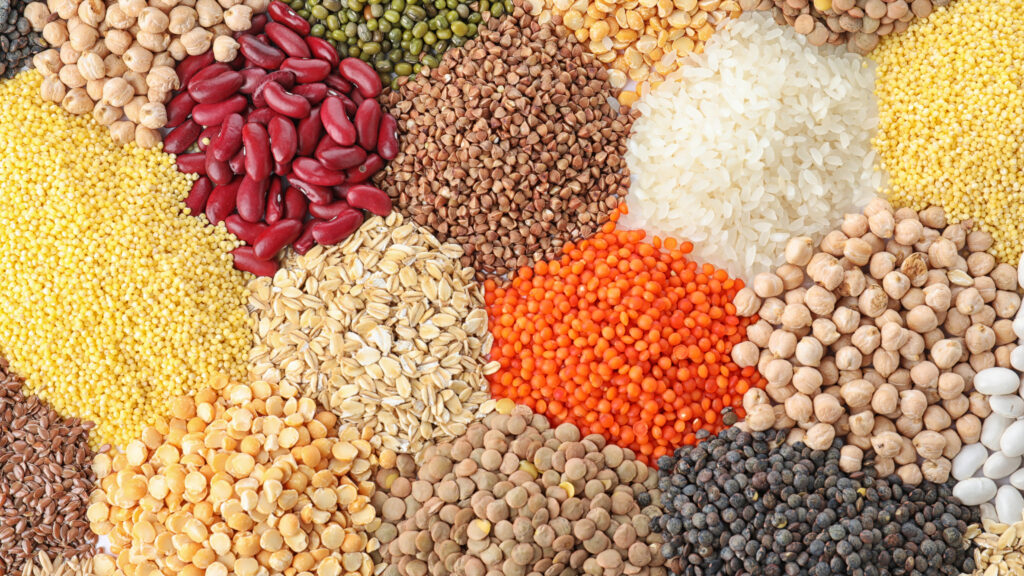
Food fights pitting low-carbohydrate diets against low-fat diets are off the mark when they aim at heart health, a large new study suggests. To reduce heart disease risk, it’s the quality, not the quantity, of those carbs or fats that matter. Diets high in plant-based foods, whole grains, and unsaturated fats led to better heart health, the researchers found. Low-fat dairy also got a nod when part of a diet featuring whole grains, vegetables, and fruits.
Not all carbs are created alike; nor are all fats. Whole grains, fruits, vegetables, nuts, legumes, and olive oil are associated with lower risk of coronary heart disease (CHD), whether they contain carbohydrates or fats. But diets high in refined carbohydrates and animal proteins and fats were associated with a higher risk of heart disease, according to the new study, published Wednesday in the Journal of the American College of Cardiology.
“Promoting an overall healthy eating pattern rather than strict macronutrient restriction should be a central strategy for primary prevention of heart disease,” lead author Zhiyuan Wu, a postdoctoral research fellow at the Harvard T.H. Chan School of Public Health, told STAT about the macronutrients carbohydrates and fats. “We should focus on overall diet quality, which may also offer flexibility for individuals to choose eating patterns that can align with their preference while still supporting heart health.”
These dietary choices mattered to heart health in the study, as measured by the medical outcomes of more than 200,000 people followed for more than 30 years. Low-carbohydrate and low-fat diets rich in high-quality carbohydrates and plant-based sources of proteins and fats were associated with about a 15% lower risk of CHD compared to other diets with lower-quality carbs and fats.
Less-direct measures from these participants’ blood samples filled out that picture, too. Triglycerides and inflammation markers were lower while “good” cholesterol was higher. Metabolic biomarkers — think amino acids, lipids, and gut microbes — were found at beneficial levels in biological pathways linked to better health.
We tested the government’s official new AI nutrition tool: Grok
How one defines a “high-quality” diet is now a matter of debate, given the new Dietary Guidelines for Americans 2025-2030 released earlier this year. Under health secretary Robert F. Kennedy Jr. and agriculture secretary Brooke Rollins, the new recommendations discarded the work of a scientific advisory committee whose late 2024 report emphasized consuming vegetables, fruits, legumes (as in beans, peas, lentils), whole grains, nuts, and fish and seafood throughout the lifespan. Low-fat and non-fat dairy (cow or alternative) as well as unsaturated fats were encouraged in their report, while red or processed meats, saturated fats, and salty or sugary snacks were discouraged, along with sweetened beverages and foods.
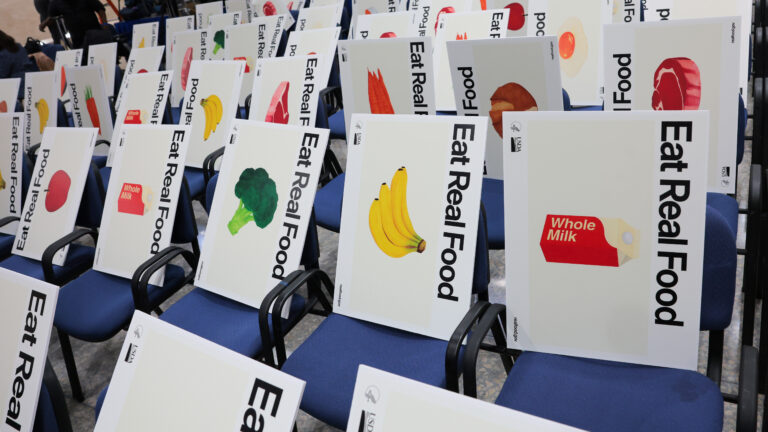
The current guidelines upended the food pyramid, placing a rib-eye steak at the top left, above a salmon filet that sits alongside whole milk. “We are ending the war on saturated fat,” Kennedy said. “Our government declares war on added sugar today.”
Few would argue with eliminating added sugar. In the JACC paper, the term “refined carbohydrates” refers to foods with added sugar as well as white bread or prepared desserts found on supermarket shelves, Wu said.
As for saturated fats, Andrea Deierlein, director of public health nutrition at the NYU School of Global Public Health, reminds us that the new guidelines still maintain longstanding advice to limit saturated fats to no more than 10% of calories consumed. She served for two years on the scientific committee whose recommendations were rejected by USDA’s Rollins as guided by “leftist ideologies.” (That report remains still available, she said.)
There may be a disconnect between what’s pictured on the pyramid and what’s advised in the new guidelines distributed by the Trump administration, she said in an interview. She was not involved in the JACC study.
“In previous dietary guidelines, the message was always limiting added sugar, limiting sodium, limiting intakes of refined carbohydrates, and emphasizing whole grains and whole fruits and vegetables,” she said. “That messaging would still be, to me, very similar to what they’ve come up with now of talking about limiting processed foods.”
As for the JACC study, she said both low-carb and low-fat diets can be beneficial when people focus on healthy sources of proteins and fats and carbohydrates.
“There are many ways of combining those foods to create a healthy dietary pattern when focusing on beans, peas, legumes, fruits and vegetables, lean animal proteins,” she said. “If you’re consuming lean fats from lean animal sources or from low-fat dairy, that’s not going to impact too much.”
There are caveats to keep in mind about the JACC study. Participants came from the long-running Health Professionals Follow-Up Study, Nurses’ Health Study, and Nurses’ Health Study II. They may ot be representative of the wider population, and their answers about what they ate came from frequent food questionnaires relying on their recollections of what they ate, which could be inaccurate. Medical records and blood tests supplied other data.
Wu said the study’s results reinforce previous research supporting the DASH diet, designed to lower blood pressure, and the Mediterranean diet, as well as recommendations from the American Heart Association.
Next on Wu’s agenda: identifying what a heart-healthy diet might be for people with different genetic backgrounds, different gut microbiomes, or different metabolomic or proteomic profiles.
“Maybe this idea of trying to figure out the exact macronutrient composition of something isn’t as necessary as focusing on the actual foods that we’re eating, those foods that are present in many different dietary patterns that have all been associated with health benefits,” he said.
STAT’s coverage of chronic health issues is supported by a grant from Bloomberg Philanthropies. Our financial supporters are not involved in any decisions about our journalism.