
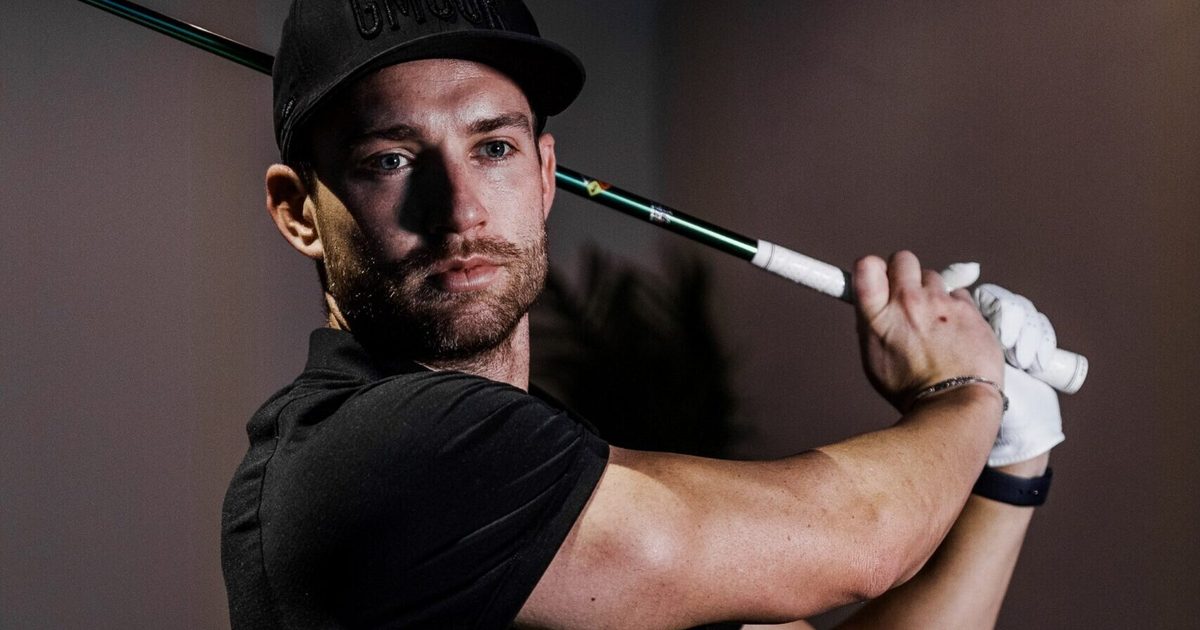
For some people, stepping out onto the vibrant putting green is one of the best places to be. You can get away, swing that club, and maybe achieve a new personal best. An injury definitely takes the fun out of the game and puts a damper on your day. I asked Dr. Eli Rogers to share his insight on the most effective pain-relieving methods and top tips to recover from injury. After experiencing injuries so many times himself, he changed paths from an award-winning golfer to a Doctor of Physical Therapy. I can relate when he shares his journey of seeing healthcare providers who made him feel “unheard and unimportant.” I can attest to this tiring quest of finding compassionate providers who treat you as an individual.
This gear shift allowed Dr. Rogers to become specialized in returning athletes to the highest level of sport. As a previous 2x Division 1 Srixon All-American in golf, he carries multiple certifications from NASM, PGA, and the Titleist Performance Institute. He also partners with KT tape to help provide evidence-based products that foster seamless rehabilitation for athletes of all ages. He knows a thing or two about what it takes to get back on the course.
Most common golf injuries
Kindelmedia / Pexels
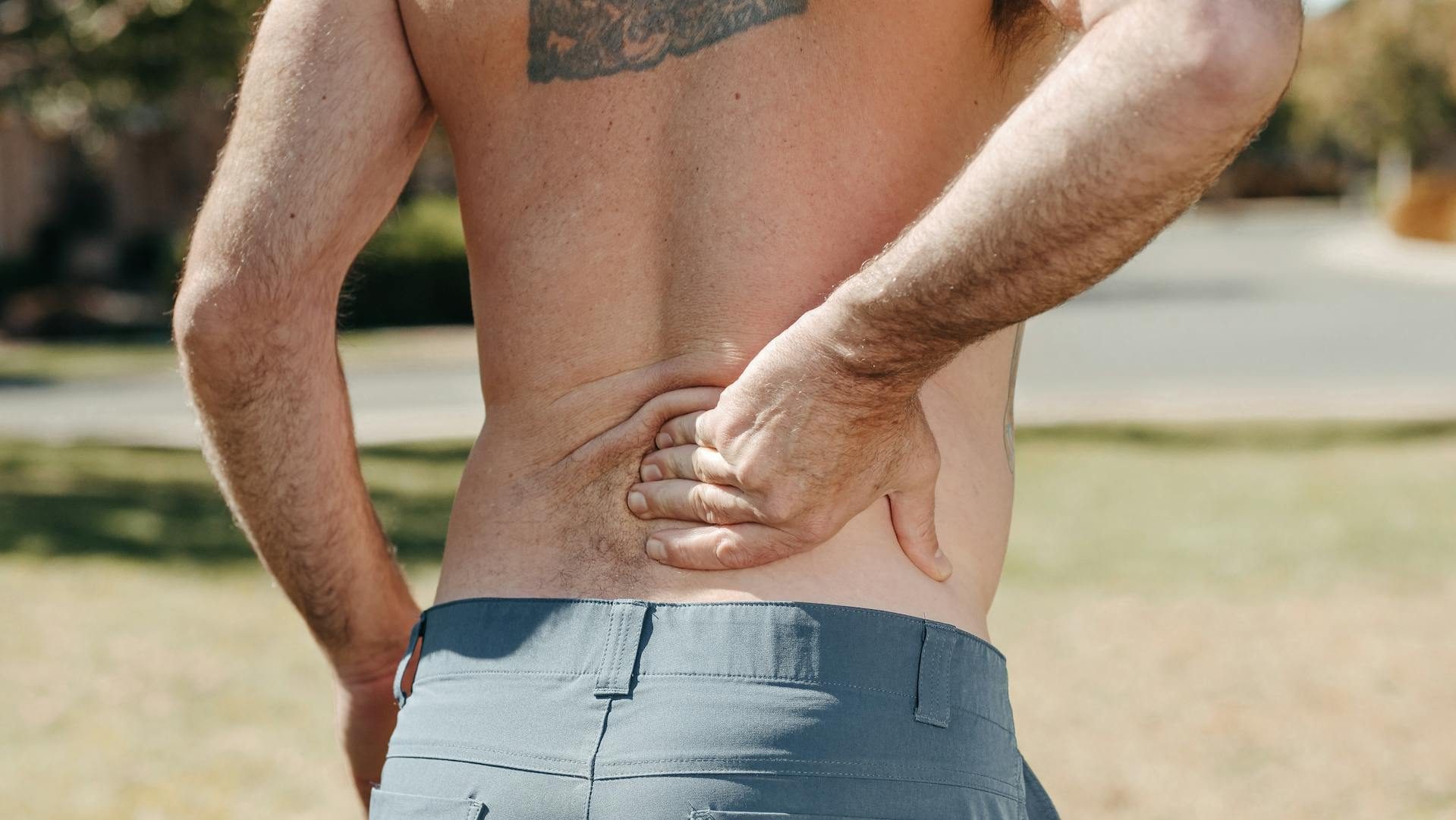
Injuries from a club or ball strike are rare. Research shows the lower back area is the most common injury sustained while playing golf, with the dynamic action of the golf swing as a major contributing factor. The researchers point out that “upper limb injuries are also common due to their role in linking the fast-moving golf club with the power-generating torso.” As a pro golfer, I asked Dr. Eli Rogers to share the most common injuries he has seen or personally experienced.
Dr. Eli Rogers: Low back pain is by far the most common issue I saw and experienced, with hip pain close behind. Those two tend to go hand in hand, especially given the rotational and extension demands of the golf swing. Wrist and elbow injuries are also very common, particularly in avid golfers who practice frequently or spend a lot of time on the range. At the professional level, the schedule itself becomes a major risk factor. Travel, long practice days, tournament rounds, and then additional practice after missed cuts all add up.
When performance isn’t where a player wants it to be, recovery often takes a back seat, and that cumulative load becomes difficult to manage. What I consistently saw was a difference in injury patterns between professionals and amateurs. Professionals tend to develop overuse injuries — small stressors accumulating over time until the tissue’s capacity is exceeded. Amateurs, on the other hand, are more likely to develop injuries from faulty biomechanics, where sudden spikes in force overload tissue that isn’t prepared to handle it.
Tissue overload

Courtney Cook / Unsplash
Dr. Eli Rogers: I don’t play nearly as much as I used to. My focus now is growing my business, and providing physical therapy services for the PGA and Korn Ferry Tour takes up the majority of my time. I still try to play around 10 events per year, but on a typical week, I’m fortunate if I play once and get one additional practice session on a simulator or putting green.
That’s a good example of how tissue tolerance works. Even though I train every day, my tolerance for golf-specific load isn’t what it was when I played more frequently. Tissues adapt specifically to the loads placed on them — often referred to as Wolff’s Law. If I were to suddenly play seven days in a row after only playing a few times over several months, my tissues would be at risk of overload simply due to the spike in volume. Because of that, I have to be intentional. When my practice volume is lower, the quality has to be higher. I focus on a mix of block practice, random practice, and game-like practice to maximize skill transfer to the course while keeping overall load in check.
Tips for a safer swing
Mick Haupt / Unsplash
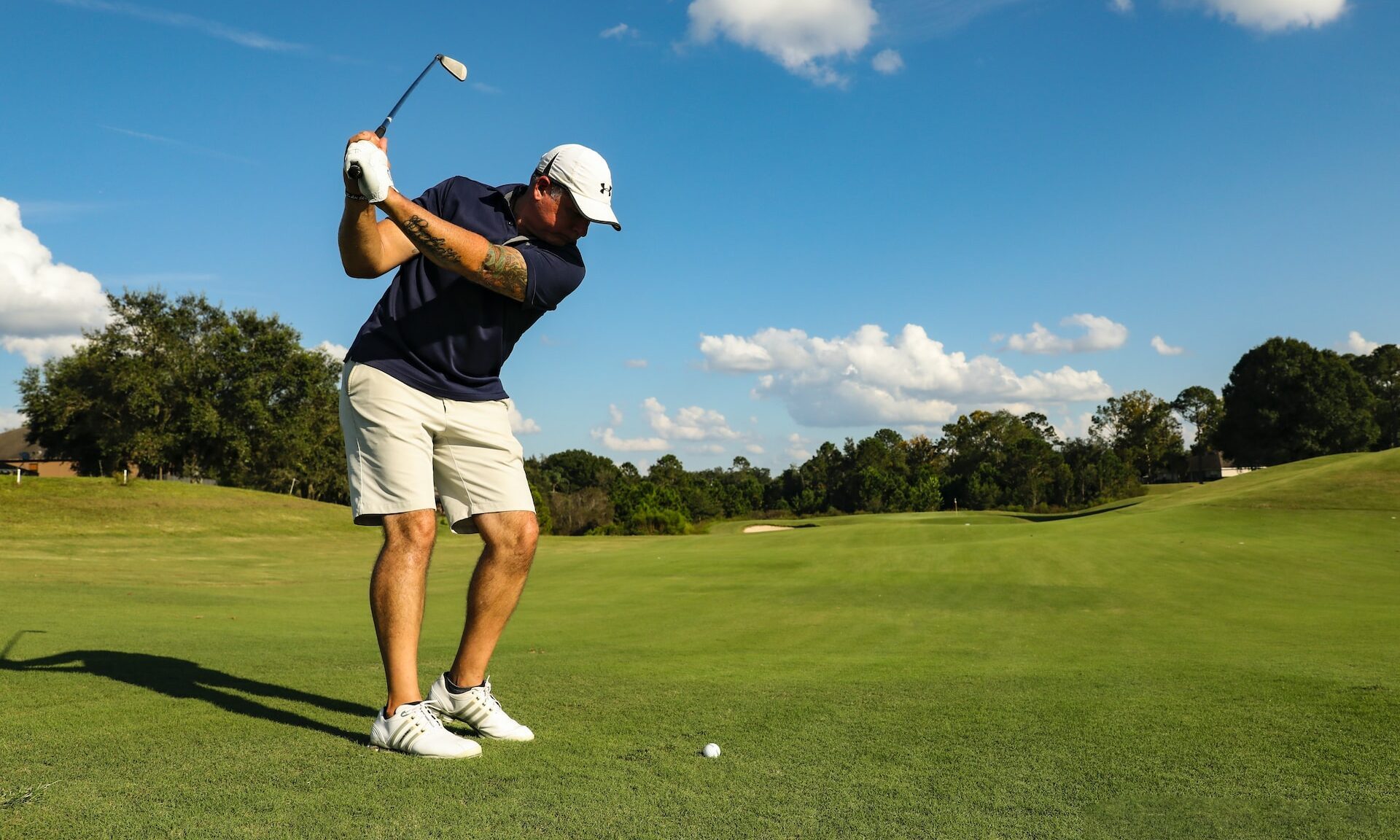
With many of those common injuries being related to the golf swing, Dr. Rogers shared his best tips and techniques for a safer swing.
Dr. Eli Rogers: The best way to develop a safer swing is a combination of sound technique and adequate physical preparation. Working with a qualified golf professional to address swing mechanics is important, but that alone isn’t enough. You also need to train to improve the overall capacity of your body — particularly the low back, hips, and legs — to handle the forces involved in the swing. Equally important is understanding your own strengths and limitations, either through self-awareness or a formal evaluation by someone who knows what to look for.
Trying to force positions or speeds your body can’t support is where problems tend to arise. I do believe there is a foundational, ground-up sequencing pattern that produces efficient swings — ones that generate speed with less effort and place less excess stress on the body. The more physically prepared and robust an individual is, the better they can tolerate practice and play, reduce injury risk, and ultimately spend more time on the course.
One thing that often gets overlooked is how individualized golf injuries are. Two golfers can have the same pain in the same area for completely different reasons. That’s why one-size-fits-all golf fitness or rehab programs tend to fall short. Swing changes are also much more likely to stick when the body is physically capable of supporting them. If the mobility, strength, or tissue capacity isn’t there, the swing will eventually revert, or compensation patterns will show up as pain. Long-term improvement comes from building a body that can tolerate the demands of golf — practice, play, travel, and recovery — not from chasing short-term fixes.
Tips for injury recovery: sleep, nutrition, and load management

Andrea Piacquadio / Pexels
Dr. Eli Rogers: When it comes to injury recovery, the goal is to manage symptoms well enough that you can keep moving and keep loading tissue appropriately. Movement quality and load management matter far more than rest alone. From both research and clinical experience, the most important recovery tools are sleep, nutrition, and load management (including active recovery). If those three aren’t in place, nothing else matters.
Poor sleep slows tissue healing and increases injury risk. Under-fueling makes recovery harder and increases fatigue. And poor load management — especially sudden spikes in volume or intensity — is the biggest driver of overuse injuries I see in golfers. Once those fundamentals are handled, things like ice, heat, compression, massage, and topical products can be useful, but only as symptom management tools to aid in performing the foundational recovery tools. Their role is to reduce pain or stiffness enough so you can continue training, moving well, and sleeping.
Ice, compression, and magnesium
Ice Sleeve KT Tape / KT Tape
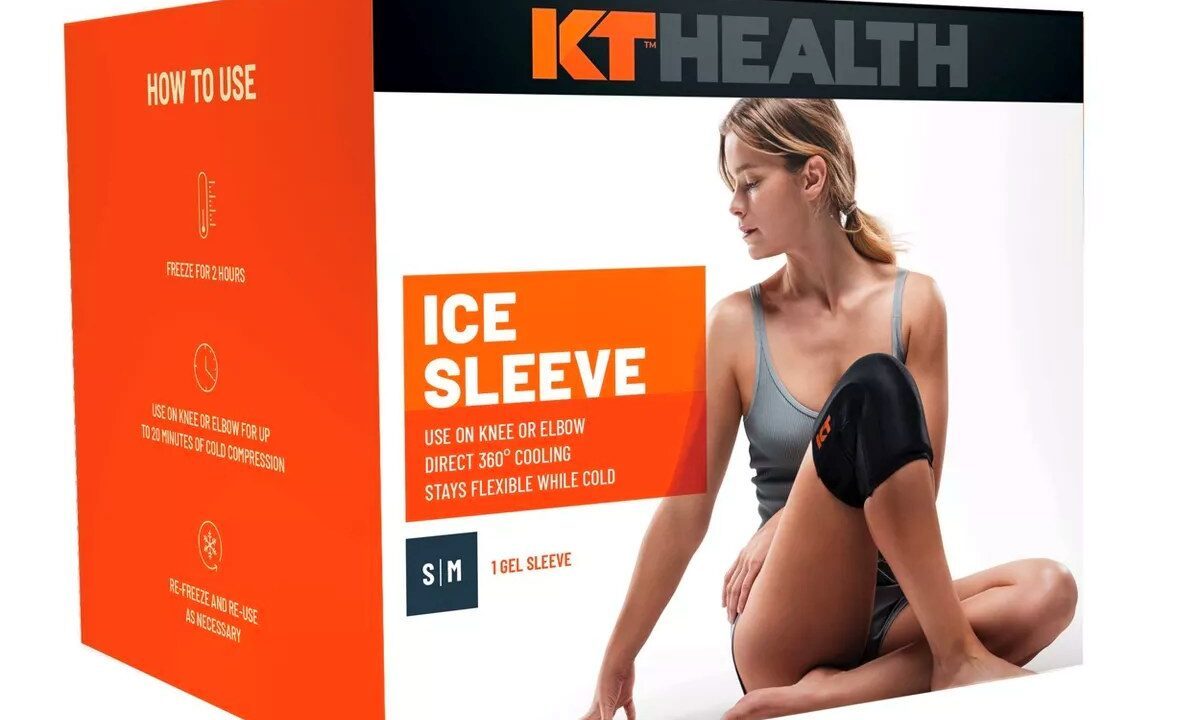
Dr. Rogers names the KT Health Pain Relief Gel as one of his main go-tos. Personally, I tried the KT Recover magnesium cream with menthol and the Pro Ice Cooling Tape, and they helped with my swollen knee. My left knee is notorious for swelling, while my right knee behaves perfectly!
Dr. Eli Rogers: This is where products from the KT Health lineup can be useful, like the KT Health Pain Relief Gel that works really well for localized pain in certain areas. I’ve even seen it help with nerve-related pain as well as muscles, joints, and tendons. KT Health Ice Sleeves are helpful after practice or rounds when symptoms are flared, and you need short-term relief through a combination of cryotherapy and compression, without completely shutting things down.
KT Health Magnesium Creams (Soother, Activate, Recover) can help manage muscle tension and soreness around training or recovery windows. The mistake golfers make is relying on these tools instead of addressing the basics. Used correctly, they support recovery by helping you do the things that actually drive healing — sleep better, train smarter, and manage load more consistently.
Tips to get back in the game
sydney Rae / Unsplash
Dr. Eli Rogers: The biggest mistake golfers make is waiting too long to address a problem. Most injuries don’t happen all at once — they build gradually. If something feels off, address it early instead of playing through it and hoping it goes away. Make sure your practice and play volume match what your body is prepared for. Sudden spikes in rounds, range time, or speed training are a common reason golfers get hurt. Build tolerance progressively. Finally, find a physical therapist who understands golf — and ideally one who has a working relationship with a good golf professional. I can’t think of a better combination for staying on the course with fewer injuries while continuing to improve your technique over time.
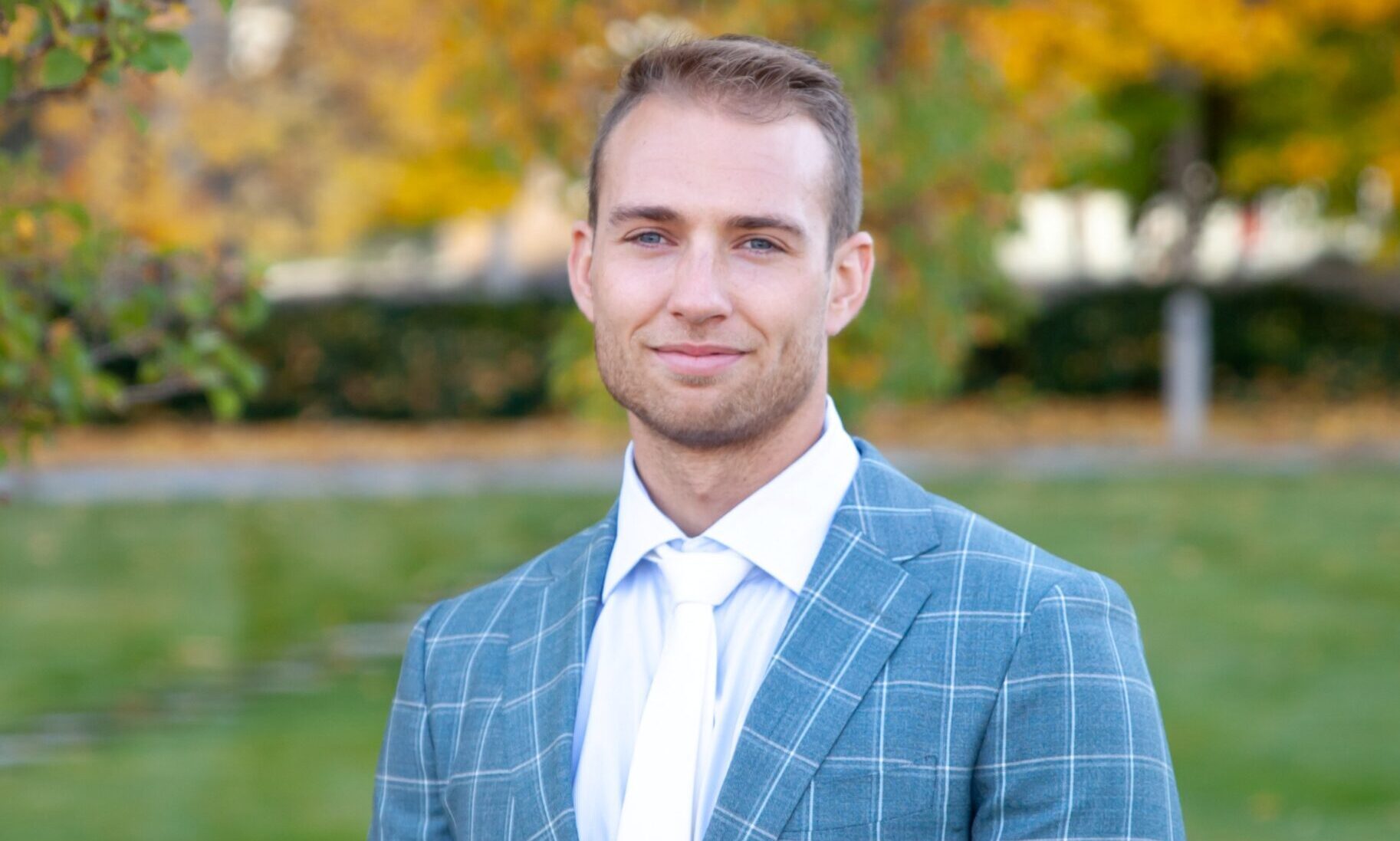
Dr. Eli Roger’s story: From pro golfer to Doctor of Physical Therapy
Eli Rogers / Eli Rogers
Dr. Eli Rogers: I grew up in a small town in Hamilton, Montana, with the goal of playing golf professionally, but without the financial means or access to high-level coaching or equipment. Some of my best memories were being dropped off at the golf course in the morning, practicing and playing all day, and getting picked up in the evening. I loved the process of trying to get better, but most of it was self-taught or learned from what I could find in magazines like Golf Digest.
I played multiple sports growing up, including basketball, and competed in sprints and jumping events in track and field. Along the way, I dealt with a few injuries, most notably a hip flexor strain from sprinting and an avulsion fracture of my sartorius muscle during basketball my junior year. I had one very positive rehab experience and one very poor one. The poor experience stuck with me and ultimately motivated me to pursue physical therapy so I could provide a better experience for others.

Leigh Patrick / Pexels
I was fortunate to earn a scholarship to play golf at Utah State University, which came with its own challenges. I redshirted my first year due to poor play, and during that winter, I had to decide how to use that time. I started lifting weights and became deeply interested in the process, focusing on technique, understanding how each muscle functioned, and learning the anatomy behind the movements. While my swing speed didn’t improve much initially, my swing efficiency did as I grew into my body.
After college, I returned to Montana and worked as an assistant professional at The Stock Farm Club while completing the PGA Apprentice Program. That role required balancing competitive play, tournament, business operations, and instruction. I found that I genuinely enjoyed teaching, which led me to continue into the Level 2 teaching-focused portion of the PGA program. During that time, I also competed in local events and on the Dakotas Tour. I later attended physical therapy school in Provo, Utah, where everything began to connect.
I developed a deeper understanding of training principles, exercise physiology, biomechanics, and the physics of the golf swing. That combination of competitive golf, teaching, strength training, and clinical education ultimately shaped the work I do now and led to the creation of a business focused specifically on golf rehab and performance for players of all skill levels.