
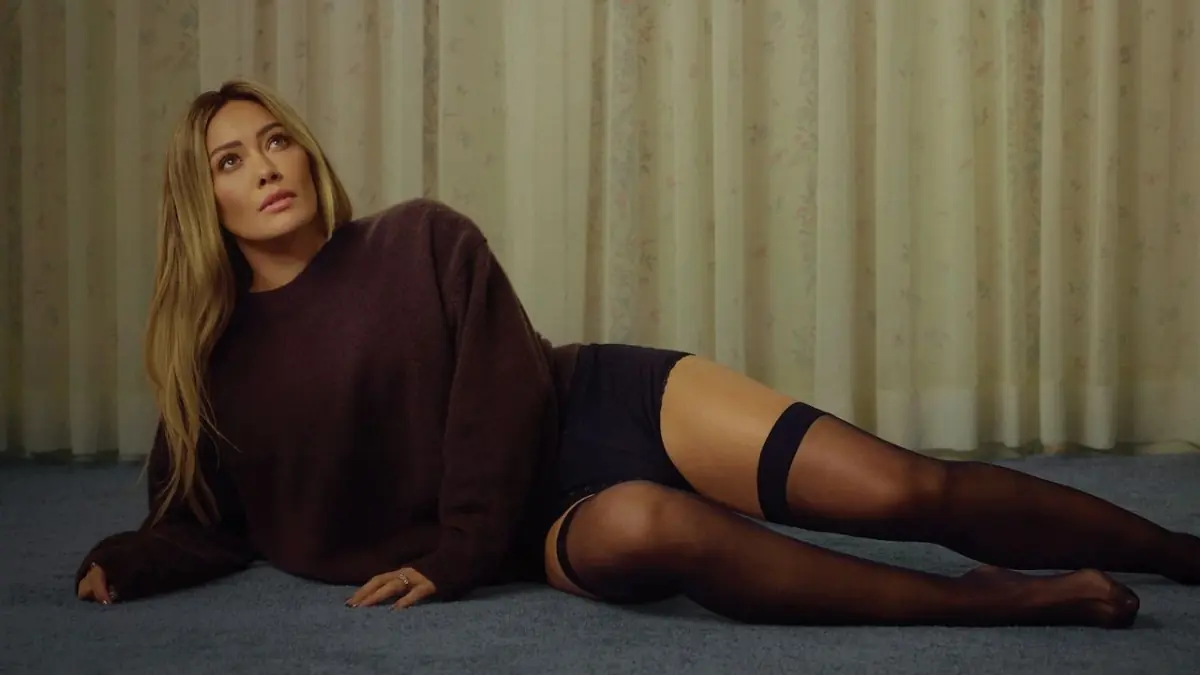
Why now: hillary duff’s new record arrives into a cultural moment saturated with 2000s callbacks and a hunger for comforting pop. Recent pop-culture nudges — a film sequel tied to her era, reunion tour moments and even costume choices that resurrected Lizzie McGuire imagery — have pushed younger and older listeners alike back to the songs that defined a childhood soundtrack. For fans who have spent more than a decade since Duff’s last studio album, luck… or something reads as both a personal update and a deliberate appeal to nostalgia.
Hillary Duff: the rewind that felt inevitable
What pushed this moment into focus was obvious to some: a Halloween where Kendall and Kylie Jenner dressed as characters from The Lizzie McGuire Movie and a wedding where the dancefloor emptied into the chorus of “What Dreams Are Made Of” convinced listeners that the appetite for Duff-era pop was real. Then came a Freaky Friday sequel and a tour pairing for contemporaries that kept the early-2000s spotlight glowing — all of which made a return from Duff feel less like a surprise and more like a long-overdue homecoming for Zillennials raised on Disney Channel comfort.
What’s easy to miss is how much of the framing is personal as well as cultural: Duff arrives not as a retro act but as an artist reengaging after more than a decade away from recording full-length pop music, which reshapes expectations of both sound and subject matter.
Sound and collaborators behind luck… or something
The album is co-written and produced with Matthew Koma, Duff’s husband, whose previous career work includes collaboration with Zedd on the song “Clarity. ” Koma also worked with Duff on her prior studio album from 2015, which leaned into heavily processed dance production and included Swedish collaborators Tove Lo and Bloodshy. Duff described that earlier record as “a little clunky, ” framed by label-driven sessions that sent writers to Sweden. On luck… or something, the production has shifted away from the mid‑2010s thumping theatrics toward brighter, softer pop textures—chirpy synths, strummy acoustic elements, gated drum fills and swoopy strings—that position the songs closer to a Carly Rae Jepsen-style sheen than to that previous EDM tilt. The result is pop that’s carefully familiar rather than adventurous.
Songs, themes and the limits of delivery
The album stakes out familiar pop themes—anxiety, jealousy and unfulfilled desire—through an autobiographical lens. A key single, “Roommates, ” is built as a pining song about trying to rekindle long-term romance and includes an explicit fantasy set in a bar. Those candid moments lean into what many contemporary relatable-pop stars foreground, and at points the record echoes other artists known for confessional writing. Vocally, Duff’s delivery is described here as somewhat constrained: she often approaches melodies as single notes rather than flowing phrases, and that limitation can make forced lyrics feel more exposed on some tracks (one truncated track title appears in the provided copy as “You From the Ho”).
If you’re wondering why this keeps coming up: those performance limits shape how listeners hear the record’s emotional honesty versus its pop craft.
Home life, motivation and the personal timeline
At 38, Duff is presented as an actress-singer whose public persona includes self-described “trad wife” tendencies: happiest at home in Los Angeles, tending to four children, keeping backyard chickens, making sourdough and crocheting. Her life is portrayed as complex beneath that calm surface—she has had ups and downs and struggles even as observers often assume she “turned out OK. ” The couple’s family timeline feeds directly into the album: Koma says Duff began to take returning to music seriously after the birth of their youngest daughter, Townes, in 2024. The pair have worked closely since meeting some years earlier; they married in 2019 and continued collaborating in studio work that led to this record.
Release context, fan reaction and a brief timeline
2003: Duff’s breakthrough era is recalled as the moment many current young fans were born, tying the new album to 2000s nostalgia. 2015: Duff’s previous studio album was released; at that time she had recently met Matthew Koma and the album leaned into processed dance pop with Swedish collaborators. 2019: Duff and Koma tied the knot and continued close creative collaboration. 2024: The birth of their youngest daughter, Townes, is cited as a turning point when Duff seriously considered a musical return. Feb. 20: luck… or something is set for release (release timing provided in the available material).
By last year, teasing and social buzz had swelled: when Duff hinted at a return in September 2025, an online eruption greeted her and fans hailed her as a potential savior of pop music—an over-the-top reaction that surprised her. In studio terms, Koma’s creative approach was to remove external expectations: make what feels “cool” to them, music she would enjoy driving with.
The bigger signal here is that luck… or something was designed to straddle eras: personal life and domestic rhythms shape its themes while deliberately tapping a wider nostalgia that has kept those early signals active for years.
Key practical note: release schedules and promotional plans are subject to change, and some contextual details are unclear in the provided context (full tracklist specifics and a few song titles are incomplete). Recent updates indicate both the cultural moment and Duff’s family timeline played central roles in the album’s creation.