
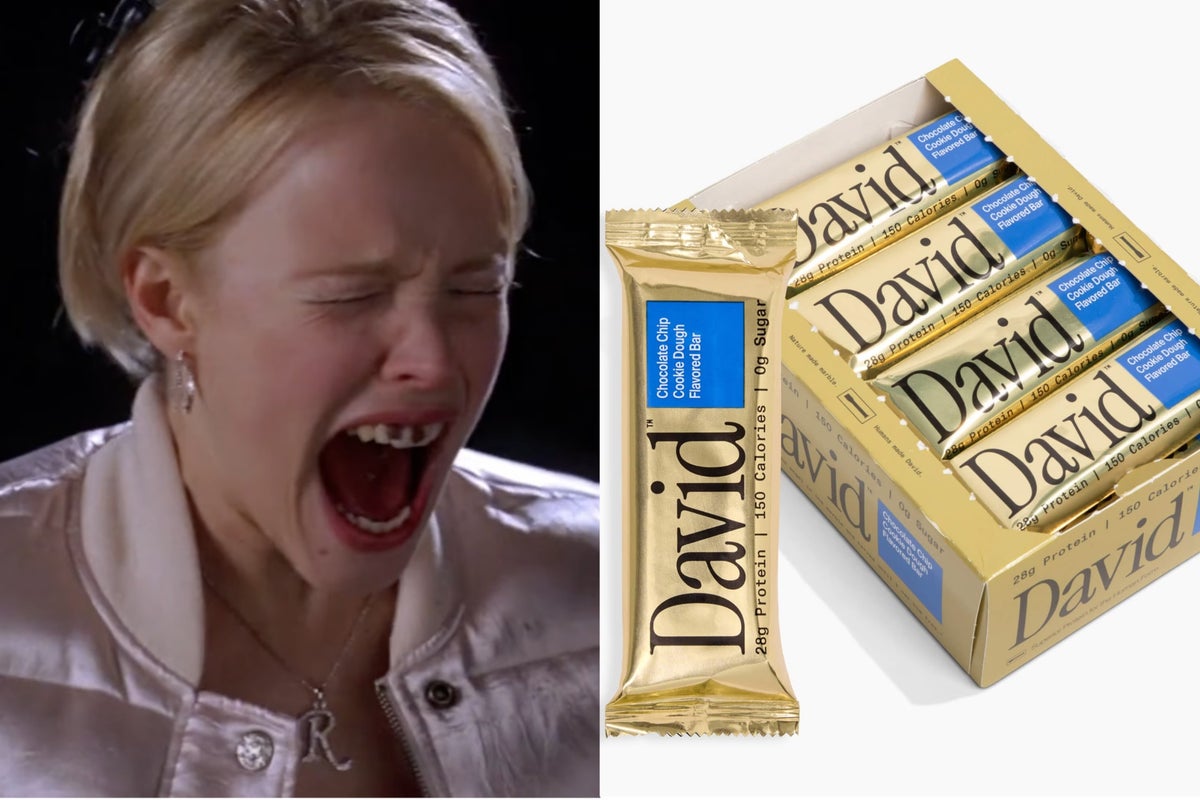
David Protein bars, which skyrocketed in popularity amid the high-protein food trend, is being accused of lying to customers about how much fat and calories are really in the product in a new class action lawsuit.
A lawsuit filed in federal court in New York in January claims an accredited laboratory found that David Protein bars, which include flavors like Chocolate Chip Cookie and Fudge Brownie, are packing up to 83 percent more calories and 400 percent more fat content than what the brand advertises as 28 grams of protein for only 150 calories per bar.
The accusations parallel the infamous scene in the 2004 comedy Mean Girls, where Rachel McAdams’s antagonist Regina George discovers that she has been tricked into eating bars designed to make her gain weight. However, David Protein CEO Peter Rahal shot down the comparisons and chalked the whole thing up to a misunderstanding.
“No one is getting Regina Georged,” Rahal, who also founded RXBar, said in a statement on social media Wednesday. “The confusion comes from how calories are being measured.”
He explained, “When food is burned in a device called a bomb calorimeter, it measures the heat released. But nutrition labels aren’t based on how much heat something produces when burned. They’re based on what the human body can actually absorb and use for energy.”
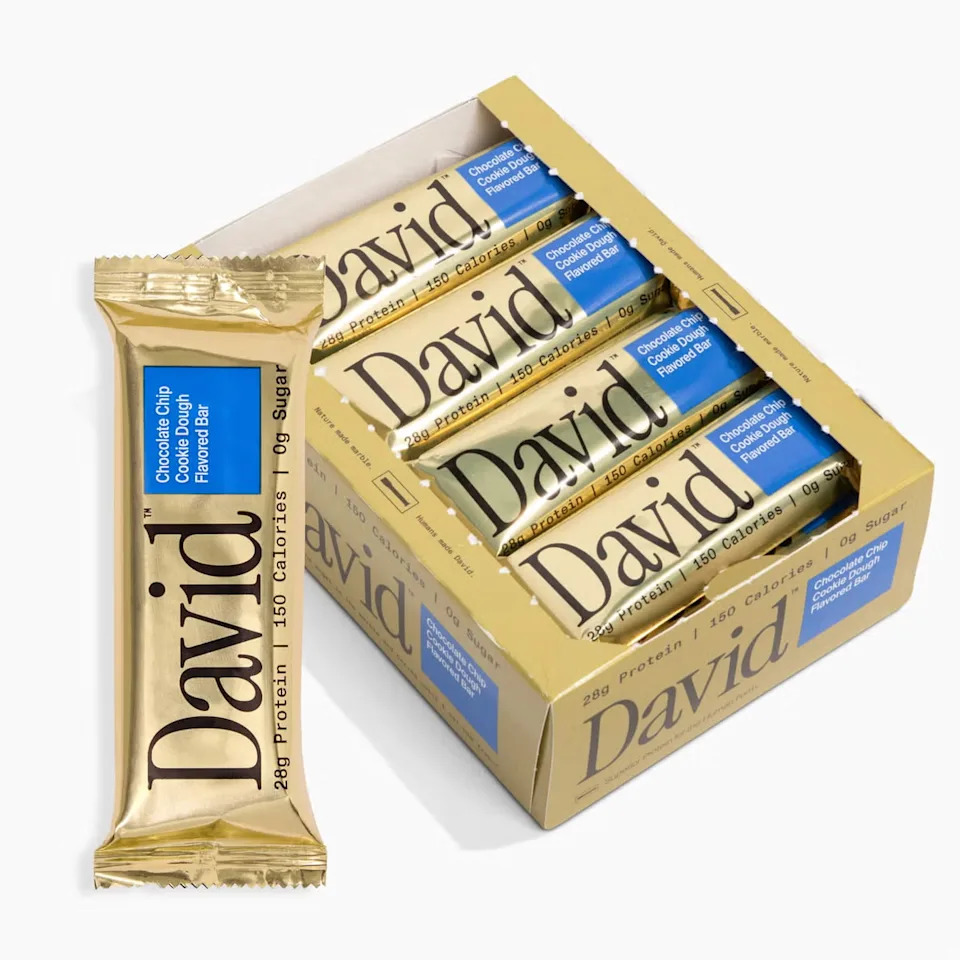
David Protein bars advertise that they contain 28 grams of protein for only 150 calories, but a new class action lawsuit accuses the brand of lying about their nutritional stats (Walmart)

David Protein CEO said that ‘no one is getting Regina Georged’ in a reference to the movie ‘Mean Girls,’ in which Rachel McAdams’ character, Regina George, gets tricked into eating weight-gain protein bars (Paramount Pictures)
“That distinction matters for ingredients found in David, such as fiber, sweeteners, and fat substitutes like EPG,” Rahal continued. “Burning them in a bomb calorimeter treats them as fully digestible calories, even though they are not. That’s why the FDA requires different calculation methods for these ingredients when determining calories. David is 150 calories.”
Lawyers for the plaintiffs, as well as representatives for David Protein, did not immediately return The Independent’s request for further comment.
The class action lawsuit claims David Protein, which launched in late 2024, inflated the numbers in “unlawful and deceptive practices in labeling and marketing” to boost sales. If the allegations are true, the company would be violating regulations by the Food and Drug Administration that require products to declare nutritional content in food that is within 20% of the actual numbers.
Plaintiffs in the case are seeking a jury trial and are pursuing damages, restitution and injunctive relief to stop the brand from selling the allegedly mislabeled bars. The lawsuit seeks to represent anyone who bought misbranded protein bars in California, Illinois and New York. Rahal said he plans to continue to fight the claim.