
Dr Francesco Lo Monaco, founder of the National Heart Clinic, has explained the benefits
13:17, 02 Jul 2026Updated 13:17, 02 Jul 2026
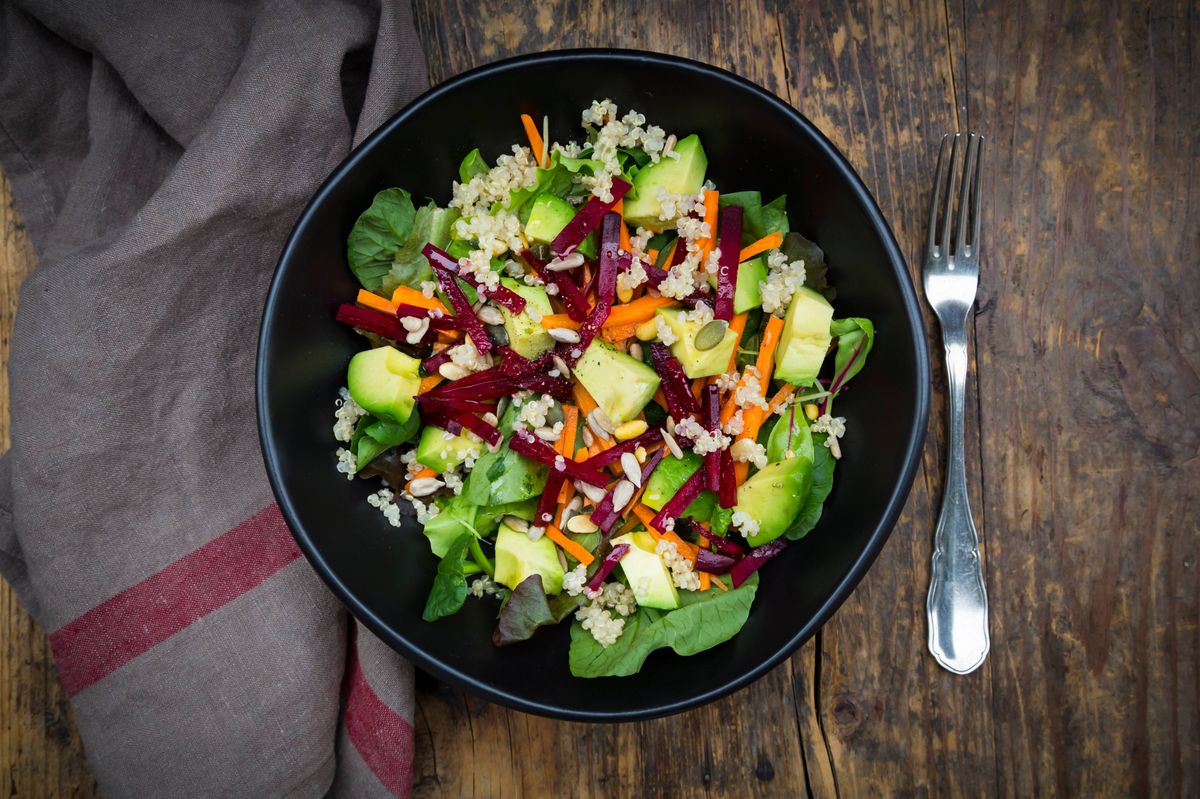
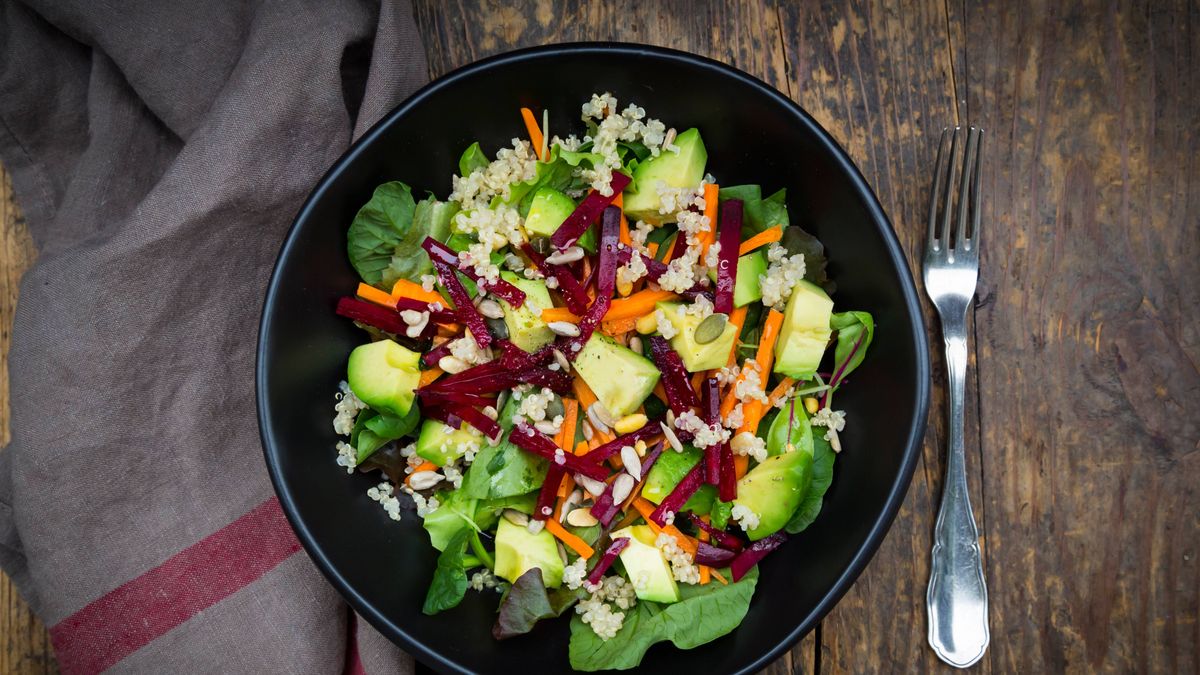
A cardiologist has spoken of the health benefits of eating the food(Image: Westend61 via Getty Images)
A leading heart specialist has revealed the most “underrated” kitchen staple for cardiovascular wellness. Dr Francesco Lo Monaco, who established the National Heart Clinic on Harley Street, has highlighted one particularly beneficial food for heart health.
“Beetroot is one of those foods that looks simple, but works on your cardiovascular system in remarkable ways,” said Dr Lo Monaco. According to the cardiologist, beetroot ‘is rich in natural nitrates, which the body converts into nitric oxide, a molecule that tells your blood vessels to relax’. Dr Lo Monaco said: “This means better circulation, lower blood pressure, and a healthier endothelium, the inner lining of your vessels.”
He continued: “Beetroot helps your arteries stay elastic, something medications alone can’t always achieve.” The vegetable’s ability to enhance circulation also facilitates greater oxygen delivery to your muscles, including the heart itself, potentially boosting energy levels and overall cardiac function.
There’s an additional recovery advantage worth noting, reports the Mirror. “Beetroot can reduce the damage caused when blood flow returns to the heart after being temporarily restricted,” Dr Lo Monaco said.
For those managing pre-existing medical conditions, the argument for incorporating beetroot into your meals becomes even more compelling. “Hypertension, diabetes, inflammation, high homocysteine – beetroot supports many of the pathways that become dysfunctional in these conditions,” Dr Lo Monaco said.
Beetroot can enhance blood flow to the brain
The advantages extend beyond cardiovascular health. Studies suggest beetroot can enhance blood flow to the brain, which Dr Lo Monaco highlighted as especially significant for women, given that vascular changes accelerate following the menopause.
This picnic staple maintains much of its nutritional value regardless of how it’s prepared, whether fresh, roasted, or even the pre-packaged versions available at supermarkets. Incorporating a few portions into your weekly diet is straightforward.
Dr Lo Monaco emphasised it’s not a substitute for prescribed medicines, but rather an accessible and economical method to maintain consistent cardiovascular wellness. “Beetroot actively supports vascular repair, arterial youth, and heart performance in ways most people never hear about,” he said. “Making small changes such as this is how you improve retention and longevity.”