
Some people may find it beneficial – and it won’t break the bank
13:15, 27 Oct 2026Updated 14:41, 27 Oct 2026
IBS has no cure – and it can be very painful(Image: Getty)
A simple and popular drink could help some people with Irritable Bowel Syndrome (IBS). That’s according to some health experts who explain that its probiotic content can support gut health, which may ease IBS symptoms.
Kombucha – which you can pick up in Aldi £1.49 – is a fermented tea full of friendly microbes that feed the good bacteria in your gut. This means that for some, consuming this drink could lead to a healthier gut environment, and therefore reduce some of the common IBS complaints like bloating.
Fitness and nutrition advisor Dr Chris Mohr, a former sports nutritionist for American football team Cincinnati Bengals and University of Massachusetts Athletic Program, says that kombucha may provide benefits to IBS sufferers.
He explained: “The probiotics found in kombucha can help maintain a healthy gut, which is good for people with conditions such as irritable bowel syndrome. The antioxidants in kombucha might also support liver health.”
Can probiotics really help IBS?
Some people with IBS may find kombucha helpful, but others may not – it isn’t guaranteed to make you feel better.(Image: Getty)
The NHS notes there is “some evidence that probiotics may be helpful in some cases, such as helping to ease some symptoms of IBS.”
It further explains that probiotics boast various health benefits and are “thought to help restore the natural balance of bacteria in your gut (including your stomach and intestines) when it’s been disrupted by an illness or treatment.”
In fact, in separate advice, it’s recommended by the NHS to “try probiotics for a month” as “they may help any symptoms caused by gut bacteria changes”
Some people may not find them beneficial
While some experts say it could help people with IBS, experts at Zoe say that while “probiotics themselves are unlikely to make IBS worse”, some could “worsen your symptoms.”
Zoe – a health brand founded by Professor Tim Spector – explains: “Fermented foods are an excellent source of probiotics. But some people with IBS may not be able to tolerate large amounts.
“Some common fermented foods – like yogurt, kombucha, and sauerkraut – have high levels of sugars called FODMAPs, which can make IBS symptoms worse.”
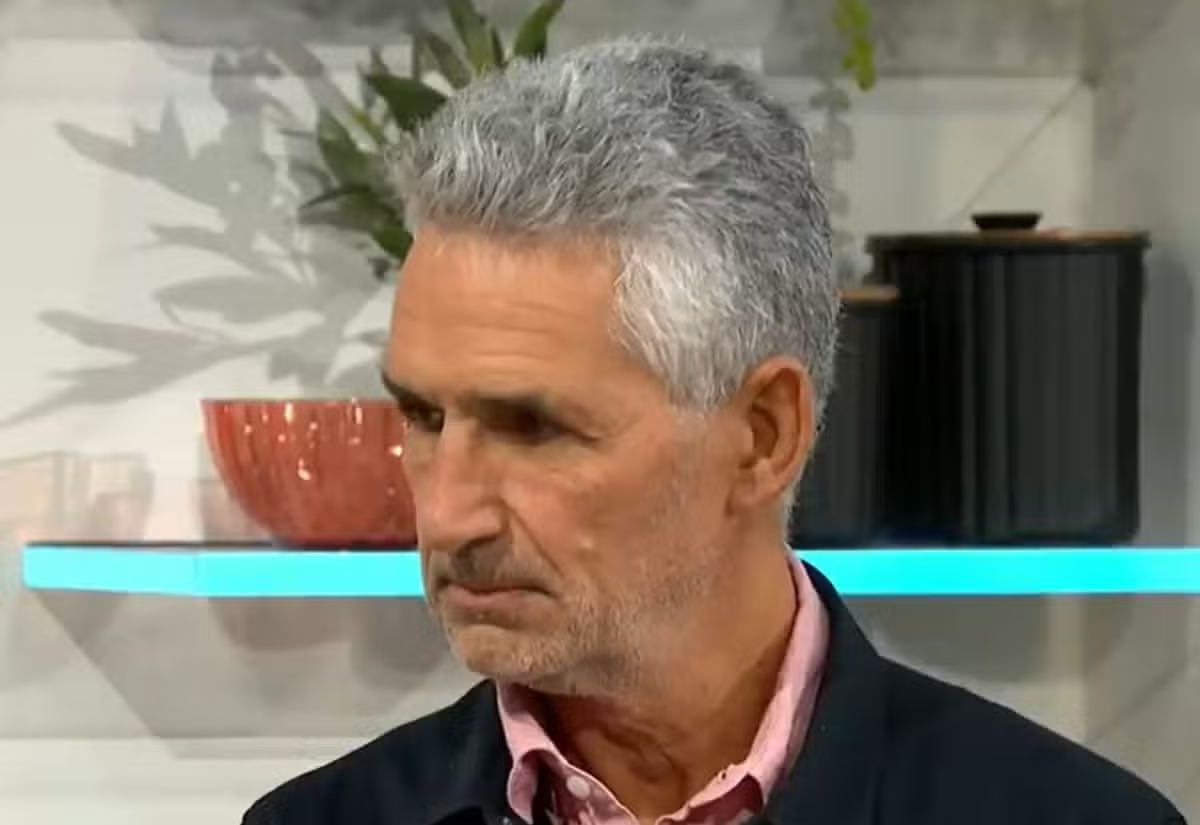
Professor Tim Spector is the founder of healthn brand, Zoe(Image: ITV)
With that in mind, it may be worth trying a trusted brand of kombucha in small amounts to see how your body reacts, as IBS affects everyone differently. It isn’t a one-size-fits-all solution, and it’s not a cure or treatment, but it could be a refreshing option when you’re thirsty – or simply something new to try – that also happens to offer potential gut health benefits.
Kombucha is not a medicine
Patient.info notes that Mohr warns that kombucha should not be used to treat specific medical conditions
The doctor stressed: “While some kombucha drinks have ingredients with potential benefits, the actual health impact – and the amounts needed – requires more scientific research to confirm these claims. The probiotic content of kombucha can also vary – depending on the fermentation process.”
He notes that other fermented foods, such as plain yoghurt – particularly those labelled ‘live and active cultures’ – are a more dependable source of probiotics.
What are the symptoms of IBS?
Symptoms of IBS may include:
Belly (abdominal) cramps. They can be uncomfortable or painful.Abnormal bowel habits. You could have diarrhoea, constipation, or both.Wind, bloating and distension (a widening of the girth of the belly).Mucus. This may be present in poo.
Zoe urges people with IBS to make diet changes slowly so their gut can adjust and they can see how their symptoms respond. Small amounts of fermented foods can be a healthy addition to a balanced diet, but they aren’t a cure for IBS and may not improve your symptoms.

Tim Spector is a Professor of Genetic Epidemiology at King’s College London and Honorary Consultant Physician at Guy’s and St Thomas’ NHS Foundation Trust(Image: Zoe)
Have IBS? Try this
Concluding its advice, Zoe stresses that IBS affects everyone differently, so it can take trial and error to find what works for you.
It urges people with IBS to:
Try one change at a time and monitor how you feelConsider a low-FODMAP diet – designed for IBS and supported by evidence, though it can feel restrictiveTry Peppermint oil. It may help symptoms, but it can also cause acid reflux for some people.Cut back on caffeine – a higher intake has been linked with IBS in some research.Limit alcohol – symptoms may worsen if you have more than 4 drinks in a dayAvoid spicy foods – commonly reported trigger; also often contain high-FODMAP ingredients like onion and garlic.Exercise regularly – it can help, especially with bloating and abdominal pain.Try acupuncture – one large trial found it reduced symptoms compared with medication.Practice mindfulness/stress reduction – this may ease IBS symptoms, according to some studies.