

Health experts encourage vitamin D supplements during winter months, but they warn people to watch for four overdose symptoms
08:00, 24 Jan 2026Updated 09:05, 24 Jan 2026

The NHS has recorded multiple incidents of serious illness and consumer experts have issued their own alert(Image: )
Health experts are urging millions of people to take vitamin D to support their wellbeing, but a specialist has cautioned that you must watch for certain warning sign adverse effects.
Writing on X, an NHS representative stated: “From October to March we can’t make enough vitamin D from sunlight, so to keep bones and muscles healthy, it’s best to take a daily 10 microgram supplement of vitamin D. You can get vitamin D from most pharmacies and retailers.”
While specialists agree that many people should be consuming vitamin D, particularly during winter months, the guidance comes with a word of warning.
People require sunlight to obtain vitamin D because UVB radiation from the sun initiates a chemical process within the skin. This mechanism transforms 7-dehydrocholesterol into vitamin D3, which is crucial for calcium uptake, skeletal health, and immune system function.
The UK government advises that everyone should consider consuming a daily vitamin D supplement of 10 micrograms (400 IU) throughout the autumn and winter periods because sunlight lacks sufficient strength for bodies to produce adequate vitamin D, and it’s challenging to obtain sufficient amounts from diet alone. Tobias Mapulanga, biomedical scientist and co-founder of Repose Healthcare, has issued a warning about symptoms to monitor.
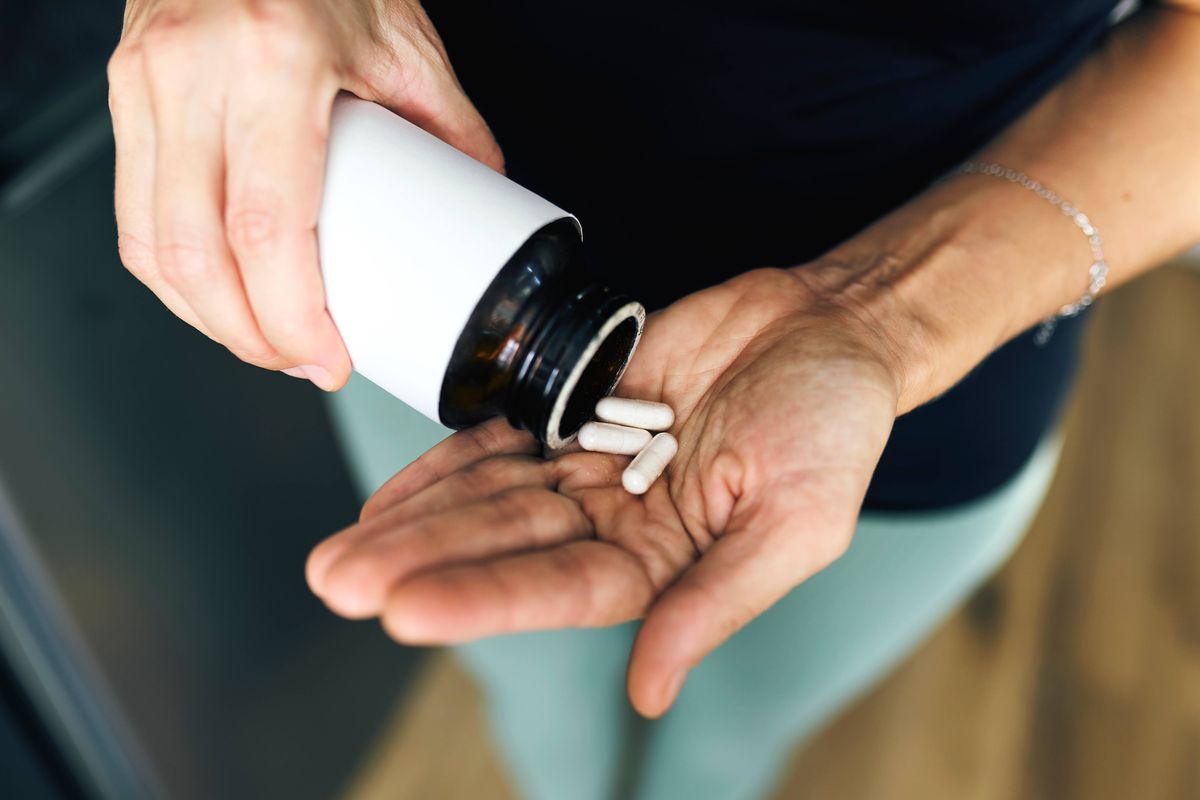
Millions of people take vitamins every day(Image: )
He explained: “As the NHS encourages vitamin D in winter, many people are reaching for bottles in the darker months and accidentally overshooting, then blaming the fallout on seasonal bugs; when constant thirst and needing the loo more often, queasiness, tummy pain or constipation, headaches or brain fog, and new aches or cramps appear soon after increasing your intake or adding sprays or gummies, that points to a supplement backfiring. The stakes are clear: the right amount supports you, but doubling up can turn a well-meant routine into feeling worse rather than better.”
Research revealed that 42% of surveyed UK adults had consumed vitamin D supplements within the previous 12 months, yet Which? discovered supplements, including vitamin D, being sold with doses reaching up to 12.5 times the advised safe upper limit. NHS England documented 42 incidents over two years of high‐strength vitamin D being administered more frequently than recommended, with certain cases requiring hospital care for hypercalcaemia.
Stop taking your vitamin D supplement if you notice these warning signs:.
1. Frequent thirst and urination
If you discover that you’re now regularly feeling thirsty and/or needing the toilet more frequently after beginning vitamin D supplements, this indicates you may be consuming excessive amounts.
Reduce your intake to a single 10 microgram tablet and eliminate any additional supplements if these signs emerge. Too much vitamin D can upset fluid and salt equilibrium, leaving you dehydrated and making more trips to the bathroom.
Examine food or beverage labels and eliminate multivitamins, sprays, gummies and enriched drinks or cereals containing added D. Keep water nearby and sip regularly as your body readjusts.
Remain well below the 100 microgram maximum limit whilst symptoms continue, keep one product beside the kettle and store the remainder out of view.

While experts agree many people should be taking vitamin D, especially through the winter, the advice comes with a note of caution(Image: )
2. You experience nausea, persistent belching or an upset stomach
Experiencing queasiness, increased belching or stomach upset after taking vitamin D represents another warning sign that something’s amiss. Attempt to consume your supplement alongside a proper meal and change from sprays or gummies to a basic D3 tablet if symptoms develop.
Food cushions the supplement within the digestive system and minimises irritation, whilst sprays and gummies frequently contain sweeteners or flavourings that disturb certain individuals. Select a plain cholecalciferol tablet with few additives and reduce the dosage to 10 micrograms.
Skip enriched shakes or energy drinks whilst your stomach recovers.
3. Your bones and muscles ache
If you notice that your bones are aching more or your muscles are cramping with greater frequency after beginning your vitamin D supplement, it’s a warning sign.
Reduce your intake and focus on staying hydrated and eating mineral-rich foods. Excessive vitamin D can disrupt the minerals that muscles depend on, whilst dehydration increases the likelihood of cramping.
Drink a large glass of water with your meals and incorporate yoghurt, leafy greens, beans and bananas into your daily diet. Gentle stretching and a brief walk can help relieve tightness.
Return to a single 10 microgram dose and avoid any additional supplements whilst symptoms subside.
4. You can’t think straight
Brain fog and headaches are a clear warning sign that you’re taking too much vitamin D. Replace any multivitamin or high-strength product with a simple 10 microgram D3 tablet.
Elevated doses can increase calcium levels, and additives in multivitamins can cloud your thinking. Select a product that lists only cholecalciferol and straightforward bulking agents.
Take it with food at the same time daily to maintain steady and gentler intake on the digestive system. Avoid combined A+D products and concentrate on one straightforward D3 tablet.
Choose a small tablet to make consistent use easier.
5. Too many products with Vitamin D
Be mindful of how many products you’re taking that contain vitamin D, as it’s possible to overdose without realising.
Review all sources and select just one daily product to prevent overlapping from tablets, multivitamins, sprays, gummies and fortified foods. Set out everything that contains vitamin D and examine each label thoroughly.
Convert IU to micrograms by dividing by 40 so totals are obvious at first glance. Eliminate duplicates and retain only one 10 microgram source.
Record the dosage and any thirst, frequent urination, stomach upset, cramps or brain fog to identify connections with consumption.
Subscribe to our newsletter for the latest news from the Irish Mirror direct to your inbox: Sign up here.