
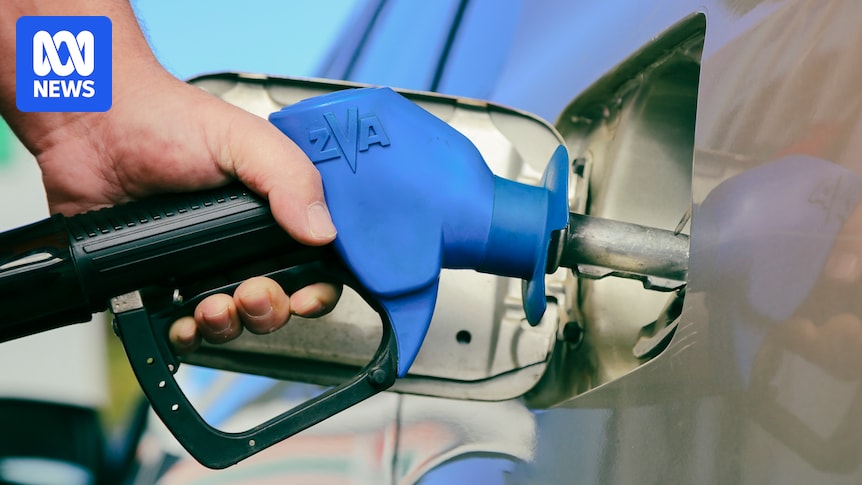
As the war in Iran intensifies, Australia’s sugar industry says a national ethanol mandate could help shield motorists from future market shocks.
Retail fuel prices surged just days after the conflict started, prompting criticism from peak motoring bodies and catching the attention of the consumer watchdog.
But as Energy Minister Chris Bowen assured motorists there was no need to panic buy the Australian Sugar Manufacturers chief executive Ash Salardini said the vulnerability at the heart of the country’s fuel supplies had been exposed.
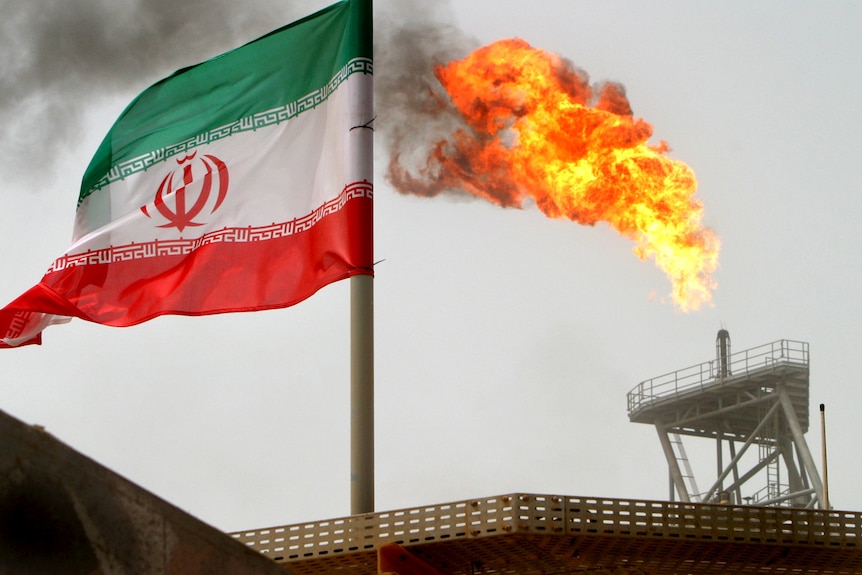
Conflict in the Middle East threatens up to 20 per cent of global oil supply. (Reuters: Raheb Homavandi)
“Australia probably has some of the lowest reserves of liquid fuel in the world,” he said.
“We have about 30 days of diesel and 30 days of petrol, and similar amounts for aviation fuel as well.”
Along with other members of the sugar industry he has called for a national mandate to drive more fuel production at home.
State of the mandate
Ethanol is a renewable fuel produced by fermenting biomass, such as waste starch from wheat and grains, or molasses from sugar cane.
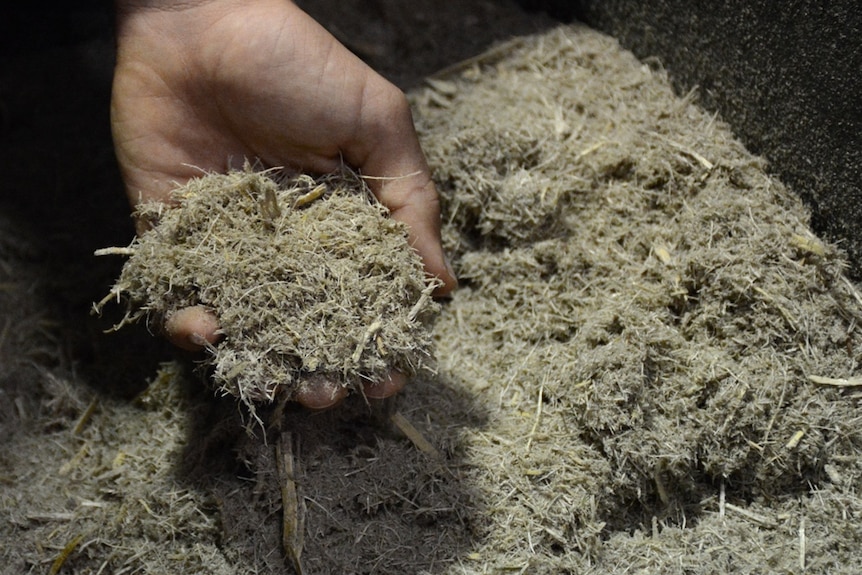
Bagasse from sugarcane can be used to produce bioethanol. (ABC News)
Currently only New South Wales and Queensland require fuel suppliers to blend it into unleaded petrol or diesel.
They are also the states home to the two largest ethanol suppliers — grain producer Manildra Group and Wilmar Sugar and Renewables.
A national mandate would extend that requirement to retailers in all states and while that would not eliminate Australia’s need to import fuel, Mr Salardini said it would reduce the volume.
“What that will do is actually increase our [domestic] supply of fuel and reduce our exposure to oil shocks as well,” he said.
“Ethanol blended into petrol is a way forward for things like sustainable aviation fuel and biodiesel.”
But not all vehicles are compatible with blended fuels, and mandates face opposition from retailers, wholesalers and motorists alike.
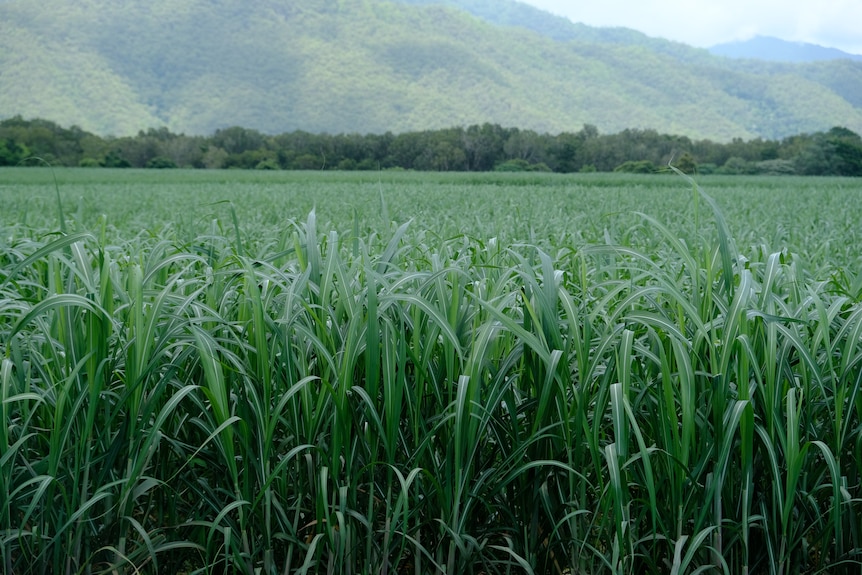
The world sugar price could be impacted by the Middle East conflict. (ABC News: Lucy Cooper)
There is also growing global demand, as companies and governments seek to use ethanol to stem carbon emissions and meet net zero targets.
Europe has set a minimum supply mandate for sustainable aviation fuels (SAF), and Australia’s own Qantas has set a target for SAF to make up 10 per cent of its total fuel use by 2030.
Biofuelling up
Wilmar Sugar and Renewables’ parent company is headquartered in Singapore.
The tiny nation supplies the bulk of Australia’s liquid fuels, though South Korea, China and Japan are also key sources.
The company’s distillery at Sarina in North Queensland produces about 60 million litres of bioethanol a year, but even general manager James Wallace said it runs below capacity.
“We’ve got to look at the economics of our facilities and at the moment it isn’t economical for us to continue to make more ethanol,” he said.
“With the lack of government support, policy and mandate there is no money in our ethanol production at the moment.”
The company sources the molasses for the distillery from its eight sugar mills, like the Invicta Mill at Giru, south of Townsville.
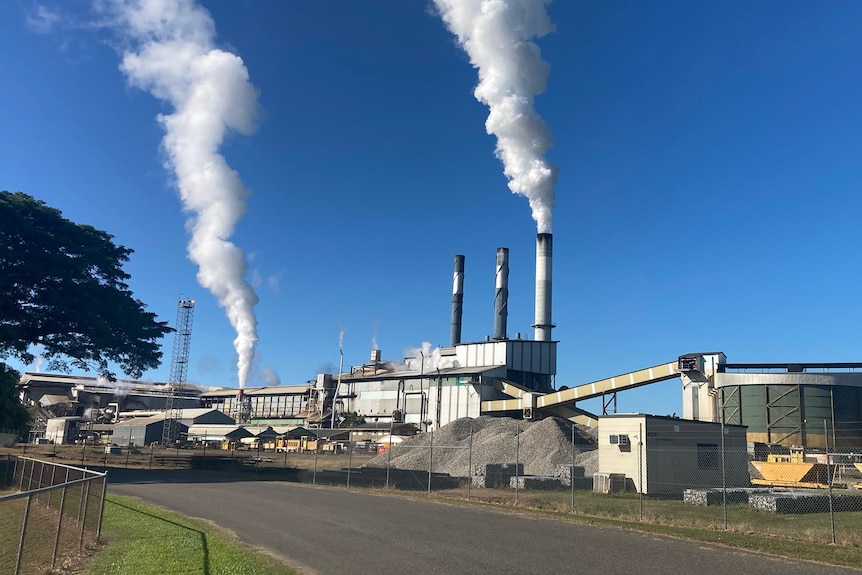
Wilmar Sugar and Renewables is Australia’s largest sugar manufacturer. (Supplied: Wilmar Sugar)
Operations manager Harrison Slogrove said there was little financial incentive to convert the factories to ethanol production, some of which have been in operation since the 1870s and 1880s.
“That would be a large investment in the process house of the factory — switching a large portion of the final product from sugar to ethanol,” he said.
“The key hurdle of that process is we need a market to sell into.
“At present we don’t have a clear government mandate to drive domestic demand.”
Sweet relief
When NSW introduced its ethanol mandate in 2007, then-prime minister John Howard ruled out taking it national.
Almost two decades later and with a fifth of the world’s oil supply stranded in the Strait of Hormuz, Member for Kennedy Bob Katter asked the current prime minister if he would reconsider.
“Fuel security is really important, and it’s essential as well that we make more things here,” Mr Albanese told parliament.
“The principle … that we need to be more resilient and more self-reliant here is not only something that I support in theory, we are putting it in place in practice.”
Last year the federal government announced it would invest $1.1 billion to accelerate the production of low-carbon liquid fuels in Australia.
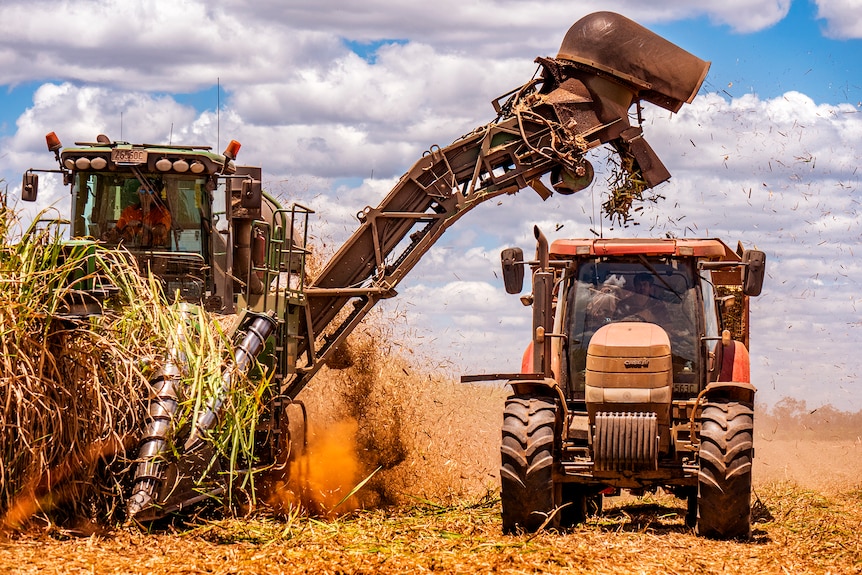
Australia’s sugar industry has been pushing to expand into biofuel for years. (ABC News: Brad Marsellos)
Global ethanol prices are largely based off the crude oil market, and the world’s largest sugar supplier, Brazil, is also the world’s largest producer of sugar-derived ethanol.
It means there is a direct link between oil markets and sugar prices for farmers as manufacturers switch between the two.
Commodities analyst Tom McNeill said sugar prices were currently below the cost of production due to oversupply, but as oil prices rise Brazil would shift to making ethanol instead.
“If oil prices escalate quickly then we see some flow on to Brazilian energy prices, in particular ethanol” he said.
“Through that [we see] more support for the sugar price.”
Mr Salardini said it would take two to three years to build the facilities required for Australia to produce his preferred mandate of a five per cent blend.
But he said the cost of inaction was “huge”.
“It doesn’t sound like much, but there is a huge difference between coming short on oil supplies versus not,” he said.