
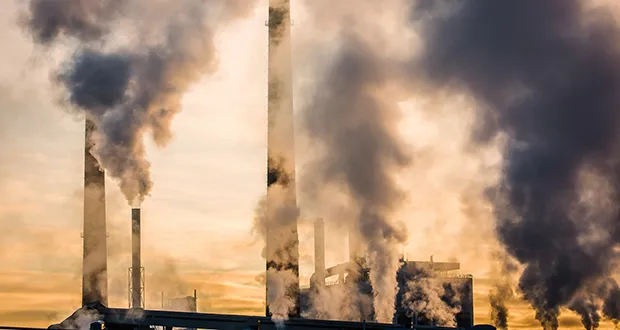
Lancet study suggests climate change could drive millions globally into physical inactivity by 2050 and be linked to an estimated half a million premature deaths
Rising temperatures due to climate change could drive millions more adults globally into physical inactivity by 2050, which in turn is linked to hundreds of thousands of premature deaths, a new global study suggests.
Rising temperatures make it uncomfortable, and in some cases unsafe, to be physically active. Physical inactivity is already a major global health problem, with about one-in-three adults failing to meet World Health Organization guidelines for weekly exercise.
Published in The Lancet Global Health, this study analysed data from 156 countries between 2000 and 2022 to model how rising temperatures may affect physical activity globally up to the year 2050.
The model suggests that by 2050 each additional month with an average temperature above 27.8°C would increase physical inactivity by 1.5 percentage points globally and by 1.85 percentage points in low and middle-income countries, but with no clear impact in high-income countries. This translates to a predicted 0.47–0.70 million additional premature deaths annually, and US$ 2.40–3.68 billion in productivity losses.
The biggest increase in inactivity are predicted to be hotter regions such as Central America, the Caribbean, Eastern Sub-Saharan Africa, and Equatorial Southeast Asia, where inactivity could rise by more than four percentage points per month spent above 27.8°C. However, the authors highlight that these are modelled projections, based on self-reported activity surveys, and also only account for temperature changes. Therefore, there remains major uncertainty as to the exact real-world impacts.
“Although much attention has been focused on direct effects, emerging evidence suggests that climate change might also indirectly affect health by diminishing opportunities for physical activity – a crucial yet overlooked casualty of a warming planet,” said Prof Ding Ding of the University of Sydney and Prof Eun-Young Lee of Queen’s University, Kingston, Ontario, in a comment piece accompanying the research.
“Increasingly, physical activity is recognised as a fundamental human right. Yet, realising this right has become increasingly challenging. Extreme heat, paired with a lack of accessible climate-resilient infrastructure, impedes safe and enjoyable participation. Structural inequalities, such as unequal access to green and blue spaces, shade, and air-conditioned facilities, further intensify existing inequalities in physical activity participation.
They added: “As temperatures continue to rise, people in low-income and middle-income countries and disadvantaged communities might face double jeopardy—those who primarily engage in choice-based physical activity (eg, exercise or sport for health or leisure) might reduce their physical activity, whereas those who primarily engage in necessity-based physical activity (eg, occupation or some transportation-related movement) might experience more strains and harms from hazardous environments.
“Conversely, in higher income countries and advantaged communities, people might retreat to indoor facilities for exercise, further increasing carbon emissions through air-conditioning and electrically powered equipment (eg, treadmills), and hence exacerbate climate change. This duality highlights the moral complexity of promoting physical activity in a warming world and underscores the need for equity considerations.”
The researchers say their results suggest that action is needed to protect the public from rising heat, including designing cooler cities, providing affordable air-conditioned places to exercise, and giving clear advice on how to stay safe in extreme heat, as we all as reducing greenhouse gas emissions
Read the study: Effects of climate change on physical inactivity: a panel data study across 156 countries from 2000 to 2022 – The Lancet Global Health.