
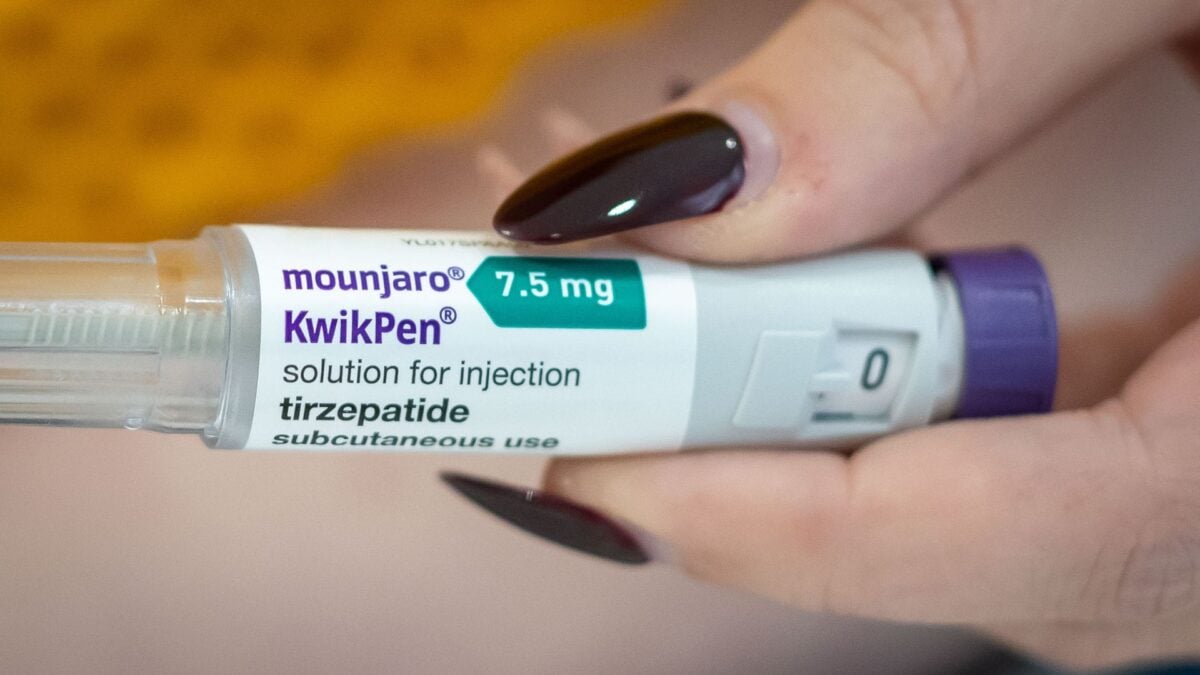
Tirzepatide, the active ingredient behind the popular weight loss drug Zepbound and the diabetes drug Mounjaro, has more tricks up its sleeve. Research out this week shows that it can do wonders for the heart.
A pair of studies examined the outcomes of people at high risk of cardiovascular disease who underwent heart-related procedures. People taking tirzepatide were less likely to experience heart attacks and similar problems compared to others, including people on older GLP-1s, the studies found. These findings appear to confirm the heart-healthy benefits of tirzepatide, which is already the most effective obesity drug of its kind on the market.
More than just obesity treatment
Tirzepatide mimics two hormones that help regulate hunger, blood sugar, and metabolism: GLP-1 and GIP.
Studies have consistently shown that tirzepatide can provide more weight loss than single-agonist GLP-1 drugs like semaglutide (Ozempic and Wegovy), ranging around 20% lost weight over a year’s time on average. Obesity can raise the risk of many other health conditions, including cardiovascular disease. But there’s been less focus on how tirzepatide might be able to mitigate the risk of such issues.
The two studies are being presented this week at the joint conference held by the Society for Cardiovascular Angiography & Interventions (SCAI) 2026 Scientific Sessions & Canadian Association of Interventional Cardiology (CAIC).
In one study, researchers tracked people who underwent percutaneous coronary intervention (PCI), or a coronary angioplasty, a minimally invasive procedure to open up blocked arteries. They compared people taking tirzepatide to dulaglutide, an older GLP-1 drug predating semaglutide.
A month following the procedure, those on tirzepatide had a 54% lower risk of experiencing major cardiovascular events like heart attack than dulaglutide users, the researchers found. These benefits were still apparent and even larger for some conditions a year later, and tirzepatide users were also less likely to die of any cause.
“Tirzepatide consistently reduced major cardiovascular events and mortality across multiple time points, which clinicians should actively consider when selecting therapies,” said Revati Varma, an internal medicine resident at Cook County Hospital in Chicago and author of the PCI study, in a statement released by the conference organizers.
The second study compared people on tirzepatide after they underwent a procedure to replace their heart’s aortic valve. Tirzepatide users were less likely to experience any major cardiovascular problems following surgery than people not on the drug (roughly 30% lower risk), though the rate of some problems like heart attacks remained roughly the same between the two groups.
A helping hand for the heart
Other studies have already shown the heart-protective effects of GLP-1 drugs in general. But it’s still important to confirm that dual agonist drugs like tirzepatide can offer similar or even potentially greater cardiovascular benefits (in theory, it was possible that one of the ingredients could have negatively affected the heart).
For the time being, tirzepatide remains the superior option for many people thinking about GLP-1 therapy for their obesity or type 2 diabetes, though it does tend to cost more than semaglutide. This latest research suggests it can also be a valuable preventative treatment for people at high risk of heart conditions.