
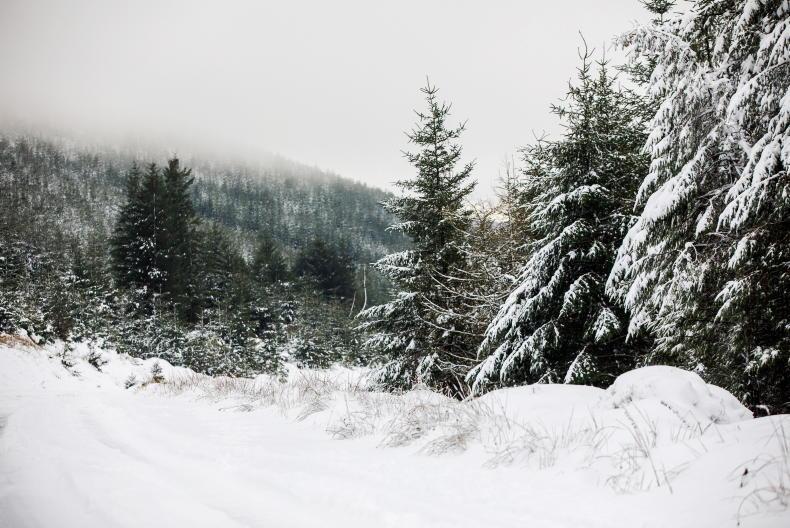
Bread, milk and generators were probably the top three most sought items when we suffered from storm Éowyn back in January 2025.
It really showed how the simplest necessities and electricity are things that we simply can’t go without.
Winter last year was relatively fine from an extreme weather point of view, with increased temperatures in summer being the most extreme thing we’ve seen in 2026.
Fail to prepare and prepare to fail comes to mind, and to our credit we have become better at gearing ourselves up for these events.
On p44, I look at some ways that farms can best prepare themselves ahead of extreme weather this winter.
From putting an infra-red bulb in the pump house to getting dangerous trees trimmed, an hour’s work now in November could save huge amounts of time and avoid hardship later in the winter.
On p45, Darren Carty relays some of the key information from one of our stands at our Health and Wellbeing event in Tullamore Farm.
Again, it’s the small things like keeping windows clean to have good visibility and keeping the floor free from obstructions that make the difference.
Winter prep isn’t all about preparing for extreme weather events. On p48-49, Brendan Horan looks at the best practices surrounding housing hygiene and liming of cubicles. After feeding, it is the second key task to be completed on farms each day over the dry period and sets the farm up for success in spring.
On p46-47, I paid a visit to the Coffey family in Co Waterford who are well set for spring 2027 with their calf shed complete with automatic feeders.
One of the reasons that farmers are investing in such buildings is the precarious nature of the export market, with extreme weather events affecting ferry travels.
It’s funny how weather affects so much of what we do in farming.