
Described by Mark Twain as a “good walk ruined”, golf has long divided opinion as to whether it is a bona fide sport.
The game, long associated with networking, business and diplomacy, has again been ensnared in the classic debate over whether it counts as exercise or it is just leisurely recreation.
The war of words was sparked by a piece in The Wall Street Journal published earlier this week in which Harvey Spevak, a managing partner of the luxury gym company the Equinox Group, claimed that golf was not exercise.
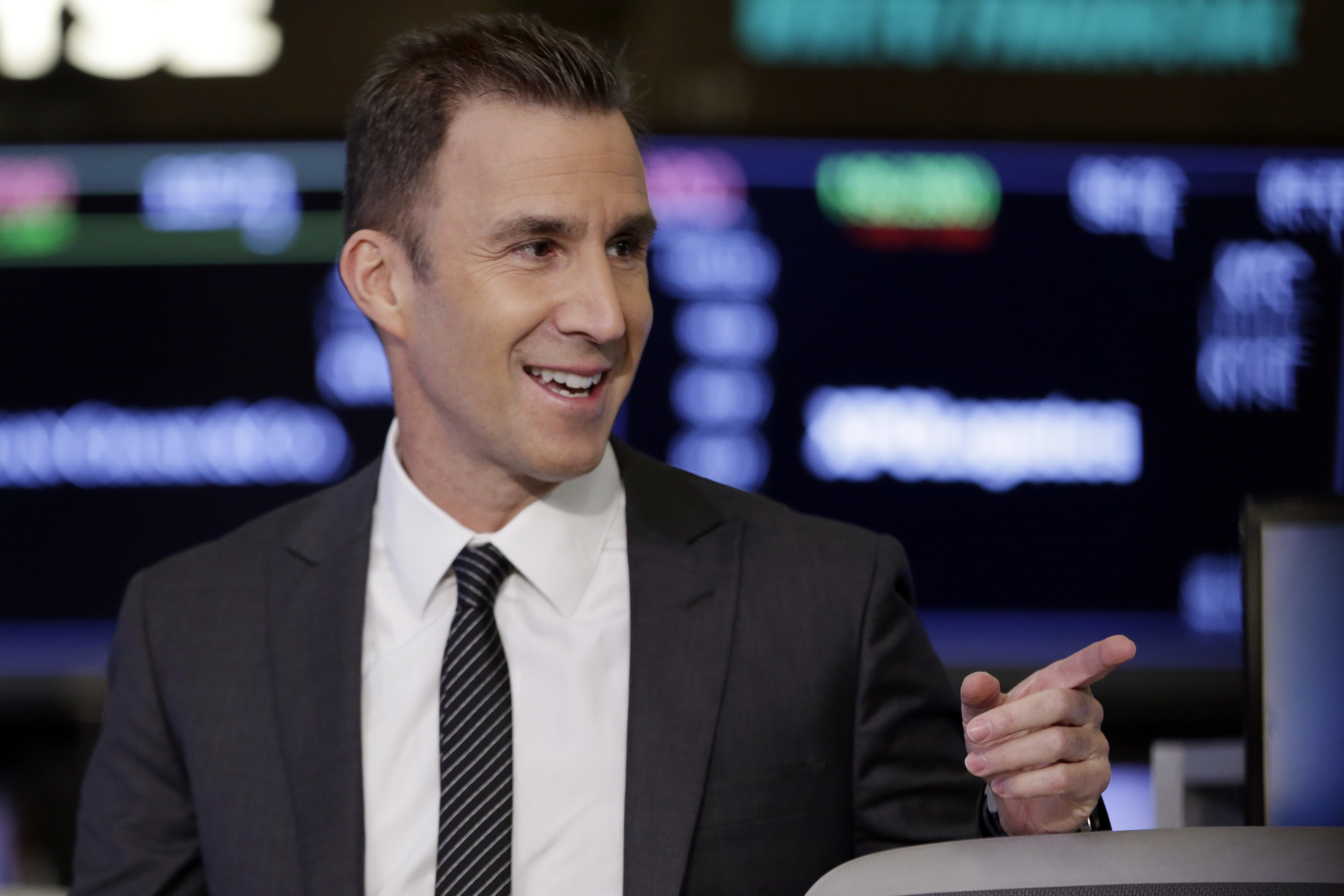
Harvey Spevak
RICHARD DREW/AP
“You’re hitting a little white ball around a golf course, using a golf cart, and drinking at the ninth hole,” the executive, who describes himself as “human guinea pig” because of all the health and wellness trends he’s tried, said of the sport. “It’s fun, it’s recreation. But I don’t think it’s exercise.”
The assertion has stirred up the ire of the golf world, with England Golf, the governing body for amateur golf in England, mounting a vigorous defence of the game and espousing its health benefits.
“Whether it’s improved cardiovascular health, strength, balance, or burning calories from walking around a course, golf provides vital exercise which individuals might not be able to access through other activities,” a spokesman for the body said. “Not just that, but we know golf has significant mental health and social benefits.
• Moderate exercise ‘as effective as therapy or drugs for depression’
“It provides an opportunity to be outdoors, providing essential vitamin D and fresh air, which can benefit the immune system and overall health. For many, it’s a chance to switch off and relax, reducing stress, improving brain health, and playing alongside people certainly helps build social connections.”
Giulio Merolla, 48, the founder of the North London Golf Academy, said his novice students were often surprised by the physical impact golf can have.
“They’re definitely sweating when they’re here hitting shots, so it’s definitely exercise, that’s for sure,” he said. Referring to wearable health trackers, the coach added: “Half of my clients wear Whoops and they’re always going to me: ‘Hang on a sec, I’ve got to turn it on,’ because they consider it a tough workout.
“You’re moving, you’re rotating, and you’re swinging a club that may weigh about 150g or so, but you’re swinging it up to 100 miles an hour so it feels a lot heavier than it is,” he said.
• 13 of the best golf and spa hotels in the UK
“Golf makes walking outside a bit easier, a bit more enjoyable, but you are walking around 6km with a 10kg bag on your back, so I can assure you, you do need some level of fitness to play.”
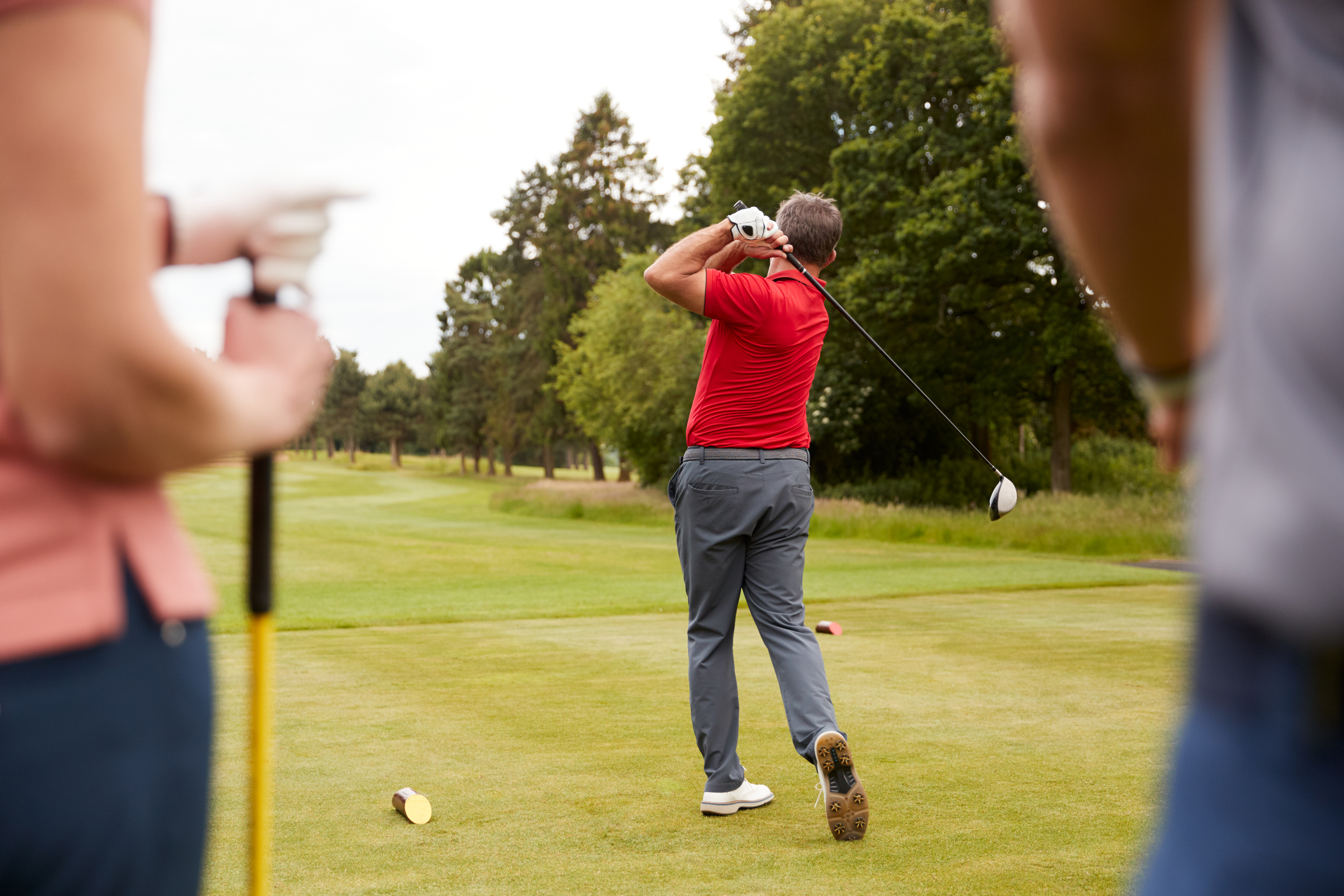
Teeing off is a strenuous part of the sport
GETTY IMAGES
For Daniel Webster, a veteran coach and course manager, the claim that golf wasn’t a form of exercise was laughable. “Hitting a driver, so that’s one shot with the driver full blast, is equivalent to bench pressing your max weight three times,” he said. “Add on all the swings during a round of golf with the walking, and it is quite strenuous.”
A number of scientific studies have revealed the health benefits of playing golf. In 2024 a study published in the British Journal of Sports Medicine found that playing in old age could significantly help extend the lives of people with dementia.
A study by the University of Eastern Finland published in 2023 found that playing golf was one of the best ways to keep your heart healthy in retirement. An 18-hole round was found to be better than walking for controlling cholesterol, blood pressure and blood sugar levels, cutting the risk of heart attacks and strokes.
DIY finger-prick test could speed up the diagnosis of Alzheimer’s
The game has attracted controversy ever since its invention on the outskirts of Edinburgh during the 15th century, precipitating an unexpected military crisis.
Soldiers, addicted to hitting pebbles around sand dunes with bent sticks, began neglecting training so much so that the Scottish parliament of King James II banned the sport in 1457. Scots largely ignored the ban, and the game gained the royal seal of approval in 1502 from King James IV of Scotland, himself a keen golfer.