
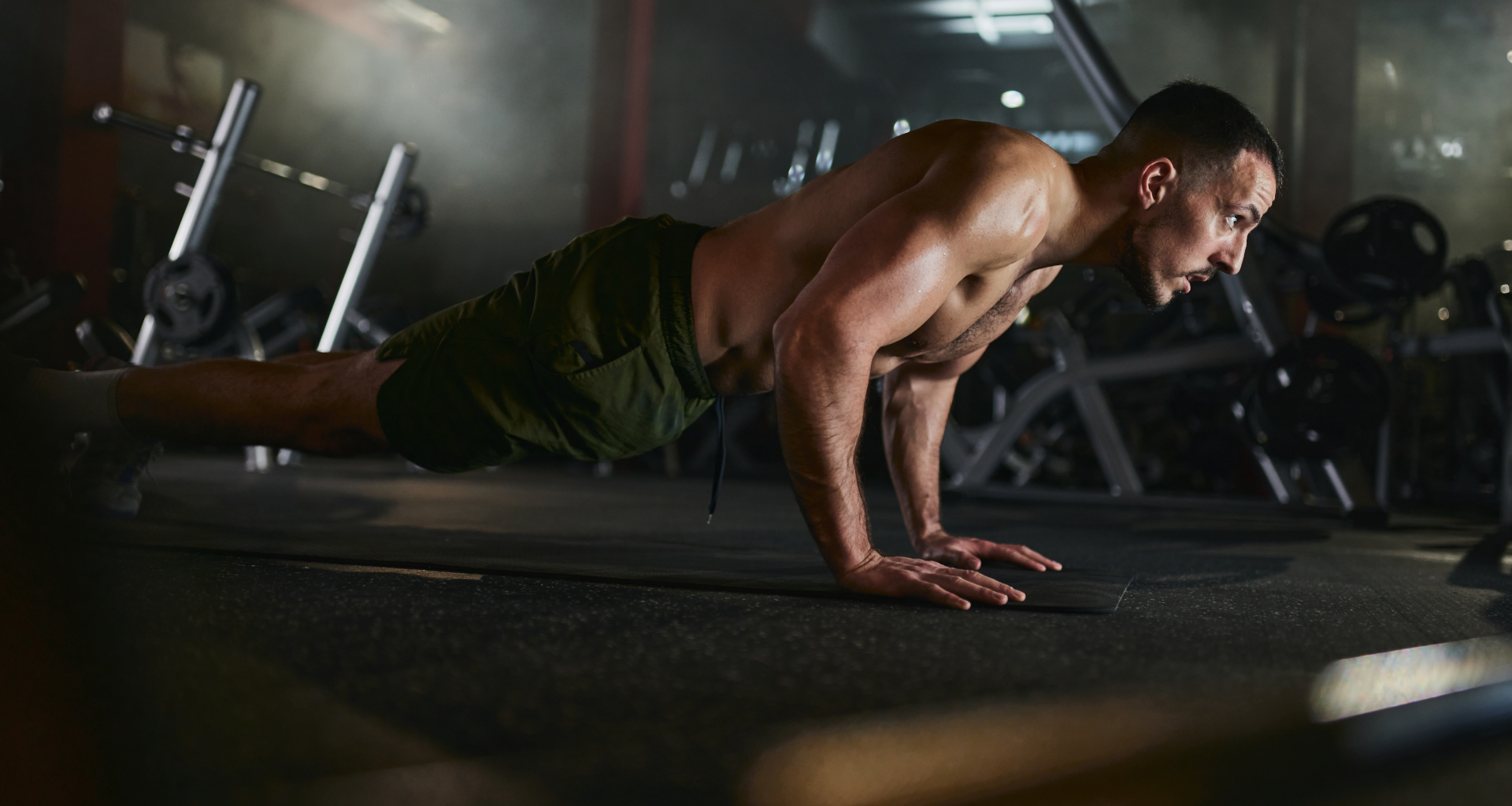
For many, standard push-ups are challenging enough. But with a bit of practice, most people can master this classic bodyweight move – and that’s where push-up variations come into play. From triceps and Spiderman push-ups to plyometric, fingertip, and typewriter versions, there’s no shortage of ways to mix things up.
That’s why I decided to try the Hindu push-up. Starting in a downward dog position, you bend your elbows, dive through your hands, and press up into a cobra. It’s part strength move, part mobility drill, with a hint of yoga flow, and it turns out to be a surprisingly effective upper-body exercise too.
What is the Hindu push-up?
Hindu push-ups are more than just a chest exercise. They’re a full-body movement that builds strength in the chest, shoulders, and arms while improving spinal mobility and breathing control.
You may like
Unlike standard push-ups, Hindu push-ups encourage controlled, flowing movement. The forward and backward motion helps improve shoulder flexibility, spinal strength, and coordination.
The downward dog position stretches the hamstrings and calves, while the cobra position opens up the chest and provides a gentle stretch through the lower back and abdominals.
They’re particularly beneficial for bodyweight and callisthenics workouts, where strength and mobility need to work together.
How to do the Hindu push-upStart in a downward dog position, forming an inverted V shape with your body. Spread your fingers wide, press your palms firmly into the floor, and look down so that your neck remains in line with your spine.Bend your elbows and lower your head towards the floor, as if doing a shoulder press, then shift your weight forward and glide into a low plank.Straighten your arms and lower your hips to the floor, lifting your chest into a cobra position.Look up for maximum flex before pushing your hips back to return to the starting downward dog position.Repeat continuously for 30-60 seconds.
My top tips for best results are to keep the movement smooth and controlled, inhale as you move forward, exhale as you push back, and start slowly and focus on form through each position before increasing speed.
Strength feels better when your body moves well – and the Hindu push-up delivers both strength and mobility. I loved doing three sets as part of my warm-up or at the end of the session. They are a lot tougher than they look, and after a few reps, you’ll really feel your muscles burning. Here’s why
Why the Hindu push-up works
The Hindu push-up combines strength training with dynamic mobility, which is why it delivers more benefits than a standard push-up alone.
First, the lowering phase from the downward dog to the shoulder press up, to the plank, places sustained tension through the chest, shoulders, and triceps, helping build a strong upper body that will make you look more jacked. Unlike static push-ups, the extended range of motion increases time under tension, which is key for muscle growth.
Secondly, the flowing transition from downward dog to cobra improves shoulder and thoracic spine mobility – two areas that commonly stiffen from desk work, gym sessions, and everyday activities.
Better mobility here can translate to stronger, safer pressing in exercises like bench presses and overhead lifts, as well as improved muscle activation in moves like bent-over rows and flyes. Meanwhile, flexible hamstrings from the downward dog help you move more efficiently and reduce injury risk.
Finally, the continuous movement elevates your heart rate and encourages coordinated breathing, making the Hindu push-up a surprisingly effective conditioning exercise. It trains strength, mobility, and control simultaneously – bridging the gap between callisthenics and yoga.