
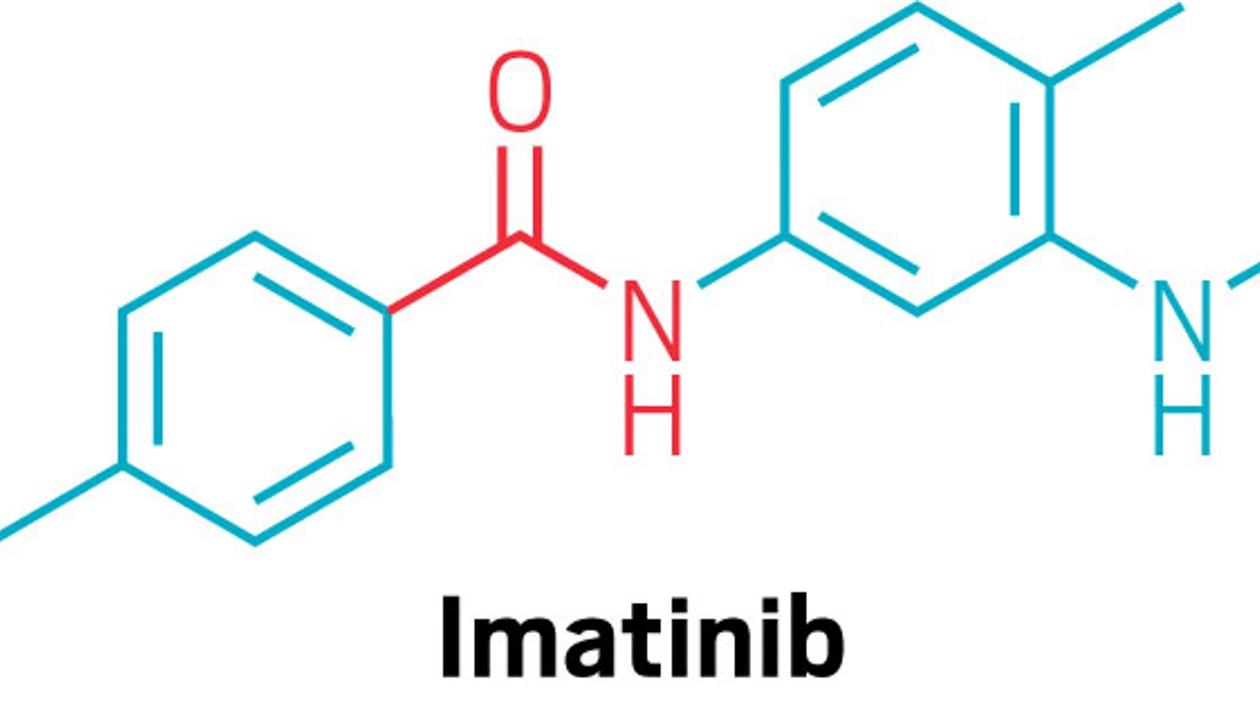
Amide bonds hold together proteins. They appear in a huge number of drug molecules. They’ve been “one of the cornerstones for organic synthesis” in academia and industry for over a century, says chemical biologist Xiaoguang Lei.
But the status quo methods to make them from carboxylic acids tend to rely on wasteful coupling reagents. So researchers, especially those in pharma, are interested in finding new, more-efficient strategies.
Now Lei and his team at Peking University, partnering with scientists from Novartis, have engineered a well-known enzyme to form this well-known molecular linkage from aldehydes instead of acids (Science 2025, DOI:10.1126/science.adw3365).
Donald Hilvert of the Swiss Federal Institute of Technology (ETH), Zurich, who was not involved in the work, calls it “an exemplary demonstration of how enzyme scaffolds can be repurposed for new chemistry.”
The authors’ approach is deceptively simple: take an aldehyde dehydrogenase enzyme, which naturally converts aldehydes to acids, and get it to react with an amine instead of water. But actually making that happen was no small feat, Lei says.
It took a deep understanding of the biocatalytic mechanism, three rounds of engineering, and more than 10 crystal structures of the binding pocket, Lei says, but eventually they succeeded in creating an amine-selective enzyme.
Lei and his team designed their new “oxidative aminases” to work on a wide variety of pharma-relevant aldehydes and amines, including aromatic amines. The researchers also showed that they could use the enzymes in a cascade reaction with an alcohol dehydrogenase to make amides from alcohols in a single operation.
Finally, the researchers demonstrated how their enzymatic strategy could shave steps and cost from the synthesis of two US Food and Drug Administration–approved pharmaceuticals: vadadustat, used for treating anemia associated with kidney disease, and Novartis’s precision cancer drug imatinib. The new route to imatinib uses a “dirt cheap” dialdehyde starting material and “you don’t waste any single atom,” which reduces purification-related costs, Lei says.
Overall, Hilvert says, the paper is “a very clever, elegant showcase of how structural insights and enzyme engineering can drive innovation.” Having a new addition to the toolkit of ways to make amides is a welcome development, and the researchers were clearly thinking about how to make their method appealing to pharma companies, he adds.
Sabine Flitsch, a biocatalysis expert at the University of Manchester who was not involved in the work, says the way that the researchers programmed the enzyme to accomplish a complex new reaction “really shows you the power of protein engineering.” The enzyme would need some additional optimization to be useful in a process setting, she says, but it’s a great start toward addressing a long-standing need for greener ways to make amides in industry.
Lei says he and his team have filed patents for the method and are continuing to work with their industry collaborators to improve it—for example, making it more stereoselective. It’s been “a really nice journey for us” to dig into fundamental questions about how to get old enzymes to do new tricks, he adds.

Chemical & Engineering News
ISSN 0009-2347
Copyright ©
2026 American Chemical Society