
Lord of the Flies spoilers won’t be found in this review.
How do you follow up an instant classic like Adolescence? You make moves to adapt its precursor, the old yet still undeniably classic novel, Lord of the Flies.
While a direct line can be drawn between William Golding’s 1954 novel and shows like Yellowjackets, its story of schoolboys marooned on a desert island speaks to the concerns that co-creator Jack Thorne tackled in Adolescence. As such, he’s the ideal person to script the very first Lord of the Flies adaptation for TV.
There have been film versions before, most notably Peter Brook’s black-and-white movie from 1963, but it turns out TV is the perfect medium for this classic text.
While the story is very much the same, extending the narrative across four episodes gives it much more space to breathe, not just through new flashbacks but also by choosing to revolve each instalment around one of the main characters.
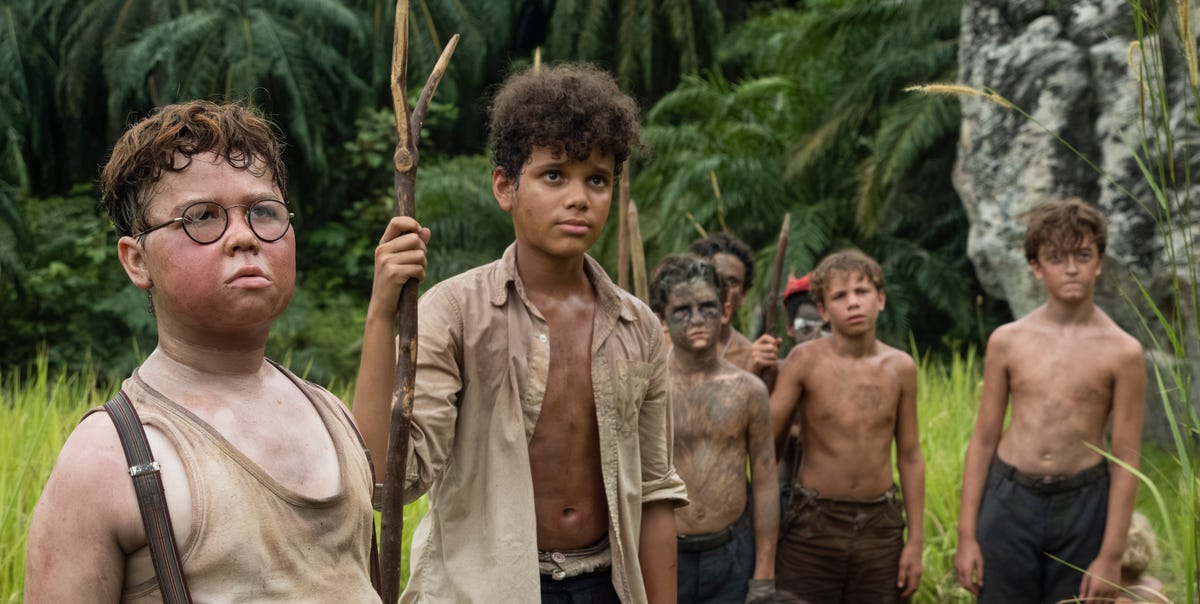
Ralph, Piggy, Simon and Jack all take turns in the spotlight, offering different perspectives on what it means to survive when the adults are gone and food is scarce.
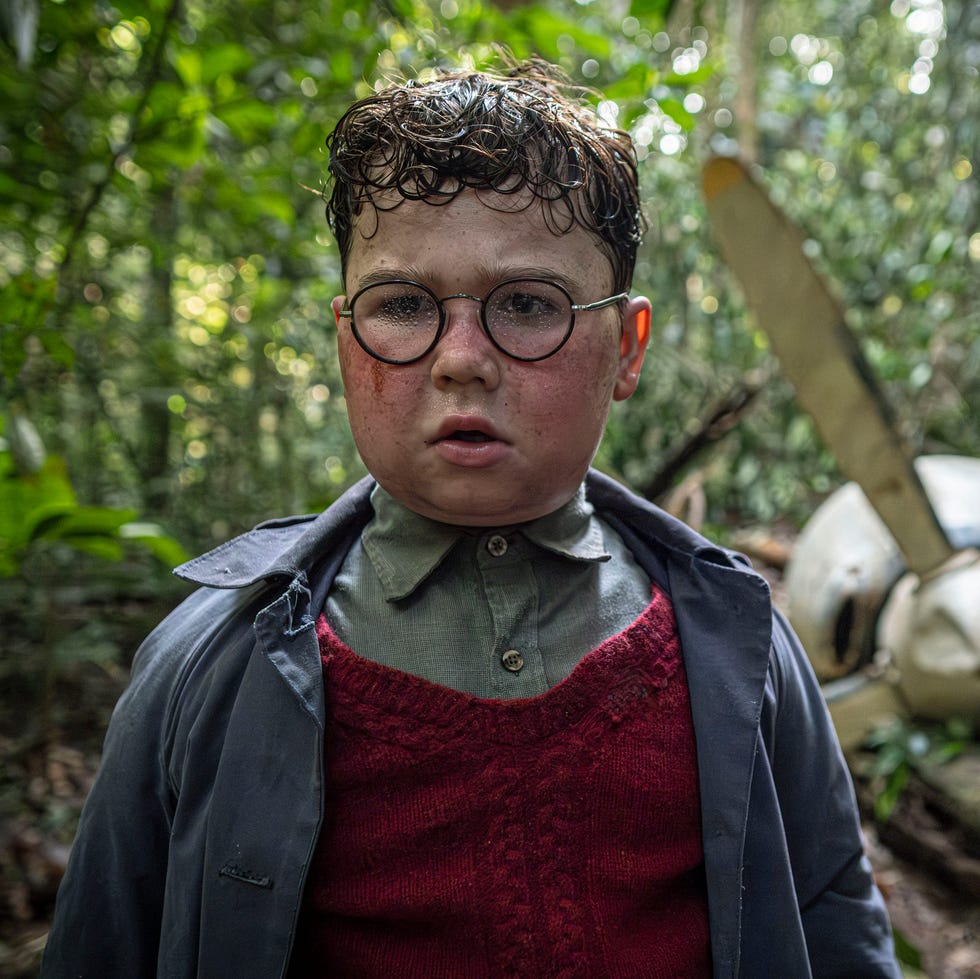
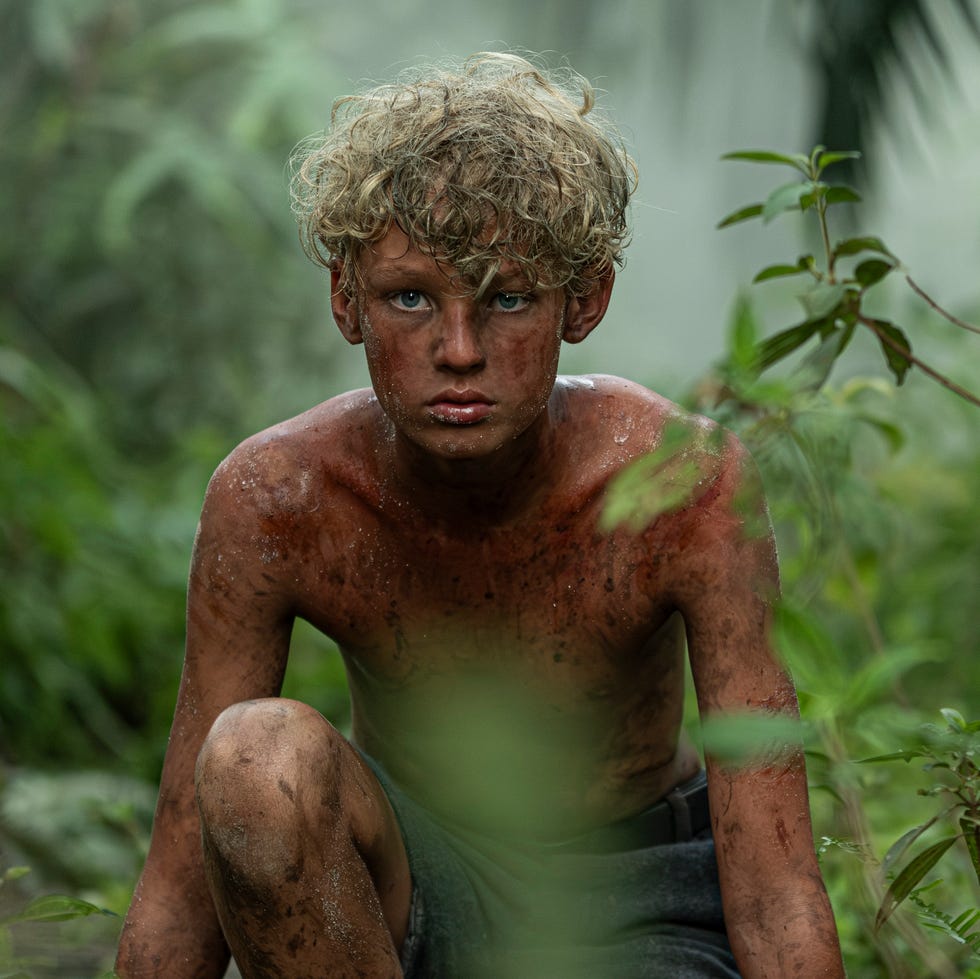
It’s not long before Ralph (Winston Sawyers) and Piggy’s (David McKenna) attempts to form a new civilisation come under attack from Jack (Lox Pratt), a cruel, charismatic boy who wishes to take over and lead for himself. Then there’s Simon (Ike Talbut), whose unique sensitivity connects him to something deeper and more primal, something which portends tragedy for them all.
Many members of the cast make their professional acting debuts here, but you wouldn’t necessarily know that from watching. While some are more seasoned than the others, McKenna and Pratt especially stand out as sheer forces of nature in a story all about that raw power and potential. There’s a maturity to them both, be it in Piggy’s wisdom or Jack’s aptitude for cruelty.
BBC
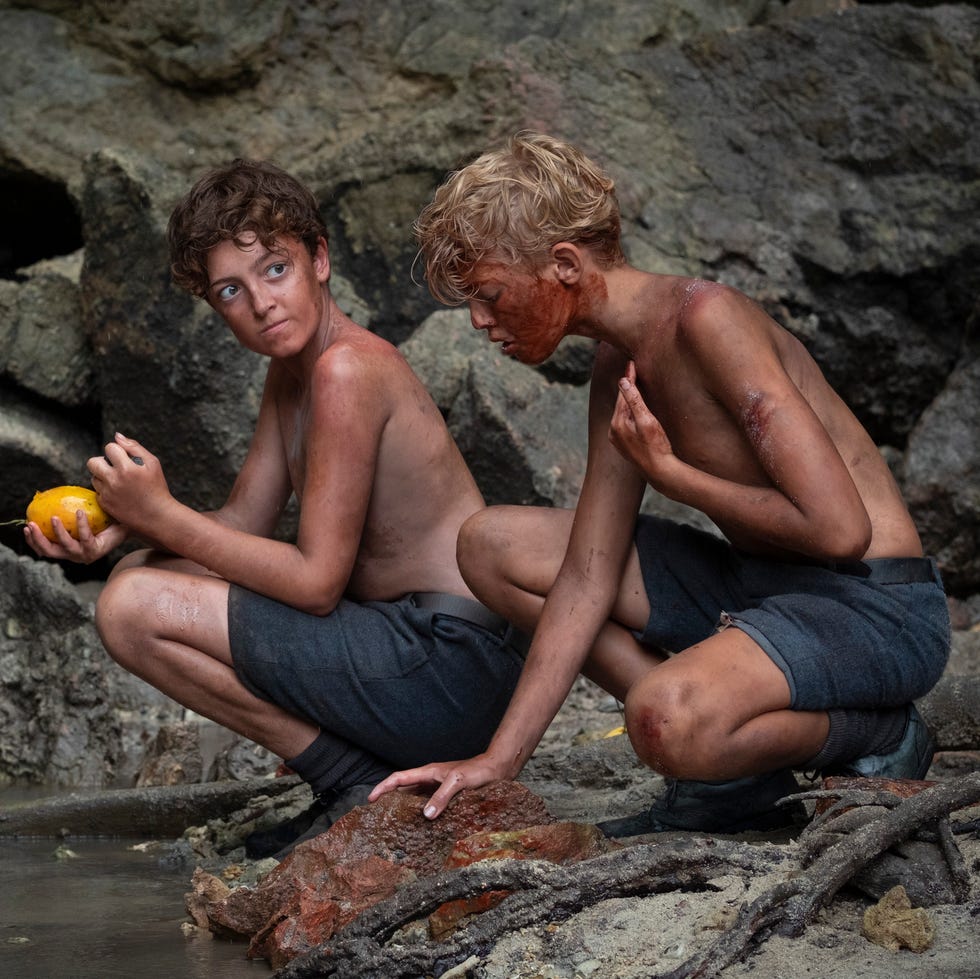
It’s worth noting how refreshing it is to see actual kids cast as children for a change, which makes their descent into madness all the more horrific (and believable) to see.
It also helps that the island itself is as immersive for us as it is for the boys stranded there. Director Marc Munden (who helmed Channel 4’s classic Utopia series) combines stunning wildlife shots of the Malaysian jungle with surreal camera trickery to mirror the unravelling of minds and logic alike in this microcosm of society.
As the children couldn’t film after 6pm, Munden and Mark Wolf (Director of Photography) decided to shoot the nighttime scenes with an infra-red camera that turns pink and red in response to green foliage (as revealed by the BBC). The result is hallucinatory in ways no other adaptation has attempted before, speaking to the unsettling reality these boys eventually succumb to.
The music is just as uneasy, shifting the world slightly askew thanks to legendary composer Hans Zimmer (as well as Prehistoric Planet’s Kara Talve and The White Lotus’ Cristobal Tapia de Veer).
Unfortunately, the same can also be said of the CGI – at times, those island piggies look faker than vegan ham slices.
BBC
That’s not a big problem in the grand scheme of things, not when every other effort to make this feel real is so expertly crafted. The result is true to the book, yet more expansive than previous adaptations, as seen in the way Thorne digs deeper into the queer subtext that some academics discuss concerning Simon.
This Lord of the Flies is cognisant of queer readings, without radically altering the text or trying to convince viewers who might not agree.
There’s also the important distinction made by casting beyond the typical white actors previously seen in adaptations of this story. Making Ralph biracial, for example, heightens the way this story threads in the British class system, often to devastating effect. Even on a deserted island, privilege can still give you the upper hand when it counts.
Where this particular Lord of the Flies is most effective though, is in its exploration of masculinity. Just like in Adolescence, these boys turn to hate as an answer to their loneliness and frustration in ways that extend far beyond the mere radius of this island. How that hate manifests isn’t all so different either, even if the circumstances might be.
BBC
Yet there’s also love here too, buried deep in this primal wilderness. There can’t be hate without love, even if that love can be warped beyond recognition. That dichotomy is just as key to the success of this adaptation as it was in Adolescence, although Lord of the Flies isn’t quite at that same level in terms of overall impact.
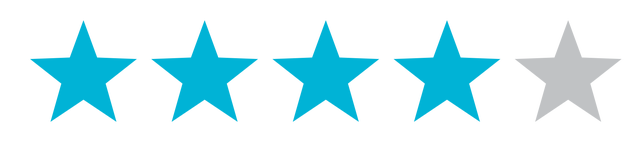
So this is a strong series, yes, especially when Thorne expands on the source material with a contemporary perspective. It’s also beautifully crafted, making this a perfect introduction to one of literature’s seminal texts.
Those who are familiar with the story might not, however, enjoy it as much as Adolescence — or even the first season of Yellowjackets, which already modernised Lord of the Flies with its own sapphic spin. That shouldn’t stop you from watching though.
There’s a reason this story remains so influential all these years later, and there’s an argument to be made that this might go on to become the new standard in adaptations of the text.
Lord of the Flies will premiere on Sunday, 8 February at 9pm on BBC One, while all four episodes will be available that day on BBC iPlayer.
The new edition of Living Legends, a 100-page all-colour celebration of Taylor Swift, is here! Buy Taylor in newsagents or online, priced at just £8.99.

After teaching in England and South Korea, David turned to writing in Germany, where he covered everything from superhero movies to the Berlin Film Festival.
In 2019, David moved to London to join Digital Spy, where he could indulge his love of comics, horror and LGBTQ+ storytelling as Deputy TV Editor, and later, as Acting TV Editor.
David has spoken on numerous LGBTQ+ panels to discuss queer representation and in 2020, he created the Rainbow Crew interview series, which celebrates LGBTQ+ talent on both sides of the camera via video content and longform reads.
Beyond that, David has interviewed all your faves, including Henry Cavill, Pedro Pascal, Olivia Colman, Patrick Stewart, Ncuti Gatwa, Jamie Dornan, Regina King, and more — not to mention countless Drag Race legends.
As a freelance entertainment journalist, David has bylines across a range of publications including Empire Online, Radio Times, INTO, Highsnobiety, Den of Geek, The Digital Fix and Sight & Sound.