
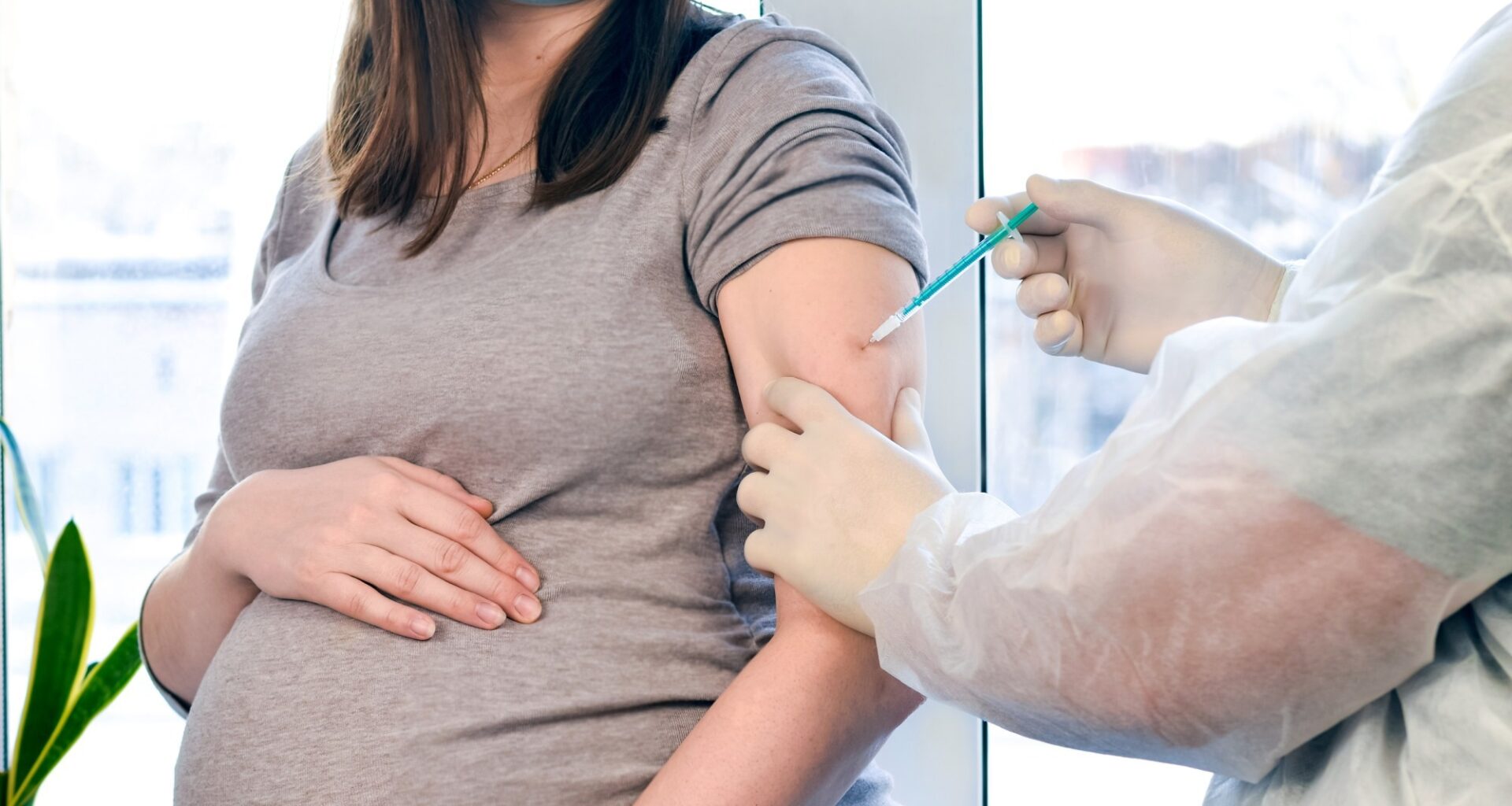
Large real-world Swedish data provide reassurance that COVID-19 vaccination does not reduce childbirth rates, helping counter persistent misinformation about fertility risks.
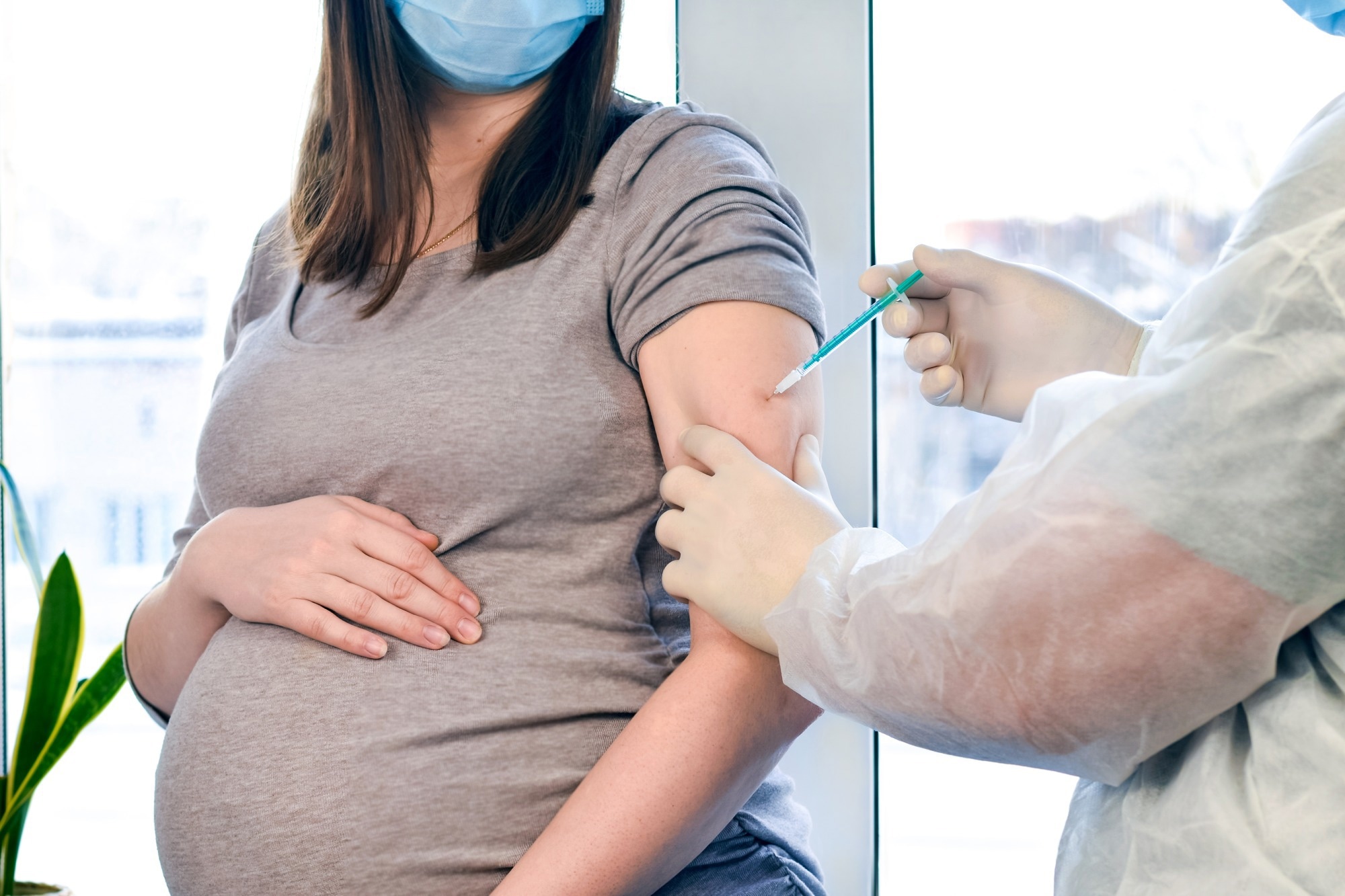
Study: COVID-19 vaccination carries no association with childbirth rates in Sweden. Image Credit: Marina Demidiuk / Shutterstock
In a recent study published in the journal Communications Medicine, researchers investigated whether coronavirus disease 2019 (COVID-19) vaccination is associated with childbirth in Sweden using causal inference methods intended to approximate, rather than replicate, a randomized experimental comparison.
Speculative claims of side effects of COVID-19 vaccines on childbirth rates are widespread on social media. Early in the pandemic, rumors circulated that messenger ribonucleic acid (mRNA) vaccines could cause infertility by eliciting antibodies against a placental protein. Later, suspicions emerged that declines in childbirth observed during the pandemic might be related to the novel vaccines.
However, epidemiological studies have not found negative associations between COVID-19 vaccination during pregnancy and preterm birth or fetal development. Although no evidence suggests that COVID-19 vaccines affect childbirth rates or fertility, misleading claims continue to circulate publicly. Evidence from observational studies has also proven insufficiently persuasive for some policymakers and members of the public, despite accumulating data and ongoing concern about fertility effects.
About the Study
In this study, researchers assessed whether COVID-19 vaccination was associated with childbirth rates during the pandemic. All females aged 18 to 45 years residing in the Swedish county of Jönköping were included in the primary analytic cohort, totaling 59,773 individuals. These data were derived from a regional population registry covering approximately 369,000 residents, analytically restricted to females of reproductive age. Information on childbirth, vaccination, miscarriage, and death from 2016 to 2024 was obtained from the regional healthcare provider. COVID-19 vaccination became available to all residents aged 18 years or older in January 2021.
Two doses of Comirnaty, Vaxzevria, or Spikevax were offered, with booster doses introduced from September 2021. Cox proportional hazards models were used to estimate associations between vaccination and childbirth, treating vaccination as a time-varying exposure. The index event was defined as estimated conception, inferred from childbirth occurring approximately 280 days later. Hazard ratios were adjusted for age; comorbidities were considered but ultimately excluded, as adjustment was judged unlikely to materially alter associations and could introduce bias.
Because restricting pregnancy identification to childbirth excludes pregnancies ending in spontaneous abortion, a separate analysis examined associations between vaccination and miscarriage. Pregnancy losses from gestational week 22 or later were classified as stillbirths. Females estimated to be around mid-pregnancy at baseline were excluded to reduce misclassification, with some ambiguity in gestational thresholds likely reflecting differences between reported methods and tabulated eligibility criteria. A sensitivity analysis using a shorter average pregnancy duration of 266 days was also conducted to test robustness.
Findings
The study included 59,773 females, of whom 75.5 percent received basic COVID-19 vaccination. Most vaccinated individuals (97 percent) received an mRNA vaccine. Childbirths declined by 8 percent between 2021 and 2022, 4 percent between 2022 and 2023, and 3 percent between 2023 and 2024. Approximately 10 percent of participants gave birth before receiving a booster dose.
Nearly 1 percent experienced a miscarriage during the vaccination period. COVID-19 vaccination was not significantly associated with childbirth, with adjusted hazard ratios close to one and confidence intervals crossing unity across primary and sensitivity analyses. No significant association was observed between vaccination and miscarriage. Sensitivity analyses assuming a shorter pregnancy duration also showed no significant associations.
Conclusions
The findings indicate no association between COVID-19 vaccination and reductions in the birth rate in this Swedish population. Observed declines in childbirth are more plausibly explained by behavioral changes associated with lockdowns, pandemic-associated socioeconomic conditions, and international shifts in fertility intentions during the pandemic.
Historical trends indicate that Sweden experienced rising birth rates in the 1980s, followed by declines in the 1990s, alongside reductions in social support for families and strained public finances. Given that parents of children born between 2021 and 2024 had a median age of 31 years, the pool of prospective parents was already declining due to lower birth rates in earlier decades. The authors caution that reliance on childbirth records for pregnancy ascertainment may introduce selection bias, particularly for early pregnancy losses not captured in healthcare registries.