
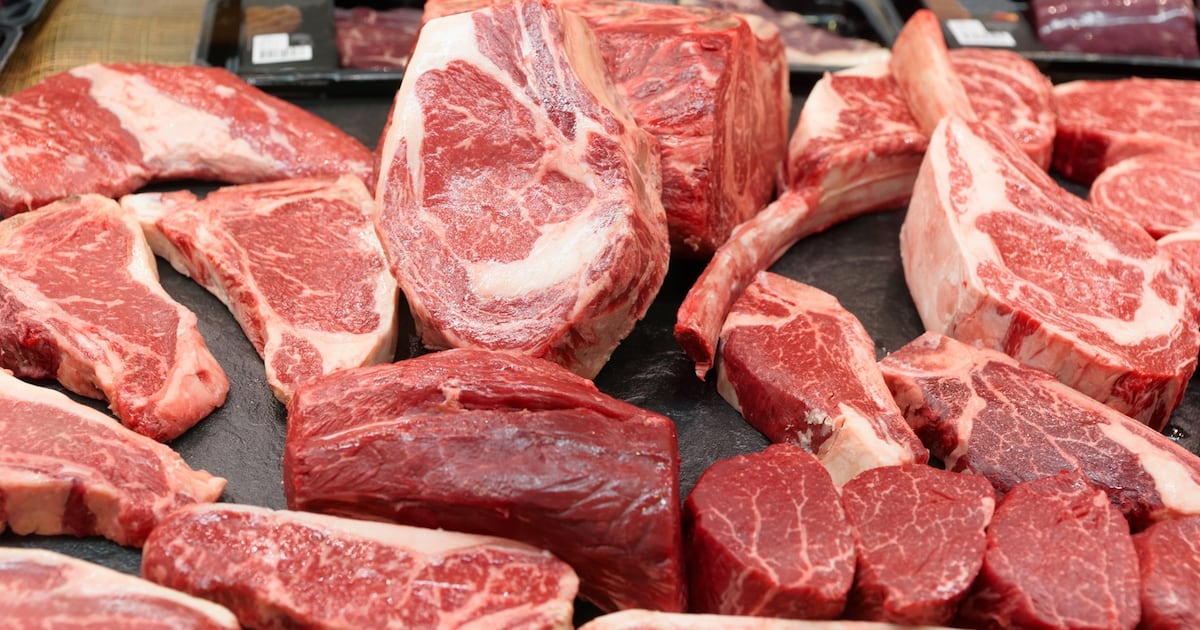
The rise of social media influencers promoting the carnivore diet with its emphasis on eating as much beef, butter and bacon as you want is a dangerous example of dietary misinformation, according to a medical doctor in Cork University Hospital.
“It’s all part of the manosphere political movement and Make America Healthy Again that sees red meat as masculine,” said Dr Gary McGowan.
McGowan, who has 55,000 followers on Instagram, actively counters such claims.
“This carnivore diet can dramatically increase LDL cholesterol to three to five times the normal range for a healthy adult. It goes against over 50 years of research on the links between saturated fat and heart disease,” said McGowan, who has a master’s degree in preventative cardiology.
The marketing of electrolyte drinks – which can have three times the recommended daily intake of salt – to the general population is another concern.
“It’s about convincing people they need more salt but more salt will lead to an increase in high blood pressure in a population which already has high rates,” he said.
“Electrolyte drinks are marketed at people to stay hydrated and boost their cognition but they are only for certain groups such as endurance athletes or those working outdoors in hot countries.”
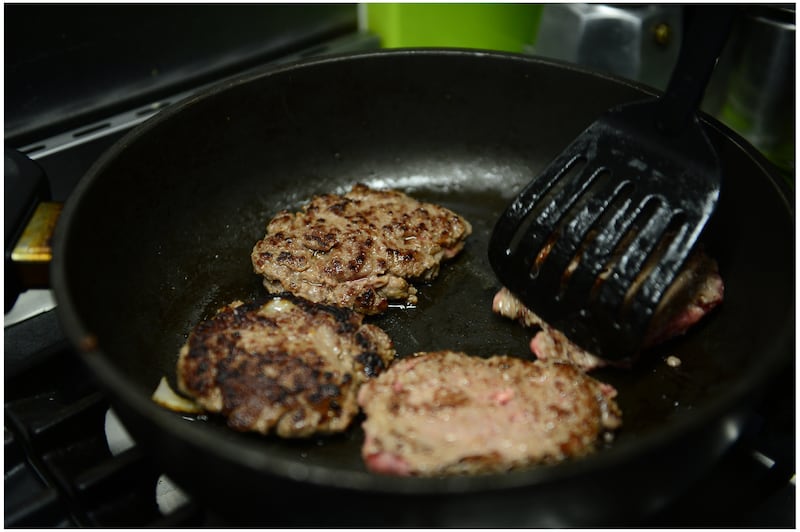 Influencers pushing high-fat, meat-only diets and electrolyte drinks spreading nutritional misinformation, conference told. Photograph: Bryan O’Brien
Speaking about ways to counter diet misinformation at a Food Safety Authority of Ireland (FSAI) event in Dublin on Thursday, McGowan said that it’s important to clarify the person’s viewpoint, ideally using their own words and respond clearly one point at a time.
“Debate is not just about knowledge, it’s about how you approach the argument,” he said.
He said it’s very easy for the public to be misled by social media influencers on nutritional advice.
“The untrained eye doesn’t know how to interpret nutritional evidence and if you ask AI to give you a summary of why saturated fat does not increase the risk of heart disease or why saturated fat does increase the risk of heart disease, you won’t be able to tell which is correct,” he said.
Greg Dempsey, the CEO of the FSAI said the digital media shapes opinion long before the experts can reach them. “We are challenged by other actors who don’t have the same rigour, transparency and objective to protect public health,” he said.
This leads to unnecessary fear and confusion, unsafe food practices, viral food consumption challenges and the promotion of restrictive diets, he said.
Journalist and entrepreneur Mark Little, who also spoke at the event, said 50 per cent of the content on the internet is now AI generated. “Misinformation makes [some] people feel powerful. It is this secret knowledge that we have undervalued.”
According to Little, the single most effective way of countering disinformation is to ‘pre-bunk’ by preparing the top ten things you do and seeding that information into social media channels.