
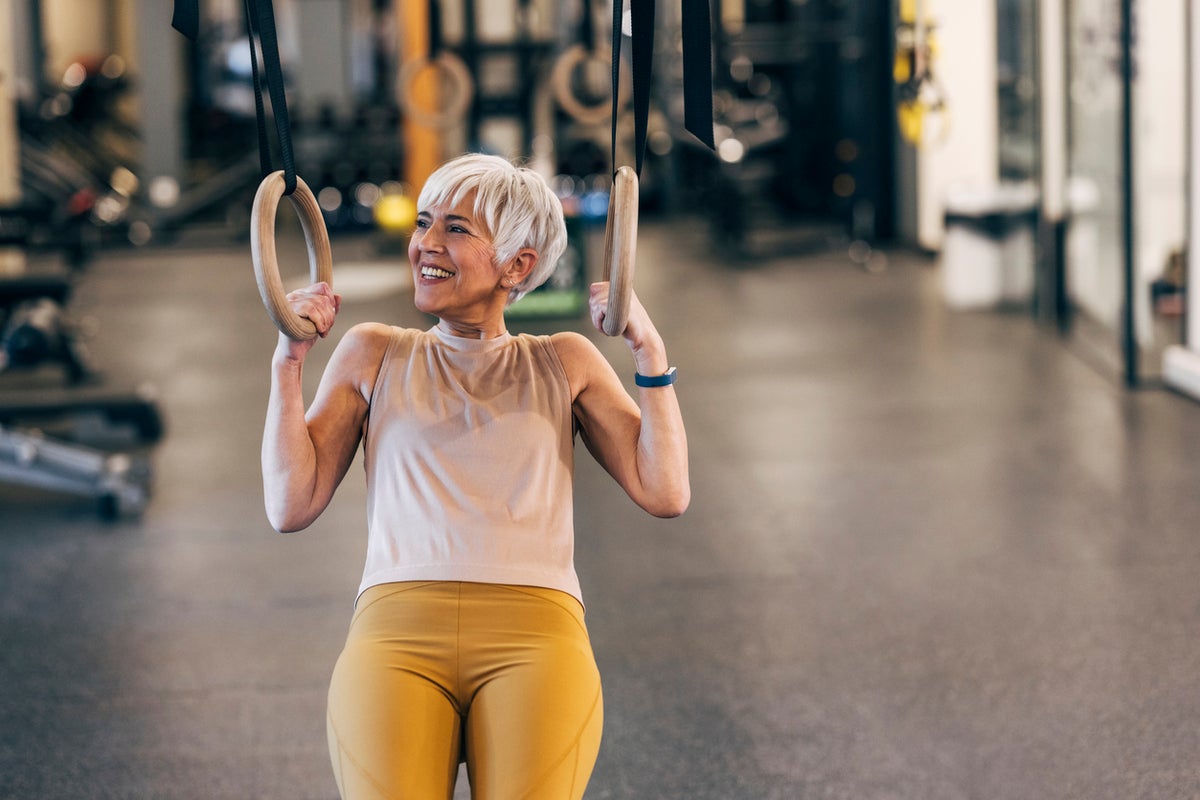
Lillian Haynes reaches overhead and wraps her knuckles around a chalky metal pull-up bar. She takes a deep breath, sets herself, then contracts her back muscles, pulling her body skywards with surprising ease. She is 76 years old.
Later, she cranks out 15 perfect press-ups with technique that would put most twentysomething gym-goers to shame. Yet, at 59, she lacked the strength to hold a bodyweight plank.
Lillian, mother of experienced strength coach and Coastal Fitness founder Ed Haynes, is a prime example of the fact that it is never too late to start training, having started working out with her son shortly before turning 60.
“When I started training my mum, all she had done was jogging,” Haynes says. “I’ve been coaching her for 16 years now, and now she does strength training four days a week, plays golf three times a week and is more knowledgeable than most coaches when it comes to nutrition. At 76, she’s more active than most people half her age.”
Prioritise quick wins
“If you walk 10km into the woods, you have to walk 10km to get out of it,” says Haynes. In other words: the impact of 20 years of unhealthy habits is going to take time and effort to undo.
“For most people, the rate of adaptation from exercise is quite slow, especially if they are a little bit older,” he adds. This is why he prioritises quick wins with his clients – lifestyle changes that have a near-immediate positive impact.
“I think a lot about the pain points that people are dealing with,” he continues. “One is physical pain – sore joints, or difficulty walking down the stairs. So what are the quick wins we can use that are going to reduce pain tomorrow?
For most people, it’s all about nutrition and lifestyle. “For example, most people don’t drink enough. But we know that if we can drink adequate amounts of water relative to our body weight and activity levels, inflammation reduces. And when inflammation reduces, pain reduces.”
Read more: I specialise in coaching people aged 40-plus – do these six things for immediate results
 Small lifestyle changes can have a near-instant positive impact on how your body feels (Kawee – stock.adobe.com)
Make gradual changes
Breaking old habits and creating new ones is hard. For this reason, Haynes recommends making gradual changes and building on them over time. For example, if you currently sleep for five hours each night, start aiming for five-and-a-half hours. When that feels manageable, look to hit six.
The same applies with exercise. Don’t jump from zero workouts to five gym sessions per week – rather, start with one short weekly workout, then when this feels like second nature, you can add more.
.jpeg) Making and breaking habits is not easy – particularly if you have held them for a long time. Use gradual changes to ease yourself into healthier practices. (Getty/iStock)
Making and breaking habits is not easy – particularly if you have held them for a long time. Use gradual changes to ease yourself into healthier practices. (Getty/iStock)
“Changes are happening in our bodies all the time, and each time they do, it can be like dealing with a whole person.”
For this reason, you can’t bullishly push forward with your pre-existing plans and habits. Instead, as Haynes puts it, “the protocols need to evolve”. Find ways to build healthy, sustainable habits that work alongside your lifestyle, and change them as needed to suit your ever-updating circumstances.
Read more: Why the perfect workout doesn’t exist – and why that’s good news
Choose full-body workouts
“Generally speaking, full-body resistance training works really well for this demographic,” Haynes says. “Most people don’t really need to be doing strength training more than three days a week, but if you’re at zero weekly workouts right now, you should start with one. If you’re at one and comfortable with that, we will look to get you to two.”
If you can commit to this, you will see increased muscle mass, which Haynes likens to “armour” – capable of preventing injury and protecting you from falls. It also improves physical capacity and aids blood sugar regulation, combatting diabetes.
“It’s also the best way to increase bone density,” Haynes adds. “Running, yoga and pilates are not going to do it because there’s not enough tension on the muscle tissue and bone structures to make them adapt and fight things like osteopenia and osteoarthritis.”
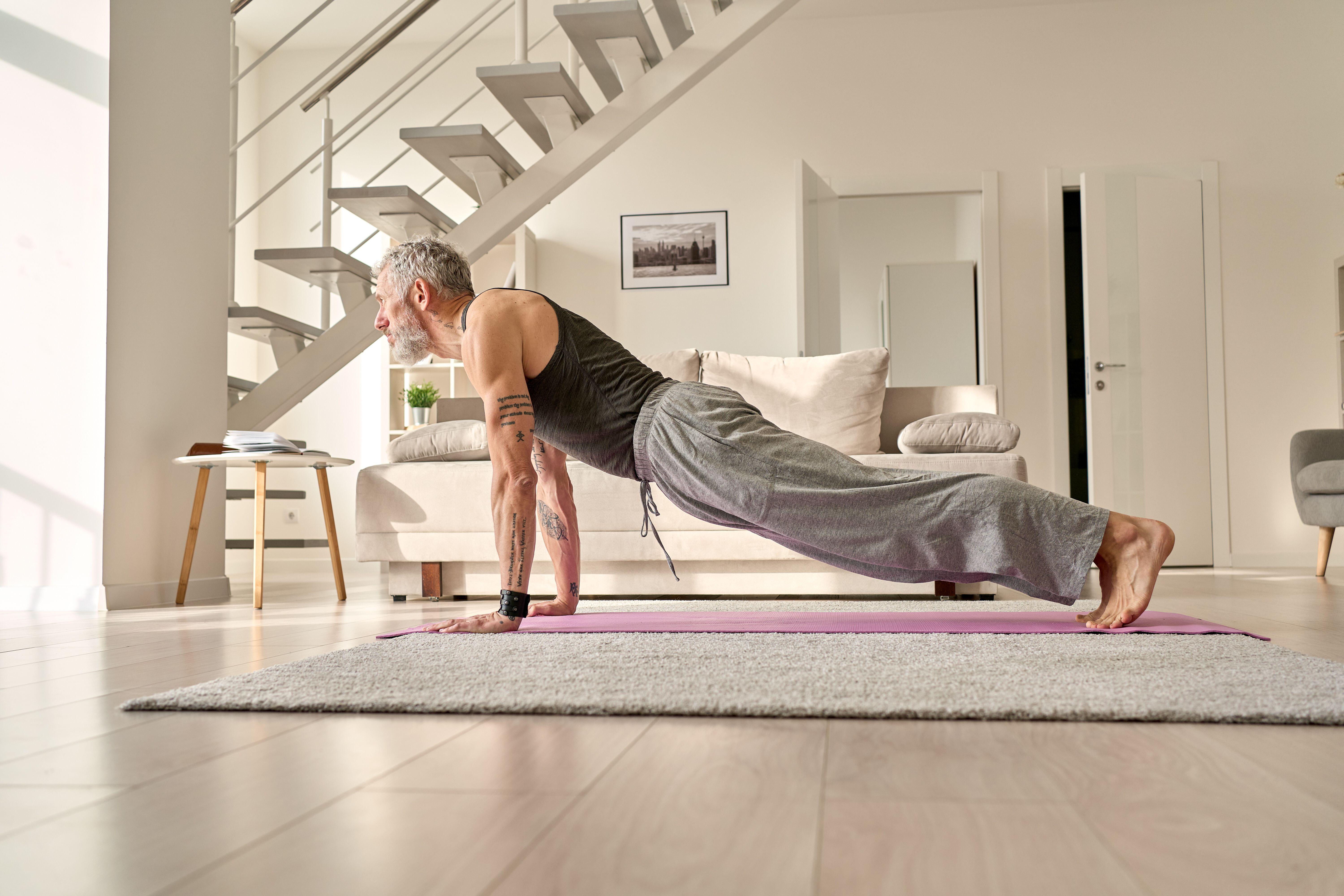 Full-body strength training workouts allow you to recruit every major muscle group in a single session, making for a time-efficient and effective approach to training (Alamy/PA)
Choose your exercise wisely
Strength training sessions for people aged 50 and above can generally look quite similar to those used by people of any age. But there are some extra elements to consider.
“My stance on exercise is that nothing is off the table – why put limits on yourself because you’re 70?” says Haynes. “Most exercises are useful, but every exercise can be bad if performed incorrectly.
“There are plenty of beautiful things that might come from learning more complex exercises if you can nail it, but there’s also a potential risk of injury. It’s about working out if you are OK with that, or if you would rather stick with safer dumbbell or machine exercises.”
For example, if you want to strengthen your legs, you can choose between a barbell squat and a leg press, among other movements.
“Both exercises are training the knees and hips in a flexed position – they’re flexing, then extending,” says Haynes. “But with a barbell squat, we have a high stability component, and you have to keep your joints in alignment and learn to brace effectively.”
The leg press, on the other hand, has a shallower learning curve and can be safer as a result.
“Because time is precious and the risk of injury is higher when you are older, we’re often going to choose lower-risk movements,” Haynes concludes.
Read more: The science-backed exercise method that can help fight the effects of ageing
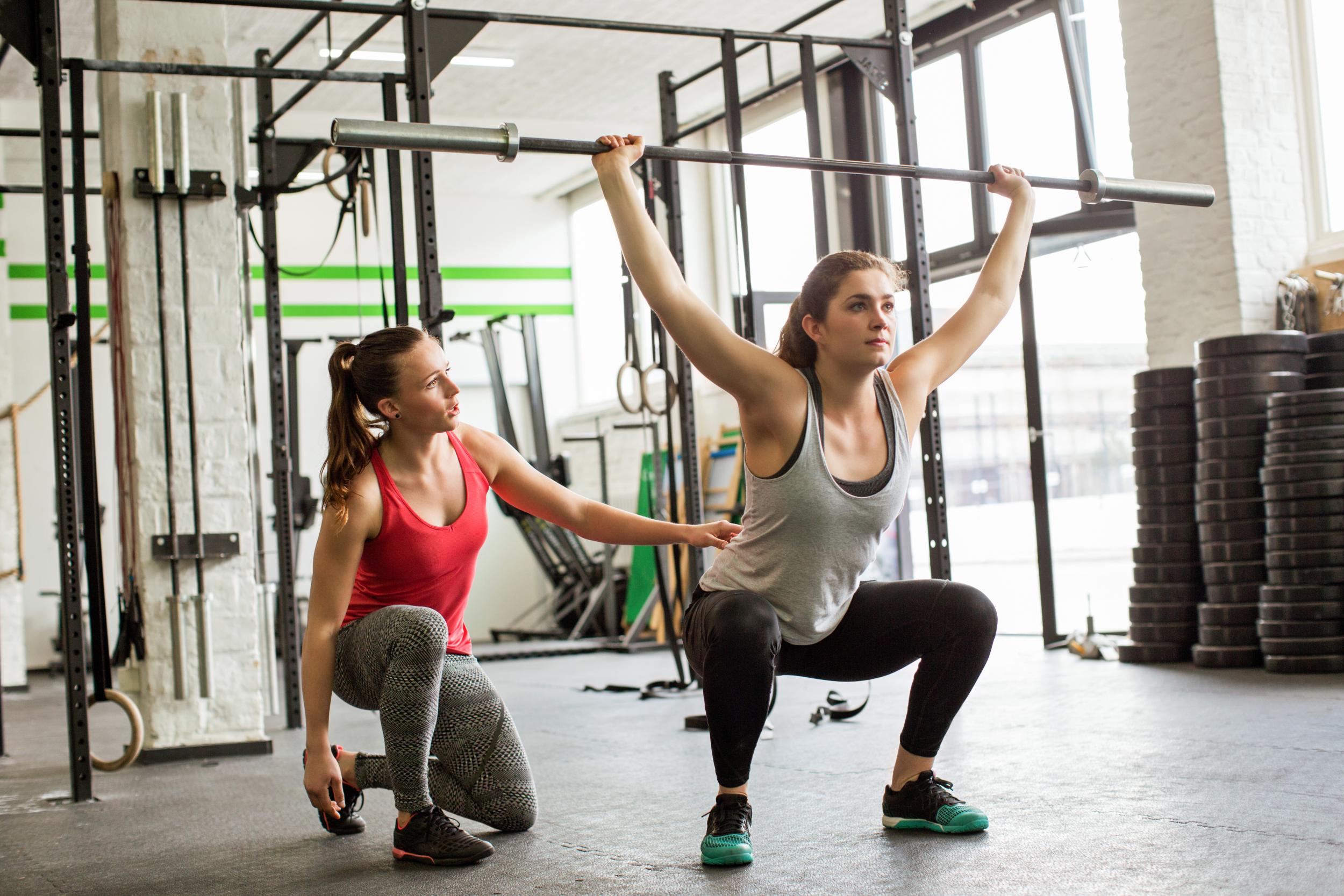 The key is finding the right exercise for your fitness goals, considering their safety, complexity, stimulus and how much you enjoy them (Getty/iStock)
Choose your rep scheme carefully
If you are new to an exercise, start by using lighter weights and performing more repetitions – Haynes suggests 15 to 20 reps per set. This, he says, is generally safer than performing a five-rep set with a heavier weight, while still allowing you to challenge your muscles.
“You’re going to start light and do lots of reps,” says Haynes. “As time passes and your body learns to handle this, you can gradually reduce the target number of repetitions and increase the load.
“Maybe, in a few years’ time, you will be able to work to a five-rep max [the most weight you can lift for five repetitions] of an exercise.”
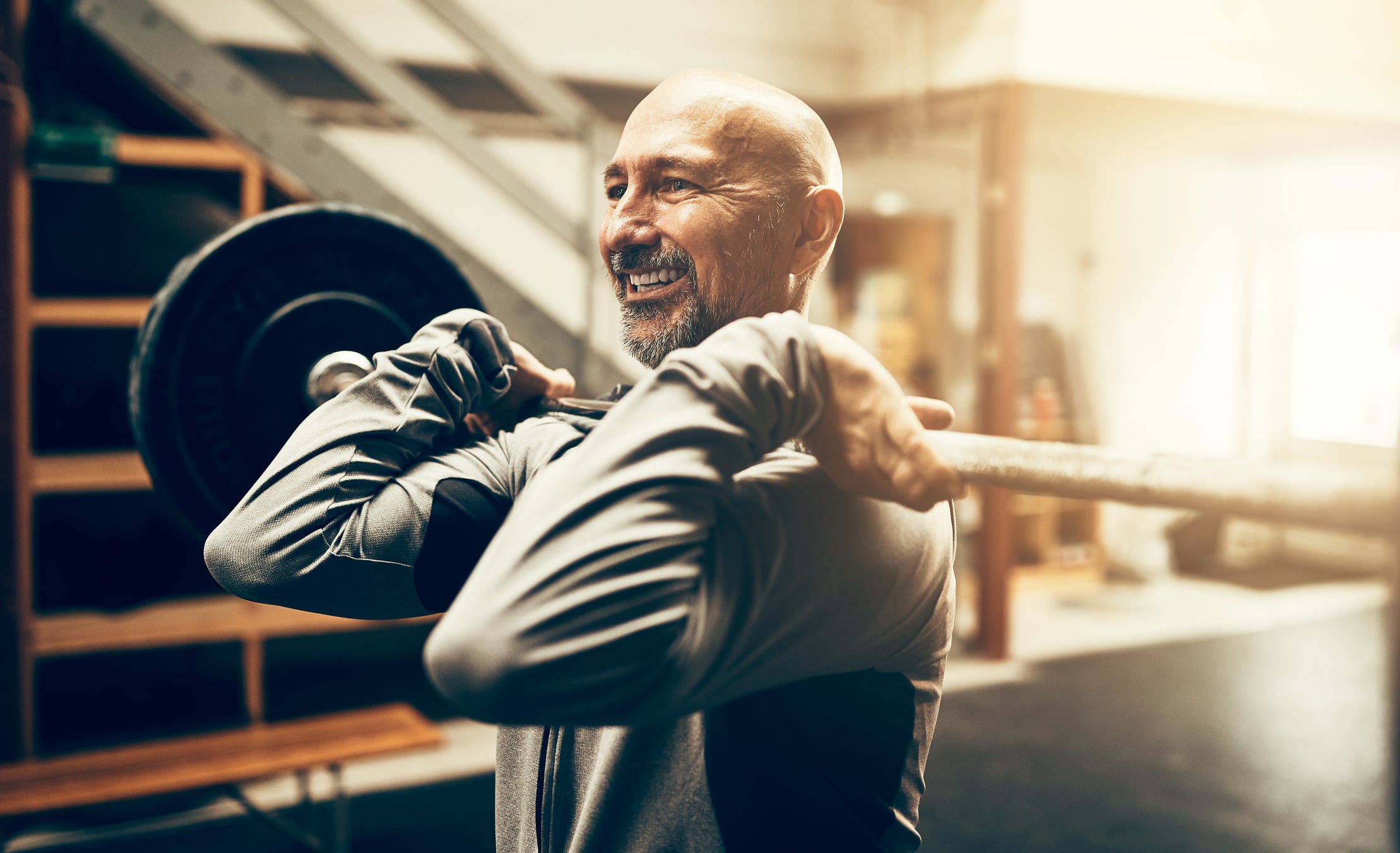 Physical ability peaks at 35 but if you can create a healthier lifestyle than you followed in your younger years, there’s no reason why you can’t see impressive fitness progress at any age (Getty/iStock)
Avoid comparison syndrome
“I have a lot of conversations with people comparing themselves to their younger self, which can be a massive roadblock for some people,” says Haynes. “Another thing that comes up a lot is biological age – people think they’ve missed the bandwagon and there’s no point in training.”
But if you only start strength training in your thirties or forties, or you change your routine to live a healthier life than your younger self, chances are you can trump your former abilities, Haynes says.
“You can still have your highest level of muscle mass in your sixties and be hitting strength PRs in your seventies because you’re so new in your training journey,” he explains. “The best time to start is now.”
Read more: Expert warns why this daily habit is shortening your life – even if you exercise