
When you buy through links on our articles, Future and its syndication partners may earn a commission.
Credit: Getty Images/hobo_018
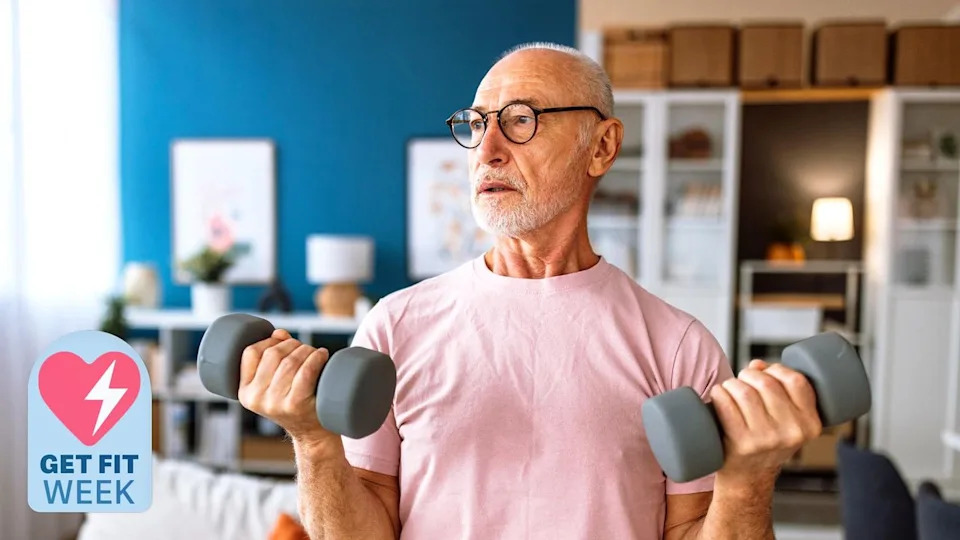
Living longer is one thing — living well for longer is another. That’s where the idea of healthspan comes in. While lifespan refers to the total number of years we live, healthspan is about how many of those years we spend feeling strong, mobile, and independent. In other words, it’s the difference between simply adding years to life and adding life to those years.
Get Fit With TG
Tom’s Guide Get Fit Week badge
Here on the Tom’s Guide fitness desk, we’re all about making 2026 your healthiest, and happiest year yet! To help, we’ll be bringing you a week of motivational content to help you Get Fit with Tom’s Guide.
Functional strength training is one of the most effective ways to support your healthspan. Unlike gym exercises that isolate a single muscle, functional movements train your body to perform the tasks you rely on every day — standing up from a chair, climbing stairs, lifting objects, reaching overhead, or staying upright. Functional strength training covers multiple muscle groups at once while improving coordination, stability, and joint health.
And you don’t need a gym membership or heavy equipment to start building this kind of strength. Some of the best longevity-boosting exercises can be done right at home using just your body weight. The moves below will help you stay strong, mobile, and resilient for years to come.
1. Sit-to-stand (chair squat)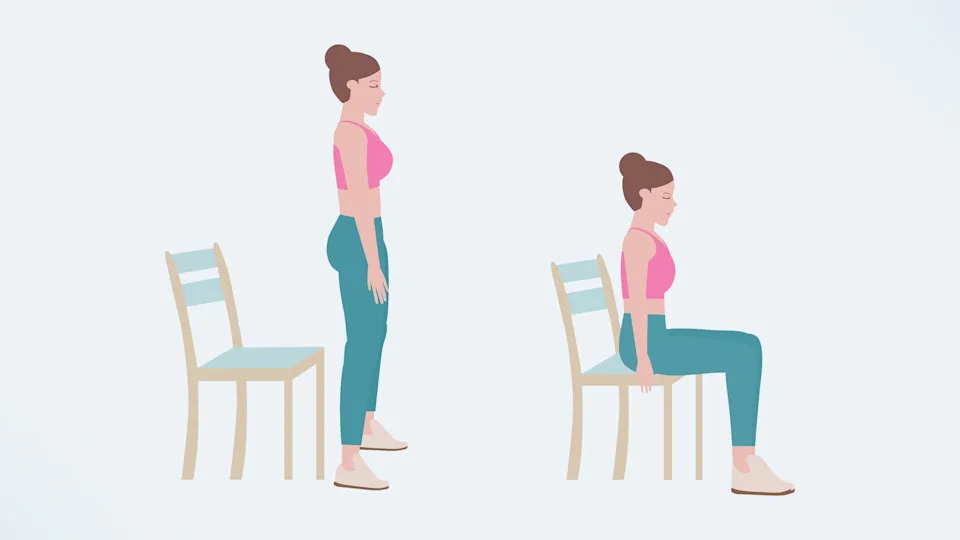
Credit: Shutterstock
The ability to stand up from a chair is one of the clearest markers of functional strength as we age. This movement strengthens the glutes, quadriceps and core, which support everyday tasks like climbing stairs, getting out of a car or standing up from the couch.
Sit on a sturdy chair with your feet flat on the floor, hip-width apart.
Cross your arms over your chest or extend them forward.
Lean slightly forward and press through your heels to stand up.
Pause briefly at the top.
Slowly lower yourself back down with control.
2. Glute bridge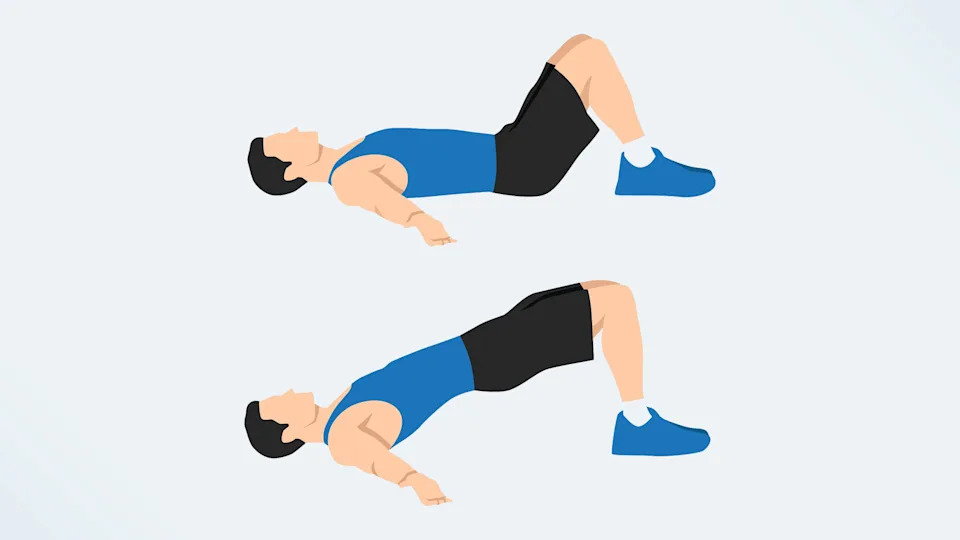
Credit: Shutterstock
Our glutes — the biggest muscles in our body — are essential for healthy hips and lower back support. The glute bridge is a tried-and-tested move for strengthening these areas, as well as the posterior chain (the muscles along the back of the body), which play a major role in walking, lifting and maintaining good posture.
Lie on your back with knees bent and feet flat on the floor, hip-width apart.
Rest your arms by your sides.
Press through your heels and lift your hips until your body forms a straight line from shoulders to knees.
Squeeze your glutes at the top.
Lower slowly back to the floor.
3. Step-ups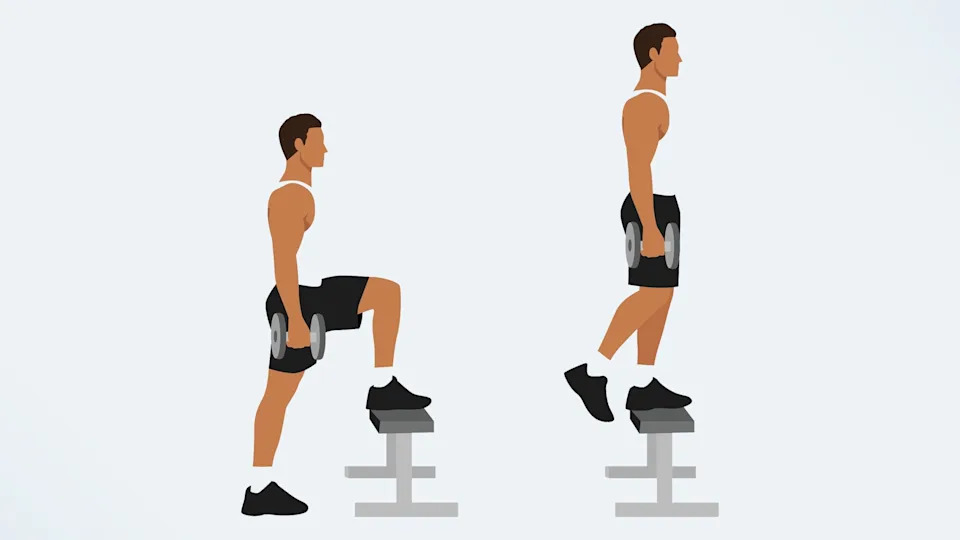
Credit: Shutterstock
Step-ups replicate a common movement in daily life, and one that we want to be able to keep doing for as long as possible: climbing stairs. They build strength in the hips, quads and glutes while also challenging balance and coordination.
Stand in front of a sturdy step or low platform.
Place one foot on the step.
Press through that foot and step up, bringing your other foot onto the step.
Step back down slowly, one foot at a time.
Repeat for 10 reps, then switch sides.
4. Wall push-ups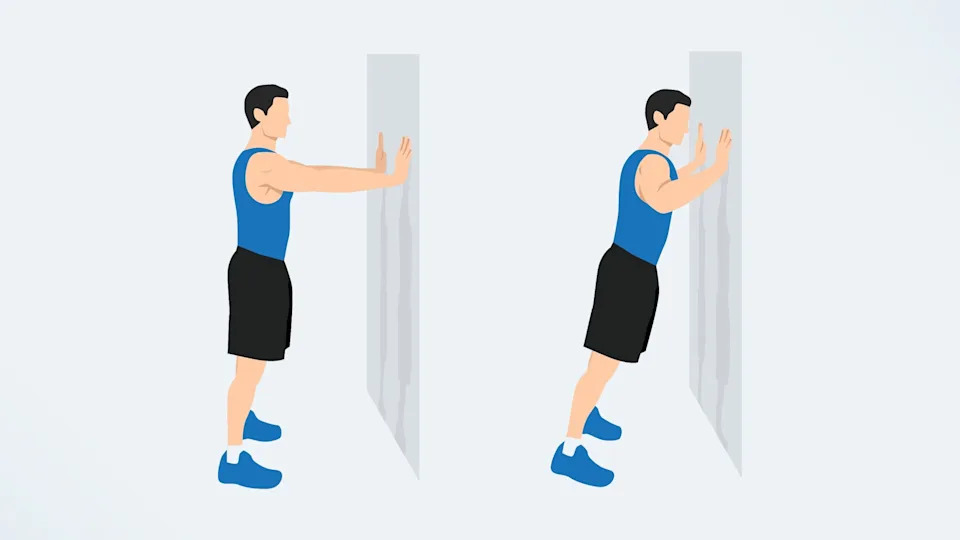
Credit: Shutterstock
Pushing strength is essential for everyday tasks like opening heavy doors, getting up from the floor, or pushing objects. Wall push-ups are ideal for strengthening the chest, shoulders, and arms, while remaining joint-friendly.
Stand facing a wall about an arm’s length away.
Place your hands on the wall at shoulder height, slightly wider than shoulder-width apart.
Keep your body in a straight line from head to heels.
Bend your elbows and lower your chest toward the wall.
Push through your palms to return to the start position.
5. Bird dog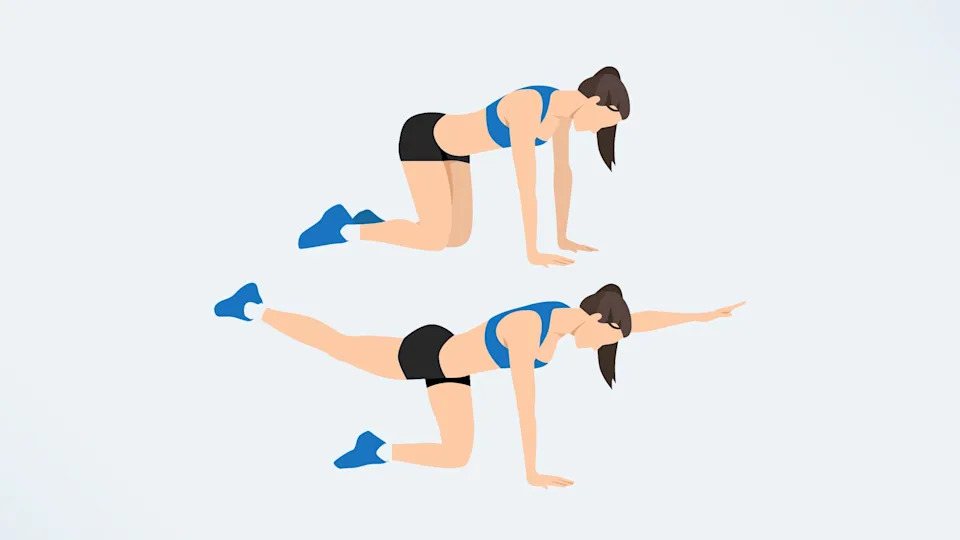
Credit: Shutterstock
The bird dog is a classic move for building core stability and coordination while strengthening the back, glutes, and shoulders. It trains the body to maintain control during movement — an important skill for balance and injury prevention.
Start on all fours with your wrists under your shoulders and knees under your hips.
Engage your core and keep your back flat.
Extend one arm forward and the opposite leg back.
Hold briefly while maintaining balance.
Lower slowly and switch sides.
Perform 8–10 reps per side.
Improving your healthspan is about building the kind of strength that supports everyday life. Functional exercises like these train the movements your body relies on daily, helping you stay mobile, stable and confident as you age. By practicing them regularly at home, you can boost your longevity and help yourself live well for years to come.
More from Tom’s Guide