
 13 min read
 LUIS ALBERTO RODRIGUEZ
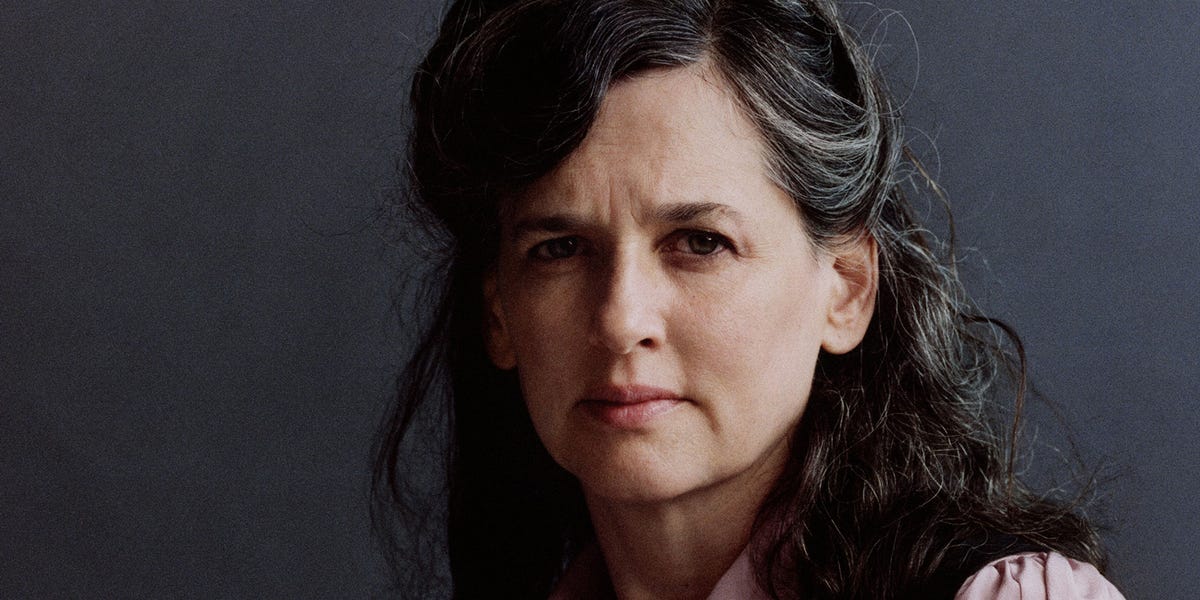
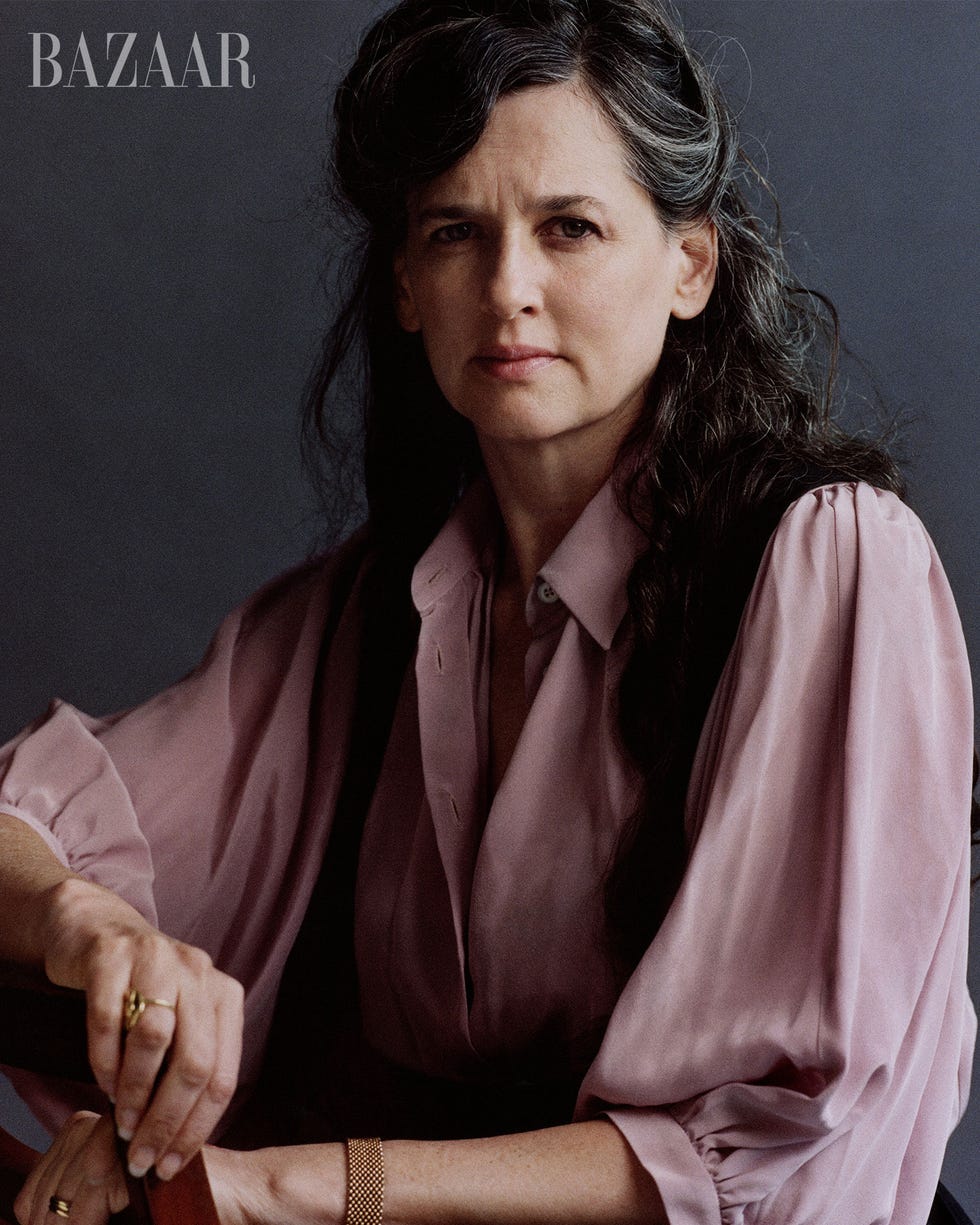
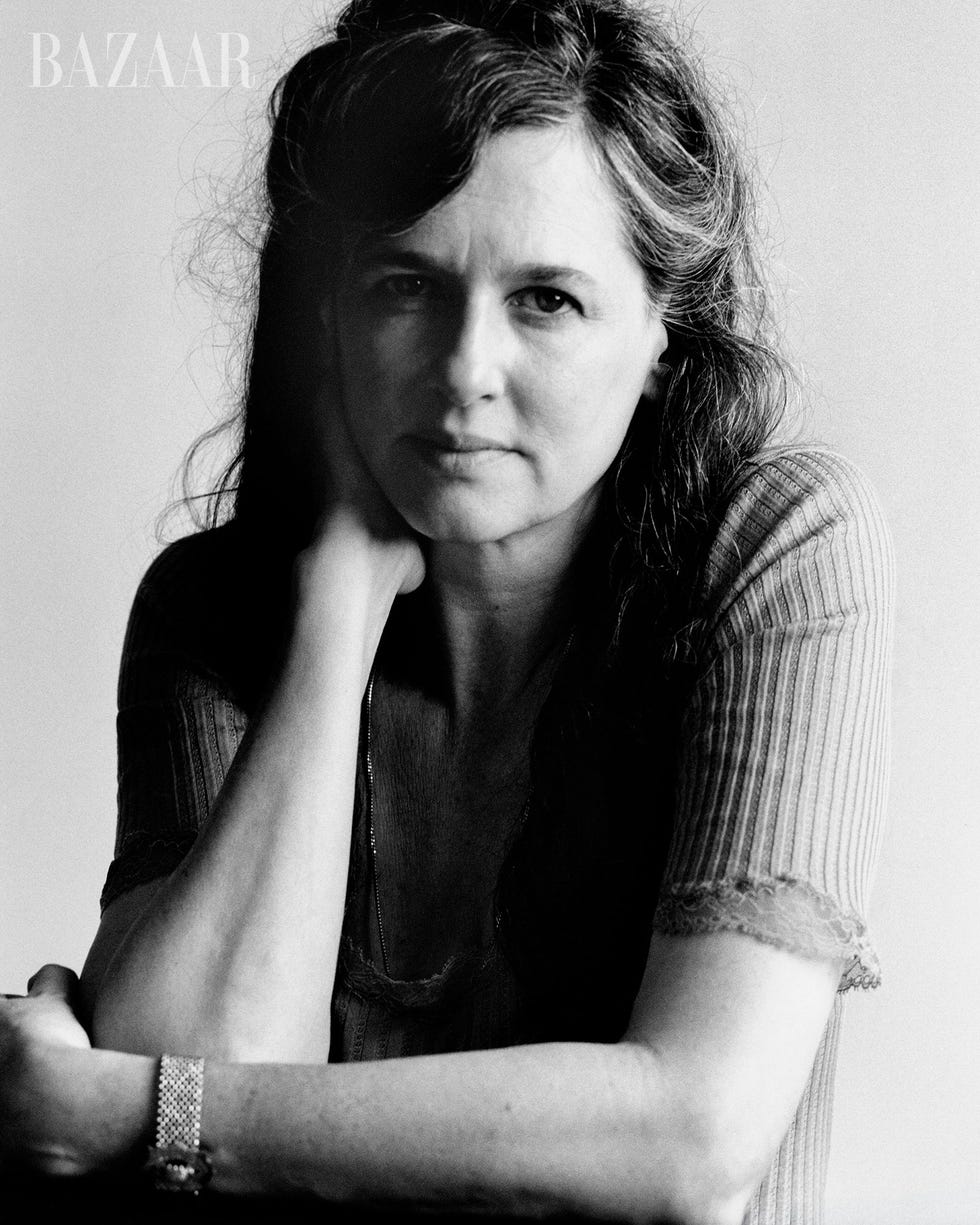
Artist Taryn Simon.
Paul Ames was five years old when federal agents raided his family’s home, arrested his parents, and took away most of their belongings. Ames’s father, Aldrich Ames, was a longtime CIA officer responsible for recruiting and handling intelligence sources in the Soviet Union. But beginning in 1985, he began selling information to the Soviets, including the identities of some of those sources. The CIA knew its Soviet operations were compromised but for years could not identify the leak. Investigators finally zeroed in on Ames after taking note of his unexplained wealth: He and his second wife, Rosario, had purchased their Arlington, Virginia, house with cash; he drove a Jaguar; she had an affinity for designer clothes, handbags, and jewelry—all on his relatively modest government salary.
The Aldrich Ames episode was devastating. Over the course of nearly a decade, he exposed some of the CIA’s most valuable Soviet assets—at least 10 of whom were executed—and compromised scores of intelligence operations. Rosario, who learned of Aldrich’s spying years after it began, eventually became complicit, helping him manage the money he was paid for top-secret information and maintain contact with his Russian handlers.
 TARYN SIMON © 2026 TARYN SIMON
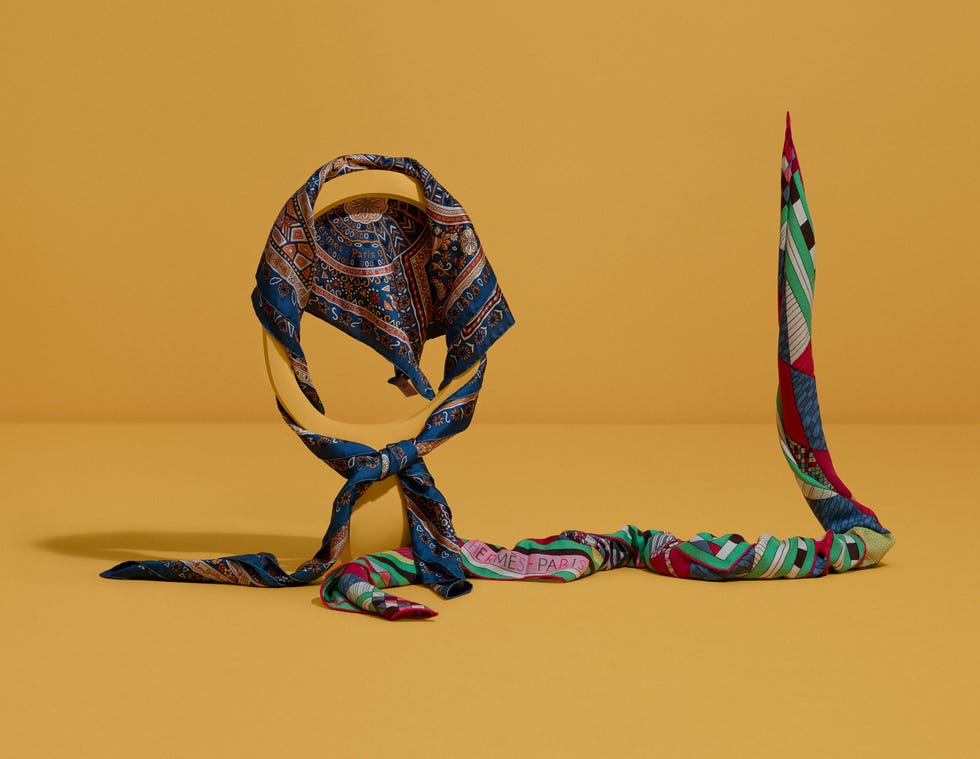
Un-American Rat 1: A lot of action at government auctions, 2026 (detail).
In 1994, the Ameses both pleaded guilty to espionage- and tax-related charges. Rosario was sentenced to a little more than five years in prison and returned to her native Colombia after she was released. Aldrich was sentenced to life without parole; he died in a federal facility in Maryland this past January.
It was while sifting through an account of the February 21, 1994, raid on the Ameses’ home that the artist Taryn Simon became focused on their young son, Paul, who was there as his parents were taken away—bearing witness to the culmination of one of the most high-profile espionage scandals in American history, which also had profound ramifications for him personally, as he watched the only life he’d known to that point dismantled in front of him.
“There were a lot of people who died and whose lives were destroyed because of Aldrich Ames’s actions,” Simon tells me when we speak in late July. “And then they’re raiding the house and taking all their things out, and there is this five-year-old boy there.”
 TARYN SIMON © 2026 TARYN SIMON
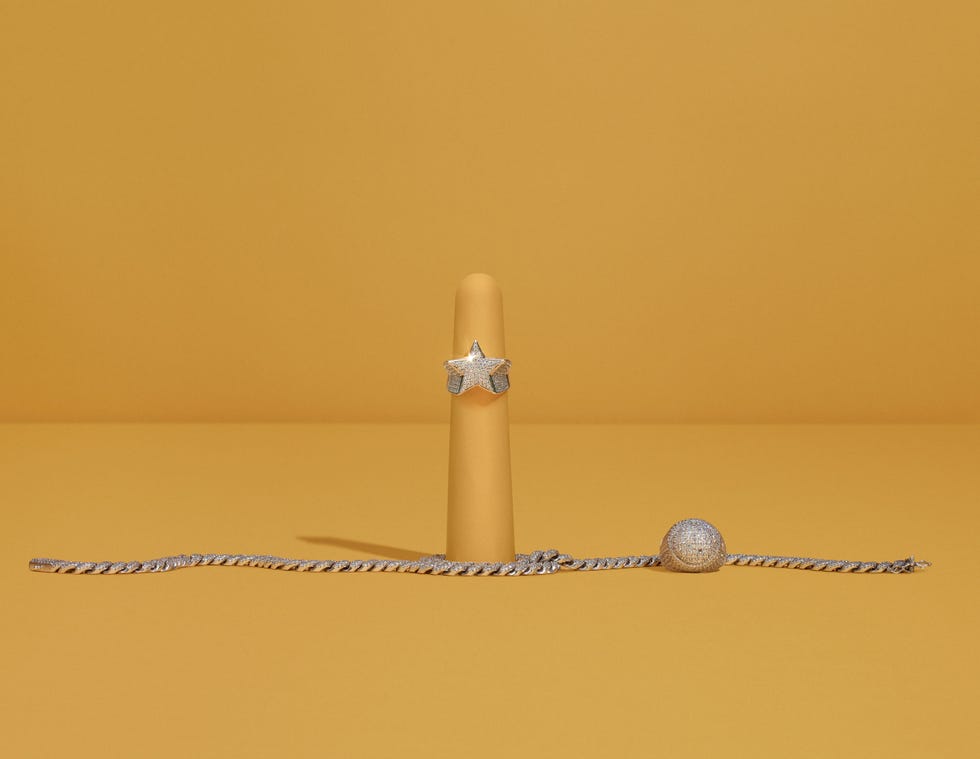
Un-American Rat 1: A lot of action at government auctions, 2026 (detail).
The consequences of our actions—and the people left to live with them—is a subject that runs through “Father Country I Do Love You,” Simon’s vast new exhibition at the Guggenheim in New York. Nearly a decade in the making, it unfolds through a series of 42 works (or “chapters,” as Simon refers to them) surrounding a federal agent involved in the Ames case whose job placed him at the edges of various stings, shootings, poisonings, and other episodes of violence and intrigue—much of it connected to the machinery of the American government.
The unnamed agent is described as a kind of consummate middleman. His work in service of lofty institutions and ideals often had far-reaching and unintended consequences for people he would never know or meet. But his career became a way for Simon to explore how institutions, power, and individual actions—or failures to act—reverberate and manifest in the world.
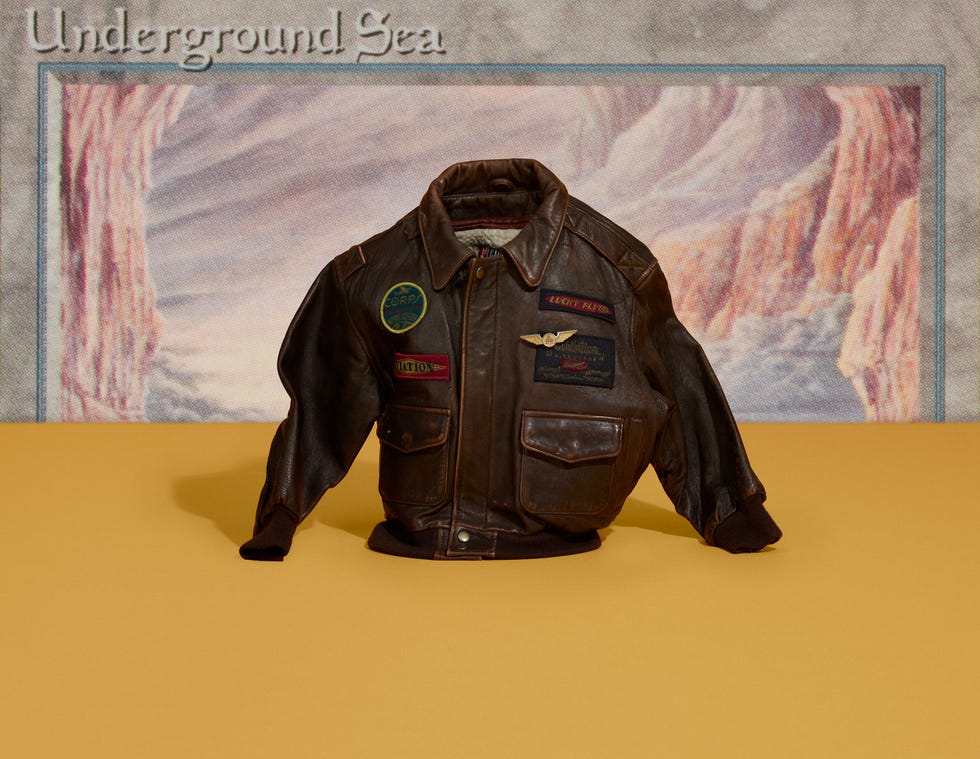
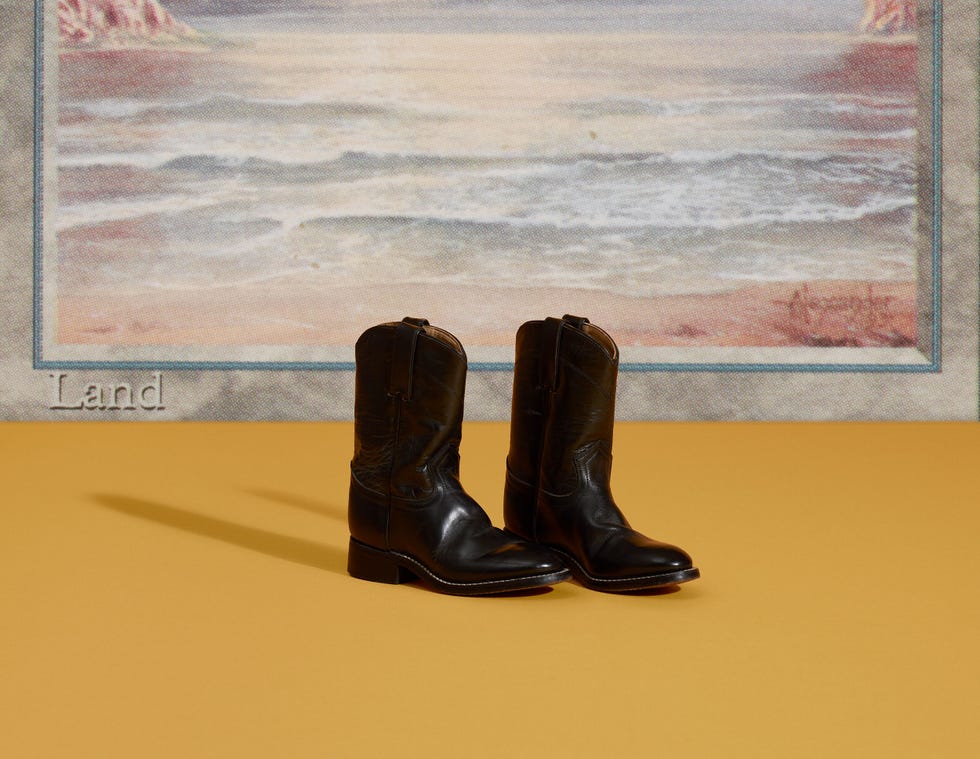
The chapter centered on Paul Ames, titled Un-American Rat 1: A lot of action at government auctions, traces the afterlife of Aldrich Ames’s betrayal. Following his parents’ incarceration, Paul moved to Colombia to live with his grandmother. He was allowed to keep only a few of his belongings, including a flight jacket and a pair of boots. Much of the rest of the family’s property was eventually auctioned off.
 TARYN SIMON © 2026 TARYN SIMON
Un-American Rat 1: A lot of action at government auctions, 2026 (detail).
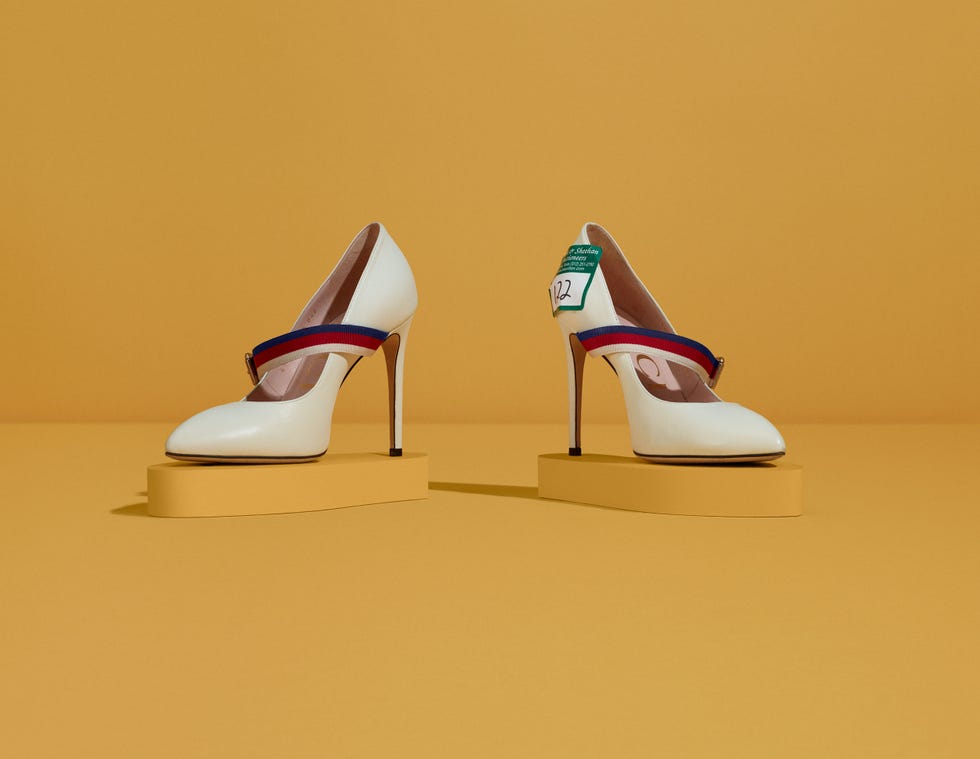
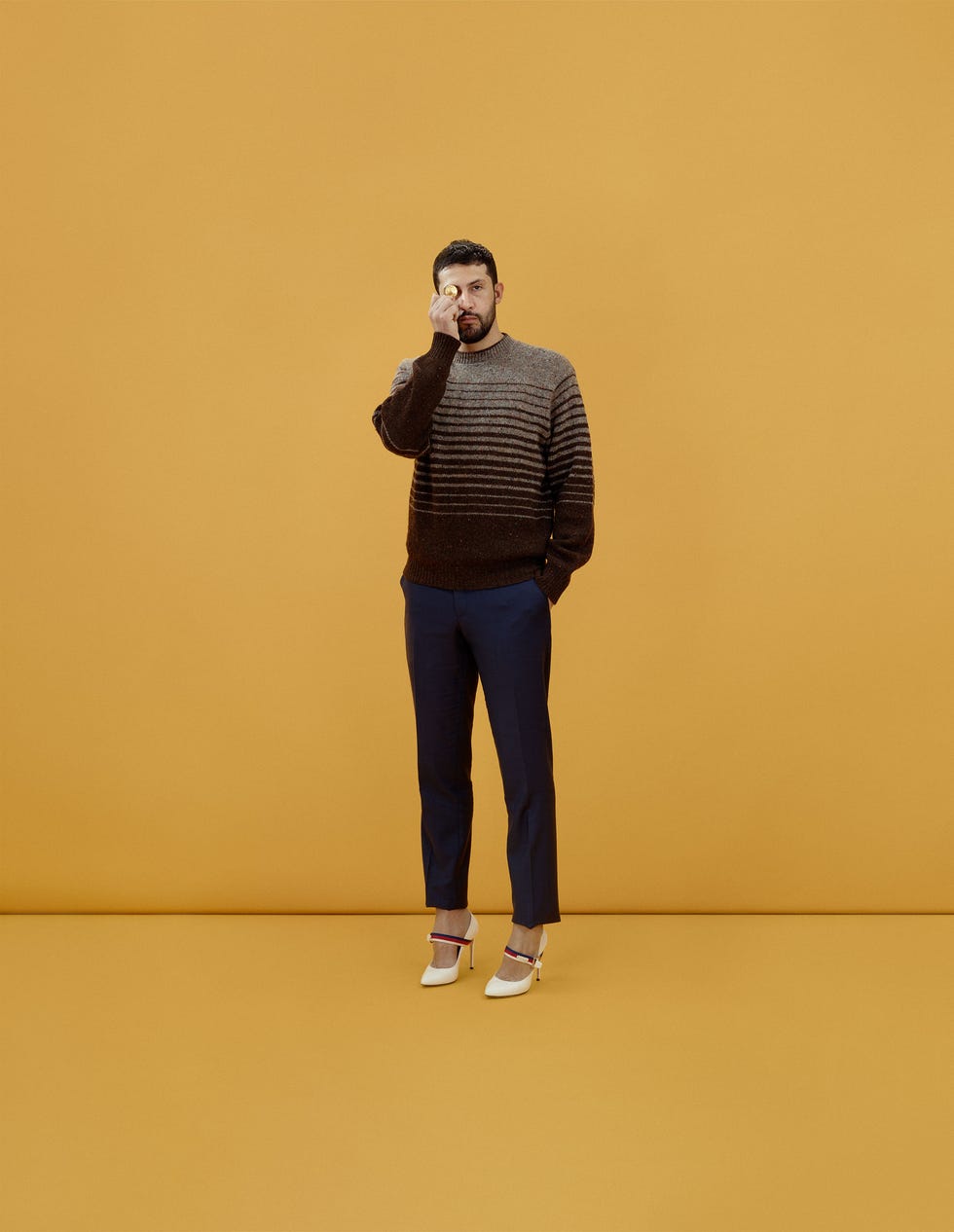
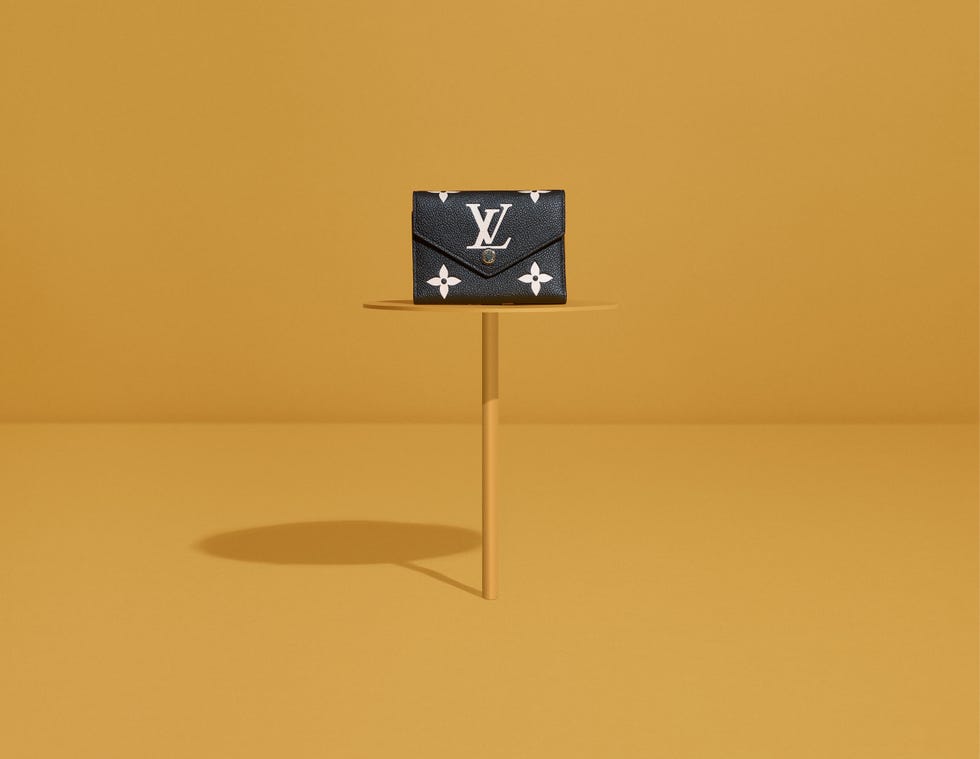
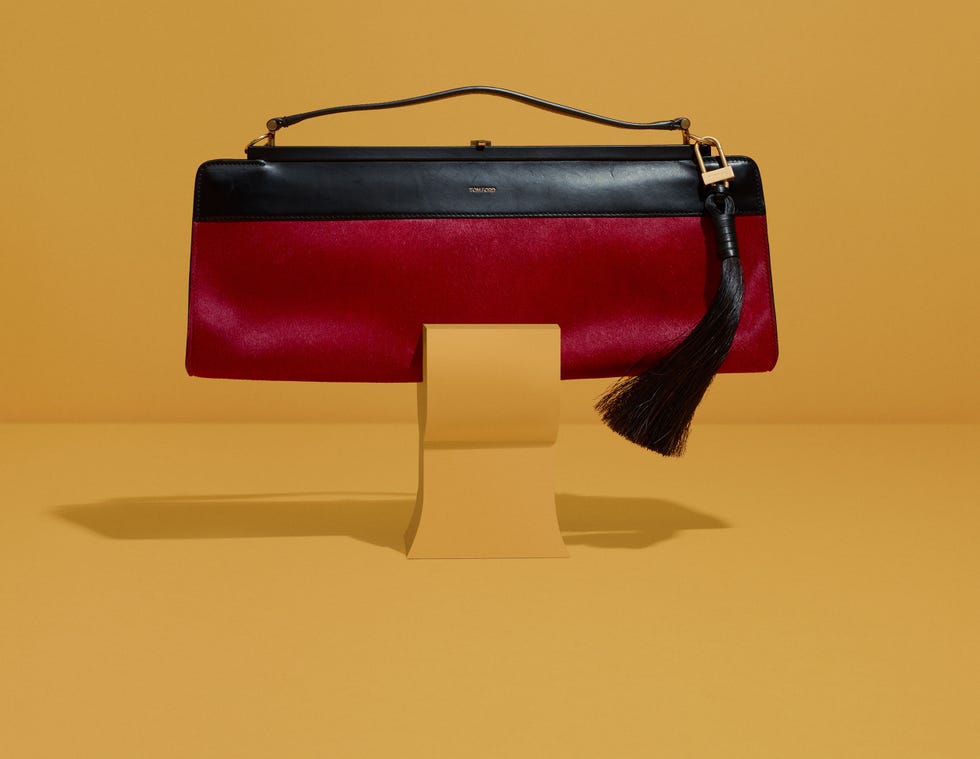
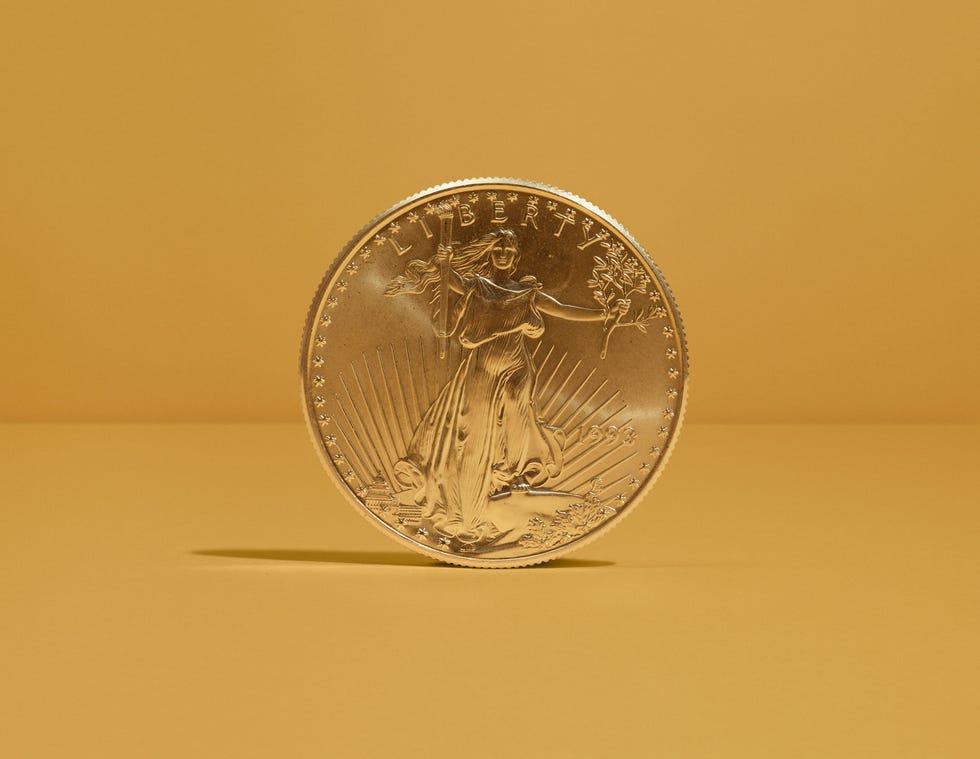
Simon was interested in the federal system that turns seized goods back into commodities. She began researching and buying other luxury items through Gaston & Sheehan, a Texas auction house used by the U.S. Marshals Service to liquidate property seized or forfeited in federal criminal cases—everything from crashed cars to clothes, jewelry, coins, and collectibles. She photographed the items she purchased against vivid yellow backgrounds, giving the objects a strange monumentality and tracing their shifting meanings, from symbols of wealth and desire to evidence, forfeited property, and, finally, art. “We think of these luxury items as aspirational—and they are,” she says. “But they represent a lot of different things.”
At one point early on, she was in touch with Aldrich Ames. Then she tracked down Paul, who is now in his 30s. He agreed to be photographed holding a Liberty coin and wearing a pair of Gucci heels Simon had purchased at a government auction like the one where his mother’s possessions were auctioned off. As a child, Paul liked to collect Magic: The Gathering fantasy game cards; he would later sell some of the more valuable ones to pay for a trip to visit his father in prison. Simon incorporated enlarged fragments of the cards in the images of Paul’s jacket and boots.
“PEOPLE think getting PERMISSION makes things EASIER, but it actually MAKES them HARDER.”
Simon, 51, has long been fascinated by the systems and structures we construct to govern our lives. Working across photography, text, sculpture, performance, and sound, she often begins with data or documentary-like material and follows it into murkier territory, where the forces of power, evidence, and memory begin to operate. Her first major body of work, The Innocents (2000–03), examined photography’s role in the convictions of people later exonerated by DNA evidence. For An American Index of the Hidden and Unfamiliar (2007), she turned her attention to hidden and restricted sites inside the U.S. in the post-9/11 years. In A Living Man Declared Dead and Other Chapters I–XVIII (2008–11), she traced bloodlines across continents, mapping families shaped by bureaucracy, political violence, inheritance, and chance.
“Father Country” is one of Simon’s most expansive works yet, drawing on virtually every element of her practice. Initially conceived to fill the Guggenheim’s four tower galleries, it grew to occupy the entirety of the museum’s Frank Lloyd Wright–designed rotunda. It’s the largest show of new work ever presented there. The complete project will become part of the Guggenheim’s permanent collection.
 TARYN SIMON © 2026 TARYN SIMON
Un-American Rat 1: A lot of action at government auctions, 2026 (detail).
When Simon and I meet, she is still in the process of figuring out how it will all come together. We’re in a conference room in the Guggenheim offices, which, unlike the rotunda, is not curvilinear. She’s wearing a version of the muted, slightly anachronistic uniform she tends to favor: a black dress with short sleeves and ecru and orange panels, dark socks, and black buckled shoes. Her long brown hair is streaked with gray and loosely pinned. She is warm and expressive when she speaks, but she talks about her work with an almost scientific precision. The installation, she says, is going to require some improvisation. “The walls are like this,” she expains, making a curvy gesture with her hands. “Everything is a build.”
In many ways, “Father Country” is also Simon’s most explicitly personal work to date. The exhibition is dedicated to her own father, Richard Simon, who worked for the U.S. government and spent years moving through places like Thailand, the Soviet Union, Afghanistan, Iran, and Israel. Richard and his wife, Susan, later settled in Locust Valley, Long Island, where they raised three daughters (Taryn is the middle sister) and he joined a family business manufacturing and selling arcade games. (Her grandfather, who had immigrated from Russia, also owned an arcade near Times Square.) An avid photographer, Richard had troves of Kodachrome slides and told stories about the far-off places he had visited. He gave Taryn a Sinar 4×5 camera when she was a kid, helping to spark her interest in photography. But there were parts of his life that she never completely understood. After he was diagnosed with Alzheimer’s, she began to realize that some of the questions she had about what he did and the choices he made would never be answered. But her father did tell her something that hovers over the show: “America,” she recalls him saying, “is the best story on earth, if you could find someone to tell it.”
 TARYN SIMON © 2026 TARYN SIMON
Un-American Rat 1: A lot of action at government auctions, 2026 (detail).
Simon first discovered the FBI agent at the center of “Father Country” while she was doing preliminary research and came across his name on an evidence receipt. “There was something in his background that intersected with my dad’s story,” she says, “and then I just started to find all these other confluences.”
She met with the agent for the first time in 2017 at a Mexican restaurant off an airport service road in Maryland, where they began the dialogue about his life and career that would form the structural backbone of the show. But there was another dynamic at play: The agent himself soon began having memory issues, causing narratives and subjects they’d been discussing to unspool in different directions. “I would bring up certain people, and he would begin to remember all these stories and things that had happened,” she says.
 TARYN SIMON © 2026 TARYN SIMON
Un-American Rat 1: A lot of action at government auctions, 2026 (detail).
Simon used interviews she conducted with the agent over the course of almost 10 years to write a first-person narrative from his point of view that spans 42 chapters. The exhibition opens with text in Simon’s own voice alongside four of her father’s old photographs. The entrance, constructed out of teak, is modeled on the living room of the house where she and her sisters grew up, which her father built when they were kids to resemble the living room of Jim Thompson, an American silk magnate and reputed former spy he’d met in Thailand. A teak track runs up the entire spiral ramp of the museum’s rotunda, leading to a device at the top; visitors can activate it by releasing a colored ball that will then roll down the track past all the other chapters (and visitors) to the bottom.
“It’s a game, and it’s all keyed into her father’s career-making games,” says Nat Trotman, the Guggenheim’s curator of performance and media, who worked closely with Simon on “Father Country.” (The project originated with former curator Nancy Spector.) “All our actions have consequences, and you don’t always know what those consequences are; nor do you know when we are all experiencing the consequences of actions that are invisible to us every day,” Trotman explains. The show offers viewers “the opportunity to have agency in that and actually create that action themselves,” he adds, “while also fulfilling a lifelong dream of rolling a ball down the ramp of the Guggenheim.”
LUIS ALBERTO RODRIGUEZ
Simon’s projects are big, ambitious, even unwieldy, and generally have no obvious end point; they often take years to complete. Yet her work is intensely formal: ordered, serial, and composed. Getting there requires extensive research, travel, and bureaucratic wrangling. Simon frequently shoots with a large-format 4×5 camera and is extremely rigorous in the way she constructs her images. She never “sneaks” pictures. She is transparent with her subjects, negotiating their collaboration, and the terms of that access often become part of the work. For An American Index, she sought permission to photograph the underground facilities at Disneyland, where the costumed characters are allowed to remove their masks. Disney famously provided a faxed rejection, saying that it would compromise the “magical spell” cast on guests. For A Living Man Declared Dead, she asked China’s State Council Information Office to choose the family she photographed. It selected a seemingly ordinary Beijing family with a composition that bore the imprint of the government’s one-child policy. In most of the chapters of that project, people who declined to be photographed were represented by empty portraits. The chapter on the family the Chinese government picked included none.
Simon tends to present complicated material with a cool, almost forensic clarity. Her texts are terse and informative. Her images are controlled and charged. Everything is arranged by grids, taxonomies, and other elaborate modes of categorization and classification. But what we see is often just the most visible piece of a larger and much more complex and laborious endeavor that’s by turns conceptual, investigative, literary, sculptural, and even performance-oriented.
“In many ways, her process is her medium as well,” says Jean Cooney, the executive director of Creative Time, a New York–based public-arts organization, who is working with Simon on a forthcoming project.
By refusing to circumvent the system, Simon subjects herself to its rules, contradictions, and exercises of power, which become part of what the work reveals. “People think getting permission makes things easier, but it actually makes them harder,” she says. “I think I’ve just always wanted to make things hard for myself.”
“If I’m going to try to MAKE WORK about what it means to be HUMAN, then I need to PARTICIPATE in THAT too.”
Things we are conditioned to avoid—activities that involve elements of danger, risk, discomfort, inconvenience, patience, endurance, physical and psychological heavy lifting—Simon seems to seek out almost reflexively. While working on An American Index, she spent hours at the Hanford nuclear site in Washington State photographing radioactive capsules submerged in a cooling pool while wearing a radiometer to monitor her exposure. When she was in Tanzania for a chapter of A Living Man Declared Dead about a family affected by the persecution of people with albinism, authorities seized her camera equipment. For Contraband (2010), she slept on an air mattress at JFK for several days and nights photographing more than a thousand objects confiscated by customs, from illicit drugs and counterfeit goods to prohibited foods and animal parts.
“She has a very clear sense of what the art needs,” says Trotman, “and she will push herself, push her collaborators, and push her subjects to make sure every stone gets turned over and that everything that needs to get figured out gets figured out.”
Adds Cooney: “The really, really almost-kill-you, impossible stuff—that’s why I like Taryn so much.”
The work can be overwhelming. “My brain can’t hold it all,” says Simon. “No brain can hold it all.” She waves at the stacks of images and proofs on the table in front of us. “I’m not sure sometimes if I’m an artist,” she quips at one point in our conversation. “All that I really do is this.”
 TARYN SIMON © 2026 TARYN SIMON
Un-American Rat 1: A lot of action at government auctions, 2026 (detail).
Simon, who lives in New York with her husband, filmmaker Jake Paltrow, and their two children, studied environmental science and later art semiotics at Brown University while taking photography classes at RISD. After graduating, she assisted other photographers before going out on her own. In 2000, while on assignment for The New York Times Magazine, she began photographing people who were convicted of crimes and later exonerated using DNA evidence. Rather than make conventional portraits, she photographed them at places that played a role in their convictions: the crime scene they had never visited, the site of an arrest, the place where they had been misidentified. The resulting series, The Innocents, was shown at MoMA PS1 in 2003 and established the research-intensive, conceptually structured mode that would come to define her practice.
In recent years, Simon has moved beyond photography into increasingly immersive work. First presented at the Park Avenue Armory in New York, An Occupation of Loss (2016) gathered professional mourners from around the world in a sculptural installation about ritual and grief (and, naturally, incorporated the visa applications and evidence of the other bureaucratic obstacles involved in getting them into the U.S. into the piece). A Cold Hole (2018), at Mass MoCA, invited participants to plunge into a tiny pool of near-freezing salt water while visitors watched from a nearby gallery, transforming the very private experience of physical shock and cognitive disruption into a kind of public spectacle. Kleroterion (2024) is an interactive sculpture based on an ancient Athenian device for randomly selecting citizens for public office—a kind of election machine that she reimagined as a game not unlike the ones her father and grandfather made.
 TARYN SIMON © 2026 TARYN SIMON
Un-American Rat 1: A lot of action at government auctions, 2026 (detail).
Simon wasn’t that much older than Paul Ames was at the time of Aldrich’s arrest when her father decided to construct their teak family living room. Both her parents had spent time in the late 1960s in Thailand, where Richard worked for a U.S. government agency during the Vietnam-era buildup and later ran his own business in Bangkok. Taryn visited Thailand with her family as a kid, but the influence of that period lingered in their lives in other ways. “My parents would speak in Thai to each other when they didn’t want us to understand what they were saying,” she says.
Thailand was where Richard met Jim Thompson, who provided the inspiration for their living-room decor. An American businessman and former agent for the U.S. Office of Strategic Services (a precursor to the CIA), Thompson was a legendary figure in Bangkok who helped revive the Thai silk industry after World War II. He lived in a compound of six traditional teak houses that he had dismantled, moved, and reassembled on a canal, where his home became a gathering place for expats and former intelligence figures. But the Thompson lore is also bound up in the mystery surrounding his disappearance: One day in 1967, while vacationing with friends in the Cameron Highlands of Malaysia, he went for a walk in the forest and never returned.
 TARYN SIMON © 2026 TARYN SIMON
Un-American Rat 1: A lot of action at government auctions, 2026 (detail).
As a child, Simon accepted her father’s decision to re-create Thompson’s living room in their home as just one of his many eccentricities. Only later did she begin to wonder why he did it or what it may have meant to him. “It was a one-to-one replica. I helped him do it. But I didn’t question it at the time,” she says. “It was just what was happening.”
“Father Country” is the first time that Simon has, in a very literal sense, brought her own life into a project of this scope. Her reluctance to do so early on, she says, was in part protective; there is sometimes a tendency (still) to read or position the work of young artists—and particularly young women artists—through a very limiting autobiographical or confessional frame. “I was a girl and I wanted to do this serious work and be taken seriously as an artist,” she explains. “And I felt like in order to do that, I needed to create a certain distance.”
Distance can be an important tool for an artist, a way to create space between themselves and the material—to observe, select, order, withhold. Simon has spent much of her career playing with that notion, even as her own presence has always been central and essential to the work. With “Father Country,” she is relinquishing some of that space in an intentional way, if it was ever really there at all.
“If I’m going to try to make work about what it means to be human,” she says, “then I need to participate in that too.”
A version of this story appears in the October 2026 issue of Harper’s Bazaar.